

The Need for Modernization and Its Implications
The driving force behind this initiative stems from the urgent need to replace outdated grid systems that have struggled to keep pace with technological advancements and the transitions towards greener energy sources. As the demand for electricity increases, especially with the rise of electric vehicles and home heating solutions, a more robust grid becomes essential. This upgrade is similar to Japan’s efforts in transforming its infrastructure to support modern energy demands.
The Impacts on Household Energy Bills
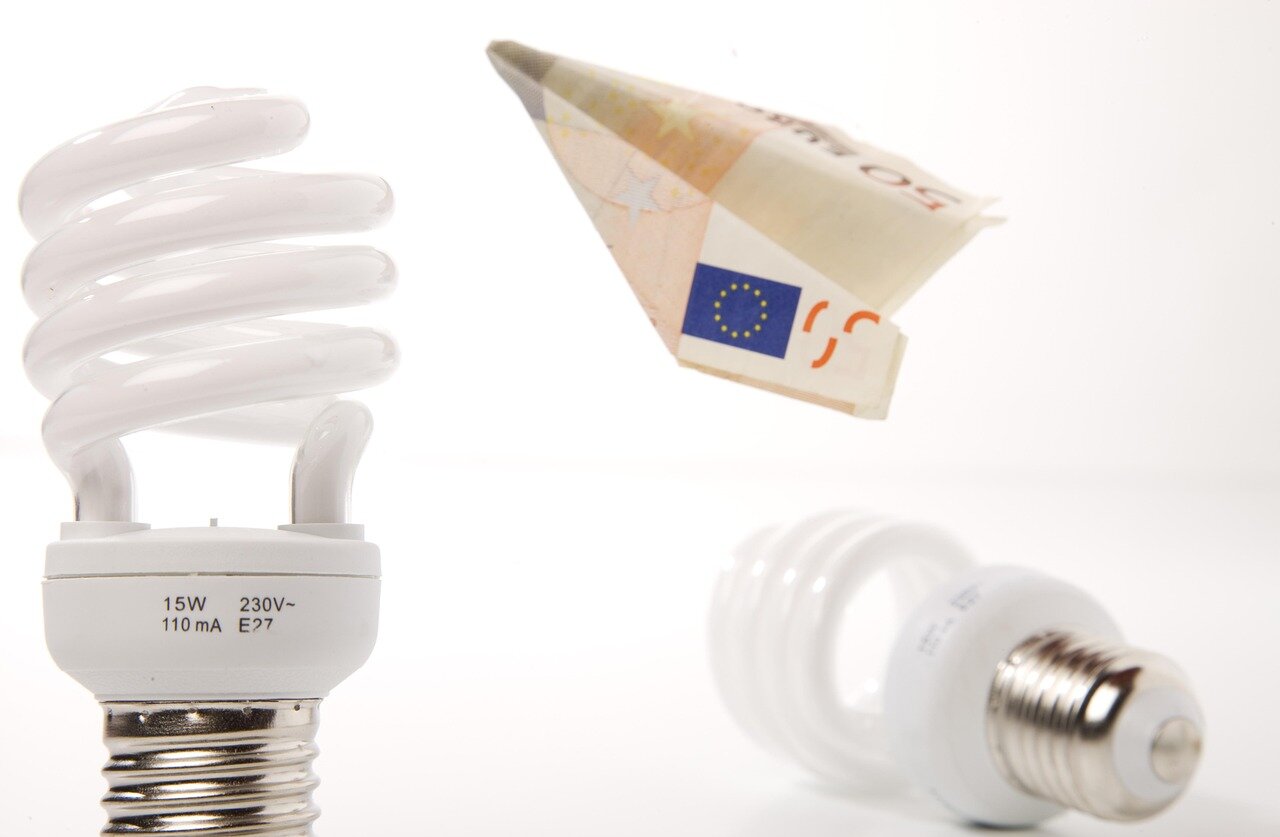
One of the primary concerns accompanying the grid upgrade is the expected rise in energy bills. Experts predict that households may see their energy costs increase as the funding required for these enhancements trickles down to consumers. This will be particularly impactful amidst the ongoing cost-of-living crisis in the UK, making it vital to explore solutions like energy-efficient technologies to mitigate the financial burden.
Comparative Analysis of Grid Enhancements
To fully assess the implications of this upgrade, it is essential to consider how it compares to previous grid enhancements in other countries. Nations such as Germany and the United States have implemented similar upgrades, typically seeing initial increases in consumer energy bills as the costs of infrastructure improvements are recovered. However, these investments often lead to long-term benefits, improving efficiency and reliability, which is a focal point of the current discussion on energy and economic strategies.
Key Lessons from International Examples
Looking at significant examples globally, many countries that have invested in their grid infrastructure saw improvements that outweighed initial price hikes. Renewable energy integration became more accessible, leading to a potential decrease in long-term energy prices. The UK may draw vital lessons from these experiences.
Adapting Strategies for Energy Management
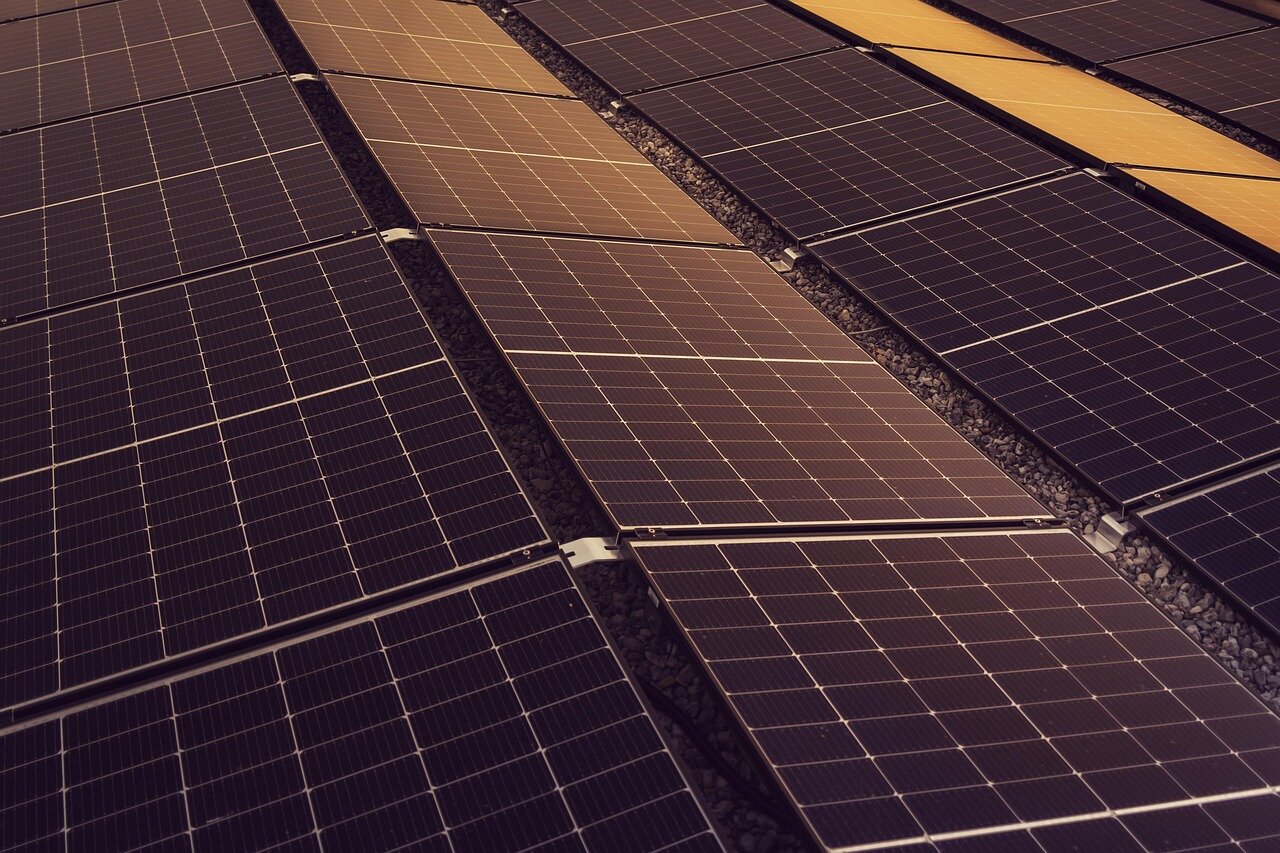
In light of the expected increase in household energy costs, it is crucial for consumers to adapt their energy consumption strategies. Homeowners may need to consider investing in energy-efficient appliances or renewable energy sources, such as solar panels, to mitigate rising bills. Some local governments are also offering support programs to assist residents in financing such energy solutions.

Awareness and Education
Public awareness campaigns can play a critical role in educating consumers about energy-saving measures and the benefits of transitioning to renewable energy sources. By understanding their energy usage, families can make informed decisions to better manage their finances in the face of rising costs.
Essential Considerations Moving Forward
As the grid enhancement progresses, various factors require careful consideration. This project will necessitate a robust regulatory framework to ensure fairness in the allocation of costs between energy providers and consumers. Electricity market reforms may also be needed to promote competition and drive innovation.

Potential Risks
Stakeholders should remain vigilant about potential risks, including the possible uneven distribution of costs among lower-income households, who may struggle to absorb the price hikes. It will be essential to monitor the economic impacts closely as upgrades proceed.
Frequently Asked Questions About the Grid Upgrade
A: The upgrade is essential to modernize aging infrastructure to handle increased electrical demand and integrate renewable energy sources.
A: Households may see an increase in energy bills as costs for the grid enhancement will likely be passed down to consumers.
A: Long-term benefits may include increased grid reliability, efficiency, and better integration of renewable energy solutions, potentially stabilizing energy prices over time.
A: Households can consider energy-saving appliances, invest in renewable energy solutions, and be mindful of their energy usage.
Future Directions for UK Energy Sector
As the grid enhancements unfold, the UK energy sector faces a pivotal moment. The balance between supporting renewable growth and managing consumer costs will shape the energy landscape for years to come. Engaging consumers and encouraging energy efficiencies will be essential as the country transitions towards a more sustainable and resilient energy future.