
The vision was presented during a town hall meeting on October 15, 2023, where local officials and community leaders gathered to discuss the future of the island. Key stakeholders, including environmental groups and business associations, were invited to contribute their insights and suggestions. This collaborative approach highlights the importance of community involvement in shaping the island’s future.
Among the primary objectives of the plan is the promotion of sustainable tourism practices, which aim to balance economic growth with environmental preservation. The proposal also emphasizes the need for improved infrastructure and public services, such as transportation and waste management, to support the island’s growing population. These elements are crucial for fostering a resilient and thriving community.
As Farnham moves forward with this vision, the success of the initiative will depend on effective implementation and ongoing engagement with residents. The commitment to transparency and accountability will be vital in ensuring that the community’s needs are met. With the right support, this ambitious plan has the potential to transform the island into a model for sustainable living.
Understanding the background of Farnham’s initiative
The ambitious vision for Farnham Island stems from a confluence of historical, political, and social factors that have shaped the region over the decades. Historically, the island has been a focal point for trade and cultural exchange, which has fostered a unique community identity. However, recent challenges, including economic downturns and environmental concerns, have prompted local leaders to rethink the island’s future direction.
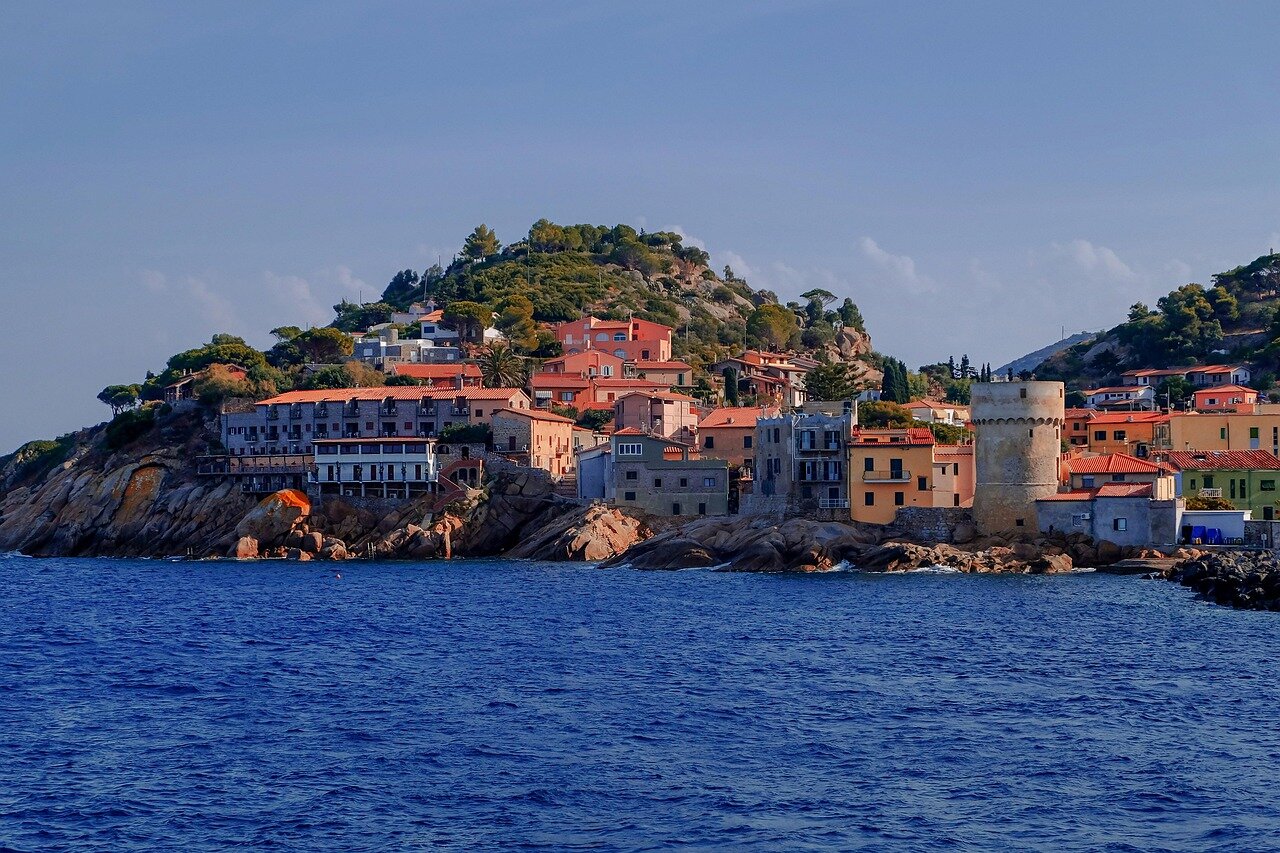
Politically, the initiative has gained traction in response to increasing demands from residents for sustainable development and improved infrastructure. The local government has faced pressure to address issues such as housing shortages and tourism management, which have been exacerbated by the island’s growing population. This has led to a series of community forums and stakeholder meetings, where citizens have voiced their aspirations for a more resilient and vibrant island.
Key milestones in Farnham’s development
Several key milestones have marked the evolution of Farnham’s approach to development. In 2010, the island underwent a significant revitalization project aimed at enhancing public spaces and local amenities. This was followed by the establishment of a community development plan in 2015, which outlined goals for sustainable growth and environmental stewardship. The recent proposal by Farnham’s leadership builds on these foundations, aiming to create a comprehensive strategy that integrates economic, social, and environmental objectives.
Economically, the island has traditionally relied on tourism and fishing, but the changing landscape has necessitated diversification. As global trends shift towards eco-tourism and sustainable practices, Farnham’s vision seeks to position the island as a leader in these areas, attracting new investments and opportunities. The integration of local businesses into the planning process has been a critical step in ensuring that the community’s needs and aspirations are met.
Socially, the initiative reflects a growing awareness of the importance of community engagement and inclusivity. By involving residents in the decision-making process, Farnham aims to foster a sense of ownership and pride among its citizens. This participatory approach is not only vital for the success of the initiative but also serves as a model for other communities facing similar challenges.
Key stakeholders involved in Farnham’s vision
The ambitious vision set forth by Farnham for the island involves a diverse array of stakeholders, each with their own interests and concerns. The primary actors include local government officials, community organizations, environmental groups, and residents. Understanding the dynamics between these stakeholders is crucial for assessing the potential impact of the proposed initiatives.

Local government officials are interested in promoting economic development and enhancing the quality of life for residents. Their focus is on creating policies that will attract investment while ensuring sustainable growth. This often leads to tensions with environmental groups who prioritize conservation and the protection of natural resources over development.
Community organizations play a vital role in representing the views of residents. They often advocate for social equity and inclusivity in the planning process, pushing for initiatives that benefit all segments of the population. However, their interests may conflict with those of developers who seek to maximize profit, leading to trade-offs that could affect the overall vision.
Key legal and economic issues also arise as Farnham’s vision unfolds. For instance, zoning laws may need to be revised to accommodate new developments, which can spark debates among stakeholders. Additionally, funding for infrastructure improvements is a significant concern, as it requires balancing public investment with private contributions.
- Local government aims for economic growth and improved public services.
- Environmental groups advocate for sustainable practices and conservation efforts.
- Community organizations seek equitable benefits for all residents.
- Developers focus on maximizing returns on investment.
- Legal frameworks may need adjustments to facilitate new projects.
Potential impacts on the local community and economy
The ambitious vision set forth by Farnham is expected to affect various groups within the local community, including residents, business owners, and local government officials. As the plan unfolds, different sectors such as tourism, real estate, and small businesses will experience both challenges and opportunities.

In the short term, residents may notice changes in their daily lives as new policies are implemented. Increased investment in infrastructure could lead to temporary disruptions, such as construction noise and traffic delays. However, these changes also promise improvements in public services and amenities, which could enhance the overall quality of life.
Mid-term impacts are likely to include a surge in local employment opportunities as new businesses emerge and existing ones expand. This growth could invigorate the local economy, attracting more visitors and potential residents. However, there are risks associated with gentrification, which could displace long-standing community members and alter the cultural fabric of the area.
- Increased tourism: The vision aims to boost tourism, potentially benefiting hospitality and retail sectors.
- Real estate development: New housing projects may lead to a rise in property values, affecting affordability.
- Job creation: New initiatives could generate jobs, particularly in construction and service industries.
- Community engagement: Opportunities for local involvement in planning processes may arise, fostering a sense of ownership.
Overall, while Farnham’s vision presents exciting possibilities for growth and revitalization, careful consideration will be necessary to balance development with the needs and concerns of the existing community. Stakeholders must work collaboratively to mitigate risks while maximizing the benefits for all involved.
A: The main goal is to create a sustainable and thriving community that addresses environmental and social challenges. A: Key stakeholders include local government officials, community leaders, and environmental organizations. A: The vision aims to enhance local businesses by promoting sustainable practices and attracting more visitors to the island. A: While specific timelines are still being developed, initial phases are expected to begin within the next year. A: Residents can participate through community meetings, feedback sessions, and volunteer opportunities related to the vision.
Frequently asked questions about Farnham’s vision
Looking ahead: key takeaways from Farnham’s ambitious plan
Farnham’s vision for the island represents a significant shift towards sustainable development and community engagement. As the plan unfolds, it will be crucial to monitor how these initiatives are implemented and the impact they have on local residents and the environment. The ambitious nature of this proposal could set a precedent for similar efforts in other regions, making it essential to consider both the challenges and opportunities that lie ahead.
Stakeholders will need to remain vigilant as the plan progresses, ensuring that the needs of the community are met while balancing growth and sustainability. Collaboration between local authorities, businesses, and residents will be key to realizing the full potential of Farnham’s vision.
- Watch for the establishment of community forums to facilitate ongoing dialogue and feedback on the plan.
- Monitor the integration of green technologies and sustainable practices in new developments.
- Assess the economic impact of the proposed changes on local businesses and job creation.
- Evaluate the effectiveness of transportation improvements in enhancing connectivity across the island.
- Consider the long-term implications for environmental conservation and local ecosystems.