
The aurora australis occurs when charged particles from the sun collide with the Earth’s magnetic field and atmosphere, creating luminous displays predominantly in polar regions. Rubio’s video, recorded during his ongoing mission aboard the ISS, highlights the dynamic nature of this celestial event, which is influenced by solar activity and Earth’s magnetic conditions. The recent increase in solar activity has led to more frequent and intense auroras, making this an opportune time for observation.
This captivating footage not only serves as a reminder of the beauty of our planet but also underscores the importance of space exploration and scientific research. By studying auroras, scientists can gain insights into the interactions between solar winds and the Earth’s magnetosphere, which have implications for satellite communications and power grid stability on Earth. As astronauts like Rubio continue to document such phenomena, they contribute to a broader understanding of our planet’s environment.
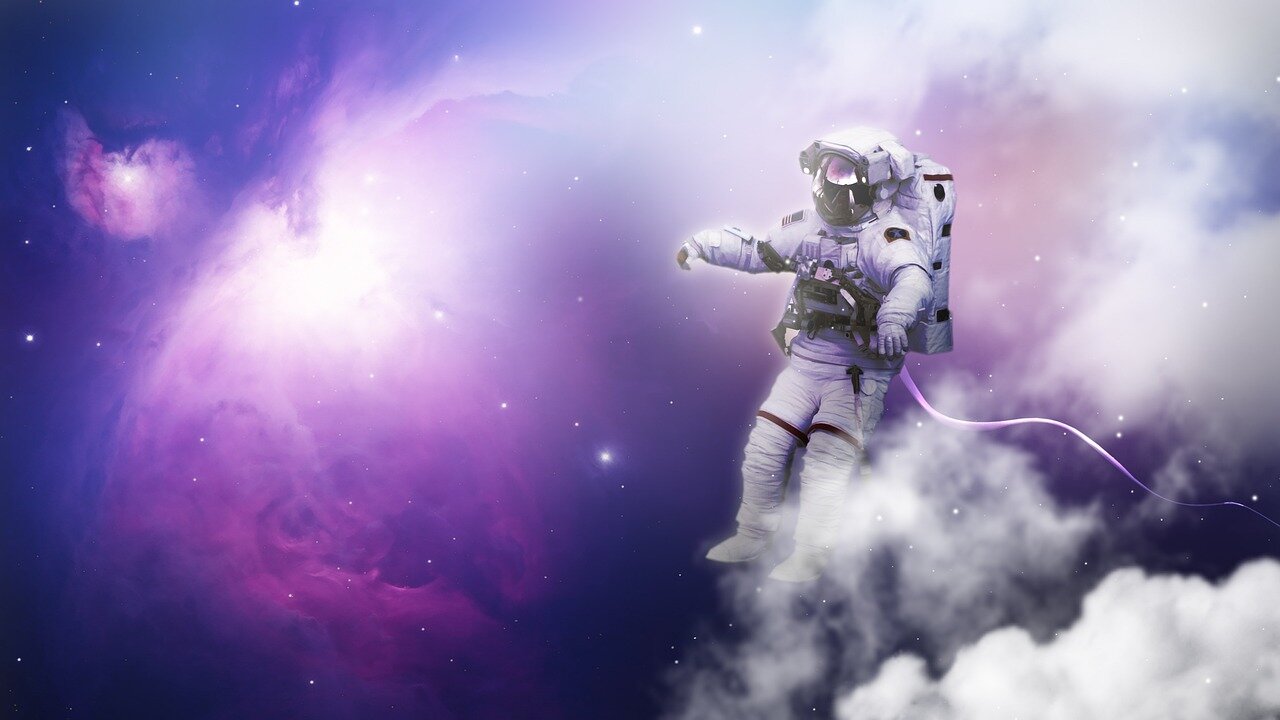
As space exploration continues to advance, the sharing of experiences and discoveries from the ISS plays a crucial role in inspiring the next generation of scientists and explorers. Rubio’s video is a testament to the wonders of our universe and the ongoing efforts of NASA to engage the public in the marvels of space science. The combination of art and science in these visuals captivates audiences and fosters a deeper appreciation for the natural world.
Understanding the aurora australis and its significance
The aurora australis, or southern lights, is a natural light display predominantly seen in high-latitude regions around the Antarctic. This stunning phenomenon occurs when charged particles from the sun collide with the Earth’s magnetic field and atmosphere, creating vibrant colors that dance across the night sky. Historically, these displays have captivated human imagination and inspired various cultural interpretations, often being linked to spiritual beliefs and folklore.
Scientific interest in the aurora australis dates back centuries, with early observations recorded by explorers and scientists in the southern hemisphere. The first documented sighting of the aurora australis was made by the British explorer James Cook during his voyages in the 18th century. Since then, advancements in technology and space exploration have allowed for a more profound understanding of the mechanisms behind this breathtaking spectacle, leading to significant developments in Earth sciences and space weather prediction.
The role of space exploration
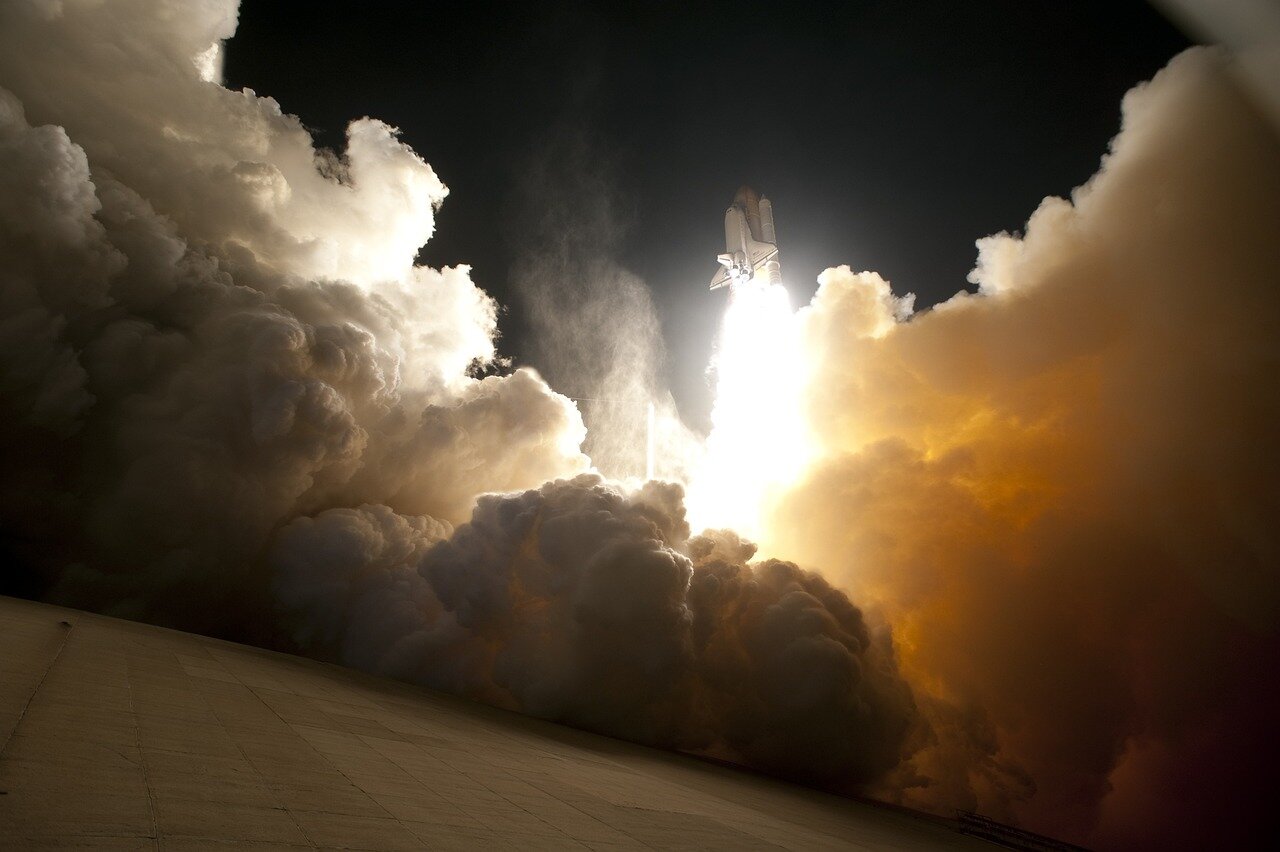
With the advent of space exploration, particularly in the 20th and 21st centuries, the study of auroras has expanded significantly. NASA and other space agencies have launched numerous missions to study the Earth’s magnetosphere and its interactions with solar winds. Astronauts aboard the International Space Station (ISS) have been able to capture stunning images and videos of the aurora australis from orbit, providing unique perspectives that enhance our understanding of this natural phenomenon.
The economic implications of studying the aurora australis are also noteworthy. Understanding space weather and its effects on satellite operations, telecommunications, and power grids can help mitigate potential disruptions. As climate change continues to impact our planet, the study of auroras may also provide insights into atmospheric changes and their broader implications for the environment.
Overall, the aurora australis serves not only as a captivating natural wonder but also as a critical subject of scientific inquiry that bridges historical exploration, modern technology, and the ongoing quest to understand our planet’s place in the universe.
Key stakeholders in space exploration and environmental awareness
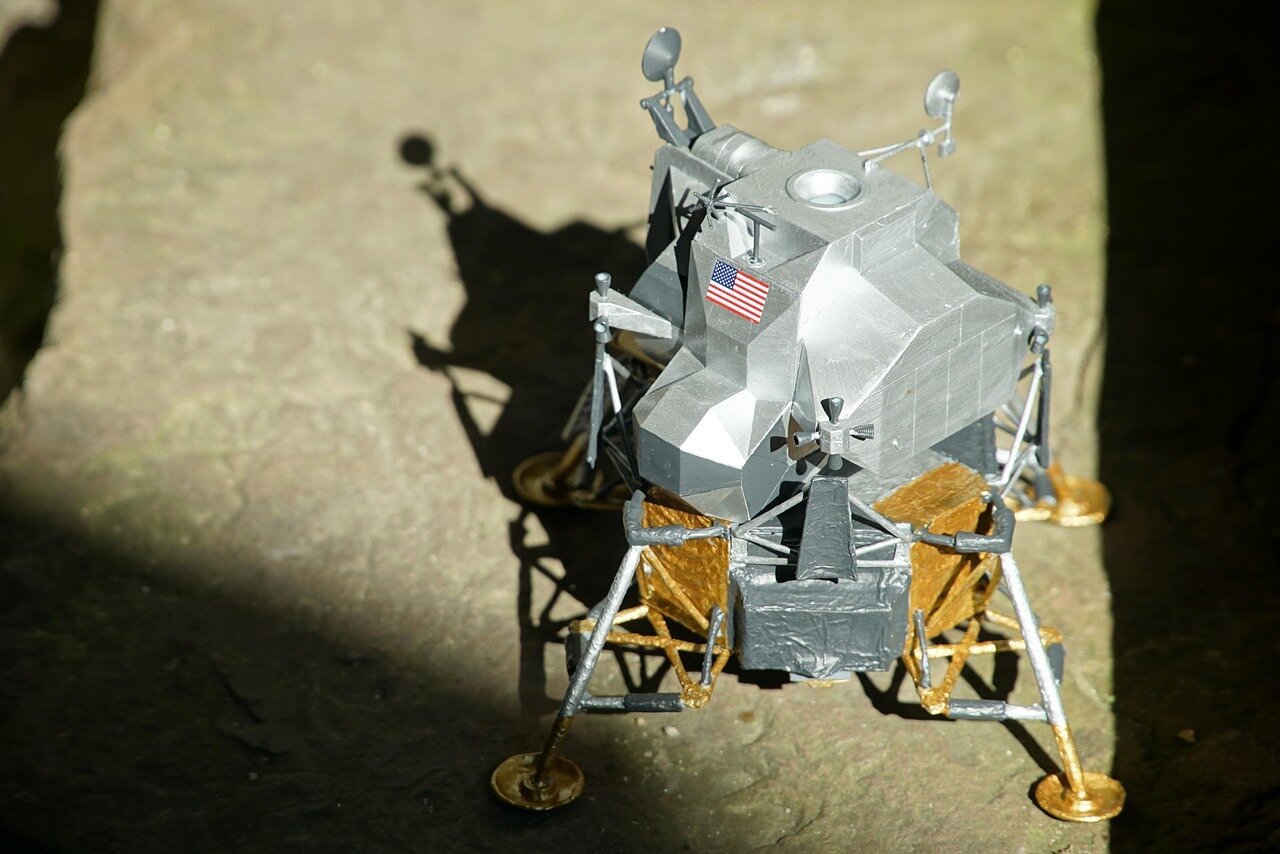
The recent video captured by a NASA astronaut showcasing the aurora australis highlights the intersection of space exploration and environmental awareness. Key stakeholders in this domain include governmental space agencies, private aerospace companies, environmental organizations, and the scientific community. Each of these actors has distinct interests that influence their perspectives on space exploration and its implications for Earth’s environment.
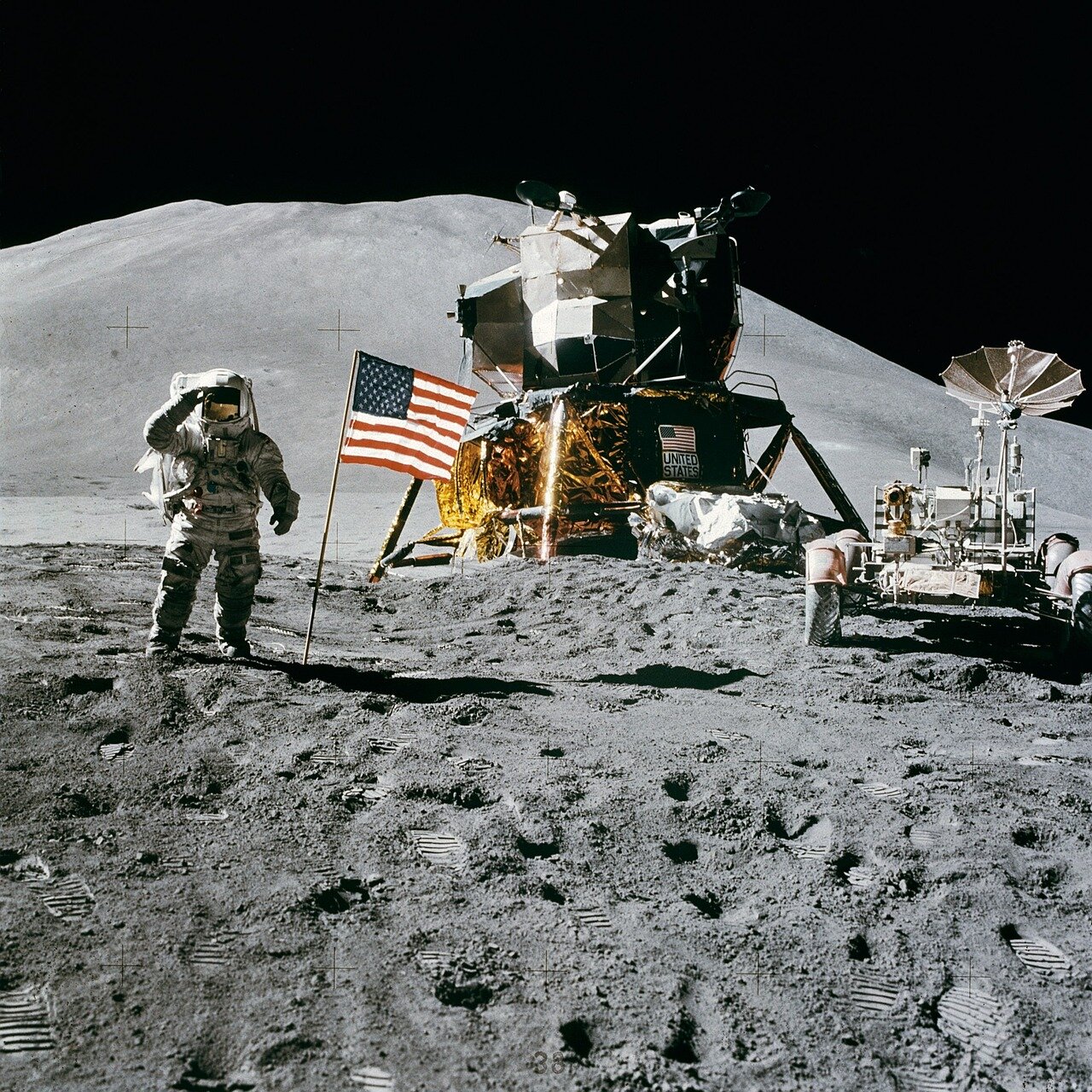
NASA, as a leading governmental space agency, plays a crucial role in advancing our understanding of Earth’s atmosphere and climate through its space missions. Their interest lies in utilizing space-based observations to monitor environmental changes and enhance global climate models. This aligns with their broader mission of promoting scientific discovery and technological innovation, which is evident in their recent works, including the Artemis program, aimed at returning humans to the Moon.
Private aerospace companies, such as SpaceX and Blue Origin, are also significant stakeholders. Their interests are primarily economic, focusing on commercial space travel and satellite deployment. While they contribute to scientific research and environmental monitoring, their profit-driven motives can sometimes conflict with environmental sustainability goals, raising concerns about the long-term impacts of increased space activity.
Environmental organizations advocate for the protection of Earth’s ecosystems and often scrutinize space exploration efforts. They highlight potential issues such as space debris, which can pose risks to both space missions and the environment. These groups may also raise concerns about the carbon footprint associated with rocket launches, emphasizing the need for sustainable practices in the aerospace industry.
- Trade-offs: Balancing scientific advancement with environmental protection.
- Conflicts: Economic interests of private companies versus ecological sustainability.
- Legal issues: Regulatory frameworks governing space activities and environmental impact assessments.
- Collaboration opportunities: Joint initiatives between governmental agencies and private sector for sustainable space exploration.
The impact of space imagery on public interest and science
The recent capture of the aurora australis by a NASA astronaut has sparked renewed interest in space imagery, affecting various groups and industries. Educational institutions, environmental organizations, and the tourism sector are among those impacted, as the stunning visuals inspire curiosity and engagement with scientific phenomena.
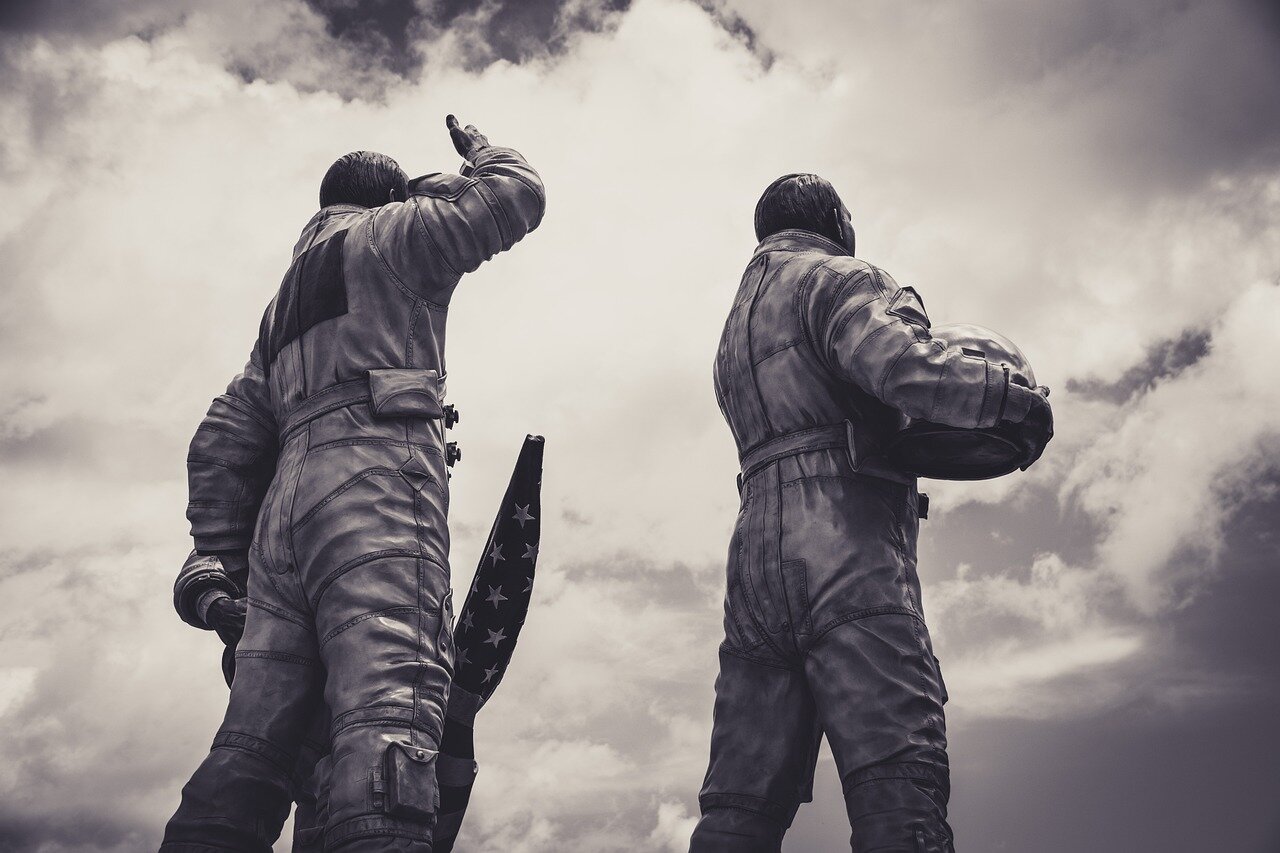
In the short term, increased public interest in space imagery can lead to a surge in educational programs and outreach initiatives. Schools and universities may incorporate more astronomy and environmental science into their curricula, fostering a new generation of scientists and enthusiasts. Additionally, businesses in the tourism industry could see a rise in demand for space-related experiences, such as aurora viewing tours and planetarium visits.
Mid-term impacts may include shifts in policy as governments recognize the importance of funding for space exploration and scientific research. This could lead to increased investment in space agencies and collaborations between countries, promoting international partnerships in scientific endeavors. However, there are also risks involved, such as the potential for misinformation regarding space phenomena to spread, which could undermine public trust in scientific institutions.
- Education: Enhanced focus on STEM fields in schools.
- Tourism: Growth in aurora-related travel and activities.
- Policy: Increased funding for space exploration and research.
- Misinformation: Risks of public misunderstanding of scientific concepts.
Overall, while the captivating images of the aurora australis present opportunities for engagement and education, they also highlight the need for responsible communication and policy development to harness the benefits of public interest in space science.
Frequently asked questions about auroras and space
A: The aurora australis is caused by charged particles from the sun colliding with Earth’s atmosphere, creating stunning light displays.
A: NASA uses high-resolution cameras on the International Space Station to capture images and videos of auroras from space.
A: The aurora australis is primarily visible in high southern latitudes, particularly in places like Antarctica and parts of Australia.
A: Auroras can occur at any time, but they are more frequent during periods of high solar activity, such as solar flares.
A: The aurora australis occurs in the southern hemisphere, while the aurora borealis occurs in the northern hemisphere, both resulting from the same solar phenomena.
Key insights and future outlook on auroras from space
The stunning visuals captured by NASA astronaut showcasing the aurora australis from the International Space Station highlight not only the beauty of our planet but also the scientific significance of such phenomena. These natural light displays are a direct result of solar activity and serve as a reminder of the intricate connection between the sun and Earth’s magnetic field. As technology advances, the ability to monitor and study these events from space provides valuable data that can enhance our understanding of space weather and its potential impacts on satellite operations and communication systems.
Looking ahead, the continued observation of auroras from space will likely offer new insights into atmospheric science and climate change. As researchers analyze these stunning displays, they may uncover patterns that could inform future predictions about solar storms and their effects on Earth. The interplay between solar activity and atmospheric phenomena remains a crucial area of study, emphasizing the importance of ongoing exploration and observation from above.
- Enhanced Monitoring: Continued advancements in satellite technology will improve our ability to monitor auroras and solar activity in real-time.
- Climate Insights: Studying auroras may reveal important connections to climate patterns and atmospheric changes on Earth.
- Space Weather Preparedness: Increased understanding of auroras can lead to better preparedness for solar storms that may disrupt communication and navigation systems.
- Public Engagement: Stunning visuals of auroras can help raise public interest in space science and environmental issues.