
The National Park Service reported that the algae bloom was first noted in mid-July 2023, coinciding with a period of unusually high temperatures in the region. Algae thrive in warm water, and the current conditions have created an ideal environment for their rapid growth.
This situation raises concerns about water quality and the ecological balance of the area. Algae blooms can deplete oxygen levels in the water, potentially harming aquatic life and affecting the overall health of the ecosystem. Local officials are monitoring the situation closely to assess any potential impacts.
Visitors to the National Mall have expressed mixed reactions, with some finding the sight unsettling while others are intrigued by the natural phenomenon. The park service continues to educate the public about the causes and effects of algae growth, emphasizing the importance of preserving the Reflecting Pool’s historical and environmental significance.
Understanding the conditions that lead to algae blooms
Algae blooms have long been a recurring issue in urban water bodies, particularly in the reflecting pool of the National Mall in Washington, D.C. These blooms occur when environmental conditions favor rapid growth of algae, often triggered by excess nutrients, particularly nitrogen and phosphorus, entering the water. The historical context of water management in urban areas, coupled with changing climate conditions, has exacerbated this phenomenon.

The reflecting pool, originally designed in the 1920s as a serene body of water to reflect the Lincoln Memorial, has faced numerous algae outbreaks over the decades. The introduction of fertilizers in nearby landscapes and stormwater runoff has significantly increased nutrient levels in the pool. This has led to a series of management challenges for the National Park Service, which oversees the maintenance of the pool.
Political and Environmental Responses
In response to the recurring algae issues, various political and environmental initiatives have emerged over the years. In the 1990s, the Clean Water Act was strengthened, aiming to reduce nutrient pollution in waterways across the United States. Local advocacy groups have also pushed for better stormwater management practices to mitigate runoff, highlighting the connection between urban development and water quality.
Despite these efforts, the challenges persist due to ongoing urbanization and climate change, which contribute to warmer water temperatures and altered precipitation patterns. These factors create an environment where algae can thrive, leading to the green-tinted water that has become a familiar sight in the reflecting pool. Understanding this complex interplay of historical, political, and environmental factors is crucial for addressing the algae problem effectively.
As the situation evolves, it serves as a reminder of the broader implications of human activity on natural ecosystems and the need for sustainable practices to protect vital water resources in urban areas.
Key stakeholders and their concerns regarding the algae issue
The issue of algae blooming in the Reflecting Pool has drawn attention from various stakeholders, each with unique interests and concerns. These include local government officials, environmental advocacy groups, tourists, and scientists studying aquatic ecosystems. Understanding their perspectives is crucial for addressing the broader implications of the algae problem.

Local government officials are primarily concerned with public health and safety. Algae blooms can produce toxins that pose risks to visitors and the surrounding ecosystem. Their interest lies in ensuring that the Reflecting Pool remains a safe and appealing destination for tourists. This often leads to a conflict between maintaining natural beauty and addressing ecological health.
Environmental advocacy groups emphasize the ecological impacts of algae growth, which can indicate underlying issues such as nutrient pollution. They argue that addressing the root causes, such as runoff from urban areas, is essential for long-term sustainability. These organizations often push for stricter regulations on pollutants, which can create tension with local businesses and developers who may face increased costs.
- Public Health Concerns: The potential toxicity of algae blooms raises alarms for the safety of visitors.
- Ecological Balance: Advocates stress the need to address nutrient pollution to restore ecosystem health.
- Economic Impact: Local businesses may fear that health warnings could deter tourism and affect their revenues.
- Regulatory Challenges: Striking a balance between environmental regulations and economic growth presents a significant dilemma.
- Scientific Research: Ongoing studies aim to understand the dynamics of algae growth and its implications for water quality.
Scientists and researchers play a critical role in this discussion by providing data and insights into the causes and consequences of algae blooms. Their findings can inform policy decisions but may sometimes conflict with the interests of local businesses and government priorities. As such, their work highlights the need for a collaborative approach to managing the Reflecting Pool’s health while balancing economic interests.
Who is affected by the algae growth in the Reflecting Pool
The recent algae bloom in the Reflecting Pool has raised concerns among various stakeholders, including local government officials, environmentalists, tourists, and nearby businesses. This phenomenon not only affects the aesthetic appeal of a significant landmark but also has broader implications for public health and environmental policy.
In the short term, tourists visiting the National Mall may be deterred by the discolored water, impacting local businesses that rely on foot traffic. Restaurants, souvenir shops, and tour operators could see a decline in revenue as visitors seek alternative attractions. Additionally, the algae growth could prompt local authorities to implement temporary closures or restrictions around the Reflecting Pool, further affecting tourism.

In the mid-term, the algae bloom may lead to increased scrutiny and potential changes in environmental regulations. Policymakers might be compelled to address water quality issues, which could result in stricter guidelines for runoff management and nutrient pollution. This could have a ripple effect on industries such as agriculture and construction, which may need to adapt their practices to comply with new regulations.
Despite the challenges posed by the algae growth, there are potential opportunities as well. The situation could catalyze investment in green technologies aimed at improving water quality and sustainability. For example, companies specializing in algae management and water filtration systems may find new markets as cities seek solutions to prevent future blooms.
- Tourism decline affecting local businesses
- Increased regulatory scrutiny on water quality
- Potential investment in green technologies
- Public health concerns regarding water safety
A: Algae growth is typically caused by warm temperatures, sunlight, and nutrient runoff, particularly phosphorus and nitrogen, which create ideal conditions for blooms. A: While the green color itself is not harmful, excessive algae can deplete oxygen levels in the water, affecting aquatic life and overall water quality. A: Algae blooms in the Reflecting Pool have been observed periodically, often during warmer months when conditions are favorable for growth. A: Authorities are monitoring water quality and may implement measures such as reducing nutrient runoff and increasing water circulation to mitigate algae growth. A: It is generally advised to avoid swimming in the Reflecting Pool during algae blooms due to potential health risks associated with contaminated water.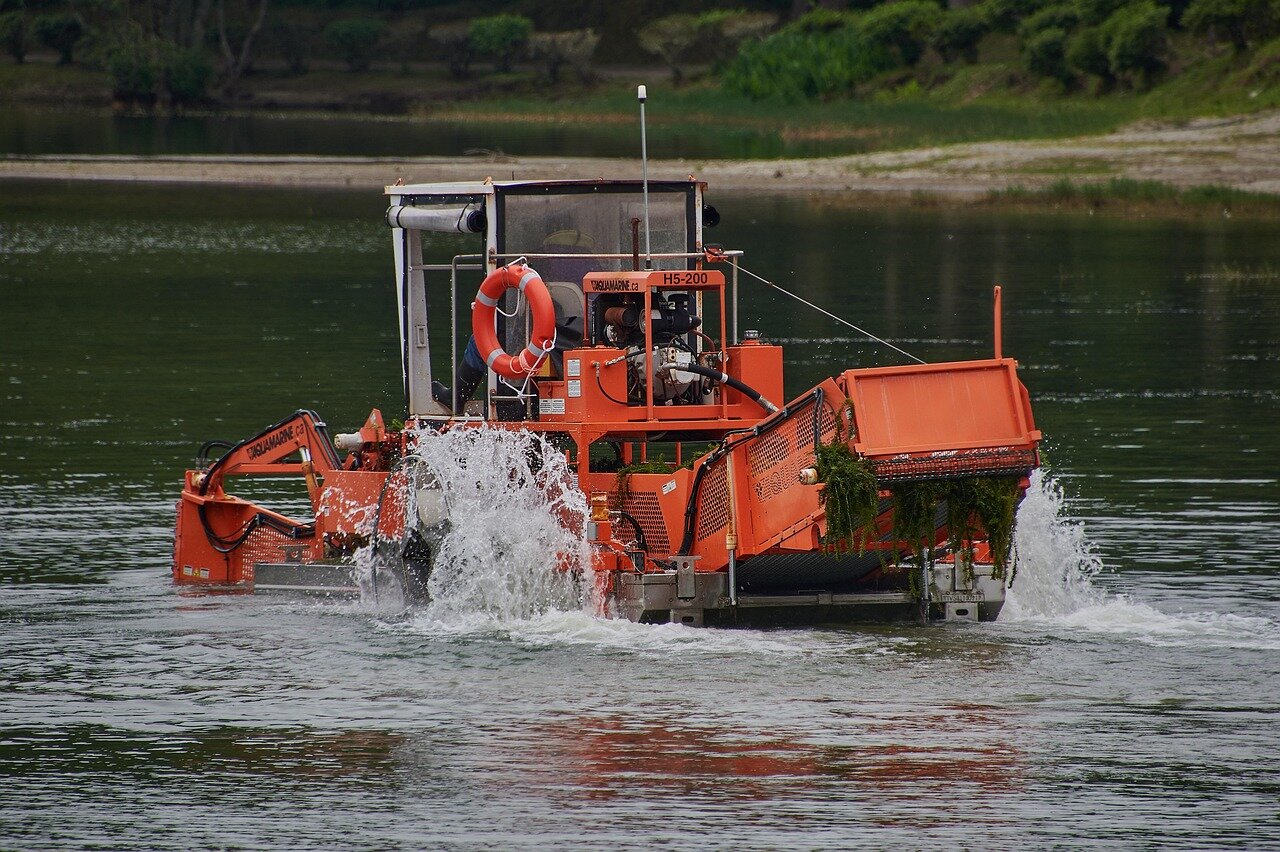
Frequently Asked Questions about the algae in the Reflecting Pool
Looking ahead: implications of algae growth for the Reflecting Pool
The recurring phenomenon of algae turning the Reflecting Pool green highlights ongoing environmental challenges and raises important questions about water management in urban settings. As climate change continues to impact ecosystems, the presence of algae serves as a reminder of the delicate balance required to maintain public spaces while addressing ecological health. The situation calls for a multifaceted approach that considers both aesthetic values and environmental sustainability.
Monitoring the growth of algae in the Reflecting Pool may provide insights into broader ecological trends, particularly in urban waterways. Stakeholders must remain vigilant and proactive in implementing strategies that mitigate the factors contributing to algal blooms, ensuring that the Reflecting Pool remains a symbol of beauty and tranquility in the heart of the city.
- Increased Monitoring: Regular assessments of water quality will be essential to track changes in algal growth and identify potential triggers.
- Public Awareness Campaigns: Educating the public about the causes and impacts of algae blooms can foster community involvement in preservation efforts.
- Innovative Solutions: Exploring new technologies and methods for water management may help control algae proliferation while enhancing the pool’s aesthetic appeal.
- Collaboration with Experts: Engaging environmental scientists and ecologists can provide valuable insights into sustainable practices for maintaining urban water bodies.
- Long-term Environmental Strategies: Developing comprehensive plans that address pollution and runoff will be crucial for preventing future blooms and preserving the Reflecting Pool.