
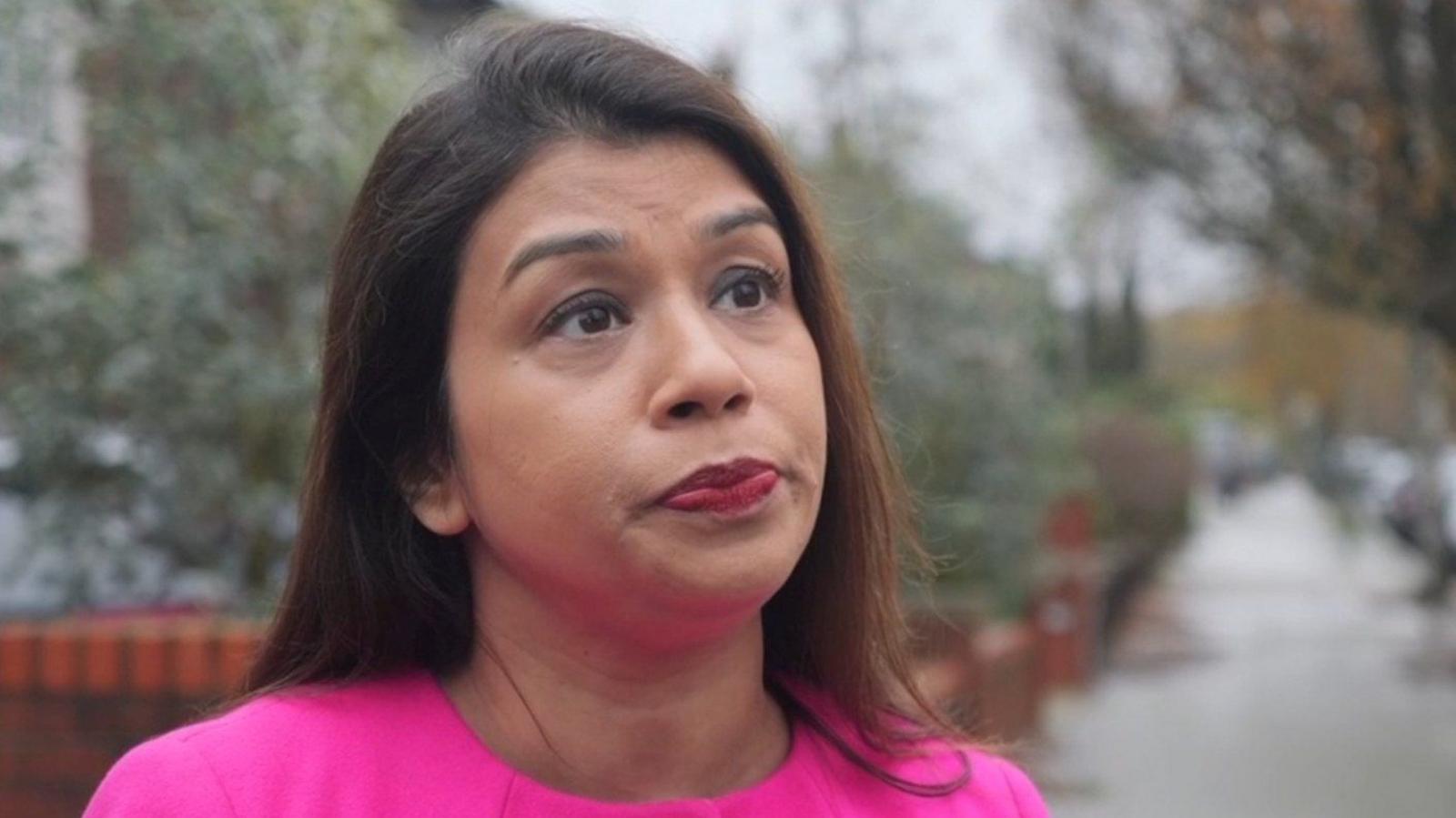
The Context and Implications of the Case
To better understand this situation, it is essential to delve into the circumstances surrounding the trial and its implications on Siddiq’s political career and public image. The trial reportedly involved allegations that Siddiq contended were politically motivated, which can draw parallels with the challenges faced in nations navigating political tensions.
Understanding the Background of the Charges
The charges against Tulip Siddiq stem from her involvement in various political activities in Bangladesh, where her family has a storied political history. It has been suggested that the trial may have been an attempt to curtail her influence as a rising political figure.

The Absence from Trial and Its Consequences
One of the most significant aspects of this case is that Siddiq was tried in her absence. Critics argue that this undermines the fairness of the trial process, questioning how one can effectively defend themselves when not present to challenge the allegations made against them. This absence may further complicate her ability to appeal or contest the verdict.
Comparative Analysis of Judicial Proceedings
In light of Siddiq’s case, it becomes crucial to compare the judicial proceedings in Bangladesh with those in other countries, particularly within Europe and North America, where legal frameworks often prioritize the rights of defendants. This comparison can provide valuable insight into cases like Graham Linehan’s that deal with similar legal principles.
Judicial Standards in Bangladesh Versus the UK
Many legal experts have pointed out the stark differences in how judicial systems operate. In the UK, for example, defendants are entitled to a fair trial, which includes the right to be present during proceedings. Such protections are often less stringent in some jurisdictions within Bangladesh.

Reactions and Responses from Political Figures
The sentencing has garnered a range of reactions from political figures and activists, both in the UK and internationally. Many have expressed concern about the potential ramifications for freedom of expression and political dissent in Bangladesh.
Support from the UK Political Sphere
Several members of the UK Parliament have voiced their support for Siddiq, urging the Bangladesh government to reconsider the ruling. This developing situation adds another layer to the relationship between the UK and Bangladesh, with potential diplomatic strains arising.
International Organizations Weigh In
Human rights organizations are also taking notice, calling for international intervention and monitoring of the situation, emphasizing the need for fair legal practices in Bangladesh.

Key Considerations Moving Forward
As this situation unfolds, it is important to consider several factors that may influence Tulip Siddiq’s future, including her ability to appeal, the international response, and the political ramifications within both Bangladesh and the UK. The outcome may also resonate with discussions around issues highlighted in the article regarding transparency in legal processes.
Prospect of an Appeal
Legal experts suggest that Siddiq might pursue an appeal, but the logistics and likelihood of success remain uncertain. The evolving nature of international law may play a role in her appeal, considering legal precedents set by past cases.
Future Perspectives on Judicial Fairness
The implications of Tulip Siddiq’s sentencing extend beyond her personal situation and may influence the broader discourse on judicial fairness in countries with similar legal challenges.
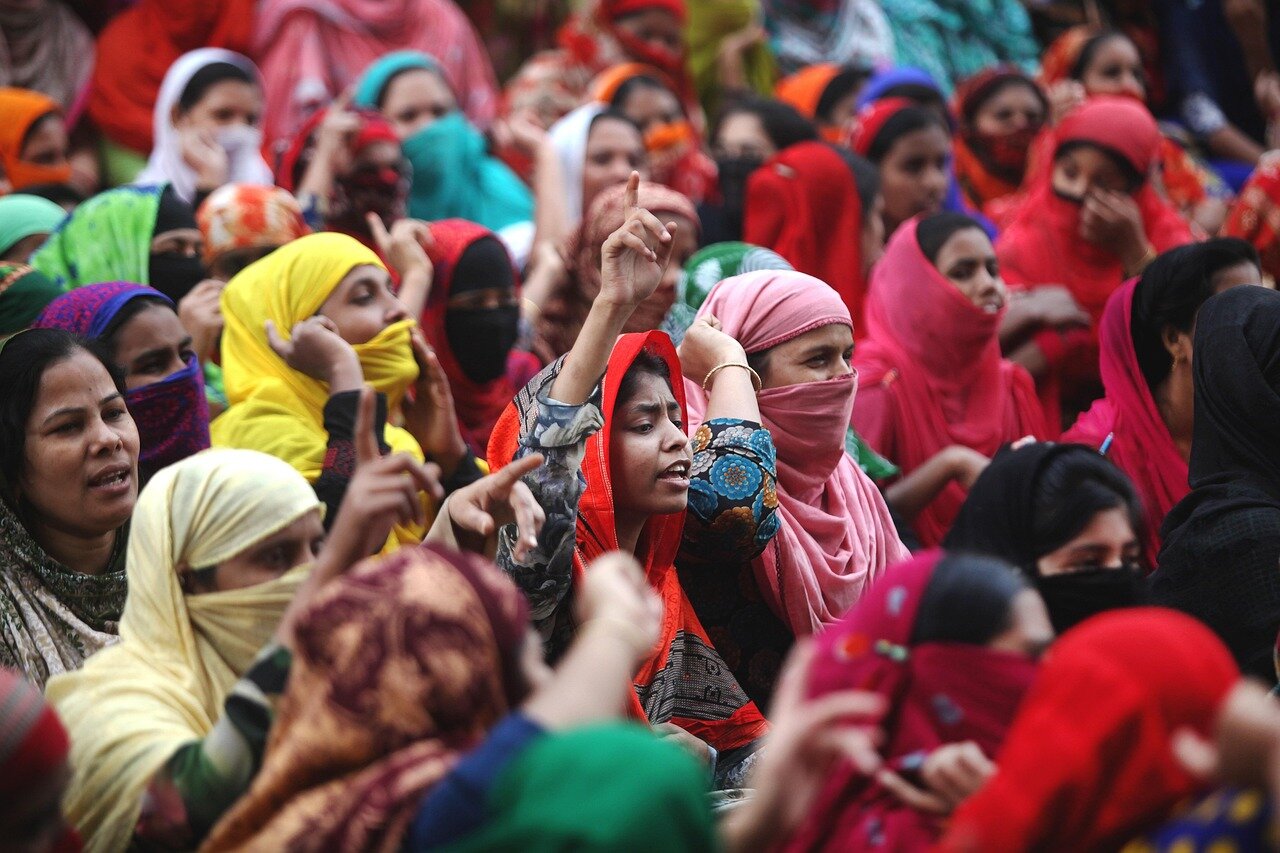
Impact on International Relations
As countries increasingly prioritize human rights in their foreign policy agendas, this case could become a significant touchpoint in discussions about legal practices and international relations. Diplomatic channels may be tested as international observers advocate for accountability.
Insights and Observations on Judicial Proceedings
Frequently Asked Questions Regarding the Case of Tulip Siddiq
A: The charges involve allegations that many consider politically motivated due to her family’s political history in Bangladesh.
A: Reports indicate that Siddiq was unable to attend the trial, which raises questions about the fairness of the proceedings.
A: This ruling could strain UK-Bangladesh relations, especially regarding concerns over human rights and judicial fairness.