
Among the highlights is the much-anticipated revival of “West Side Story,” which opens on July 15 at the Lyric Theatre in New York. Featuring a talented cast, including Tony Award winner Ariana DeBose, this production promises to bring a fresh perspective to the beloved musical. Additionally, the Chicago Shakespeare Theater will present “Hamlet” starting August 1, with an innovative staging that aims to engage younger audiences.
In London, the National Theatre is hosting a new adaptation of “The Crucible,” which begins performances on July 20. This version, directed by acclaimed director Ivo van Hove, has already generated buzz for its modern interpretation of Arthur Miller’s classic play. Tickets are selling quickly, reflecting the high demand for compelling theater experiences this summer.
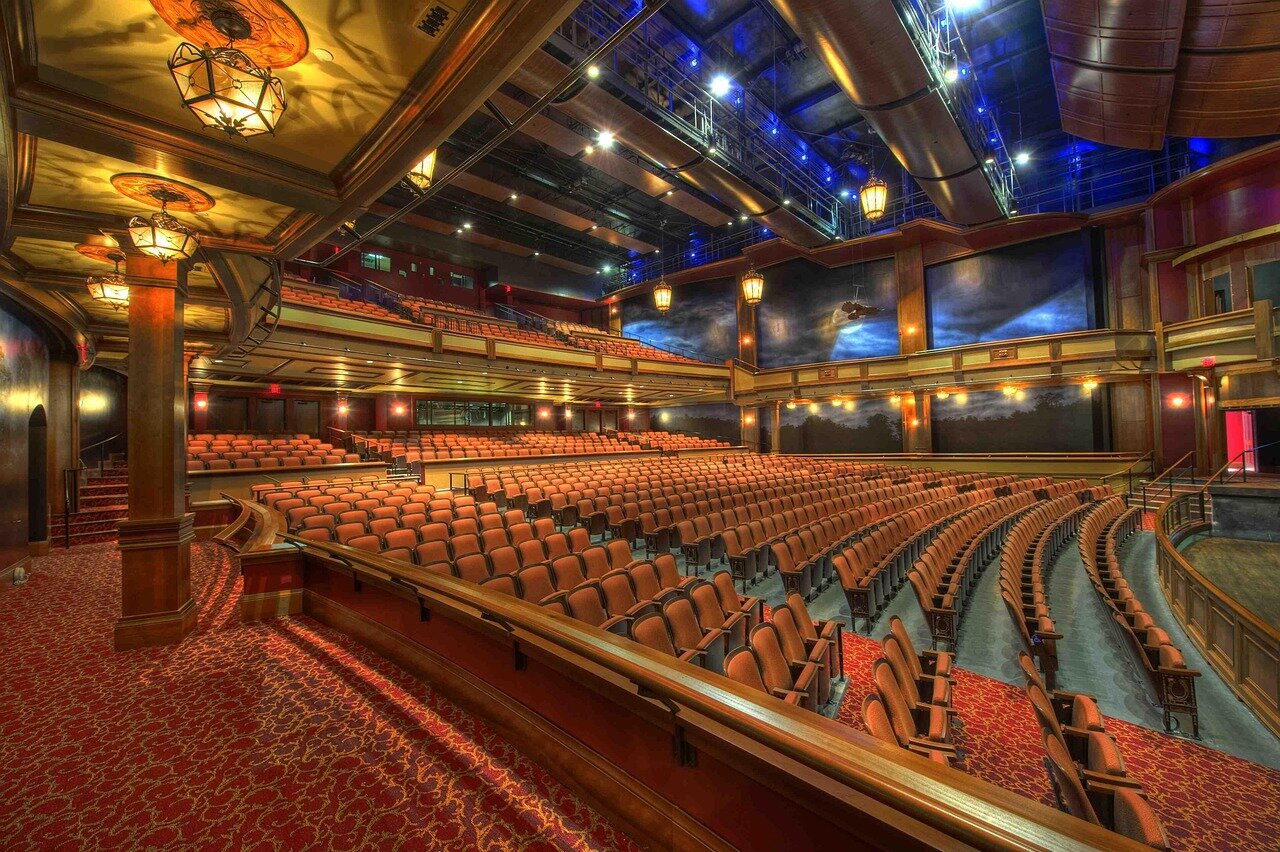
Furthermore, outdoor theater festivals are gaining popularity, with events like the Shakespeare in the Park series in New York City running from June through August. These performances not only offer free access to high-quality productions but also foster community engagement and appreciation for the arts. As the summer progresses, audiences can look forward to an exciting mix of traditional and innovative theatrical offerings.
The Evolution of Summer Theater Events
Summer theater has long been a cherished tradition in many cultures, evolving from informal performances in outdoor settings to professionally produced shows that attract audiences from far and wide. Historically, summer theater began as a means for communities to come together during warmer months, often featuring local talent and stories that resonated with the surrounding populace. This grassroots approach laid the foundation for what would become a vibrant and essential part of the performing arts landscape.
In the early 20th century, the advent of summer stock theater marked a significant milestone in the evolution of summer performances. These companies emerged as a way for actors, directors, and playwrights to showcase their work outside the constraints of the traditional theater season. The concept of summer stock allowed for greater artistic freedom and experimentation, leading to the introduction of innovative plays and musicals that often reflected the social and political issues of the time.

The post-World War II era saw a boom in summer theater, driven by a growing middle class and increased leisure time. This period also coincided with the rise of notable theater festivals, such as the Shakespeare Festival in Ashland, Oregon, and the Williamstown Theatre Festival in Massachusetts. These festivals not only provided a platform for established artists but also nurtured emerging talent, contributing to the rich tapestry of American theater.
The Impact of Economic Factors
As the economy fluctuated over the decades, summer theater events adapted to changing circumstances. Economic downturns often led to a decline in funding and sponsorship, forcing many theaters to be more resourceful and innovative in their programming. Conversely, periods of economic growth saw an influx of investment into the arts, allowing theaters to expand their offerings and reach wider audiences. This interplay between economic conditions and artistic expression has shaped the landscape of summer theater, making it a dynamic and ever-evolving field.
Key Players and Trends in the Summer Theater Landscape
The summer theater season brings together a diverse array of stakeholders, including theater companies, local governments, artists, and audiences. Each of these groups has distinct interests that shape the programming and success of summer productions. Theater companies aim to attract audiences and generate revenue, while local governments often see cultural events as a means to boost tourism and community engagement.
One of the primary conflicts arises from the competition for funding and resources. Many theater companies rely on grants and sponsorships, which can create a hierarchy of productions based on financial backing. This often leads to a trade-off between artistic expression and commercial viability, as companies may prioritize popular shows over experimental works that could enrich the cultural landscape.
Additionally, the economic landscape plays a critical role in shaping the summer theater scene. Rising costs associated with production, such as venue rental and labor, can strain budgets, forcing companies to make difficult decisions. The following key issues are currently influencing the summer theater environment:
- Funding Sources: The reliance on grants and sponsorships can limit artistic freedom.
- Audience Engagement: Companies must balance attracting larger audiences with maintaining artistic integrity.
- Competition for Venues: Limited availability of performance spaces can lead to scheduling conflicts.
- Economic Factors: Inflation and rising costs impact ticket prices and accessibility for audiences.
- Regulatory Challenges: Local regulations may affect production logistics and operational costs.
As the summer theater season unfolds, these dynamics will continue to shape the experiences of all involved, from creators to spectators. Understanding these key players and issues can provide valuable insights into the evolving landscape of summer theater.
Who Benefits from Summer Theater Productions?
Summer theater productions have a wide-reaching impact, affecting various groups, industries, and regions. Local communities, theater companies, and tourism sectors are among the primary beneficiaries. These productions not only provide entertainment but also stimulate economic activity, drawing in audiences from both near and far.
The hospitality industry, including hotels, restaurants, and transportation services, sees a significant boost during the summer theater season. Visitors often seek dining and accommodation options before and after performances, creating a ripple effect that can enhance local economies. Additionally, local artists and theater professionals gain opportunities for employment and exposure, which can lead to further career advancements.
However, there are risks associated with summer theater productions, particularly in terms of weather-related disruptions or public health concerns. Such challenges could lead to reduced attendance, impacting revenue for both theaters and local businesses. Conversely, successful productions can create a lasting positive impression, encouraging repeat visits and fostering a vibrant cultural scene.

- Short-term impacts: Increased foot traffic and sales for local businesses.
- Mid-term impacts: Potential for growth in tourism and cultural investment.
- Risks: Weather disruptions and public health issues affecting attendance.
- Opportunities: Enhanced community engagement and promotion of local talent.
As summer theater productions unfold, they have the potential to transform the cultural landscape while also posing challenges that stakeholders must navigate. The balance between risk and opportunity will shape the future of these essential community events.
A: This summer, audiences can look forward to a variety of performances including musicals, plays, and experimental theater, showcasing both classic and contemporary works. A: Yes, many theaters are hosting outdoor performances to take advantage of the warm weather, providing a unique experience for attendees. A: Tickets can typically be purchased through the theater’s official website or at the box office. It’s advisable to book in advance due to high demand. A: Theaters are implementing various safety protocols, including limited seating, mask requirements, and enhanced sanitation practices to ensure audience safety. A: Yes, several theaters are debuting new works and revivals of popular shows, making this summer an exciting time for theater enthusiasts.
Frequently Asked Questions About Summer Theater
Looking Ahead: The Future of Summer Theater
As summer approaches, the theater landscape is poised for a dynamic season filled with a diverse array of performances. Audiences can expect a blend of classic revivals, innovative new works, and immersive experiences that challenge traditional storytelling. The emphasis on inclusivity and representation is likely to shape productions, drawing in a wider range of participants and spectators alike.
Additionally, the integration of technology in performances may enhance audience engagement, creating a more interactive and memorable experience. As theaters adapt to changing audience preferences, the summer season will serve as a crucial indicator of the industry’s resilience and creativity in the face of ongoing challenges.
- Watch for a surge in productions that highlight underrepresented voices, reflecting broader societal changes.
- Expect innovative uses of technology, such as augmented reality, to enhance storytelling and audience interaction.
- Keep an eye on community engagement initiatives that seek to bring theater to a wider audience.
- Observe how theaters balance traditional formats with fresh, experimental approaches to attract diverse demographics.
- Monitor the response to outdoor performances, which may continue to be popular as venues seek to create safer environments.