
Countries like India, Indonesia, and Brazil are leading the charge in mangrove restoration. For instance, in 2020, India launched a project to restore 26,000 hectares of mangroves along its coastline, aiming to enhance biodiversity and provide livelihoods for local communities. You can learn more about how mangrove forests are recovering from years of human impact here.
Community involvement has proven crucial in these restoration efforts. In many regions, local populations are actively participating in planting and maintaining mangrove seedlings, fostering a sense of ownership and stewardship. This grassroots involvement not only aids in the recovery of these vital ecosystems but also empowers communities economically and socially.
The recovery of mangrove forests is not just an environmental issue; it has significant implications for climate change mitigation. Research indicates that healthy mangrove ecosystems can store up to four times more carbon than terrestrial forests. As the world grapples with rising sea levels and extreme weather events, the restoration of mangroves is becoming increasingly recognized as a critical strategy for enhancing coastal resilience.
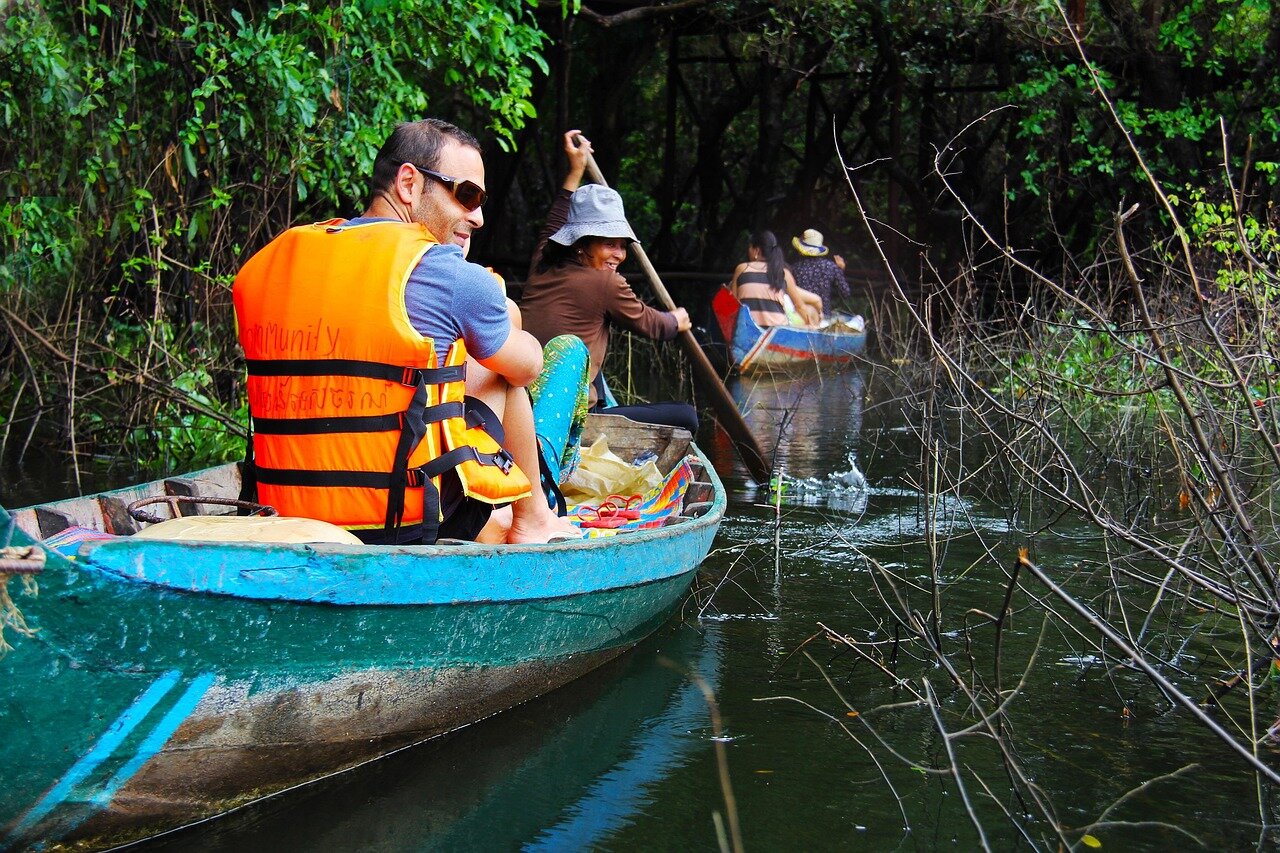
Understanding the historical destruction of mangrove ecosystems
Mangrove forests, which serve as vital coastal ecosystems, have faced significant destruction over the past few decades due to a combination of human activities and natural disasters. Historically, these unique forests have been cleared for agriculture, urban development, and aquaculture, leading to a drastic reduction in their coverage worldwide. According to the World Bank, approximately 35% of the world’s mangroves have been lost since the 1980s, primarily in tropical regions where economic development has taken precedence over environmental conservation. This urgent need for recovery highlights the importance of global initiatives focused on restoration.
The political landscape has also played a crucial role in the degradation of mangrove ecosystems. In many countries, weak environmental regulations and inadequate enforcement have allowed for unchecked exploitation of these forests. Additionally, the prioritization of economic growth often overshadows conservation efforts, leading to policies that favor short-term gains over long-term ecological sustainability. This has resulted in a cycle of destruction that has not only harmed the mangroves but also the communities that rely on them for their livelihoods.
Social factors contribute to the plight of mangrove forests as well. Coastal communities, often impoverished and lacking alternative sources of income, have turned to mangrove deforestation as a means of survival. The demand for shrimp farming, in particular, has led to large-scale clearing of mangrove areas, as these ecosystems are often converted into shrimp ponds. To understand the complex dynamics of economic pressure on these vital resources, one can explore various aspects such as the ongoing *impact of development on local ecosystems* at the intersection of conservation efforts.
Key milestones in mangrove conservation
Despite the extensive destruction, there have been significant milestones in the global effort to restore mangrove ecosystems. In 2015, the United Nations adopted the Sustainable Development Goals (SDGs), which include targets for protecting coastal and marine ecosystems. This global commitment has spurred numerous initiatives aimed at restoring mangroves through replanting and sustainable management practices. Additionally, local communities have increasingly recognized the value of mangroves, leading to grassroots movements that advocate for their protection and restoration, highlighting a shift towards more sustainable practices and policies.

Key stakeholders involved in mangrove restoration efforts
Mangrove forests, once heavily exploited for timber, agriculture, and urban development, are experiencing a resurgence thanks to the collaborative efforts of various stakeholders. These actors include local communities, environmental organizations, governments, and private enterprises, each with unique interests and motivations.
Local communities often depend on mangrove ecosystems for their livelihoods, including fishing and tourism. Their interest lies in sustainable management practices that ensure the health of these forests while supporting their economic needs. However, conflicts can arise when development projects threaten these ecosystems, leading to tensions between community interests and external investors.
Environmental organizations play a crucial role in advocating for the protection and restoration of mangrove forests. They focus on raising awareness about the ecological benefits of mangroves, such as carbon sequestration, coastal protection, and biodiversity conservation. These organizations often collaborate with local communities to implement restoration projects, but they may face challenges in securing funding and navigating legal frameworks.
Governments at various levels are key players in mangrove restoration efforts. Their interests often include balancing economic development with environmental conservation. Policymaking can be complex, as it involves addressing conflicting interests from commercial sectors, such as agriculture and tourism, which may prioritize short-term gains over long-term ecological sustainability. Effective legal frameworks and enforcement mechanisms are essential to ensure that restoration efforts are supported and maintained.
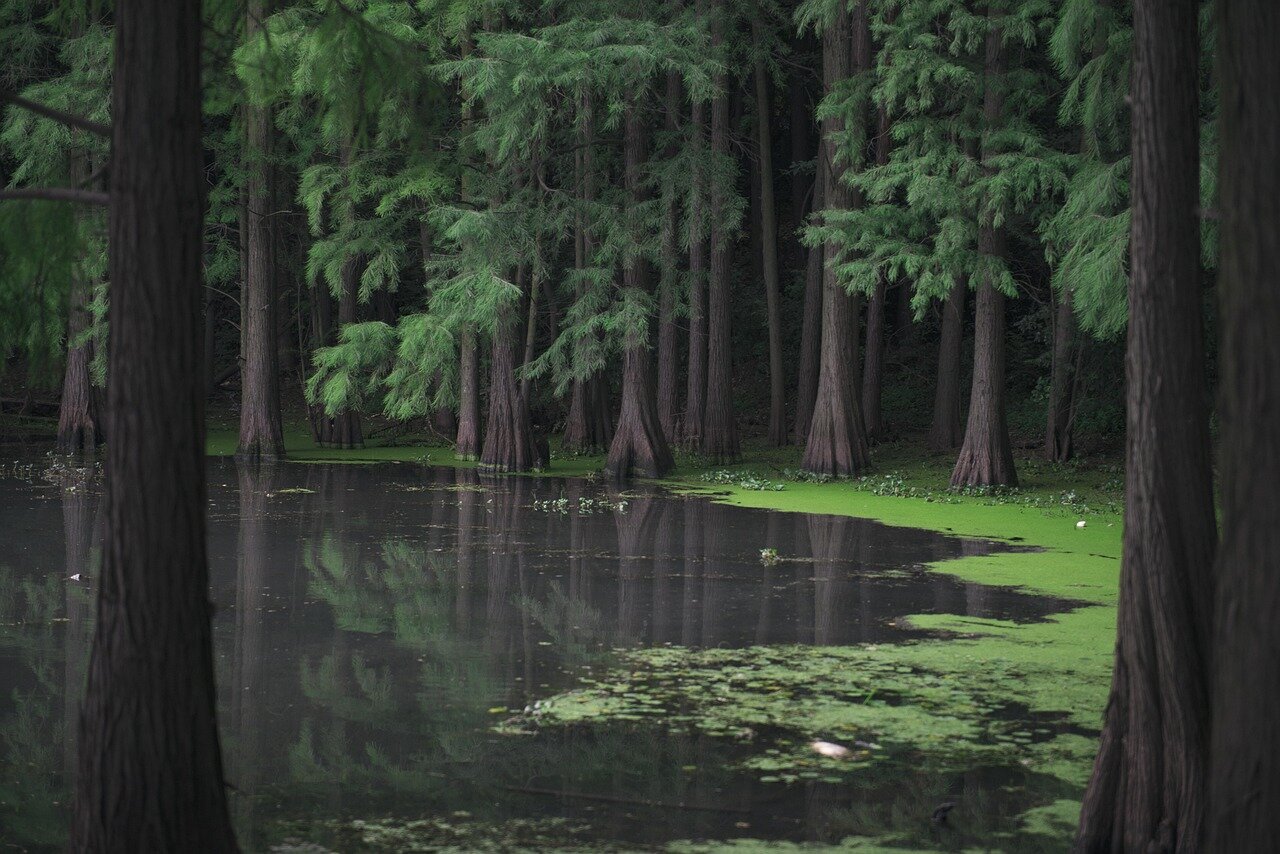
- Local communities seek sustainable livelihoods through responsible mangrove management.
- Environmental organizations advocate for the ecological importance of mangroves and seek funding for restoration projects.
- Governments aim to balance economic development with environmental protection, facing challenges in policy implementation.
- Private enterprises may invest in mangrove restoration but often prioritize immediate economic returns.
- International bodies and NGOs provide support and expertise to enhance restoration efforts globally.
The benefits of healthy mangrove forests for communities and wildlife
Mangrove forests, often referred to as the “coastal guardians,” play a crucial role in supporting various communities and industries, particularly in coastal regions. Local fishermen, tourism operators, and conservationists are among the groups that stand to benefit significantly from the restoration of these vital ecosystems. As these forests recover, they provide enhanced fish habitats, which can lead to increased catch for local fisheries, thereby boosting the livelihoods of those dependent on fishing.
The short-term impacts of healthy mangrove forests are already being felt in many coastal regions. Local economies are witnessing a revival as tourism activities centered around eco-friendly experiences gain popularity. Tour operators are increasingly offering tours that highlight the beauty and biodiversity of mangrove ecosystems, attracting visitors interested in sustainable travel. This shift not only supports local businesses but also raises awareness about the importance of conserving these environments.
In the mid-term, the restoration of mangroves presents both risks and opportunities for policy makers. On one hand, there is a risk of potential conflicts between development projects and conservation efforts, particularly in areas where land is scarce and valuable for agriculture or urban expansion. On the other hand, this situation opens up opportunities for innovative policies that promote sustainable development, such as eco-tourism initiatives and conservation incentives that can align economic growth with environmental protection.

- Enhanced biodiversity: Healthy mangroves support a variety of species, contributing to overall ecosystem resilience.
- Climate change mitigation: Restored mangroves can sequester significant amounts of carbon, helping to combat climate change.
- Improved water quality: Mangroves filter pollutants, leading to cleaner coastal waters and healthier marine life.
- Community engagement: Restoration projects can foster community involvement and stewardship, strengthening local ties.
Overall, the healing of mangrove forests is not just an environmental success story; it is a multifaceted opportunity for communities and industries to thrive together, balancing ecological health with economic development. As the forests continue to recover, the potential for sustainable practices and policies will only increase, paving the way for a more resilient future.
A: Mangrove forests have been destroyed mainly due to urban development, agriculture, and pollution. These activities have led to significant loss of habitat and biodiversity. A: Mangrove forests are healing through natural regeneration and restoration projects. Efforts include replanting native species and reducing pollution in coastal areas. A: Mangrove forests play a crucial role in coastal protection, carbon sequestration, and providing habitat for diverse marine life. They also support local economies through fisheries and tourism. A: Individuals can support conservation efforts by participating in local clean-up activities, advocating for sustainable practices, and donating to organizations focused on mangrove restoration.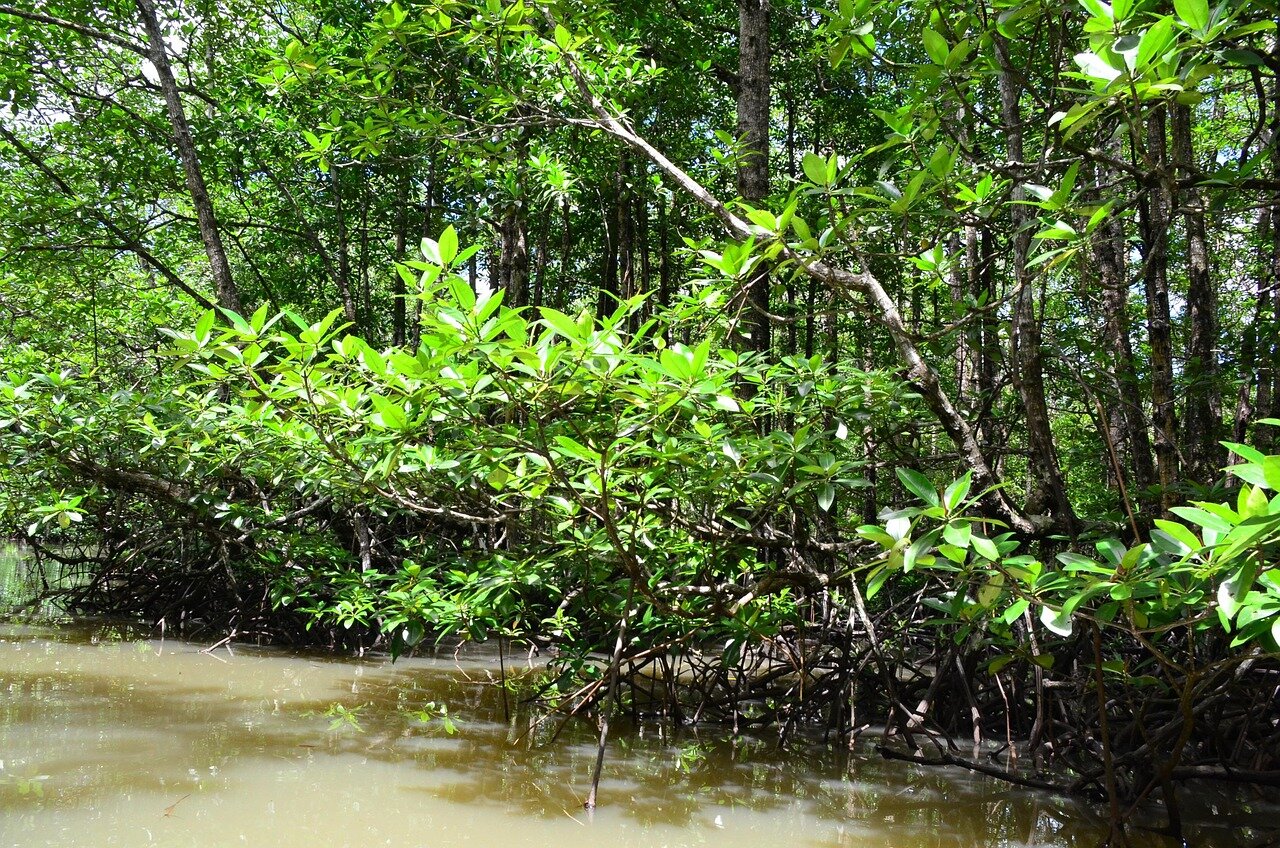
Frequently asked questions about mangrove recovery
Future outlook on mangrove forest restoration and preservation
The resurgence of mangrove forests after years of degradation highlights the resilience of these ecosystems and the potential for successful restoration efforts. As communities and governments increasingly recognize the critical role mangroves play in carbon sequestration, biodiversity support, and coastal protection, the momentum for conservation initiatives is building. This positive trend signifies a shift towards more sustainable practices that prioritize environmental health alongside economic development.
Looking ahead, the continued recovery of mangrove forests will depend on collaborative efforts among stakeholders, including local communities, environmental organizations, and policymakers. By focusing on integrated management strategies and sustainable land-use practices, there is a significant opportunity to enhance the ecological and socio-economic benefits provided by these vital ecosystems.
- Community engagement is essential: Involving local populations in restoration projects fosters stewardship and ensures that conservation efforts align with their needs and knowledge.
- Policy frameworks must evolve: Governments should implement and enforce policies that protect mangrove areas from development pressures while promoting sustainable use.
- Investment in research and monitoring: Continued scientific study of mangrove ecosystems will aid in understanding their recovery dynamics and inform best practices for restoration.
- Climate change adaptation: Restored mangroves can serve as natural buffers against climate-related impacts, highlighting the need for their integration into broader climate action plans.
- Global collaboration is key: International partnerships focused on mangrove conservation can amplify efforts, sharing knowledge and resources to tackle challenges effectively.