
Efforts to manage the outbreak have included public health campaigns aimed at educating communities about prevention measures. Health authorities have distributed informational materials highlighting the importance of rodent control and hygiene practices, similar to the comprehensive approach taken in the Ebola outbreak. These initiatives have been essential in mitigating the spread of the virus, especially in areas experiencing outbreaks.
Despite these efforts, experts warn that the threat is not over. Seasonal changes, particularly the onset of winter, could lead to increased rodent activity as they seek shelter indoors. This potential for higher transmission rates underscores the need for continued vigilance and proactive measures from both health authorities and the public.

The response to the outbreak has involved collaboration among various stakeholders, including local governments, healthcare providers, and community organizations. This multi-faceted approach has been crucial in addressing the immediate health concerns while preparing for any future spikes in cases. Ongoing surveillance and research are necessary to fully understand the virus and its impact on public health.
Understanding the background of hantavirus and its transmission
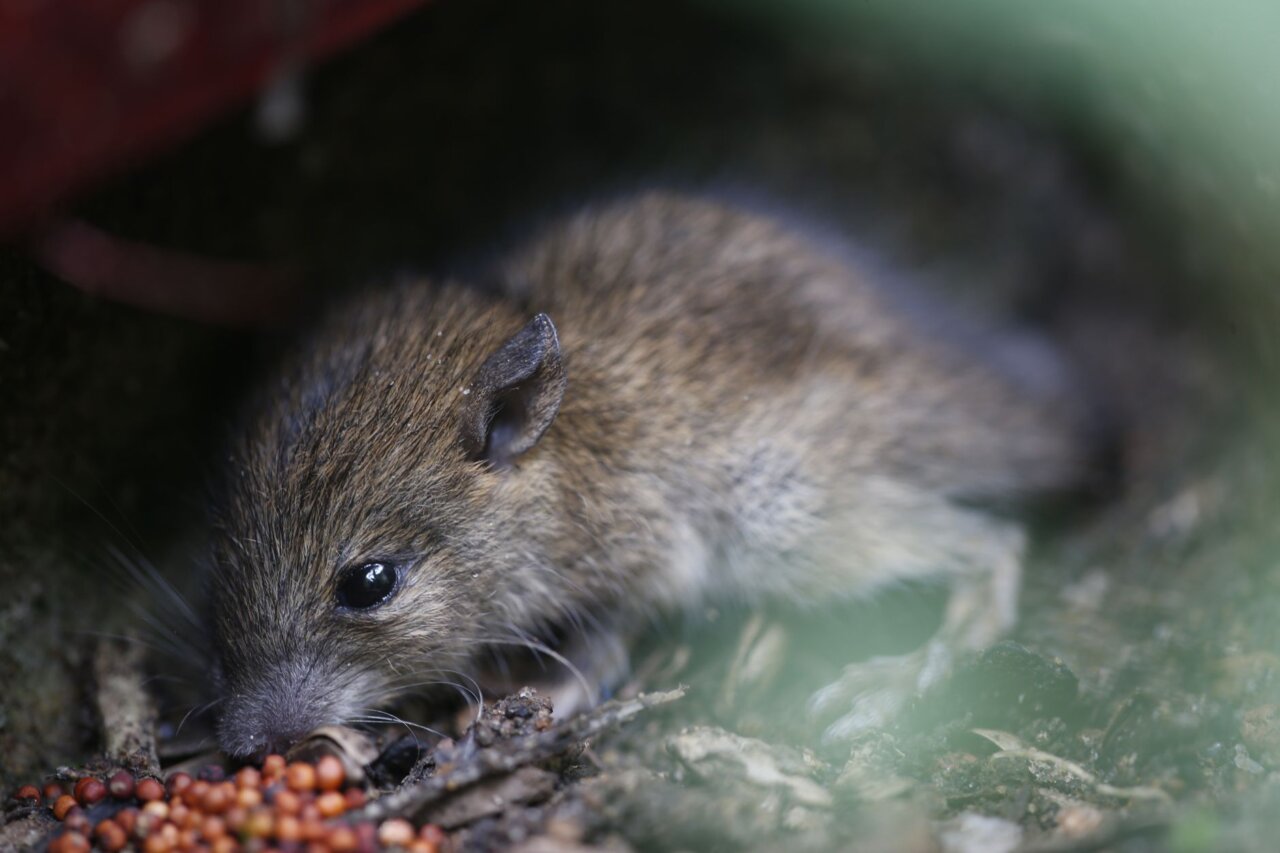
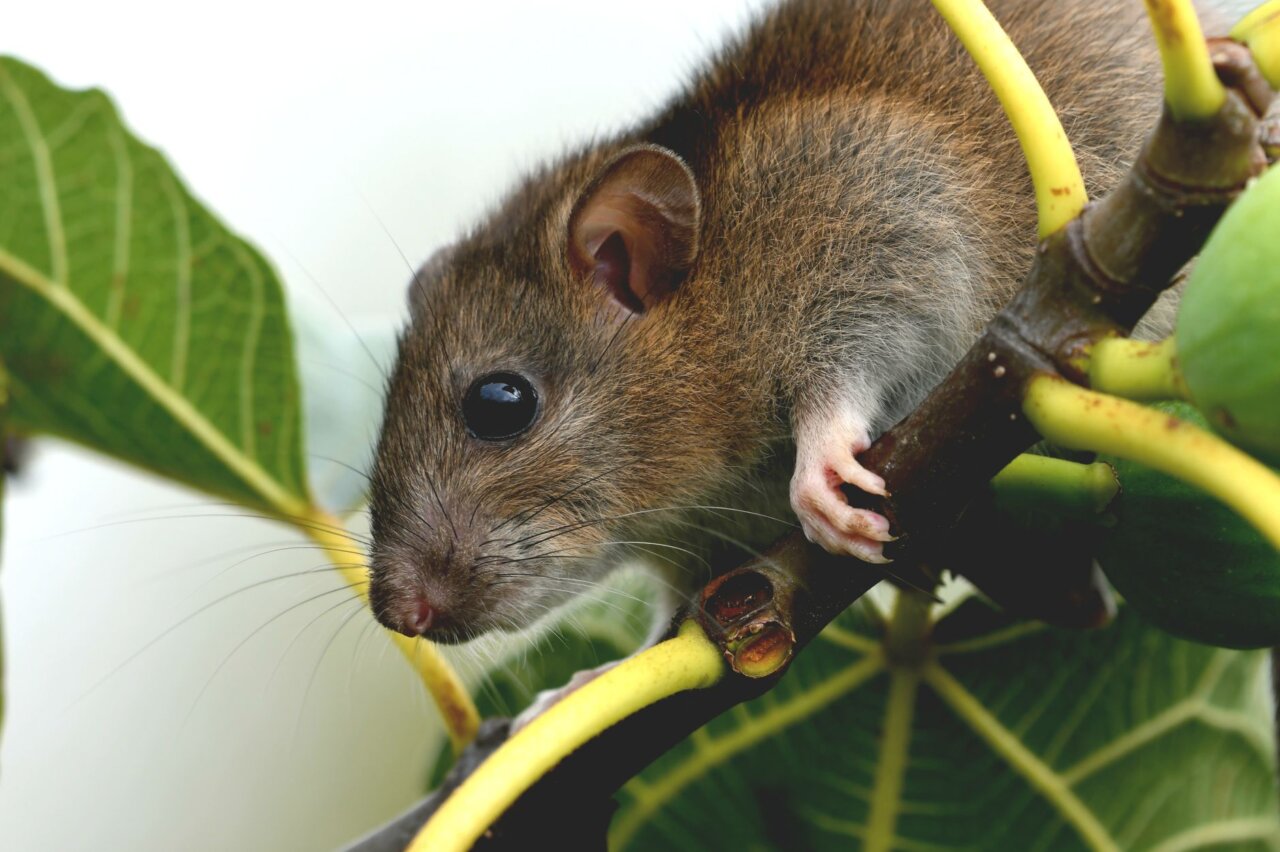
The hantavirus is a viral infection primarily transmitted to humans through contact with rodent droppings, urine, or saliva. Its emergence in the Americas can be traced back to the early 1990s, when an outbreak in the Four Corners region of the United States raised awareness about the virus and its potential dangers. The initial cases highlighted the need for increased surveillance and research into rodent-borne diseases, as well as the importance of educating communities about prevention methods.
Historically, hantavirus has been present in various forms across different regions, with its roots in the Old World, particularly in Asia and Europe. The Sin Nombre virus, a strain of hantavirus, was first identified in 1993 and has since been linked to severe respiratory illness in affected individuals. This marked a significant turning point in public health responses, as it underscored the need for better understanding and management of zoonotic diseases, which can jump from animals to humans.
Political and Economic Factors
Political and economic factors have played a crucial role in shaping the response to hantavirus outbreaks. Funding for public health initiatives often fluctuates based on political priorities, which can impact research and preventive measures. Additionally, economic conditions in rural areas, where rodent populations thrive, can influence the effectiveness of control strategies. Communities with limited resources may struggle to implement adequate sanitation and rodent control measures, increasing the risk of hantavirus transmission.
Over the years, various public health campaigns aimed at educating the public about hantavirus have been launched, emphasizing the importance of rodent control and safe practices when cleaning areas infested with rodents. These efforts have contributed to a greater awareness of hantavirus, but challenges remain, particularly in light of changing environmental conditions that may affect rodent populations and their habitats.
As the world grapples with the ongoing threat of infectious diseases, the lessons learned from past hantavirus outbreaks serve as a reminder of the interconnectedness of human health, animal health, and environmental factors. Continued vigilance and proactive measures are essential to mitigate the risks associated with hantavirus and protect vulnerable populations in the future.

Key stakeholders and issues surrounding the outbreak response
The hantavirus outbreak has drawn attention from various stakeholders, each with distinct roles and interests. Key actors include public health organizations, government agencies, healthcare providers, and the affected communities. Their collaboration is vital to effectively manage the outbreak and mitigate its impact, reflecting the urgency seen in how Nauru responded to the allegations of threats against non-citizens.
Public health organizations, such as the World Health Organization (WHO) and the Centers for Disease Control and Prevention (CDC), are focused on monitoring the outbreak, providing guidelines, and facilitating research. Their primary interest lies in preventing the spread of the virus and ensuring public safety through effective communication and resource allocation.
Government agencies at local, state, and national levels play a crucial role in implementing policies and responses to the outbreak. They are tasked with ensuring that health infrastructure is equipped to handle potential cases while balancing economic considerations. This often leads to conflicts between public health priorities and economic interests, particularly in regions heavily reliant on tourism or agriculture.
- Resource allocation: Ensuring adequate funding and resources for healthcare facilities to manage potential cases.
- Public communication: Effectively informing the public about risks and preventive measures to avoid panic.
- Economic impact: Balancing health measures with the need to maintain economic stability in affected areas.
- Legal frameworks: Navigating regulations related to public health emergencies and individual rights.
- Community involvement: Engaging local communities in prevention efforts and health education to enhance response effectiveness.
Healthcare providers are on the front lines, tasked with diagnosing and treating cases of hantavirus. Their interests often align with public health goals, yet they face challenges such as the need for adequate training and resources to manage potential outbreaks effectively. Additionally, the stigma associated with infectious diseases can affect patient care and community response.
Finally, affected communities must navigate the immediate health risks posed by the outbreak alongside the longer-term implications for their livelihoods. Understanding the interplay between these stakeholders and the issues at hand is essential for a comprehensive response to the hantavirus outbreak.
The impact of the outbreak on communities and health systems
The hantavirus outbreak has far-reaching implications for various groups, particularly in regions where the virus is endemic. Rural communities, especially those with close contact to wildlife, face heightened risks. Agricultural workers, outdoor enthusiasts, and residents in affected areas are particularly vulnerable, as they may encounter the rodents that carry the virus.

Health systems in these regions are also under strain. Increased cases can lead to overwhelmed hospitals and clinics, diverting resources from other essential services. This situation necessitates a robust public health response, which may include increased funding and resources for local health departments to manage outbreaks effectively.
In the short term, daily life is impacted as communities adopt preventive measures. Public gatherings may be limited, and outdoor activities could be curtailed, affecting local businesses reliant on tourism and recreation. Schools may implement health protocols, creating disruptions in education.
- Increased healthcare costs and resource allocation.
- Disruption of local economies, especially in tourism and agriculture.
- Heightened awareness and education around zoonotic diseases.
In the mid-term, policies may evolve to better address wildlife management and public health infrastructure. There could be opportunities for industries focused on health technology and environmental management to innovate solutions that mitigate risks associated with zoonotic diseases. Additionally, communities may strengthen their resilience through enhanced surveillance and preparedness initiatives.

Frequently asked questions about hantavirus
A: Symptoms of hantavirus infection can include fever, muscle aches, dizziness, and gastrointestinal issues. In severe cases, it can lead to respiratory distress and may require hospitalization.
A: Hantavirus is primarily transmitted through contact with rodent droppings, urine, or saliva. It can also be contracted by inhaling aerosolized particles from these materials.
A: Preventative measures include maintaining cleanliness in areas prone to rodent activity, sealing entry points in homes, and using protective gear when cleaning rodent-infested spaces.
A: Currently, there is no vaccine available for hantavirus. Prevention relies on avoiding exposure to rodents and their droppings.
A: If you suspect exposure, it is important to seek medical attention promptly. Early diagnosis and treatment can significantly improve outcomes.
Insights and future outlook on hantavirus management
The recent hantavirus outbreak has been managed effectively, showcasing the importance of swift public health responses and community engagement. However, the potential for future outbreaks remains a concern, necessitating ongoing vigilance and preparedness. As the situation evolves, it is crucial to remain aware of the factors that could influence the trajectory of hantavirus transmission and public health responses.
Monitoring environmental conditions, rodent populations, and human behavior will be essential in mitigating risks. Additionally, enhancing public awareness and education about hantavirus prevention can empower communities to take proactive measures. The lessons learned from this outbreak can serve as a framework for addressing similar health threats in the future.
- Continued surveillance: Ongoing monitoring of rodent populations and environmental conditions will be vital in preventing future outbreaks.
- Public education: Increasing awareness about hantavirus transmission and prevention methods can help communities protect themselves.
- Health system preparedness: Strengthening healthcare infrastructure and response strategies will ensure readiness for potential outbreaks.
- Research and innovation: Investing in research on hantavirus and related zoonotic diseases can lead to improved prevention and treatment options.
- Community engagement: Involving local communities in public health initiatives can enhance the effectiveness of outbreak management strategies.