
The rocket, part of SpaceX’s ongoing efforts to enhance its reusability, was carrying a payload intended for deployment in low Earth orbit. This landing was part of a series of missions aimed at reducing costs and increasing the frequency of launches, but incidents like this one can also be related to the risks seen in the commercial space industry. However, the failure highlights the inherent risks associated with space exploration and the challenges that companies face in achieving successful recoveries.
SpaceX has not yet released a detailed statement regarding the cause of the fire, but investigations are expected to follow. The company has a history of overcoming technical challenges, but this incident may prompt a reevaluation of safety protocols and engineering practices. Industry experts are closely monitoring the situation, as it could have implications for future missions and investor confidence.
This event comes at a time when the space industry is experiencing rapid advancements and increasing competition. As companies like SpaceX push the boundaries of technology, incidents such as this serve as a reminder of the complexities involved in space travel. Stakeholders are eager to see how the company will address this setback and what measures will be implemented to prevent similar occurrences in the future.
Understanding the significance of the Indian Ocean landing
The Indian Ocean has increasingly become a focal point for international space activities, particularly with the rise of private space companies like SpaceX. This region is strategically important, not only for its vast maritime resources but also for its positioning as a launch and landing site for space missions. The incident of a SpaceX rocket bursting into flames during a landing attempt in this area underscores the complexities and challenges of modern aerospace operations.
SpaceX, founded by Elon Musk in 2002, has revolutionized the space industry by reducing costs and increasing access to space. The company’s development of reusable rocket technology has been a game-changer, as discussed in various recent articles, such as one on the legacy of innovation, allowing for multiple launches at a fraction of the historical costs.
The Indian Ocean landing attempts are part of SpaceX’s broader strategy to enhance its operational capabilities. This includes not only launching satellites but also deploying Starlink internet services globally. The strategic choice of the Indian Ocean for landing operations reflects a growing trend among aerospace companies to utilize international waters for testing and operational purposes, often to minimize risks to populated areas.
Historical Context of Space Launches
Historically, rocket landings have been fraught with challenges. The early days of space exploration were marked by numerous failures, as seen in the Apollo program and the Space Shuttle missions; however, it is noteworthy that past challenges have paved the way for current advancements in technology, similar to themes explored in the evolution of creative projects that show how perseverance leads to success.
Key stakeholders and issues surrounding the incident
The recent incident involving a SpaceX rocket bursting into flames during its landing in the Indian Ocean has raised significant concerns among various stakeholders. Key actors in this scenario include SpaceX, government regulatory bodies, the international aerospace community, and environmental advocacy groups. Each has distinct interests that are affected by the event.
SpaceX, as the primary stakeholder, is focused on the advancement of space technology and the successful execution of its missions. The company aims to maintain its reputation for innovation and reliability in the aerospace sector. However, incidents like this can lead to scrutiny from regulatory agencies and public backlash, potentially impacting its operational timelines and funding.
Government agencies, such as the Federal Aviation Administration (FAA) in the United States and other international regulatory bodies, have a vested interest in ensuring that space launches and landings comply with safety standards. They must investigate the incident thoroughly to determine if any regulations were violated, which could lead to increased oversight or new regulations that affect SpaceX and other aerospace companies.
- Safety Concerns: The incident raises questions about the safety protocols in place for rocket landings and the potential risks to maritime traffic in the vicinity.
- Environmental Impact: Environmental groups may express concerns regarding the ecological footprint of rocket launches and landings, particularly in sensitive oceanic regions.
- Economic Implications: Delays or increased costs resulting from regulatory investigations could affect SpaceX’s financial stability and its contracts with commercial and governmental clients.
- Public Perception: The incident could influence public perception of SpaceX and its ambitious goals, potentially affecting consumer confidence and investment.
In summary, the incident not only highlights the technical challenges faced by companies like SpaceX but also underscores the complex interplay of interests among various stakeholders. Understanding these dynamics is crucial for comprehending the broader implications of such aerospace events on the industry and society at large.
Potential impacts on SpaceX and the aerospace industry
The recent incident involving a SpaceX rocket bursting into flames during its landing in the Indian Ocean has raised significant concerns across various sectors. The aerospace industry, including manufacturers, suppliers, and regulatory bodies, will feel the repercussions of this event, as it calls into question the reliability and safety of space travel technologies.
In the short term, this incident could lead to increased scrutiny from regulatory agencies, potentially delaying future launches and impacting schedules for satellite deployments and other commercial space ventures. Companies relying on timely satellite launches for communications, navigation, and data services may experience disruptions, affecting their operations and revenue streams.
Moreover, the incident may influence public perception of space travel, leading to heightened anxiety about the safety of commercial space flights. This could deter potential customers and investors from engaging with SpaceX and similar companies, impacting their market position and funding opportunities.
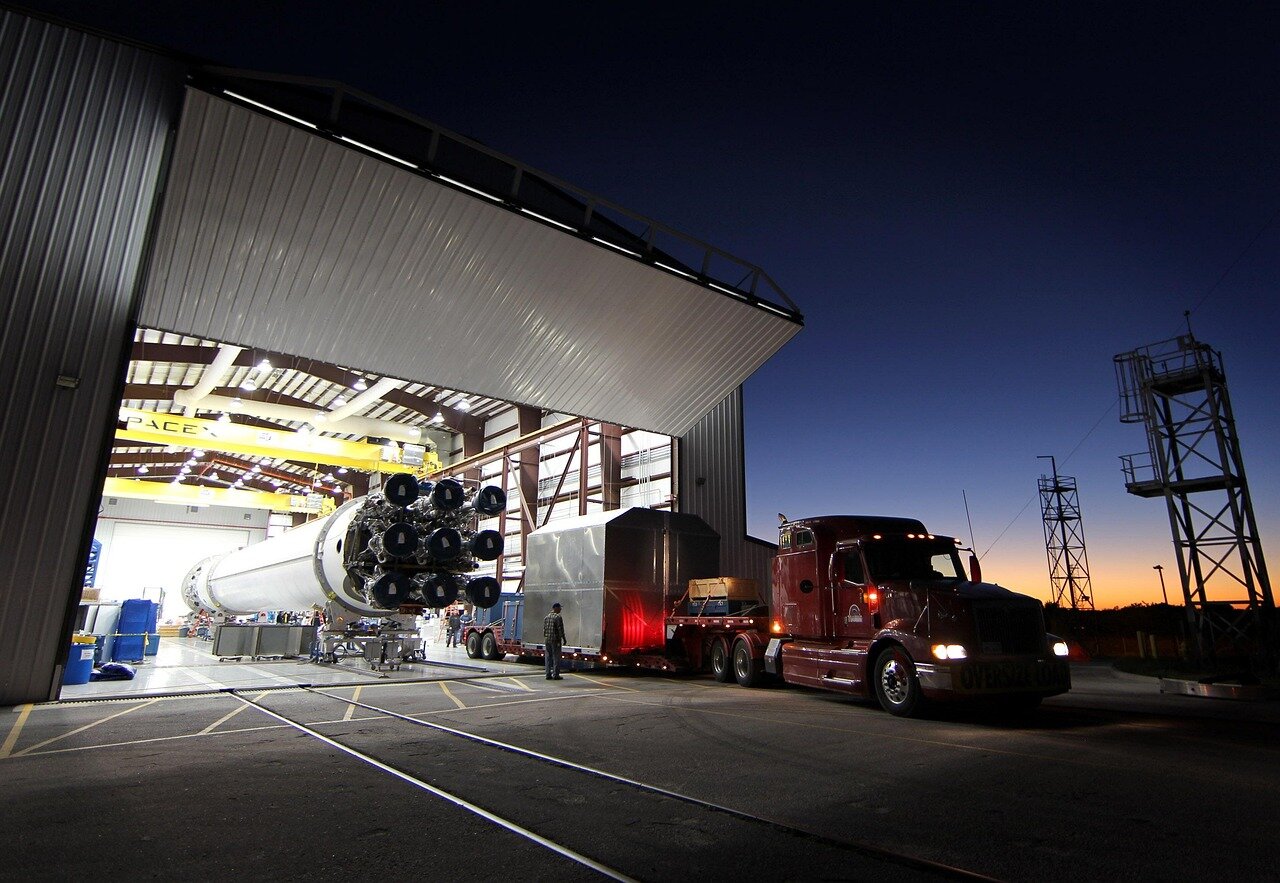
However, there are potential opportunities that may arise from this situation. The aerospace industry could see a renewed focus on safety and innovation, prompting companies to invest in more robust technologies and protocols. This could ultimately lead to advancements that enhance the reliability of space travel and open new markets.
- Increased regulatory scrutiny and possible launch delays.
- Impact on businesses dependent on satellite launches.
- Potential shifts in public perception affecting customer confidence.
- Opportunities for innovation and safety improvements in aerospace technology.
A: Preliminary investigations suggest a malfunction during the landing sequence may have triggered the fire. Further analysis is ongoing to determine the exact cause. A: No injuries were reported as the incident occurred during an automated landing process over the ocean, far from populated areas. A: This incident may lead to a review of safety protocols and operational procedures, potentially delaying upcoming missions as safety becomes a priority. A: The Indian Ocean serves as a testing ground for SpaceX’s landing technology, allowing for safe recovery of rockets after missions without risking populated areas. A: Despite this incident, SpaceX is likely to continue using ocean landings, but with enhanced safety measures and thorough investigations to prevent future occurrences.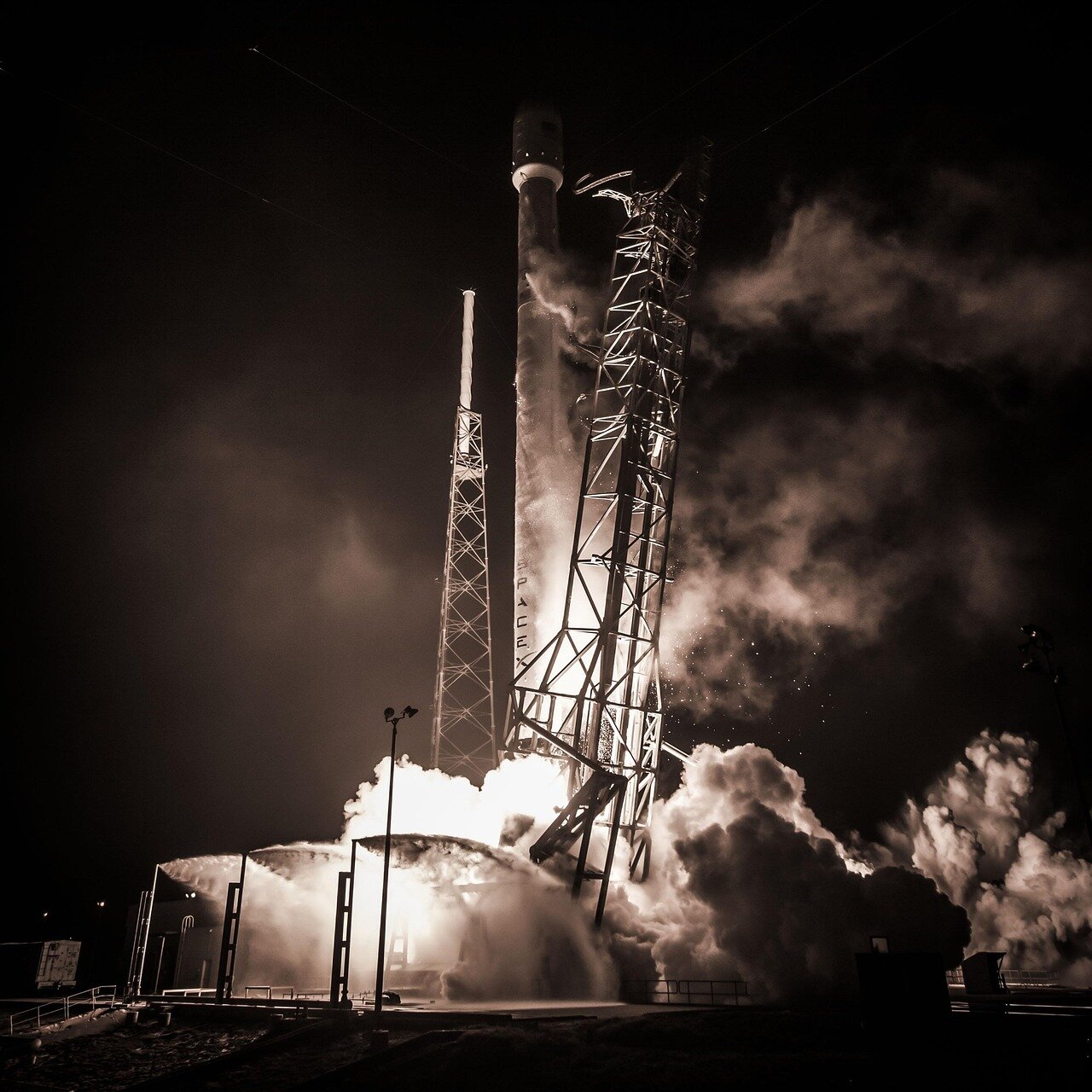
Frequently asked questions about the incident
Insights and future outlook on SpaceX operations
The recent incident involving a SpaceX rocket bursting into flames during its landing in the Indian Ocean raises significant questions about the reliability and safety of reusable rocket technology. As SpaceX continues to push the boundaries of space exploration and commercial launches, this event serves as a reminder of the inherent risks associated with innovative aerospace engineering. Observers will be keen to see how the company addresses this setback and implements improvements in its landing protocols.
Looking ahead, the implications of this incident could influence regulatory scrutiny and public perception of SpaceX’s operations. The company’s ability to learn from this situation and enhance safety measures will be crucial for maintaining its leadership in the aerospace industry and ensuring the success of future missions.
- Monitoring SpaceX’s response strategies and safety enhancements following the incident.
- Evaluating the impact on upcoming launches and potential delays in the schedule.
- Observing changes in regulatory frameworks that may arise due to increased scrutiny.
- Assessing public perception and confidence in reusable rocket technology after such incidents.
- Keeping an eye on competitor reactions and advancements in the aerospace sector.