
In addition to comedy, the genre is set to explore darker themes with Steven Spielberg’s latest project, which revisits the alien horror narrative. This film, expected to premiere on June 24, 2026, marks a significant return for Spielberg to a genre that has long captivated audiences. By focusing on the psychological aspects of alien encounters, the film seeks to redefine the horror experience while maintaining Spielberg’s signature storytelling flair.
Furthermore, Javier Bardem is set to take on another villainous role in the horror-thriller ‘Nightmare’s Edge’, which is slated for a June 17, 2026 release. His portrayal of a complex antagonist is anticipated to add depth to the film, which explores the boundaries between reality and nightmares. Bardem’s involvement in the project highlights the trend of casting acclaimed actors in horror films, elevating the genre’s status in mainstream cinema.
As these films prepare to hit theaters, industry experts are closely monitoring audience reactions and box office performance. The combination of established talent and innovative storytelling is expected to draw significant attention, potentially reshaping the landscape of horror in the coming months. With a mix of humor, psychological thrills, and intense performances, June 2026 is shaping up to be a pivotal month for horror enthusiasts.

Recommended Articles
- Taylor Swift releases new song for Toy Story 5 on digital platforms
- Government commits £1.3bn to Universal's UK theme park project
- Call of Duty Modern Warfare 4 reimagines the Korean War
- The best theatre to stream this month with Rose Byrne in Fallen Angels
- Exploring the Cost-Effective Future of Filmmaking with AI
- Taylor Swift releases new song for Toy Story 5 on digital platforms
- Government commits £1.3bn to Universal's UK theme park project
- Call of Duty Modern Warfare 4 reimagines the Korean War
- The best theatre to stream this month with Rose Byrne in Fallen Angels
- Exploring the Cost-Effective Future of Filmmaking with AI
The Evolution of Horror Cinema Leading to June 2026
Horror cinema has undergone significant transformations since its inception in the late 19th century. Initially characterized by silent films that relied heavily on visual storytelling, the genre began to evolve with the advent of sound and color, paving the way for iconic films that defined eras. The 1970s and 1980s saw a surge in popularity for horror, with classics like “The Exorcist” and “Halloween” not only terrifying audiences but also establishing horror as a commercially viable genre. This period set the stage for the genre’s enduring appeal, leading to a diverse array of sub-genres that continue to captivate viewers.
As the 21st century approached, horror cinema faced new challenges and opportunities. The rise of digital technology and streaming platforms transformed how audiences consumed films, allowing for a broader range of independent horror projects to gain visibility. This democratization of filmmaking led to a renaissance in the genre, with filmmakers experimenting with narrative structures and themes that resonated with contemporary societal issues. The success of films like “Get Out” and “A Quiet Place” demonstrated that horror could be both commercially successful and critically acclaimed, further solidifying its place in mainstream cinema.
Key Milestones in Recent Horror History
The past few years have been particularly noteworthy for the horror genre. In 2020, the global pandemic shifted the landscape of film production and distribution, leading to an explosion of horror content as audiences sought escapism through thrilling narratives. Major studios began revisiting classic franchises, resulting in reboots and sequels that reignited interest in beloved characters and stories. Notably, the return of “Scary Movie” in June 2026 marks a significant cultural moment, as it taps into nostalgia while also addressing modern fears and anxieties through satire.
Additionally, renowned directors such as Steven Spielberg have revisited themes of extraterrestrial encounters, blending nostalgia with contemporary storytelling techniques. Spielberg’s work has historically shaped the science fiction and horror genres, and his return to these themes reflects a broader trend of re-examining past narratives through a modern lens. This evolution highlights the genre’s ability to adapt and resonate with new generations, ensuring its relevance in an ever-changing cultural landscape.

As we look towards June 2026, the anticipation surrounding new releases featuring established actors like Javier Bardem, who takes on another villain role, signifies the continued blending of horror with other genres. This fusion not only attracts a wider audience but also challenges traditional genre boundaries, setting the stage for innovative storytelling that reflects the complexities of today’s world.
Key Players and Themes in This Month’s Horror Films
June 2026 brings a thrilling array of horror films that not only entertain but also reflect the complex dynamics between various stakeholders in the film industry. Key players include filmmakers, actors, production companies, and audiences, each with distinct interests and expectations. As the genre evolves, so do the challenges and opportunities presented by these cinematic offerings.
One of the most anticipated releases is the return of the franchise ‘Scary Movie,’ which aims to blend comedy with horror. The production company behind this film is keen on capitalizing on nostalgia while attracting a new generation of viewers. However, there is a potential conflict between maintaining the franchise’s original charm and innovating to meet contemporary tastes.
Steven Spielberg’s revisitation of alien themes through horror also raises significant discussions. Spielberg, a legendary figure in the industry, has a vested interest in pushing boundaries and exploring new narratives. However, the portrayal of extraterrestrial beings can spark debates about cultural representation and the ethical implications of fear-based storytelling.
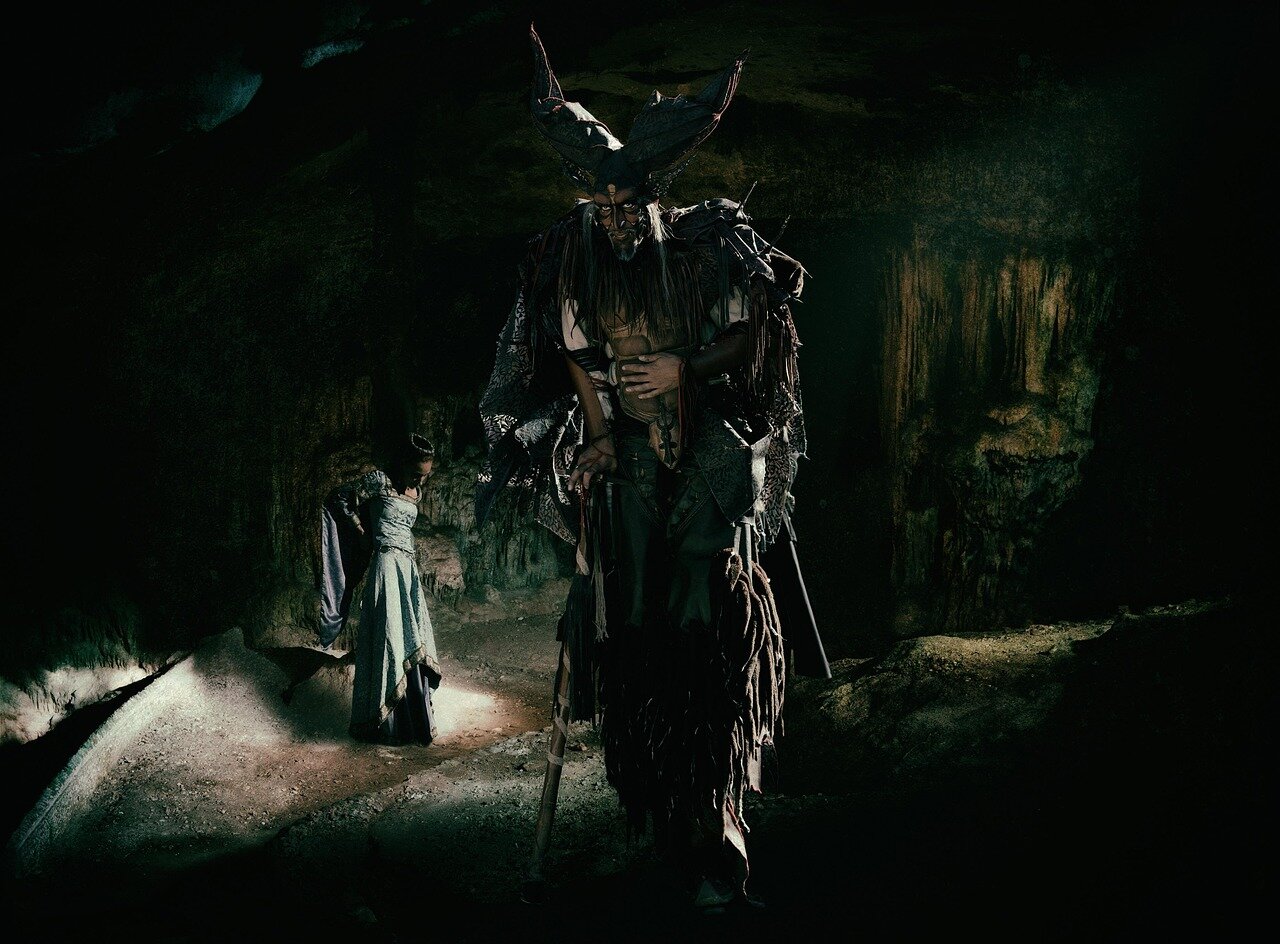
- Javier Bardem’s role as a villain: Bardem’s performance is expected to draw attention to the complexities of character development in horror, as audiences grapple with the morality of villainy.
- Audience expectations: The horror community is divided; some fans crave traditional scares while others seek innovative storytelling that challenges genre norms.
- Economic considerations: The financial success of these films hinges on effective marketing strategies that resonate with diverse demographics.
- Legal issues: Copyright and intellectual property rights remain critical as studios navigate the balance between homage and originality in their storytelling.
As these films prepare to hit the screens, the interplay between these stakeholders will shape not only the cinematic experience but also the broader discourse surrounding horror as a genre. The trade-offs made in storytelling, character development, and marketing strategies will ultimately influence audience reception and industry trends moving forward.
How These Films Will Influence the Horror Genre
The return of iconic titles like ‘Scary Movie’ and the visionary touch of Spielberg revisiting alien themes will undoubtedly have a profound impact on various groups and industries. Fans of the horror genre, filmmakers, and the broader entertainment industry will all feel the effects of this cinematic revival.
In the short term, audiences are likely to experience a surge of excitement and engagement with horror films, leading to increased ticket sales and streaming subscriptions. This revival will also inspire a wave of content creation, as emerging filmmakers may seek to capitalize on the renewed interest in horror, potentially leading to a diversification of the genre.
However, this resurgence is not without risks. Established horror franchises may face pressure to innovate or risk becoming stale, while smaller independent filmmakers might struggle to compete against the high-budget productions of major studios. The market may also see a saturation of horror content, which could dilute the genre’s overall quality.
- Short-term impacts: Increased box office revenue and streaming platform subscriptions.
- Mid-term impacts: A potential oversaturation of horror content leading to viewer fatigue.
- Opportunities: New filmmakers may find a platform for their work, leading to fresh perspectives in the genre.
- Risks: Established franchises may struggle to maintain relevance amidst a wave of new content.
Regions with a strong film industry presence, such as Hollywood and emerging markets in Asia and Europe, will likely see significant economic benefits from this trend. Local economies may thrive as production companies ramp up filming schedules and related jobs increase, leading to a positive ripple effect on various sectors, including hospitality and tourism.
A: The key releases include the return of ‘Scary Movie’, a new take on alien themes by Spielberg, and Javier Bardem’s latest role as a villain. A: Spielberg’s revisit to aliens in horror brings a fresh perspective, blending classic elements with modern storytelling techniques. A: Bardem’s ability to portray complex villains adds depth to the genre, making his character one of the most anticipated aspects of the film. A: Yes, themes of nostalgia and psychological horror are becoming more prominent, reflecting current societal fears and anxieties. A: Early reactions indicate a mix of excitement and skepticism, with fans eager to see how these films will redefine horror.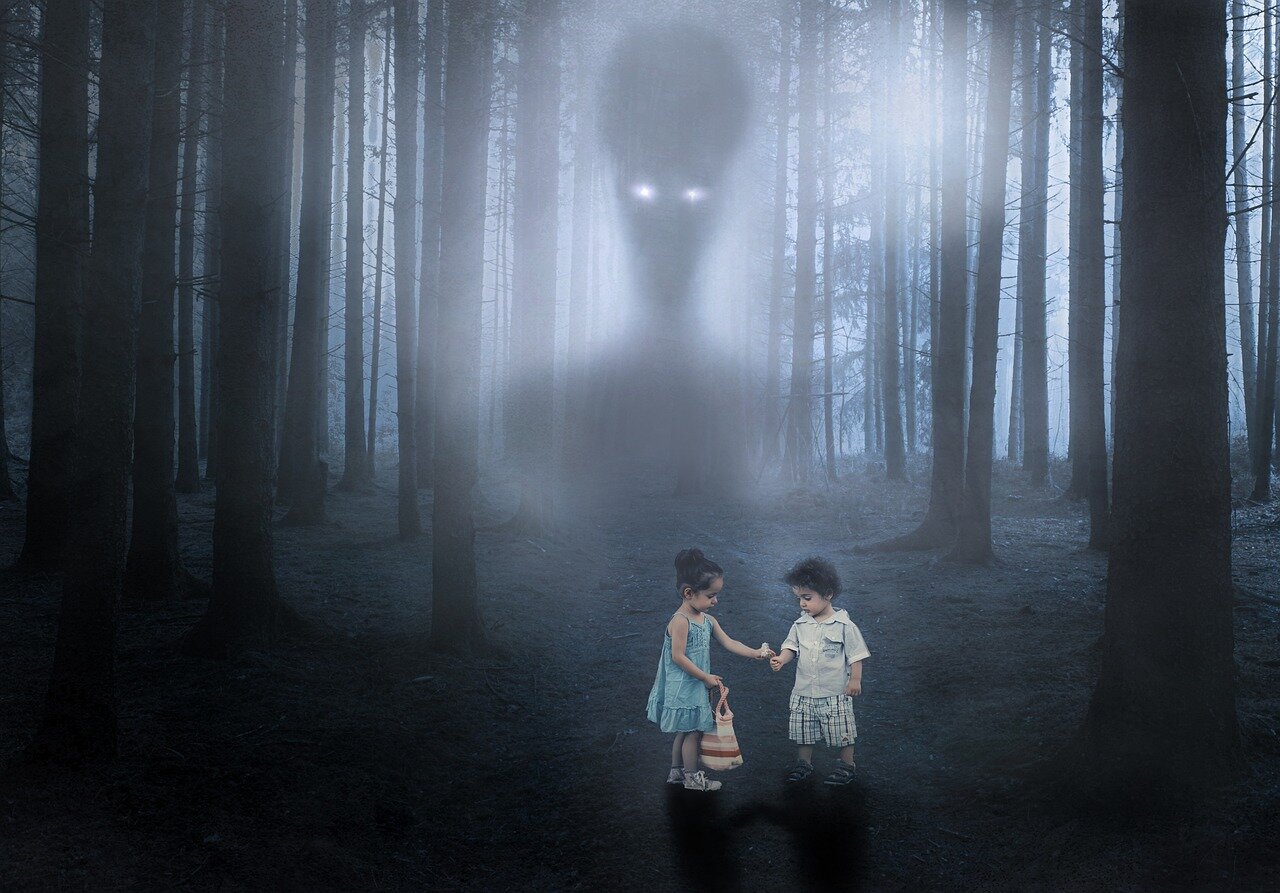
Frequently Asked Questions About June 2026 Horror Films
Key Takeaways and Future Trends in Horror Cinema
The resurgence of classic franchises and the innovative approaches taken by acclaimed directors highlight a transformative period in horror cinema. As audiences continue to crave both nostalgia and originality, filmmakers are finding new ways to blend these elements, creating a diverse landscape that caters to a wide range of tastes. The success of titles like ‘Scary Movie’ and Spielberg’s exploration of extraterrestrial themes suggests that the genre is not only thriving but evolving in response to contemporary societal fears and cultural dynamics.
As we look ahead, the implications of this trend are significant. The intersection of established narratives with fresh perspectives offers filmmakers a rich canvas for storytelling. Moreover, the performances by actors like Javier Bardem in villainous roles indicate a growing appetite for complex characters that challenge traditional horror tropes.
- Franchise Revivals: Expect more reboots and sequels that tap into nostalgia while introducing new storylines.
- Director Innovation: Acclaimed directors are likely to continue pushing genre boundaries, blending horror with other cinematic styles.
- Character Depth: Audiences will increasingly seek multi-dimensional villains, leading to more nuanced storytelling.
- Cultural Reflection: Horror films will continue to reflect societal anxieties, using the genre as a lens to explore contemporary issues.
- Audience Engagement: Interactive and immersive experiences in horror cinema may rise, enhancing viewer participation and emotional investment.