
The album includes a selection of pieces that showcase both Dinnerstein’s virtuosity and Glass’s distinctive sound. Reviews highlight the emotional depth and clarity that Dinnerstein brings to the compositions, allowing listeners to experience Glass’s music in a new light. This reception is particularly important as it reflects a growing interest in the works of living composers and the evolving landscape of classical music, as discussed in our review of Earth Wind and Fire at the Tribeca Festival.
In addition to critical acclaim, the Hourglass album has sparked discussions about the role of interpretation in classical music. Many musicians and scholars are examining how Dinnerstein’s approach can influence future performances of Glass’s works. This discourse underscores the relevance of contemporary interpretations in keeping classical music vibrant and accessible to a broader audience.
As the album continues to receive airplay and features in various media outlets, it is clear that Dinnerstein’s work is resonating with both long-time fans of Philip Glass and new listeners. The album’s success may pave the way for further collaborations that explore the intersection of classical and modern music, highlighting the importance of innovation in the genre.
Understanding the background of Simone Dinnerstein and Philip Glass
Simone Dinnerstein, an acclaimed American pianist, has made significant contributions to the classical music landscape, particularly through her interpretations of contemporary composers. Her collaboration with Philip Glass, one of the most influential composers of the late 20th and early 21st centuries, marks a pivotal moment in her career. Glass’s minimalist style, characterized by repetitive structures and rich harmonies, has profoundly shaped modern music, and Dinnerstein’s unique approach brings a fresh perspective to his works.

The collaboration between Dinnerstein and Glass is rooted in a broader historical context of the classical music scene, where the blending of traditional and contemporary elements has become increasingly prevalent. As classical music continues to evolve, artists like Dinnerstein are redefining the genre by incorporating modern sensibilities and emotional depth into their performances. This shift not only reflects changing audience preferences but also highlights the importance of innovation in classical music.
Key milestones in this artistic journey include Dinnerstein’s breakthrough album, “Bach: A Strange Beauty,” which garnered critical acclaim and showcased her ability to bridge classical and contemporary styles. This success paved the way for her collaboration with Glass, particularly on the “Hourglass” album, which features a collection of Glass’s works reimagined through Dinnerstein’s interpretative lens. The album represents a culmination of their artistic dialogue and the ongoing exploration of how music can transcend time and genre, similar to the approaches highlighted in our review of Mexico 86 by Diego Luna.
The Evolution of Minimalism in Music
Minimalism, as a musical movement, emerged in the mid-20th century, with composers like Philip Glass and Steve Reich leading the charge. This style challenged traditional notions of melody and harmony, favoring repetitive motifs and gradual transformations. The rise of minimalism coincided with significant social and political changes, including the counterculture movement and a growing interest in non-Western music. As audiences began to embrace these new sounds, composers like Glass found their voices in an increasingly diverse musical landscape, paving the way for artists like Dinnerstein to explore and expand upon these ideas.
Key themes and musical elements in the album
In “Hourglass,” Simone Dinnerstein collaborates with composer Philip Glass, showcasing a unique interplay between her piano interpretations and Glass’s minimalist style. This partnership highlights the ongoing dialogue between classical music traditions and contemporary expressions, drawing in a diverse audience.
One of the main actors in this scenario is Simone Dinnerstein, whose interpretation of Glass’s compositions aims to bridge the gap between classical and modern audiences. Her interest lies in expanding the reach of minimalist music while maintaining its emotional depth.

Philip Glass, as the composer, represents a significant figure in the contemporary classical music scene. His interests involve not only the preservation of his musical legacy but also the evolution of his works through reinterpretation. The collaboration with Dinnerstein allows him to explore new dimensions of his compositions, which aligns with the ongoing conversations about the evolution of musical styles, much like the themes explored in The Daily Show’s visit to New Orleans.
Additionally, the recording label and distributors play a crucial role in this context. They are interested in maximizing the album’s reach and sales, which can lead to conflicts regarding artistic direction versus commercial viability. This tension can influence how the music is marketed and presented to the public.
- Potential conflicts between artistic integrity and commercial interests.
- The impact of digital streaming platforms on album sales and reach.
- Audience reception and the evolving landscape of classical music appreciation.
- Legal considerations regarding copyright and distribution rights.
- Economic implications for artists in a competitive music industry.
The influence of this album on contemporary classical music
The release of Simone Dinnerstein’s album featuring the works of Philip Glass has significant implications for various groups, particularly musicians, composers, and classical music enthusiasts. The album not only showcases Dinnerstein’s artistry but also highlights the evolving landscape of contemporary classical music, encouraging broader engagement with the genre.
In the short term, audiences may experience a renewed interest in Philip Glass’s compositions, leading to increased attendance at concerts and performances that feature his work. This surge in interest can benefit local music venues, orchestras, and artists who perform contemporary classical pieces, fostering a vibrant cultural scene.
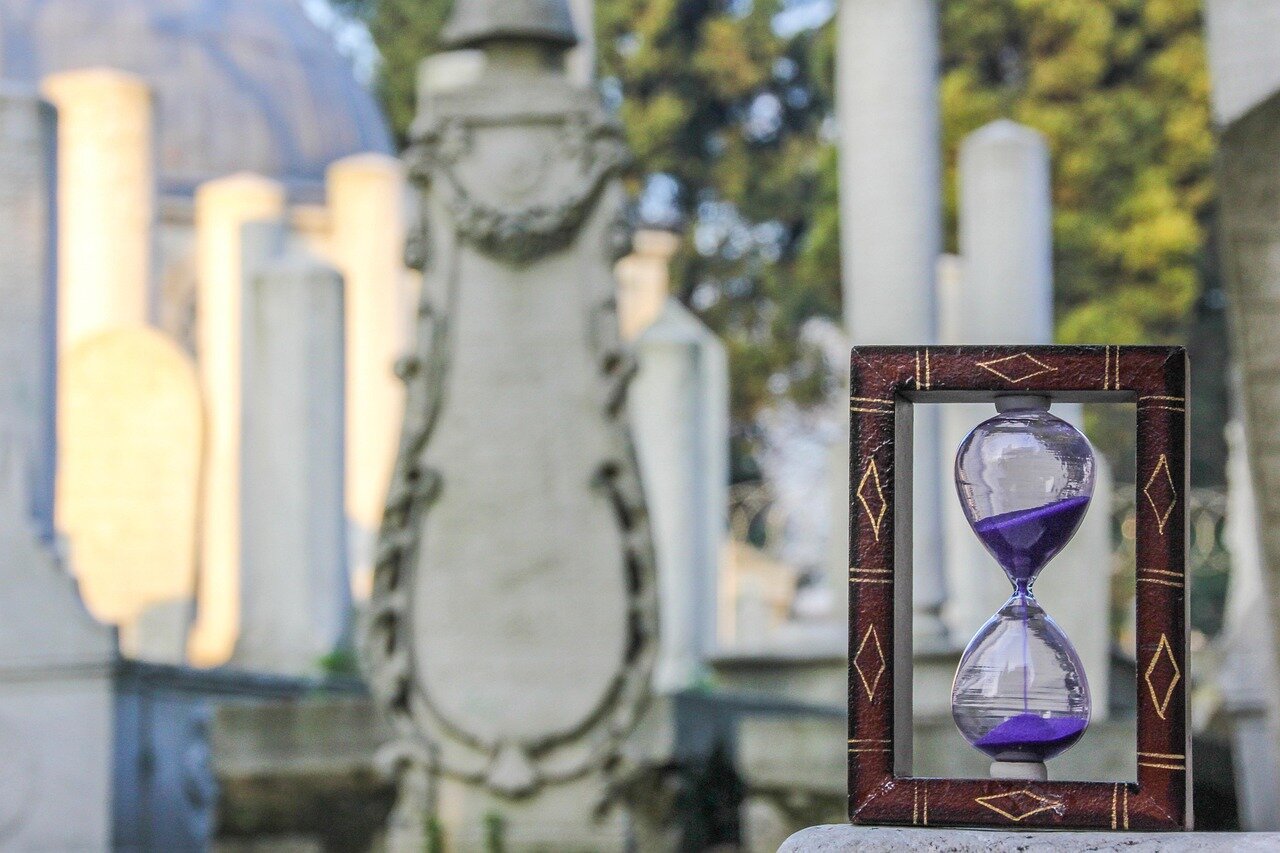
Mid-term impacts may include a shift in programming choices by orchestras and music festivals, as they seek to attract new audiences. The album could inspire emerging composers to explore minimalist and contemporary styles, potentially leading to a wave of innovative works that challenge traditional classical music norms.
- Musicians and composers: Opportunities for collaboration and exploration of new styles.
- Music venues: Increased attendance and revenue from performances.
- Education institutions: Potential curriculum shifts to include more contemporary works.
However, there are risks associated with this shift. Established classical musicians may feel pressure to adapt to changing tastes, which could lead to a dilution of traditional practices. Additionally, the focus on contemporary works might overshadow lesser-known composers, limiting the diversity of the classical music repertoire.
A: The Hourglass album stands out due to Simone Dinnerstein’s interpretation of Philip Glass’s music, allowing for a fresh emotional depth that resonates with listeners. A: Dinnerstein’s piano technique and expressive style bring a new dimension to Glass’s compositions, emphasizing their lyrical qualities and emotional nuances. A: Philip Glass is a renowned American composer known for his minimalist style, and his works have significantly influenced contemporary classical music. A: Some standout tracks include ‘Opening’ and ‘The Hours,’ which showcase the intricate interplay between Dinnerstein’s piano and Glass’s compositions. A: Yes, the Hourglass album is accessible for newcomers, as it presents Glass’s music in a way that is both engaging and emotionally resonant.
Frequently asked questions about the Hourglass album
Key takeaways and future outlook for Dinnerstein and Glass
Simone Dinnerstein’s interpretation of Philip Glass’s compositions in the ‘Hourglass’ album provides a fresh perspective that enhances the emotional depth of the music. By allowing the intricate melodies and harmonies to unfold naturally, Dinnerstein not only honors Glass’s minimalist style but also invites listeners to engage with the music on a more profound level. This collaboration highlights the potential for future projects that blend classical sensibilities with contemporary interpretations.
The reception of ‘Hourglass’ suggests an evolving landscape in classical music where artists are encouraged to explore new dimensions of established works. As both Dinnerstein and Glass continue to innovate, their partnership may inspire other musicians to reimagine classical repertoire, fostering a richer dialogue between composers and performers.
- Expect more collaborations that fuse traditional and modern interpretations in classical music.
- Watch for Dinnerstein’s future projects that may further explore the emotional nuances of minimalist compositions.
- Consider the impact of such albums on audience engagement and the accessibility of classical music.
- Anticipate a growing trend of artists reinterpreting iconic works, breathing new life into familiar pieces.
- Monitor how this album influences the perception of Philip Glass’s music among new listeners.