
In recent months, Gwynne Shotwell, the company’s president and COO, has taken on a more prominent role in managing day-to-day operations, especially as Elon Musk’s focus shifts to other ventures, including Twitter and Tesla. Shotwell’s steady leadership has been pivotal in navigating complex regulatory environments and securing contracts with government entities, such as NASA, which awarded SpaceX a significant contract for lunar lander development in April 2021.
Moreover, the successful launch of the Starship prototype in April 2023 marked a significant milestone for SpaceX, showcasing its capabilities in heavy-lift space transportation. However, the subsequent explosion during the test flight raised questions about the vehicle’s safety and reliability, prompting the company to reassess its testing and development strategies. This incident underscores the challenges that come with pioneering new technologies in the aerospace sector.
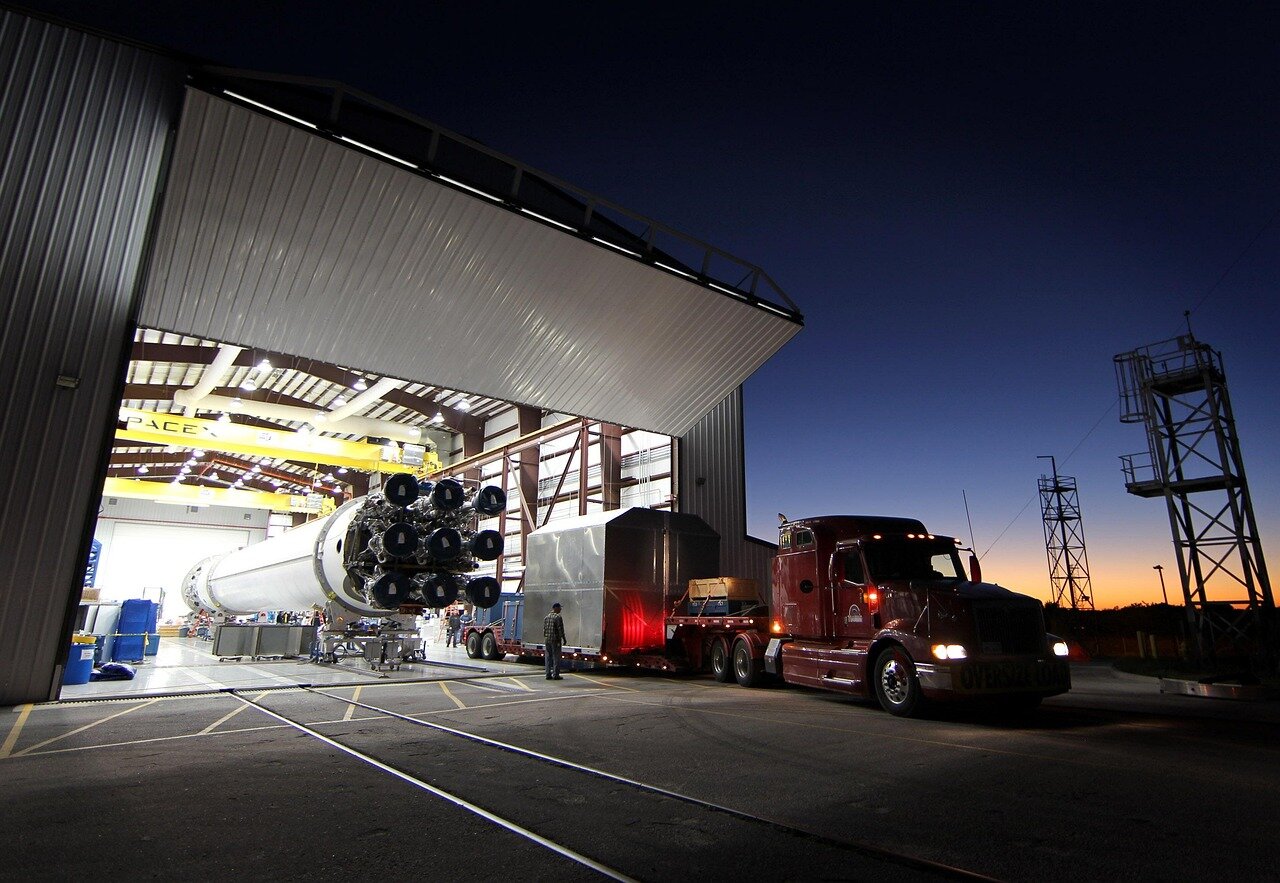
Additionally, as SpaceX expands its workforce to meet growing demands, it faces challenges related to talent acquisition and retention in a competitive job market. The company has been actively recruiting skilled engineers and technicians, yet the high expectations and fast-paced environment can lead to employee burnout. Shotwell’s leadership style is being closely scrutinized as she seeks to foster a positive workplace culture while pushing for ambitious project timelines.
The Role of Gwynne Shotwell in SpaceX’s Journey
Since its founding in 2002, SpaceX has been at the forefront of the aerospace industry, driven by the vision of its founder Elon Musk. However, a significant part of the company’s success can be attributed to Gwynne Shotwell, who joined SpaceX as its President and COO in 2002. Shotwell’s leadership has been instrumental in transforming SpaceX from a fledgling startup into a major player in space exploration and commercial satellite launches.
Shotwell’s background in mechanical engineering and her extensive experience in the aerospace sector positioned her uniquely to navigate the complexities of the industry. Before joining SpaceX, she worked at the Aerospace Corporation, where she honed her skills in project management and strategic planning. Her expertise not only complemented Musk’s innovative vision but also brought a level of operational stability that has been crucial during times of rapid growth and technological challenges.

One of the key milestones in SpaceX’s journey was the successful launch of the Falcon 1 in 2008, marking the first privately developed liquid-fueled rocket to reach orbit. This achievement was a turning point for the company and showcased the potential of private spaceflight. Shotwell played a vital role in securing contracts with NASA and other commercial entities, which provided the financial backing necessary for continued development and innovation.
Building Partnerships and Expanding Horizons
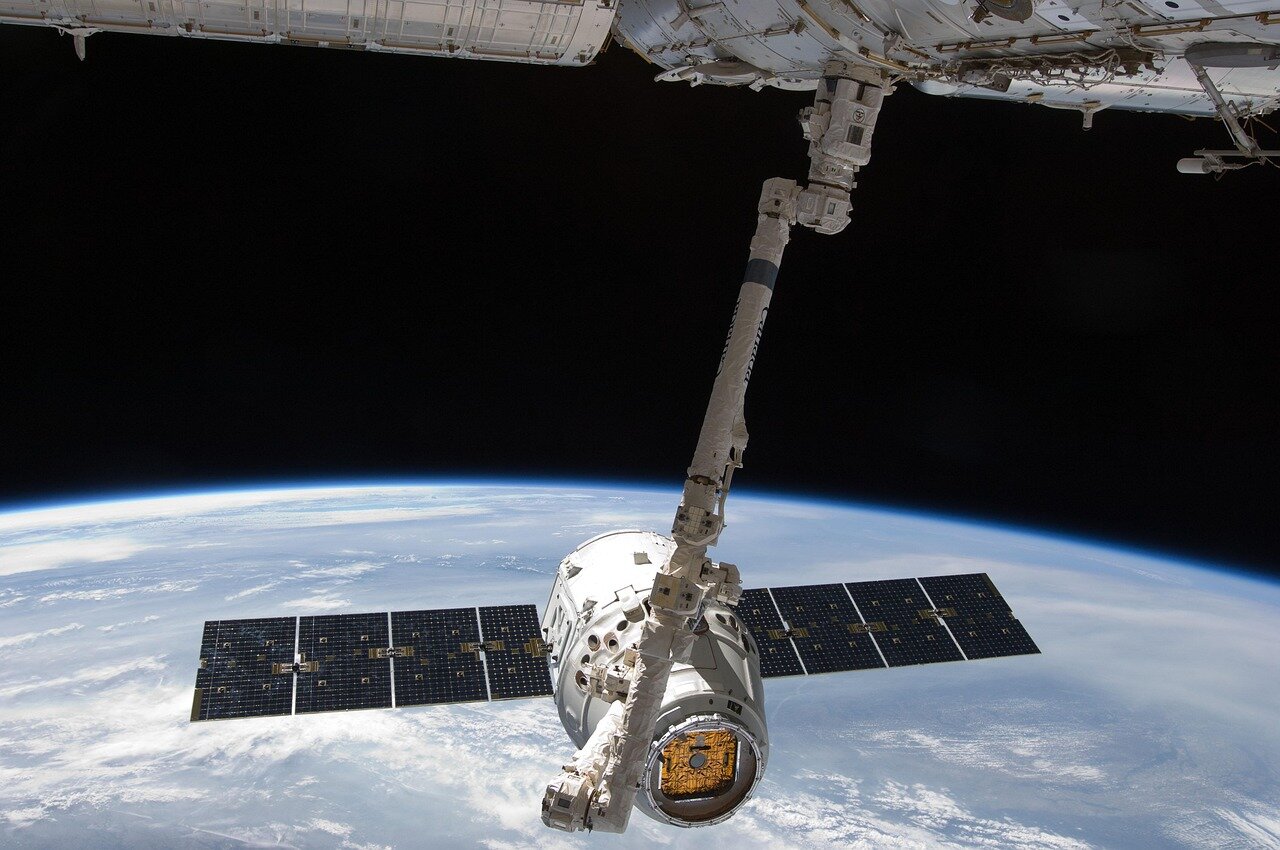
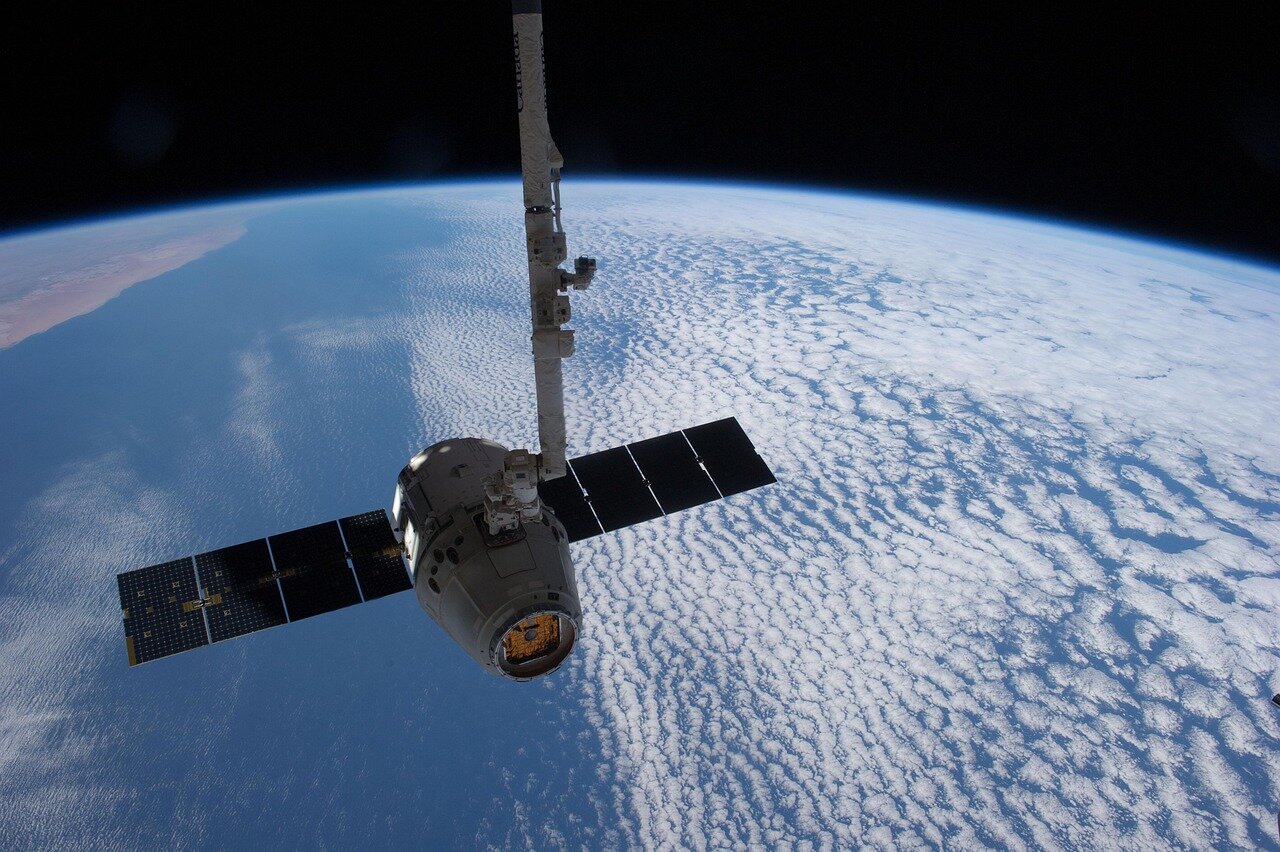
Under Shotwell’s leadership, SpaceX has built strategic partnerships with various government agencies and commercial companies. The 2012 contract with NASA for cargo resupply missions to the International Space Station (ISS) was a landmark agreement that solidified SpaceX’s reputation as a reliable launch provider. Shotwell’s ability to foster these relationships has been critical in establishing trust and credibility in an industry often dominated by traditional aerospace giants.
As SpaceX continues to push the boundaries of space exploration with ambitious projects like the Starship program and missions to Mars, Gwynne Shotwell remains a steady hand guiding the company through its challenges and triumphs. Her leadership exemplifies the blend of technical expertise and strategic vision necessary to thrive in the ever-evolving landscape of space technology.
Key Stakeholders and Issues in SpaceX’s Operations
Gwynne Shotwell, as the President and COO of SpaceX, plays a pivotal role in the company’s operations and strategic direction. Her leadership complements that of Elon Musk, highlighting a dynamic partnership that has propelled SpaceX to the forefront of the aerospace industry. The primary stakeholders in this context include SpaceX’s executive team, its employees, investors, customers, and regulatory bodies.
One of the main interests of SpaceX’s executive team, including Shotwell and Musk, is to maintain the company’s competitive edge in the rapidly evolving space industry. This involves securing contracts with government agencies, such as NASA, and private sector clients for satellite launches and space exploration missions. Additionally, investors are keen on the company’s profitability and long-term sustainability, which is influenced by the successful execution of ambitious projects like Starlink and crewed missions to the International Space Station.
However, the pursuit of innovation and market leadership comes with conflicts and trade-offs. For instance, while rapid development and deployment of new technology can yield significant advantages, it may also lead to regulatory hurdles. SpaceX must navigate complex legal frameworks imposed by government agencies, which can impact timelines and operational flexibility. Furthermore, environmental concerns regarding rocket launches and their impact on climate change have become increasingly prominent, raising questions about the company’s long-term sustainability practices.
- Regulatory Compliance: Ensuring adherence to FAA regulations and obtaining necessary launch permits.
- Environmental Impact: Addressing public and governmental concerns about the ecological effects of frequent launches.
- Market Competition: Competing with other aerospace companies and emerging startups in the space sector.
- Workforce Management: Balancing employee welfare and productivity in a high-pressure environment.
- Technological Innovation: Investing in R&D while managing costs and investor expectations.
In summary, the interplay between these stakeholders and the issues at hand shapes the strategic decisions made by SpaceX. Understanding these dynamics is crucial for grasping the broader implications of the company’s operations in the space industry and its impact on global space exploration efforts.
How Gwynne Shotwell’s Leadership Affects the Space Industry
Gwynne Shotwell’s role as the President and COO of SpaceX has far-reaching implications for various groups, industries, and regions. Her leadership not only influences the internal dynamics of SpaceX but also impacts the broader aerospace sector, government space agencies, and commercial partners. As the space industry continues to evolve, the effects of her strategic decisions resonate across multiple stakeholders.
In the short term, businesses involved in satellite manufacturing, launch services, and space exploration stand to benefit from SpaceX’s innovative approaches and successful missions. Shotwell’s emphasis on cost reduction and efficiency has made space access more affordable, which can lead to increased investment in satellite technology and related services. This shift can foster growth in the tech sector, particularly in telecommunications and data analytics.
However, there are risks associated with this rapid expansion. Smaller companies may struggle to compete with SpaceX’s resources and capabilities, potentially leading to market consolidation. Additionally, regulatory challenges could arise as the industry grows, impacting how new entrants navigate the complex landscape of space law and policy.
In the mid-term, regions with established aerospace industries, such as California and Texas, may see an influx of talent and investment, driven by SpaceX’s success. This could lead to job creation and economic growth, benefiting local communities. Conversely, regions that do not adapt to the changing landscape may find themselves at a disadvantage, missing out on opportunities for development and innovation.
- Increased investment in satellite technology and commercial space ventures.
- Job creation in established aerospace regions due to SpaceX’s growth.
- Regulatory challenges for new entrants in the space market.
- Market consolidation risks for smaller companies in the industry.
Ultimately, Gwynne Shotwell’s steady leadership at SpaceX not only shapes the company’s trajectory but also sets the tone for the future of the space industry, influencing a wide array of stakeholders and creating both challenges and opportunities in the evolving landscape of space exploration and commercialization.
Frequently Asked Questions About Gwynne Shotwell and SpaceX
A: Gwynne Shotwell serves as the President and COO of SpaceX, overseeing day-to-day operations and playing a key role in the company’s strategic direction.
A: Shotwell’s leadership has been pivotal in securing contracts, managing relationships, and ensuring operational efficiency, which have all contributed to SpaceX’s remarkable achievements.
A: SpaceX is navigating various challenges, including regulatory hurdles, competition in the space industry, and the need for continuous innovation.
A: While Elon Musk is known for his visionary approach and risk-taking, Shotwell is recognized for her steady, pragmatic management style that complements Musk’s ambitions.
A: SpaceX aims to expand its satellite internet service, advance crewed space missions, and work towards Mars colonization, all under Shotwell’s guidance.
Future Outlook for SpaceX Under Gwynne Shotwell’s Guidance
As SpaceX continues to push the boundaries of aerospace innovation, Gwynne Shotwell’s leadership plays a crucial role in maintaining the company’s trajectory. Her ability to navigate complex challenges and foster a culture of resilience positions SpaceX to capitalize on emerging opportunities in the space industry. The synergy between Shotwell’s operational expertise and Elon Musk’s visionary approach is likely to drive the company’s future endeavors, ensuring it remains at the forefront of space exploration and technology.
Looking ahead, several key factors will shape SpaceX’s path. The company’s commitment to ambitious projects, such as Starship and satellite internet through Starlink, will require strategic planning and execution. Additionally, as the space sector becomes increasingly competitive, Shotwell’s steady hand will be essential in steering SpaceX through potential market fluctuations and regulatory landscapes.
- Strategic Partnerships: Watch for SpaceX to forge new alliances that enhance its capabilities and market reach, particularly in satellite deployment and space tourism.
- Regulatory Adaptation: Monitor how SpaceX navigates evolving regulations, especially concerning its Starlink project and launch operations.
- Innovation in Launch Systems: Anticipate advancements in reusable rocket technology that could further reduce costs and increase launch frequency.
- Talent Development: Observe SpaceX’s efforts in attracting and retaining top talent, which will be critical for sustaining innovation and operational excellence.