
In response to the escalating crisis, scientists and public health officials are urgently collaborating to develop effective vaccines and treatments. Several pharmaceutical companies, including Merck and Johnson & Johnson, are actively involved in clinical trials for new antiviral drugs and vaccine candidates. These efforts are critical not only to curb the current outbreak but also to enhance preparedness for future incidents.
The situation is further complicated by logistical challenges in affected areas, including limited healthcare infrastructure and ongoing political instability. These factors impede timely medical responses and hinder the distribution of necessary resources, such as vaccines and medical supplies. Addressing these challenges is vital to controlling the spread of the virus and protecting vulnerable populations.
International organizations, including Médecins Sans Frontières (Doctors Without Borders), are mobilizing teams to provide frontline support and treatment. Their involvement underscores the importance of global cooperation in tackling health crises. The urgency of the situation necessitates a coordinated response to ensure that effective interventions reach those in need swiftly.
Background on Ebola and previous outbreaks
The Ebola virus, first identified in 1976 near the Ebola River in the Democratic Republic of the Congo, has since become synonymous with deadly outbreaks that have claimed thousands of lives. The virus is transmitted through direct contact with bodily fluids of infected individuals or animals, making it particularly dangerous in areas with limited healthcare infrastructure. Over the decades, several outbreaks have occurred, with the most significant one taking place between 2014 and 2016 in West Africa, resulting in more than 11,000 deaths and highlighting the urgent need for effective vaccines and treatments.

Historically, Ebola outbreaks have been localized, often in rural areas of Central and West Africa. However, the 2014 outbreak marked a turning point, as it spread to urban centers and crossed international borders, prompting a global health crisis. The response to this outbreak was hampered by inadequate healthcare systems, a lack of trust in health authorities, and insufficient resources, which underscored the socio-political challenges faced in affected regions. This outbreak catalyzed international efforts to improve disease surveillance and response mechanisms.
In the wake of the 2014 epidemic, significant advancements were made in vaccine development. The rVSV-ZEBOV vaccine, which proved effective in clinical trials, was rapidly deployed during subsequent outbreaks. However, despite these advancements, the Ebola virus remains a persistent threat, with sporadic outbreaks continuing to occur, such as those in the Democratic Republic of the Congo in recent years. The ongoing risk of Ebola underscores the importance of continued investment in research and public health infrastructure.
The socio-economic impact of Ebola outbreaks
The socio-economic repercussions of Ebola outbreaks are profound, affecting not only health systems but also local economies and communities. During the 2014 outbreak, countries like Sierra Leone and Liberia faced significant economic downturns, with disruptions to trade, agriculture, and education. The stigma associated with the virus further complicated recovery efforts, as communities often isolated themselves from healthcare services, fearing infection. Understanding these socio-economic dynamics is crucial for developing comprehensive strategies to combat future outbreaks and ensure community resilience in regions like West Africa.
Key stakeholders and challenges in vaccine development
The race to develop vaccines and treatments for Ebola involves a diverse array of stakeholders, each with distinct interests and motivations. Key actors include government health organizations, pharmaceutical companies, non-profit organizations, and global health agencies. Their collaboration and conflicts shape the landscape of Ebola response efforts.
Governments, particularly those in regions affected by Ebola outbreaks, are primarily focused on public health and safety. They seek effective solutions to control the virus’s spread and protect their populations. The World Health Organization (WHO) plays a crucial role in coordinating international response efforts, providing guidance, and mobilizing resources. Their interests align with ensuring rapid access to vaccines and treatments for affected communities.

Pharmaceutical companies are driven by the potential for profit and market share, but they also face ethical considerations regarding access to medicine. Developing vaccines for Ebola can be economically risky, given the sporadic nature of outbreaks. Companies must balance the costs of research and development with the need for affordable solutions that can be deployed in resource-limited settings.
- Research and Development Costs: The financial burden of developing a vaccine can limit participation from smaller firms and non-profits.
- Intellectual Property Issues: Patent protections may hinder the rapid distribution of treatments in low-income countries.
- Public Trust: Building confidence in vaccine safety and efficacy is essential to encourage uptake in affected populations.
- Global Collaboration: Effective response requires cooperation among various stakeholders, which can be challenging due to differing priorities.
In addition to these challenges, there are significant legal and economic issues at play. For instance, the allocation of funding from international donors can create competition among organizations vying for resources. Furthermore, the regulatory landscape for vaccines can differ widely across countries, complicating the process of bringing effective treatments to market.
Impact of the outbreak on affected communities and healthcare systems
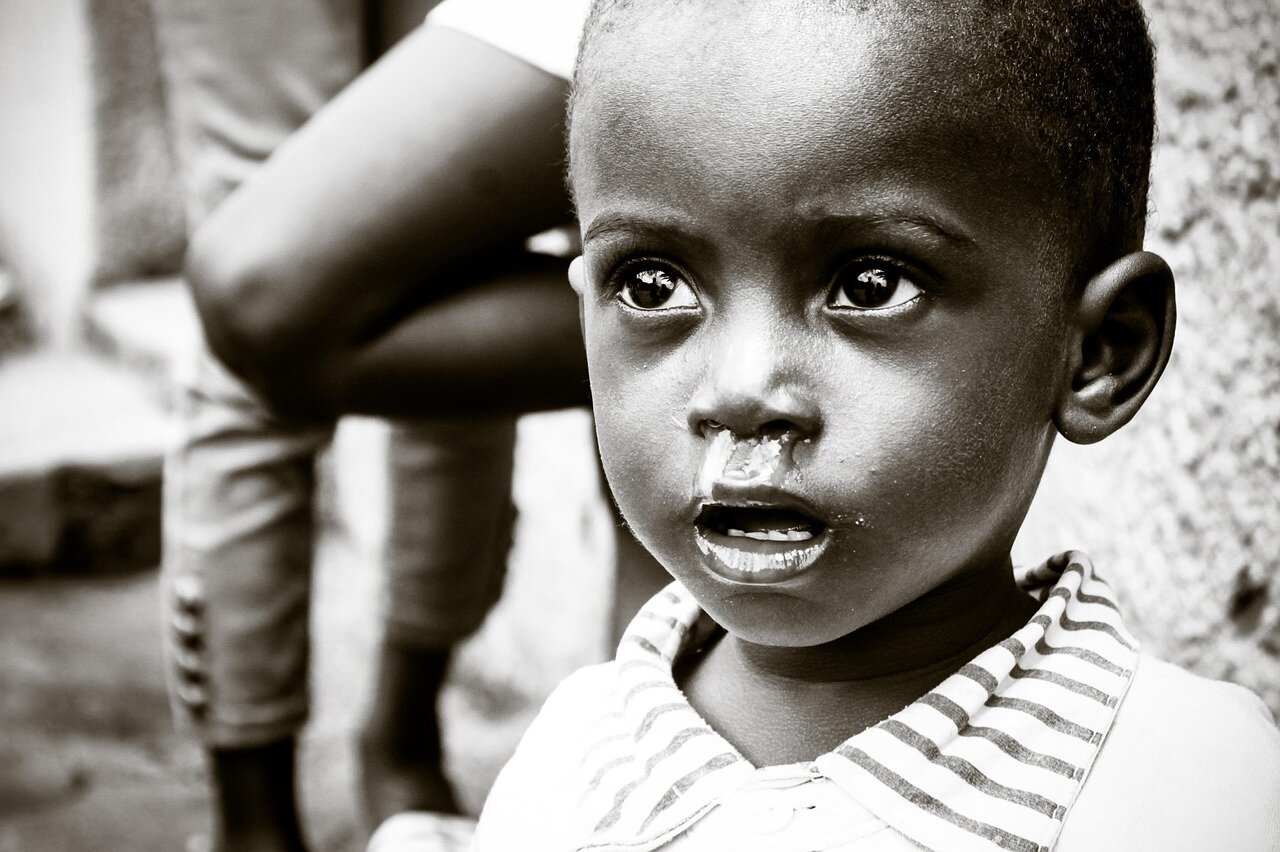
The ongoing Ebola outbreak has far-reaching implications for various groups, particularly in regions where the virus is most prevalent. Communities in West and Central Africa are on the front lines, facing not only health crises but also economic and social disruptions. Healthcare systems are strained, with hospitals and clinics overwhelmed by the surge in cases, leading to challenges in providing adequate care for both Ebola and non-Ebola patients.
In the short term, the immediate impact is felt by healthcare workers, who are at a heightened risk of infection and face increased workloads. This can lead to burnout and a shortage of personnel, further complicating the response to the outbreak. Additionally, local businesses, particularly in the hospitality and travel sectors, may experience a decline in customers due to fear of contagion, affecting their revenue and stability.
Mid-term impacts include potential changes in public health policy, as governments may prioritize funding and resources toward infectious disease preparedness. This could lead to increased investment in healthcare infrastructure, training for healthcare professionals, and the establishment of rapid response teams. However, these changes may take time to implement, leaving communities vulnerable in the interim.
- Healthcare Workers: Increased risk and burnout due to overwhelming caseloads.
- Local Businesses: Decreased revenue from reduced customer activity.
- Public Health Policy: Potential shifts toward greater investment in disease preparedness.
- Community Impact: Heightened fear and stigma surrounding Ebola, affecting social cohesion.
While the outbreak poses significant risks, it also presents opportunities for innovation in vaccine development and treatment strategies. Pharmaceutical companies and research institutions are mobilizing to accelerate the creation of effective vaccines and therapies, which could lead to breakthroughs that benefit not only affected regions but also global health security. The urgency of the situation may foster collaboration across borders, uniting scientists and health organizations in a common goal to combat infectious diseases.
A: Ebola is a severe viral infection that can spread through direct contact with bodily fluids of infected individuals. It is highly contagious and can lead to severe illness and death. A: Yes, there are vaccines that have been developed and tested for Ebola, such as the rVSV-ZEBOV vaccine, which has shown effectiveness in preventing the disease. A: Developing a vaccine can take several years, but in urgent situations like an outbreak, accelerated processes can shorten this timeline significantly. A: Treatments for Ebola include supportive care, such as hydration and symptomatic treatment, as well as antiviral therapies that are being tested in clinical trials. A: Communities can protect themselves by practicing good hygiene, avoiding contact with infected individuals, and following public health guidelines during outbreaks.
Frequently asked questions about Ebola and treatments
Future outlook on Ebola research and public health initiatives
The ongoing spread of Ebola highlights the urgent need for accelerated research and development of effective vaccines and treatments. As scientists and public health officials collaborate to combat this outbreak, the lessons learned will shape future responses to similar viral threats. The integration of innovative technologies and global partnerships will be crucial in strengthening health systems and ensuring rapid responses to emerging infectious diseases.
Monitoring the efficacy of current interventions and maintaining public awareness will be vital in controlling the outbreak. Continued investment in healthcare infrastructure and research will not only help manage the current situation but also prepare for potential future outbreaks.
- Increased funding for vaccine research: A focus on securing resources for the development of vaccines will enhance preparedness for future Ebola outbreaks.
- Global collaboration: Strengthening partnerships between governments, NGOs, and the private sector will facilitate knowledge sharing and resource allocation.
- Public health education: Raising awareness about Ebola transmission and prevention will empower communities to take proactive measures.
- Surveillance systems: Investing in robust surveillance systems will allow for quicker detection and response to future outbreaks.
- Innovative treatment options: Continued exploration of antiviral therapies will be essential in providing effective treatment for those affected by Ebola.