
The urgency for peace talks has been underscored by escalating conflicts in various regions, including the ongoing situation in Ukraine and tensions in the Middle East. Hosts have pointed out that engagement in dialogue could lead to de-escalation and a more stable geopolitical landscape. They argue that Trump’s unique position and influence could be pivotal in fostering such discussions, particularly in light of recent global events.
Several episodes featured guests who are experts in international relations, emphasizing the importance of communication in resolving conflicts. These discussions aim to inform viewers about the complexities of global politics while advocating for a more constructive role for Trump. The commentary has sparked conversations among audiences about the responsibilities of leaders in times of crisis.
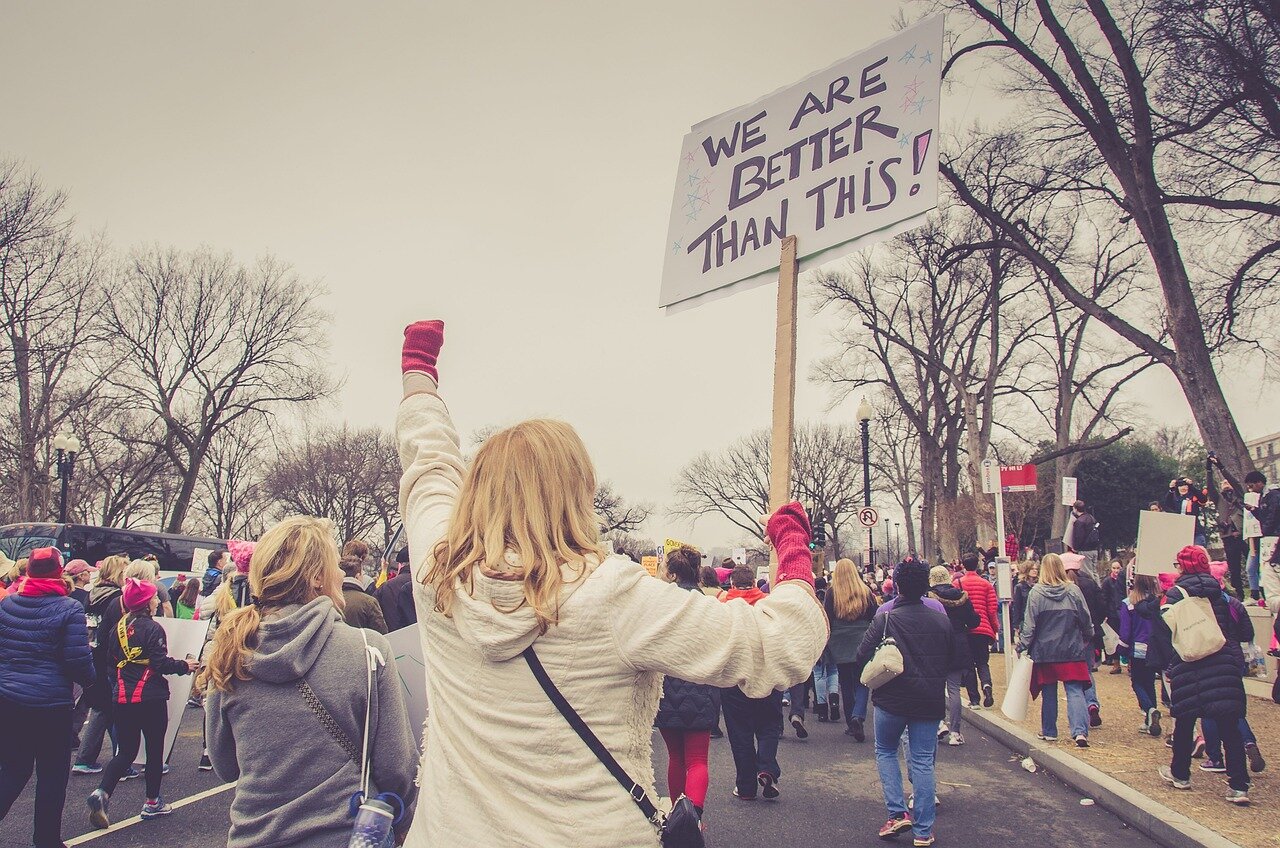
As the 2024 presidential election approaches, the late-night narrative also serves to remind viewers of the impact that political leaders can have on international relations. By framing the need for peace talks as a pressing issue, these shows are not only entertaining but also encouraging civic engagement and awareness among their audiences. The hope is that this dialogue will resonate beyond the television screen and influence public opinion on the matter, similar to the discussions surrounding transformative literature that highlights social issues.
Understanding the current political climate surrounding peace negotiations
In recent years, the political landscape in the United States has been marked by a stark polarization, particularly in relation to foreign policy and diplomacy. The discourse surrounding peace negotiations has often been overshadowed by domestic issues and partisan divides. However, the call for former President Donald Trump to engage in peace talks highlights a growing recognition of the need for dialogue in resolving conflicts, both at home and abroad.
The roots of this situation can be traced back to the tumultuous era of the Trump administration, where traditional diplomatic protocols were frequently challenged. Trump’s unconventional approach to foreign relations, including his meetings with North Korean leader Kim Jong-un, showcased a willingness to break from established norms. This has led to a reevaluation of how peace talks are conducted and who is deemed capable of facilitating them.
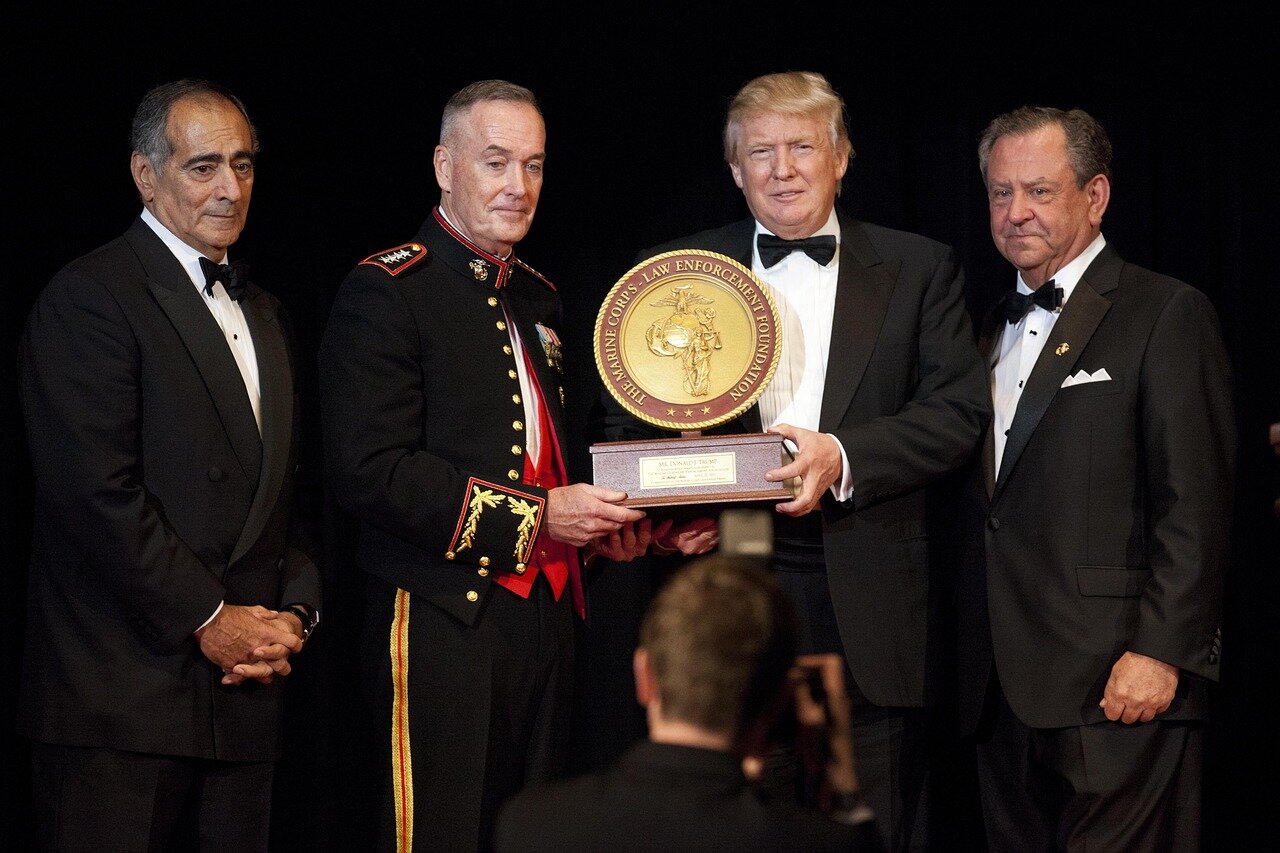
Key milestones in the history of U.S. diplomacy have often involved leaders who were willing to take significant risks for the sake of peace. From Richard Nixon’s opening to China in the 1970s to Barack Obama’s nuclear deal with Iran, these moments demonstrate the potential for transformative change when leaders prioritize dialogue. The current call for Trump to give peace talks a chance reflects a desire for a similar boldness in addressing ongoing global tensions, particularly in regions where U.S. interests are at stake, which can also be seen in discussions about economic investments contributing to stability.
The Economic Implications of Peace Negotiations
The economic ramifications of successful peace negotiations cannot be understated. Historically, conflicts have led to significant economic downturns, both domestically and internationally. The prospect of peace talks often brings hope for stability, which can lead to increased investment and trade opportunities. As the U.S. grapples with economic challenges exacerbated by ongoing geopolitical tensions, the push for engaging in dialogue is seen as a pathway not only to peace but also to economic recovery.
Key stakeholders and issues in the push for peace talks
The ongoing discourse surrounding peace talks, particularly in the context of former President Donald Trump’s potential involvement, brings several key stakeholders to the forefront. These include political leaders, advocacy groups, and international organizations, each with distinct interests and objectives. Understanding these actors is crucial for grasping the complexities of the situation.
One of the primary stakeholders is the Biden administration, which has a vested interest in stabilizing international relations and reducing tensions. The administration aims to leverage diplomatic channels to foster dialogue, particularly in regions experiencing conflict. Conversely, Trump supporters and certain Republican factions advocate for a more aggressive stance, emphasizing national security and skepticism towards diplomatic negotiations.
- International Organizations: Entities like the United Nations play a pivotal role in facilitating peace talks, providing frameworks for negotiation, and offering mediation services.
- Advocacy Groups: Various non-governmental organizations focus on peacebuilding efforts, often pushing for inclusive dialogues that consider the voices of marginalized communities.
- Public Opinion: The general populace’s sentiment can significantly influence political leaders’ decisions, with many citizens advocating for a peaceful resolution over military intervention.
Conflicts arise when the interests of these stakeholders diverge. For instance, while some factions may prioritize immediate security concerns, others argue that long-term peace is best achieved through dialogue and compromise. This divergence can lead to trade-offs that complicate the peace process, as stakeholders must navigate competing priorities and perspectives.
Additionally, legal and economic issues play a crucial role in shaping the landscape of peace talks. Sanctions, international law, and economic incentives are often leveraged to encourage participation and compliance from conflicting parties. The potential for economic aid or sanctions relief can be a significant motivator for engagement in peace talks, yet it also raises questions about fairness and accountability in negotiations.
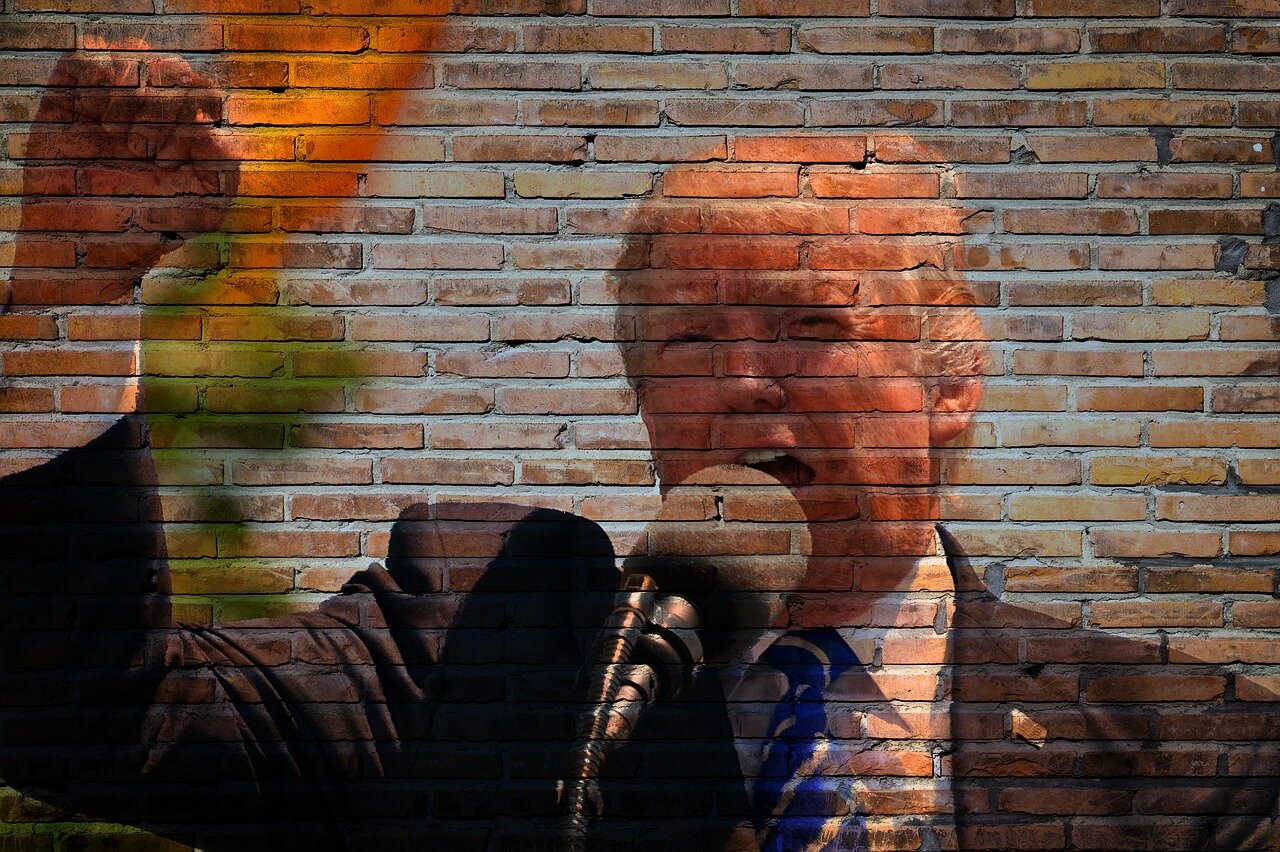
How peace talks could affect various communities and markets
The potential for peace talks involving former President Trump could resonate across various groups and industries, particularly those directly impacted by geopolitical tensions. Communities that have been affected by conflict, such as veterans and their families, could see a shift in the narrative surrounding war and peace, leading to a greater focus on healing and reconciliation.
In the business sector, industries such as defense, energy, and international trade might experience immediate fluctuations. A commitment to peace could lead to reduced military spending, impacting defense contractors and related jobs. Conversely, sectors like tourism and real estate in regions previously affected by conflict may see a resurgence as stability encourages investment and travel.
Short-term impacts might include increased media attention and public discourse surrounding the effectiveness of peace negotiations. This could foster a sense of optimism among citizens, influencing consumer confidence and spending behaviors. In the mid-term, if peace talks yield positive results, we could witness policy shifts that prioritize diplomacy over military intervention, altering the landscape of international relations.
- Communities: Veterans, families, and conflict-affected areas could benefit from a focus on peace.
- Industries: Defense contractors may face challenges, while tourism and real estate could thrive.
- Public Sentiment: Increased optimism may boost consumer confidence and spending.
- Policy Changes: Potential shifts towards diplomacy could reshape international relations.
However, there are risks associated with these talks. Skepticism regarding the sincerity of negotiations could lead to public disillusionment if outcomes fall short. Additionally, industries reliant on military contracts may resist changes that threaten their profitability. Balancing these risks with the potential for economic growth and improved social conditions will be crucial as discussions unfold.
A: Advocates argue that peace talks can lead to better diplomatic relations and reduce tensions. They believe dialogue is essential for resolving conflicts and fostering stability. A: Late night shows often shape public discourse by highlighting key issues in a humorous yet impactful way. Their commentary can sway viewers’ perceptions and encourage political engagement. A: Critics worry that negotiations could be perceived as weakness or that they may not lead to tangible results. There is also concern about the political backlash from opposing parties. A: Yes, history has shown that successful peace talks can lead to significant agreements, such as the Camp David Accords. However, each situation is unique and outcomes can vary. A: Public opinion can greatly influence political leaders. If there is strong support for peace talks among the electorate, it may encourage Trump to pursue negotiations.
Frequently asked questions about Trump’s potential peace talks
Looking ahead: the implications of engaging in peace talks
The recent discussions surrounding the potential for peace talks involving former President Trump highlight a critical juncture in both domestic and international politics. As late-night commentators emphasize the need for dialogue, the implications of such negotiations could reshape public opinion and influence future policy decisions. Engaging in peace talks may not only affect Trump’s political capital but also set a precedent for how contentious issues are approached in the future.
Furthermore, the reactions from various stakeholders, including political opponents and international allies, will be pivotal in determining the success of any proposed negotiations. Observers should consider how these dynamics might evolve as the political landscape continues to shift in response to public sentiment and media coverage.
- Increased public interest: Expect heightened engagement from the electorate as peace talks could become a focal point in upcoming elections.
- Potential bipartisan support: There may be opportunities for cross-party collaboration, particularly if peace efforts align with broader national interests.
- Media framing: Watch how late-night shows and other media outlets portray the negotiations, as this will influence public perception.
- International reactions: Monitor responses from global leaders, as their support or criticism could impact the efficacy of the talks.
- Long-term policy shifts: Consider the possibility of lasting changes in U.S. foreign policy stemming from the outcomes of these discussions.