
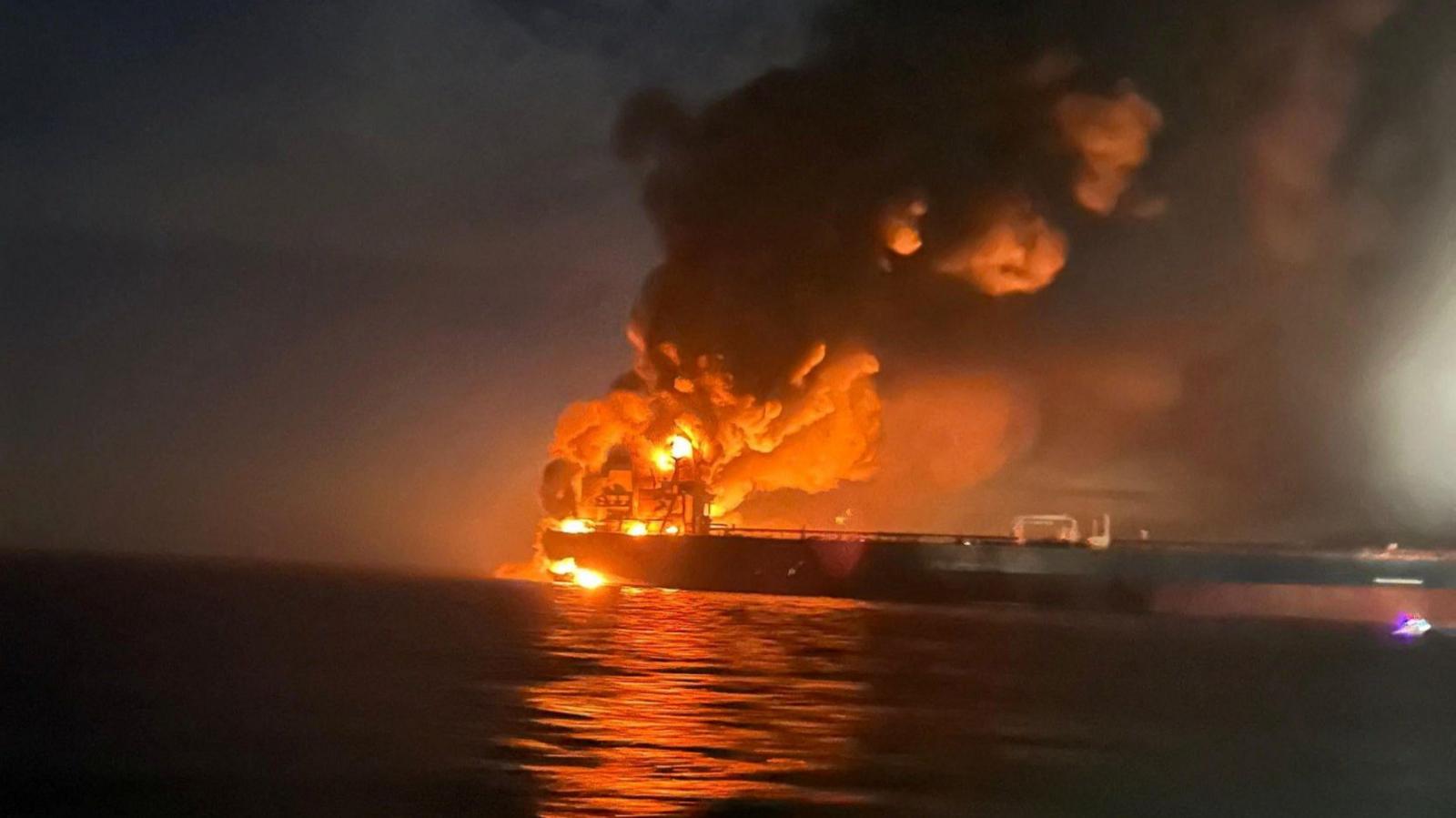
Understanding the necessity of Ukraine’s maritime operations
As the conflict between Russia and Ukraine persists, Ukraine has recognized the necessity to disrupt Russian logistical operations at sea. Targeting tankers serves both economic and strategic interests, aiming to weaken Russia’s supply chain amid its continued military efforts, much like the rising tensions in an Asia-Pacific showdown.

Political and economic implications of targeting tankers
By striking at maritime assets, Ukraine attempts to send a powerful message both domestically and internationally. It emphasizes a commitment to sovereignty while aiming to economically strangle Russia’s capacity to sustain its military operations.
Comparative analysis: maritime strikes in historical context
Looking back at maritime operations in historical conflicts provides insight into Ukraine’s current actions. Similar tactics have been used in past maritime disputes, often aimed at disrupting enemy supply lines.

Historic examples of maritime offensives
- During World War II, the Battle of the Atlantic included targeted attacks on merchant shipping.
- The Gulf of Tonkin incident exemplified how maritime skirmishes can escalate international tensions.
- In modern conflicts, such as in the South China Sea, targeting supply routes has been a common strategy.
Strategies Ukraine implements with these maritime operations
The impacts of targeting Russian tankers extend beyond immediate military outcomes. Ukraine is leveraging these actions to strengthen international support and garner sympathy for its plight against an aggressor, reminiscent of similar struggles in historical contexts.
International diplomatic maneuvers
Ukraine’s operations have prompted responses from major world powers, who may seek to intervene or place sanctions on Russia due to its aggressive posture in maritime environments.

Cautions regarding Ukraine’s heightened maritime tactics
While the move may seem strategically sound, there are significant risks involved. Escalating attacks on tankers could lead to heightened military responses from Russia and further regional instability.
Potential repercussions
Increased attacks may provoke a robust retaliation by Russia, leading to a more entrenched military conflict and potentially drawing in other nations.

Insights into recent developments and their ramifications
The recent attacks by Ukraine highlight growing tensions and the ongoing struggle for supremacy in the Black Sea. As maritime operations continue to evolve, observers will be keenly interested in how these developments will impact regional dynamics, especially given the interconnected nature of global conflicts.
Future outlook on Black Sea engagements
With the conflict showing no signs of abating, the maritime domain in the Black Sea will likely remain a flashpoint that shapes geopolitical conversations.

Frequently asked questions about Ukraine’s maritime actions
A: Targeting tankers aims to disrupt Russian supply lines and assert Ukraine’s naval capabilities.
A: Russia has condemned these actions and may escalate military responses in the region.
A: Escalating attacks could lead to significant military repercussions and increase instability in the region.
A: There is potential for increased diplomatic and military support from Western nations as a result.
A: The long-term effects could entail a more resilient military position for Ukraine and prolonged conflict in the region.
Key insights into the ongoing maritime confrontations
The actions undertaken by Ukraine in the Black Sea represent a critical juncture in the ongoing conflict with Russia. The outcomes of these maritime maneuvers could significantly influence the broader geopolitical landscape, shaping future engagements in the region.