
Understanding the Historical Context
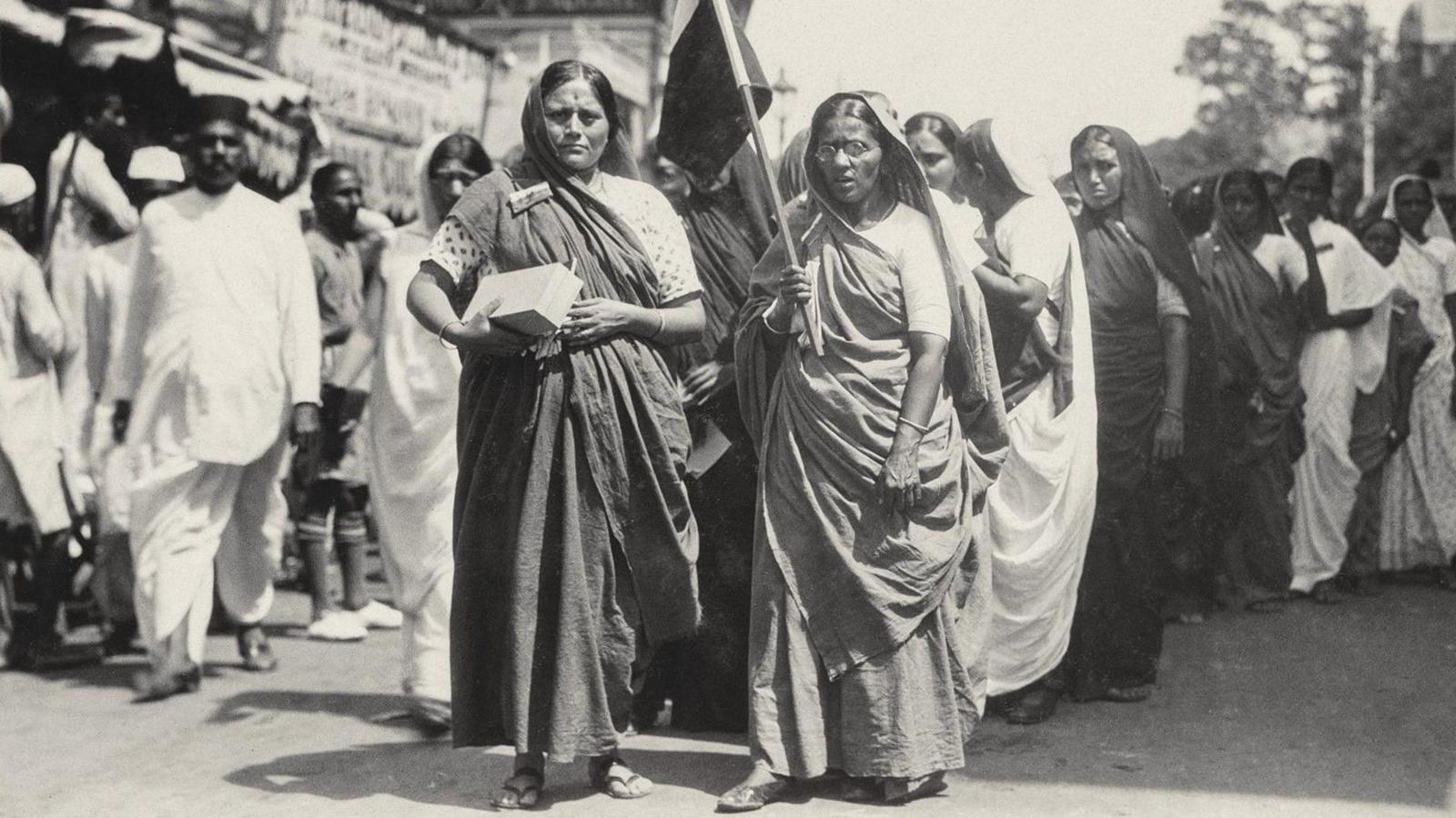
To appreciate the significance of these women, it’s crucial to understand the backdrop of the freedom movement. Women were not just passive supporters; they were active participants in protests, movements, and organizations that sought to liberate India from colonial rule. Women like Sarojini Naidu, Rani Lakshmibai, and the revolutionary Chand Bibi were among those who defied societal norms to stand for independence. To learn more about the role of women’s movements in shaping history, check out our article on women’s empowerment.

The Role of Women in Various Movements
During the struggle for independence, women became prominent figures in major events like the Quit India Movement and the Non-Cooperation Movement. This section delves into their engagement and how their involvement was critical:
- Participating in Protests: Women often faced arrest and harassment yet rallied courageously against the British.
- Educational Places: The push for women’s education was bolstered by their involvement in the freedom struggle.
- Forming Alliances: Women like Kamaladevi Chattopadhyay established organizations that mobilized women’s forces across India.
Highlighting Noteworthy Figures and Photographs
Many photographs have emerged that spotlight these remarkable women. Each image tells a story of resilience, courage, and determination:

Chandramukhi Basu
A freedom fighter and prominent member of the Indian National Congress, her photograph catches her in a moment of passionate speech, illustrating her zeal for the movement.
Rani Lakshmibai
This beloved queen of Jhansi, often depicted in war attire, symbolizes defiance and bravery in the face of British oppression.

Sarojini Naidu
Known as the Nightingale of India, her powerful speeches and leadership in the Indian National Congress transformed the political landscape for women.
Strategies for Recognizing Their Contributions
To elevate these narratives, various strategies should be employed:
- Documentaries and Exhibitions: Creating visual documentation through exhibitions can spotlight these women.
- Educational Curricula: Integrating their stories into school curricula ensures new generations learn their importance.
- Social Media Campaigns: Leveraging social media to share their stories helps spread awareness globally.
Cautions While Sharing Forgotten Histories
While it is essential to recognize these women’s contributions, caution must also be taken:
- Avoiding Stereotypes: The portrayal of women shouldn’t reinforce stereotypes but should highlight their unique struggles.
- Fact-Checking: Verifying the authenticity of photographs and stories is crucial to maintaining historical integrity.
Engaging with Today’s Audience
Today’s youth often relate better through visual mediums. Engaging them through empowerment campaigns that draw parallels between the past and present can cultivate a greater appreciation for these women’s roles.

Frequently Asked Questions About Women’s Role in India’s Freedom Struggle
A: Women played crucial roles in protests, education, and forming organizations, which were key to mobilizing public support against colonial rule.
A: Significant figures include Sarojini Naidu, Rani Lakshmibai, and Chandramukhi Basu, each of whom took part in pivotal events for India’s independence.
A: We can recognize their contributions through educational initiatives, social media campaigns, and by including their stories in public exhibitions.
Future Directions for Acknowledging Women’s Contributions
As society continues to evolve, so should our understanding and recognition of women’s contributions to significant historical movements. By continuing to uncover and celebrate their stories, we create a more inclusive narrative of India’s freedom struggle.