
By embracing her unique body type and showcasing her talent on stage, she has inspired others to reconsider their perceptions of what a ballet dancer should look like. This advocacy is not just about personal expression; it reflects a larger cultural conversation about body positivity and acceptance.
As ballet companies increasingly recognize the importance of diversity, initiatives aimed at promoting inclusive practices are on the rise. Events such as workshops and performances featuring a variety of body types are becoming more common. These efforts are critical, as they not only enrich the art form but also open doors for aspiring dancers who may have previously felt marginalized.
In 2022, several major ballet companies committed to re-evaluating their casting processes and training programs to better reflect diverse body shapes and sizes. This ongoing evolution highlights the significance of representation in the arts and its potential to inspire future generations of dancers, similar to the discussions surrounding diversity in the performing arts.
Understanding the Historical Standards of Ballet Bodies
For centuries, ballet has been synonymous with a specific aesthetic, often characterized by a slender physique, long limbs, and a particular body type that has been idealized in both performance and training. This narrow definition of what constitutes a “ballet body” has roots in the early days of ballet, where the emphasis was placed on visual symmetry and grace, reflecting the art form’s origins in the courts of Renaissance Italy and France. Dancers who conformed to these ideals were often seen as more capable of achieving the technical demands of the art.

However, it wasn’t until the late 20th and early 21st centuries that significant movements began to challenge the rigid standards of ballet aesthetics. Dancers and choreographers started advocating for a more inclusive definition of what a ballet body could be, emphasizing diversity in body shapes, sizes, and abilities, much like the evolving perspectives in other competitive arenas.
The Impact of Cultural Shifts
The cultural landscape has played a crucial role in reshaping the ballet narrative. The feminist movements of the 1960s and 70s, alongside the body positivity movement, encouraged individuals to embrace their unique physical attributes and reject societal pressures to conform. This shift in mindset has permeated various artistic fields, including ballet, leading to a broader acceptance of diverse body types on stage.
Key milestones include the emergence of companies and initiatives dedicated to inclusivity, such as Dance Theatre of Harlem and the establishment of programs that focus on training dancers of all shapes and sizes. These efforts have not only expanded the representation of different body types in ballet but have also enriched the art form itself, allowing for a more varied expression of movement and storytelling.
As this evolution continues, the ballet community faces ongoing challenges, including resistance from traditional institutions and the pressure to maintain established standards. However, the efforts of dancers and advocates are paving the way for a more inclusive future, where the ballet body is no longer confined to a single ideal but celebrated for its diversity and strength.
Key Stakeholders in the Ballet Community and Their Perspectives
The ballet community is composed of various stakeholders, each with distinct interests and perspectives that shape the ongoing conversation about body diversity in ballet. These stakeholders include dancers, choreographers, ballet companies, audiences, and health professionals. Their collective input is essential in understanding the evolving landscape of ballet as it embraces a broader definition of what a ballet body can be.
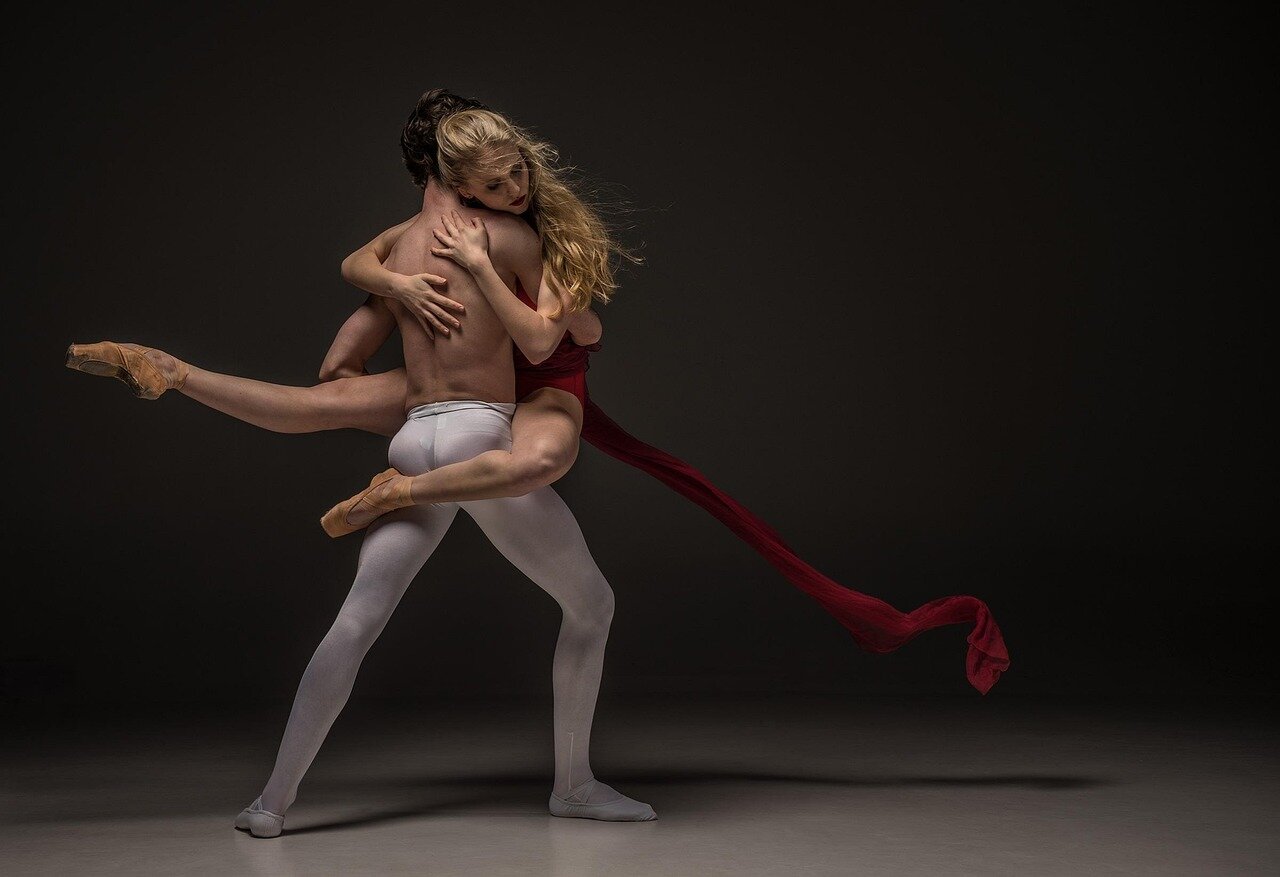
Dancers are at the forefront of this movement, advocating for representation and inclusivity. Many dancers have expressed the desire for ballet to move beyond traditional body standards and embrace a variety of body types, sizes, and abilities. This push for change often conflicts with the expectations set by prestigious ballet institutions that have historically favored a narrow aesthetic. As a result, dancers find themselves navigating the tension between personal expression and institutional norms.
Ballet companies and artistic directors play a crucial role in this transformation. Their decisions regarding casting, choreography, and training programs can either reinforce or challenge existing standards. Some companies are beginning to recognize the value of diverse bodies on stage, while others remain hesitant, fearing that deviating from traditional norms may affect ticket sales or audience reception. This creates a trade-off between artistic vision and commercial viability.
Audience members also contribute to the discourse, as their preferences influence the direction of ballet programming. While some audiences are eager to see more varied representations of dancers, others may hold traditional views that prioritize the classical ballet aesthetic. This divide can lead to conflicts over what types of performances are staged, impacting both the dancers and the companies that produce these works.
- Health Professionals: They advocate for the physical well-being of dancers, emphasizing the importance of body positivity and mental health in a demanding field.
- Choreographers: They have the power to redefine movement and storytelling in ballet, often leading the charge toward more inclusive practices.
- Training Institutions: Schools and academies must adapt their curricula to prepare dancers for a more diverse ballet landscape, balancing tradition with innovation.
- Funding Organizations: These entities can influence the expansion of body diversity by supporting projects that challenge the status quo.
Overall, the intersection of these stakeholders creates a complex web of interests and conflicts that must be navigated as the ballet community seeks to redefine its standards and embrace a more inclusive future. Understanding these dynamics is essential for anyone looking to engage with the evolving narrative of ballet and body diversity.
The Impact of Body Diversity on Dancers and Audiences
The movement towards body diversity in ballet is reshaping the landscape for dancers, audiences, and the broader performing arts community. This shift affects various groups, including aspiring dancers, established ballet companies, and audiences seeking representation. By challenging traditional standards of beauty and athleticism, this initiative opens doors for individuals who may have felt excluded from the ballet world.
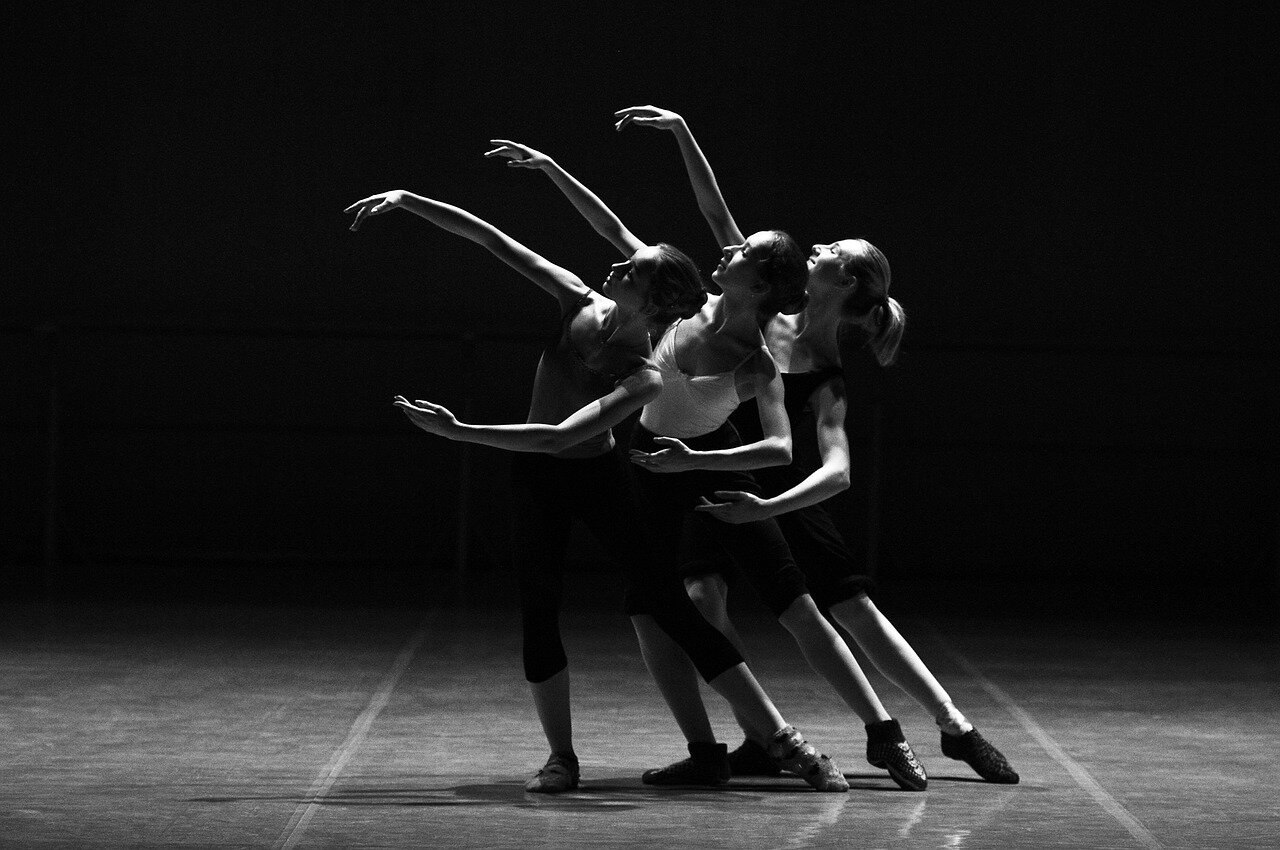
In the short term, we can expect an increase in participation from diverse body types in ballet training programs and performances. As more companies embrace inclusivity, there will be a noticeable shift in casting decisions, leading to a broader representation on stage. This change not only empowers dancers but also enriches the art form, allowing for a wider range of expressions and interpretations.
Mid-term impacts may include changes in audience demographics and expectations. As ballet becomes more inclusive, it may attract a new generation of viewers who resonate with the diverse representations of dancers. This could lead to increased ticket sales and a more engaged community, ultimately benefiting the financial health of ballet companies. However, there are also risks involved, such as potential backlash from traditionalists who may resist these changes.
- Opportunities: New talent discovery and audience expansion.
- Risks: Resistance from traditional ballet enthusiasts and potential financial instability for companies transitioning to inclusive practices.
- Policy Changes: Implementation of diversity initiatives in training and hiring practices.
As the dialogue surrounding body diversity in ballet continues to evolve, it will likely influence not only dancers and audiences but also the policies and practices of ballet institutions. The ripple effects of this movement can lead to a more equitable and innovative future for the performing arts.
A: Expanding the definition of a ballet body involves recognizing and accepting a variety of body types and sizes in the dance community, moving away from the traditional, narrow standards. A: This dancer is using their platform to advocate for body positivity and inclusivity, participating in performances and discussions that challenge conventional beauty standards in ballet. A: Body diversity is crucial in ballet as it allows for a broader representation of talent and encourages more individuals to participate in dance, fostering a more inclusive environment. A: Yes, several organizations are dedicated to promoting body diversity in dance, providing resources, workshops, and platforms for dancers of all shapes and sizes. A: This dancer faces challenges such as pushback from traditionalists in the ballet community and the ongoing need to prove that talent and artistry are not limited to specific body types.
Frequently Asked Questions About Ballet Body Diversity
Looking Ahead: The Future of Ballet and Body Inclusivity
The evolution of ballet is being shaped by a growing recognition that the art form can embrace a wider range of body types and identities. This shift not only enriches the diversity of performances but also challenges long-standing perceptions of what constitutes a “ballet body.” As more dancers advocate for inclusivity, the ballet community may see a transformation in training practices, casting decisions, and audience engagement.
Looking forward, the implications of this movement extend beyond the stage, influencing how ballet is taught and perceived in educational institutions and the broader cultural landscape. The journey towards inclusivity is ongoing, and its success will depend on the commitment of both artists and institutions to foster an environment where all bodies are celebrated.
- Increased Diversity in Casting: Expect to see more varied body types represented in professional companies, reflecting a broader understanding of talent.
- Shifts in Training Approaches: Dance schools may adapt their curricula to prioritize strength and versatility over traditional body ideals.
- Audience Engagement: As diverse representations become more common, audiences will likely develop a deeper connection to performances that resonate with their own experiences.
- Collaborative Projects: Look for initiatives that bring together dancers of all backgrounds to create innovative works that challenge the status quo.
- Influence on Fashion and Costuming: The ballet costume industry may evolve to accommodate and celebrate a wider range of body shapes, contributing to a more inclusive aesthetic.