
Notable cities such as Dallas, Texas, and Indianapolis, Indiana, are positioned within this path, making them prime viewing spots for enthusiasts and casual observers alike.
Local governments and tourism boards are organizing events and educational programs to enhance the viewing experience, while ensuring public safety and traffic management during this peak time, aligning with their interests in the upcoming total solar eclipse.
The significance of this eclipse extends beyond mere spectacle; it presents a unique opportunity for scientific research. Astronomers and researchers are planning to study the Sun’s corona and gather data that may enhance our understanding of solar activity and its effects on Earth.
With the last total solar eclipse visible from the contiguous United States occurring in 2017, this upcoming event is generating considerable excitement and anticipation. As communities prepare to welcome eclipse chasers, the collective enthusiasm highlights the enduring human fascination with celestial phenomena.
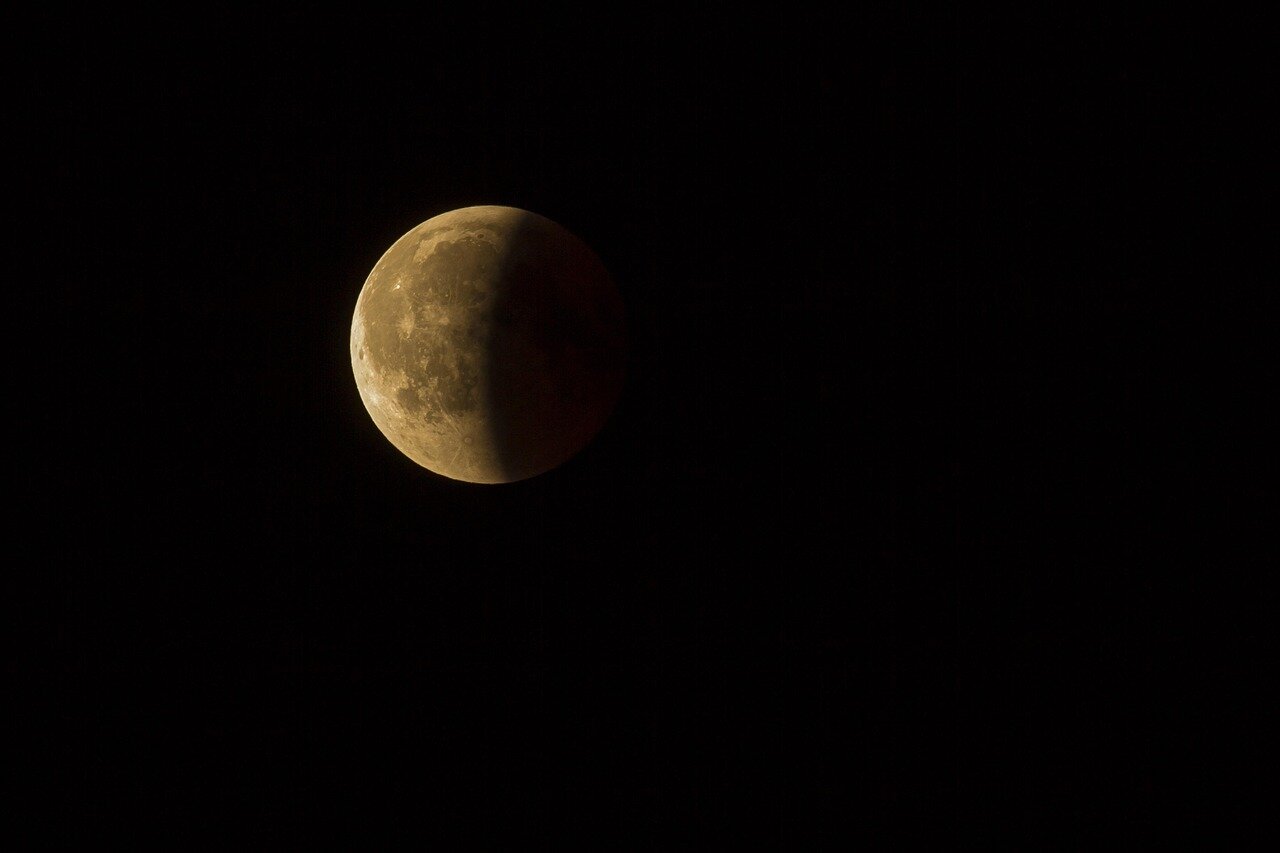
The significance of solar eclipses in astronomy
Solar eclipses have captivated humanity for centuries, serving as both a scientific phenomenon and a source of cultural significance. Historically, these events were often interpreted as omens or messages from the gods, influencing social and political decisions. The total solar eclipse, where the moon completely obscures the sun, is particularly striking and has been a focal point for astronomical studies since ancient times.
The first recorded observation of a total solar eclipse dates back to 2134 BC in ancient China. This event prompted the development of early astronomical theories and calendars. As civilizations evolved, the study of eclipses became more systematic. For instance, the Greeks, including philosophers like Anaxagoras and Ptolemy, sought to explain these occurrences through geometry and mathematics, laying the groundwork for modern astronomy.
In the 19th century, solar eclipses played a crucial role in advancing scientific understanding. The total solar eclipse of 1868 allowed astronomers to discover helium, a significant milestone in the study of solar composition. Additionally, the total solar eclipse of 1919 provided critical evidence for Albert Einstein’s theory of general relativity, demonstrating how massive bodies like the sun could bend light.
The cultural impact of solar eclipses
The upcoming total solar eclipse on August 12 is expected to attract millions, highlighting the enduring fascination with this astronomical phenomenon, akin to how cultural events draw large crowds.
Key locations and viewing strategies for the eclipse
The total solar eclipse on August 12, 2026, presents a unique opportunity for various stakeholders, including local governments, tourism boards, and astronomy organizations. Each of these actors has a vested interest in maximizing the visibility and enjoyment of the event, which can lead to significant economic benefits for the regions in the path of totality.
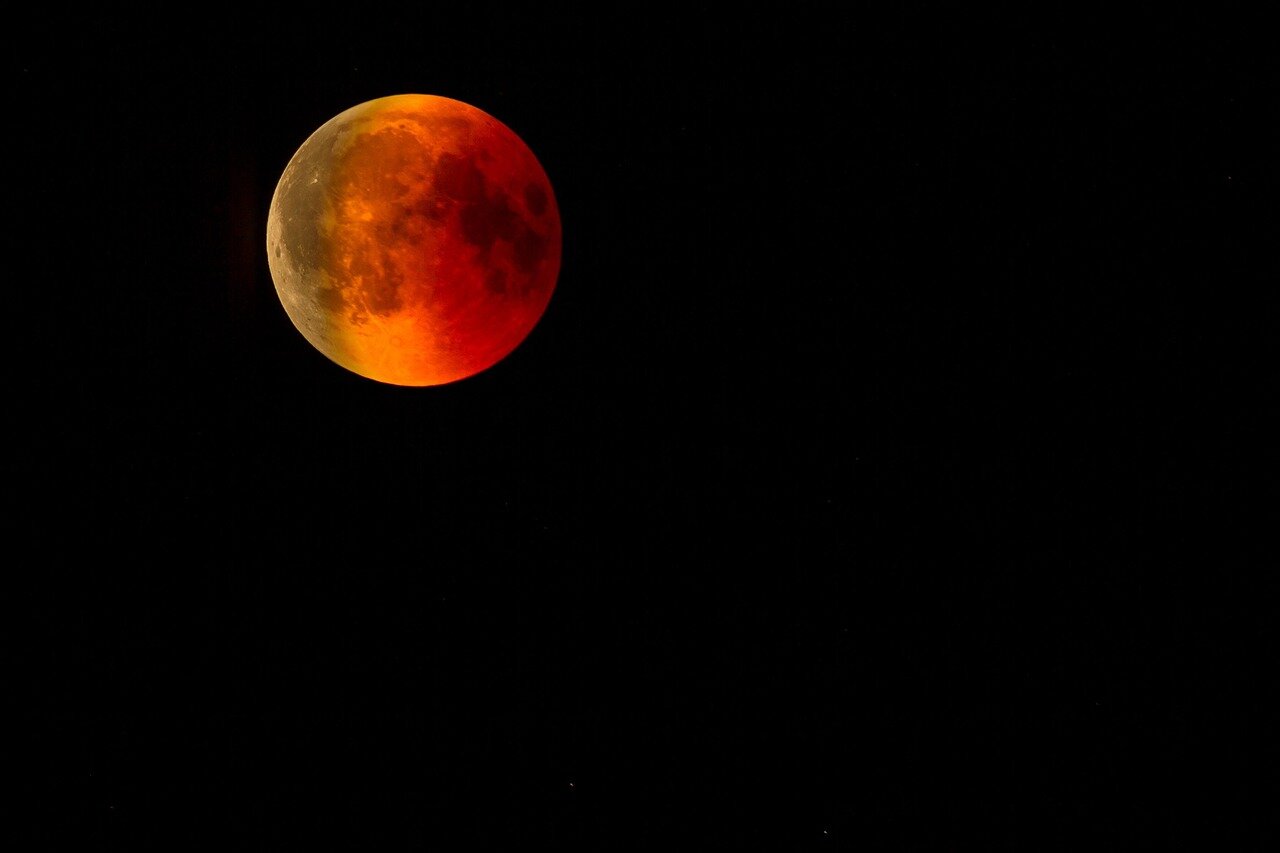
Local governments, particularly in areas like the northern regions of Spain and parts of Greenland, are focusing on infrastructure improvements and public safety measures to accommodate the influx of tourists. Their interests lie in enhancing visitor experiences while ensuring that local residents are not adversely affected by the increased traffic and crowds. This can create a conflict between the need for economic growth and the necessity of maintaining community well-being.
Tourism boards are actively promoting viewing strategies that highlight the best vantage points for the eclipse. They may organize events, guided tours, and educational programs to attract visitors. However, the challenge lies in balancing the promotion of these activities with the environmental impact of increased foot traffic in sensitive areas. Stakeholders must consider how to manage the ecological footprint while still capitalizing on the potential economic windfall.
Astronomy organizations, including local observatories and educational institutions, are also key players in this event. They aim to provide educational resources and viewing equipment to the public, fostering a greater appreciation for astronomy. Their interests align with public engagement but may conflict with commercial interests that prioritize profit over educational outreach.
- Local governments must address infrastructure needs versus community impact.
- Tourism boards face the challenge of promoting events while managing environmental concerns.
- Astronomy organizations seek to enhance public knowledge but may compete with commercial entities.
- Public safety and accessibility are critical considerations for all stakeholders.
- Economic benefits must be weighed against potential long-term effects on local ecosystems.
Who will be affected by the eclipse and how
The total solar eclipse on August 12 is set to impact a wide range of groups, industries, and regions, particularly those located along the path of totality. This includes millions of residents and tourists who will flock to areas where the eclipse can be fully observed. Cities such as Dallas, TX, and Little Rock, AR, are expected to experience a significant influx of visitors, which can have both positive and negative effects on local communities.
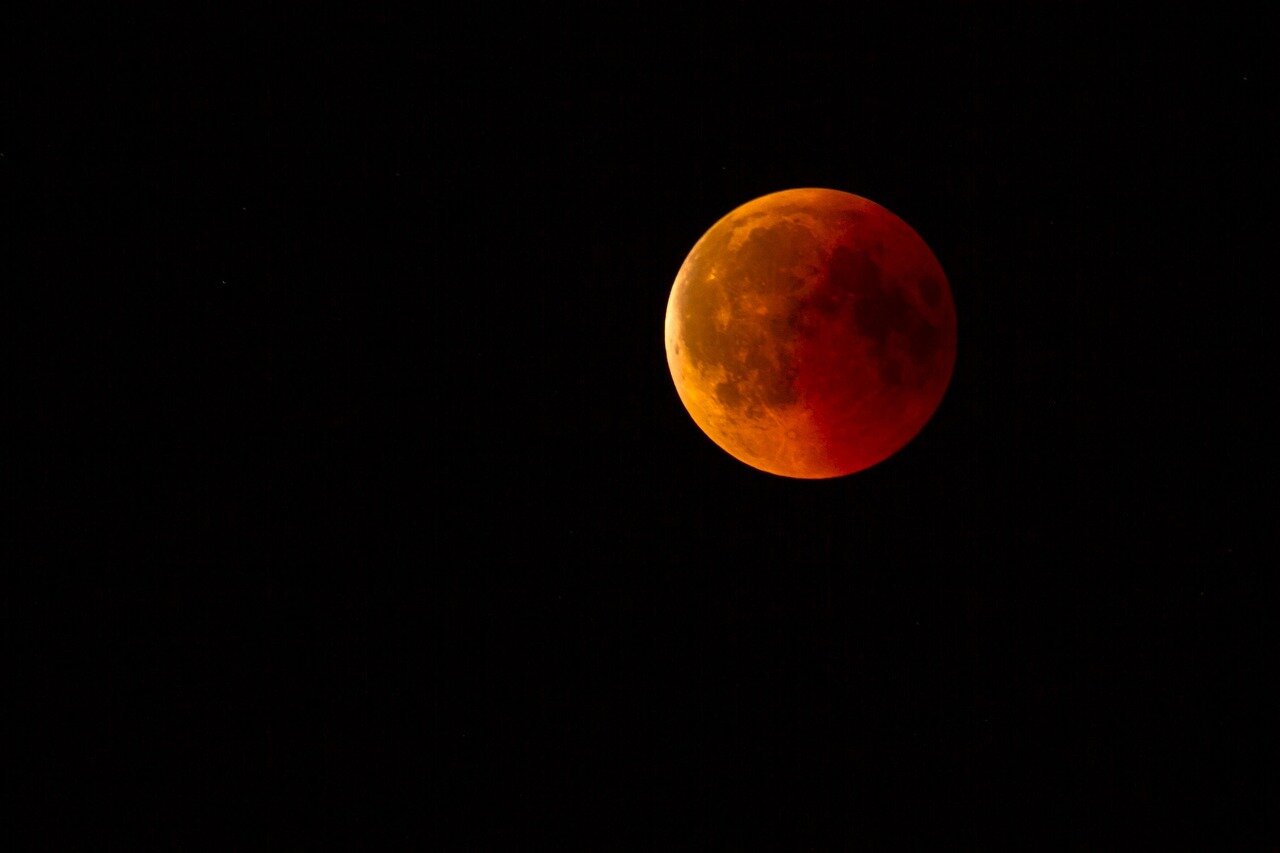
In the short term, local businesses such as hotels, restaurants, and retailers are poised to benefit from the increased demand. Many establishments are already reporting high booking rates, and some are even offering special eclipse-themed promotions. However, this surge in tourism may also lead to overcrowding and strain on local infrastructure, potentially causing disruptions in daily life for residents.
In addition to the hospitality sector, the event will impact educational institutions and scientific organizations. Schools may organize special viewing events and educational programs to engage students in astronomy. Research institutions could take advantage of the eclipse to conduct studies on solar phenomena, providing opportunities for collaboration and innovation in the field.
- Tourism Surge: Increased visitors may boost local economies.
- Infrastructure Strain: Potential for overcrowding and service disruptions.
- Educational Opportunities: Schools and institutions may enhance science education.
- Scientific Research: Opportunities for studies and data collection during the eclipse.
In the mid-term, the eclipse may prompt policy discussions regarding infrastructure improvements and emergency preparedness in areas frequently visited for astronomical events. Local governments might consider investing in better public transport and facilities to accommodate future influxes of visitors during similar events. This could lead to long-term benefits for communities that position themselves as prime locations for astronomical tourism.
Overall, while the total solar eclipse presents risks such as logistical challenges and potential disruptions to daily life, it also offers significant opportunities for economic growth, community engagement, and scientific advancement. The way communities and industries respond to these challenges will shape the lasting impact of this celestial event.
A: The total solar eclipse will take place on August 12, 2026. It will be visible in certain regions, and timing will vary based on your location. A: The best locations to view the total solar eclipse include parts of the Arctic, Greenland, Iceland, and Spain. Make sure to check local viewing spots. A: To safely view the eclipse, use solar viewing glasses or eclipse viewers. Regular sunglasses are not safe for direct viewing. A: The timing of the eclipse will vary by location, so it’s essential to check local forecasts and eclipse maps for precise times. A: Many locations will host viewing parties and educational events. Check local astronomy clubs or community centers for organized activities.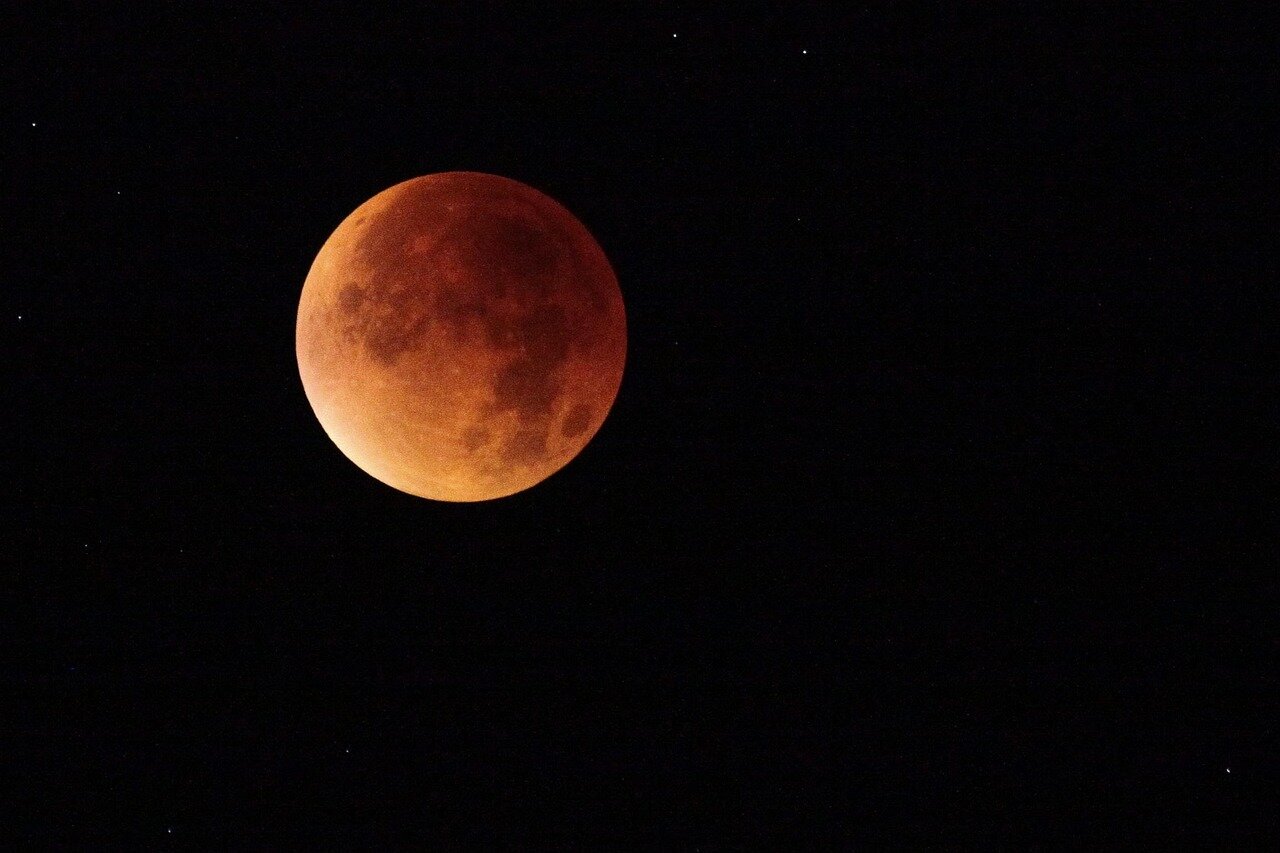
Frequently asked questions about the solar eclipse
Key takeaways and future outlook on solar eclipses
The total solar eclipse on August 12 presents a unique opportunity for both casual observers and astronomy enthusiasts alike. As this celestial event draws near, understanding the best locations to witness it can enhance the experience. With careful planning, viewers can maximize their enjoyment and appreciation of this rare phenomenon.
Looking ahead, the interest in solar eclipses is likely to inspire more public engagement with astronomy. Educational initiatives and community events surrounding the eclipse can further foster a deeper understanding of our solar system, encouraging future generations to explore the wonders of space.
- Identify optimal viewing locations ahead of time to ensure a clear line of sight and minimal light pollution.
- Consider attending local events or gatherings that offer telescopes and expert commentary to enrich the viewing experience.
- Plan for safety by using proper solar viewing glasses to protect your eyes during the eclipse.
- Document the experience through photography or journaling, as this can create lasting memories and insights into the event.
- Stay informed about future solar eclipses and related astronomical events to continue exploring the beauty of our universe.