
The speaker, whose identity has not been disclosed for safety reasons, addressed a gathering of supporters and media, emphasizing the need for unity among Ukrainians in the face of aggression. The speech resonated deeply, underscoring the emotional toll that the conflict has taken on civilians and the importance of international support for Ukraine’s sovereignty.
During the confrontation, reports indicated that Russian troops attempted to advance into Ukrainian territory, prompting a swift response from local defense forces. This incident is part of a broader pattern of escalations that have been observed in the region, raising concerns about potential further military actions.

As the situation unfolds, it is crucial to monitor the responses from both Ukrainian leadership and international allies. The ongoing conflict not only affects regional stability but also has implications for global security and geopolitical dynamics, particularly in Europe.
Background on the ongoing conflict between Ukraine and Russia
The conflict between Ukraine and Russia has deep historical roots, dating back to the dissolution of the Soviet Union in 1991. Ukraine, once a significant part of the USSR, declared independence, which marked the beginning of a complex relationship with Russia. The subsequent years saw Ukraine grappling with its identity, navigating between Western influences and Russian ties, which laid the groundwork for future tensions. This complicated history is crucial to understanding the ongoing crisis, much like the stories shared by individuals impacted by international conflict.
A pivotal moment occurred in 2014 when Russia annexed Crimea following Ukraine’s Euromaidan protests, which resulted in the ousting of pro-Russian President Viktor Yanukovych. This action was met with widespread condemnation from the international community and led to economic sanctions against Russia. The annexation not only escalated military tensions but also fueled an ongoing conflict in Eastern Ukraine, where pro-Russian separatists declared independence in regions like Donetsk and Luhansk, drawing parallels to other geopolitical struggles.

The war in Eastern Ukraine has resulted in thousands of deaths and a humanitarian crisis, with millions displaced from their homes. International efforts to mediate the conflict, including the Minsk agreements, have struggled to achieve lasting peace, as both sides continue to accuse each other of violations. The geopolitical stakes have risen, with NATO and the European Union expressing support for Ukraine, while Russia maintains its military presence in the region.
Recent Developments and Global Impact
In recent years, the conflict has drawn significant global attention, particularly due to the strategic implications for Europe and the West. The ongoing war has prompted discussions about energy security, military alliances, and the stability of Eastern Europe. As Ukraine seeks closer ties with NATO and the EU, Russia perceives this as a direct threat to its sphere of influence, resulting in a continuous cycle of escalation and retaliation.
The recent impassioned speeches by Ukrainian leaders highlight the resilience and determination of the Ukrainian people amidst the ongoing conflict. These statements not only serve to rally national support but also aim to draw international attention to the plight of Ukraine, emphasizing the need for continued support against Russian aggression.
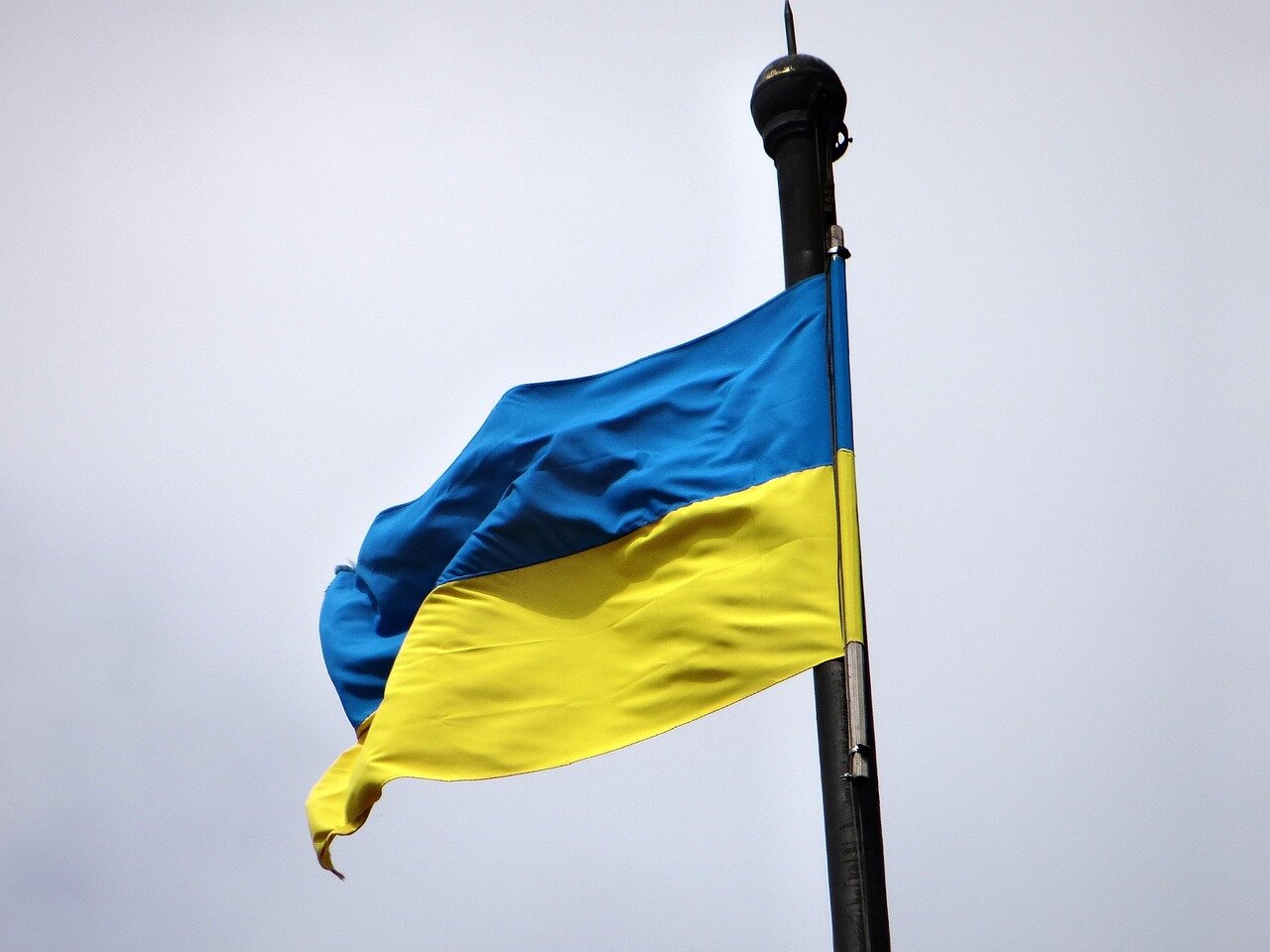
Key stakeholders and issues surrounding the speech
The recent impassioned speech delivered by a Ukrainian representative in response to ongoing Russian aggression highlights several key stakeholders and issues at play. The primary actors involved include the Ukrainian government, Russian authorities, international organizations, and various advocacy groups. Each of these entities has distinct interests and motivations that shape the discourse surrounding the conflict.
The Ukrainian government, led by President Volodymyr Zelensky, seeks to rally domestic and international support against Russian military actions. Their primary interest lies in preserving national sovereignty and territorial integrity, while also seeking economic and military assistance from allies. The speech serves as a platform to galvanize support and raise awareness of the ongoing humanitarian crisis resulting from the conflict.
On the other hand, the Russian government, under President Vladimir Putin, has its own strategic interests, including maintaining influence over former Soviet states and projecting power on the global stage. The conflict presents significant legal and economic issues, particularly concerning international law and sanctions. Russia’s actions have drawn widespread condemnation, yet it continues to assert its narrative of security and territorial claims.

- Humanitarian Concerns: The ongoing conflict has resulted in a significant humanitarian crisis, with millions displaced and in need of assistance.
- International Response: The speech aims to prompt a stronger response from Western nations, including potential sanctions or military support.
- Legal Implications: The situation raises questions about violations of international law, particularly regarding sovereignty and territorial integrity.
- Economic Sanctions: The economic repercussions of the conflict affect not only the involved nations but also global markets and trade.
- Media and Public Perception: The portrayal of the conflict in media influences public opinion and can impact governmental policies.
In addition to these actors, various international organizations, such as the United Nations and NATO, play a role in mediating the situation. Their involvement is crucial for addressing the broader implications of the conflict and facilitating dialogue between the parties involved. The complexities of the situation underscore the need for a comprehensive understanding of the interests and motivations of all stakeholders.
Impact of the speech on public sentiment and international response
The impassioned speech delivered by the Ukrainian representative has resonated deeply with various groups, including the general public, international policymakers, and human rights organizations. The emotional appeal of the speech is likely to galvanize support for Ukraine, influencing public sentiment across several nations and potentially leading to increased advocacy for Ukrainian sovereignty.
Industries related to defense, humanitarian aid, and energy are particularly affected. The defense sector may see a surge in investment and support as nations reassess their military strategies in light of the ongoing conflict. Humanitarian organizations may experience an influx of donations and volunteers, as the speech highlights the urgent needs of those affected by the war.
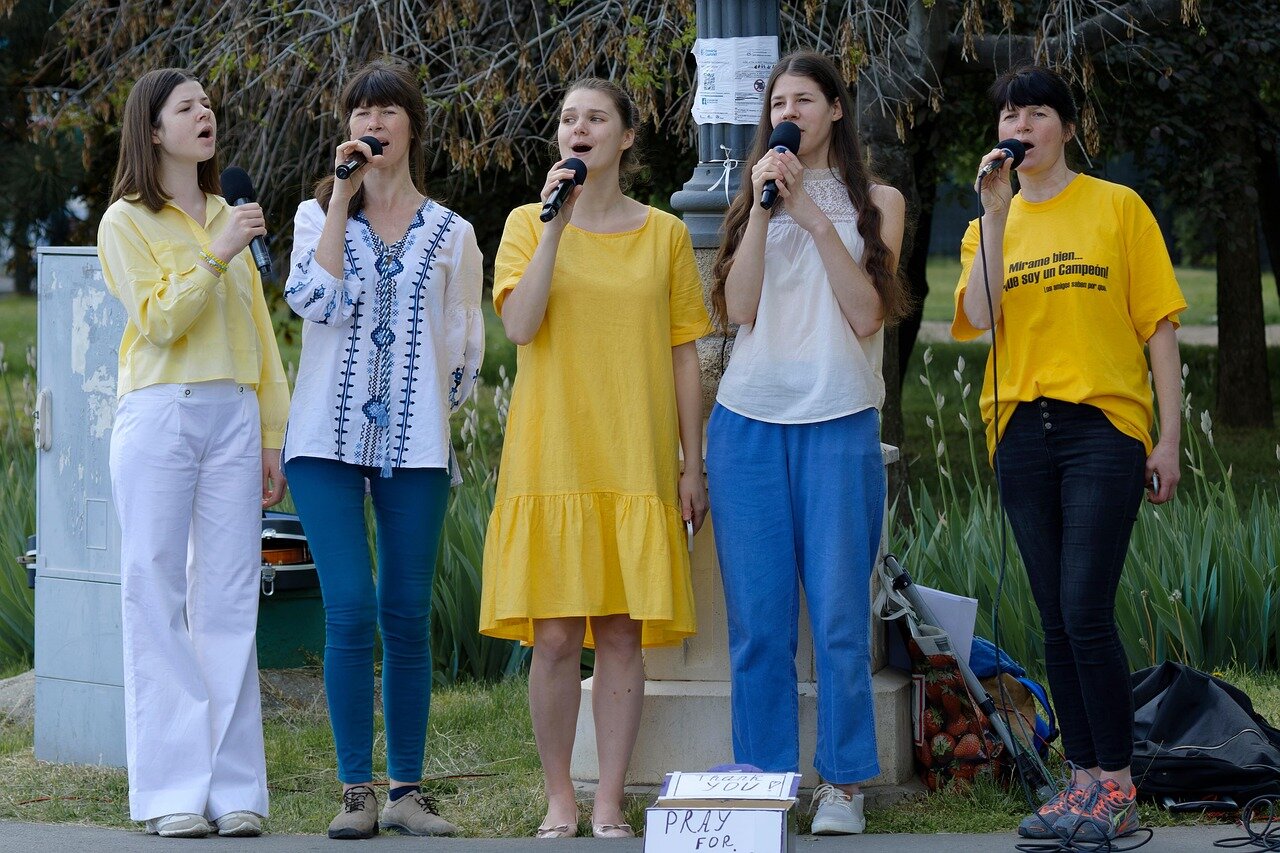
In the short term, the speech could lead to immediate policy changes, such as increased sanctions on Russia or enhanced military aid to Ukraine from allied countries. This could alter the dynamics of international relations and trade, especially within Europe, where energy dependencies on Russia are being reconsidered.
- Short-term impacts: Increased public support for Ukraine, heightened military aid, and potential sanctions on Russia.
- Mid-term impacts: Shifts in energy policies, growth in defense spending, and a reevaluation of international alliances.
- Risks: Escalation of conflict, economic instability, and potential backlash against Ukrainian refugees.
- Opportunities: Strengthened global coalitions, innovation in defense technologies, and increased awareness of human rights issues.
As the situation evolves, the potential for both risks and opportunities will shape the landscape for businesses and communities affected by the ongoing conflict. The speech serves as a catalyst for change, prompting a reevaluation of priorities and strategies among nations and industries alike.
A: The speech was prompted by a recent confrontation with Russian forces, which highlighted the ongoing struggles faced by Ukrainians in the conflict. A: The speaker emphasized resilience, the importance of unity among Ukrainians, and a call for international support to counter Russian aggression. A: The international community has expressed solidarity with Ukraine, with many leaders reaffirming their support for Ukrainian sovereignty. A: This speech serves as a poignant reminder of the human cost of the conflict and aims to galvanize support both domestically and internationally. A: Yes, several rallies and discussions are planned to further raise awareness about the situation in Ukraine and to promote peace initiatives.
Frequently asked questions about the speech and its implications
Key takeaways and future outlook on the conflict
The recent impassioned speech by a Ukrainian leader in the face of ongoing Russian aggression highlights the resilience and determination of Ukraine amidst a challenging geopolitical landscape. This moment not only galvanizes domestic support but also signals to the international community the urgency of continued solidarity with Ukraine. As the conflict evolves, the implications of such speeches may resonate beyond immediate morale, influencing diplomatic relations and military strategies.
Looking ahead, several factors will play a crucial role in shaping the trajectory of the conflict. The response from the international community, the internal dynamics within Ukraine, and the strategic decisions made by Russia will all be pivotal in determining the future landscape of this ongoing struggle.
- Increased international support: Watch for potential escalations in military aid and diplomatic backing from Western nations as Ukraine continues to assert its sovereignty.
- Domestic unity: The impact of national speeches on public sentiment and unity within Ukraine will be crucial in maintaining resilience against external pressures.
- Russian strategy adjustments: Monitor how Russia may adapt its military tactics in response to heightened Ukrainian resolve and international scrutiny.
- Long-term implications: Consider the broader geopolitical ramifications of the conflict, including shifts in alliances and the potential for future conflicts in the region.