
The Indian Meteorological Department (IMD) has issued heatwave warnings across the region, emphasizing the need for protective measures. Local authorities are struggling to provide sufficient relief, as the demand for resources outstrips supply. With many slum dwellers lacking proper housing, the impact of the heat is exacerbated, leading to heightened vulnerability among the population. For insights on urban challenges, you can read about Delhi’s most exclusive club facing potential shutdown.
Community organizations are stepping in to offer support, distributing water and basic supplies to those in need. However, the scale of the crisis is overwhelming, with thousands of people exposed to the scorching sun for extended periods. This situation underscores the urgent need for comprehensive strategies to address the needs of the most affected populations during extreme weather events, similar to how NGOs are raising awareness about the dangers of extreme heat.
As the heatwave persists, the long-term implications for health and economic stability in Delhi are concerning. Heat-related illnesses are on the rise, straining local healthcare systems already burdened by other challenges. The current crisis highlights the intersection of climate change and socio-economic disparities, calling for immediate action and sustainable solutions.
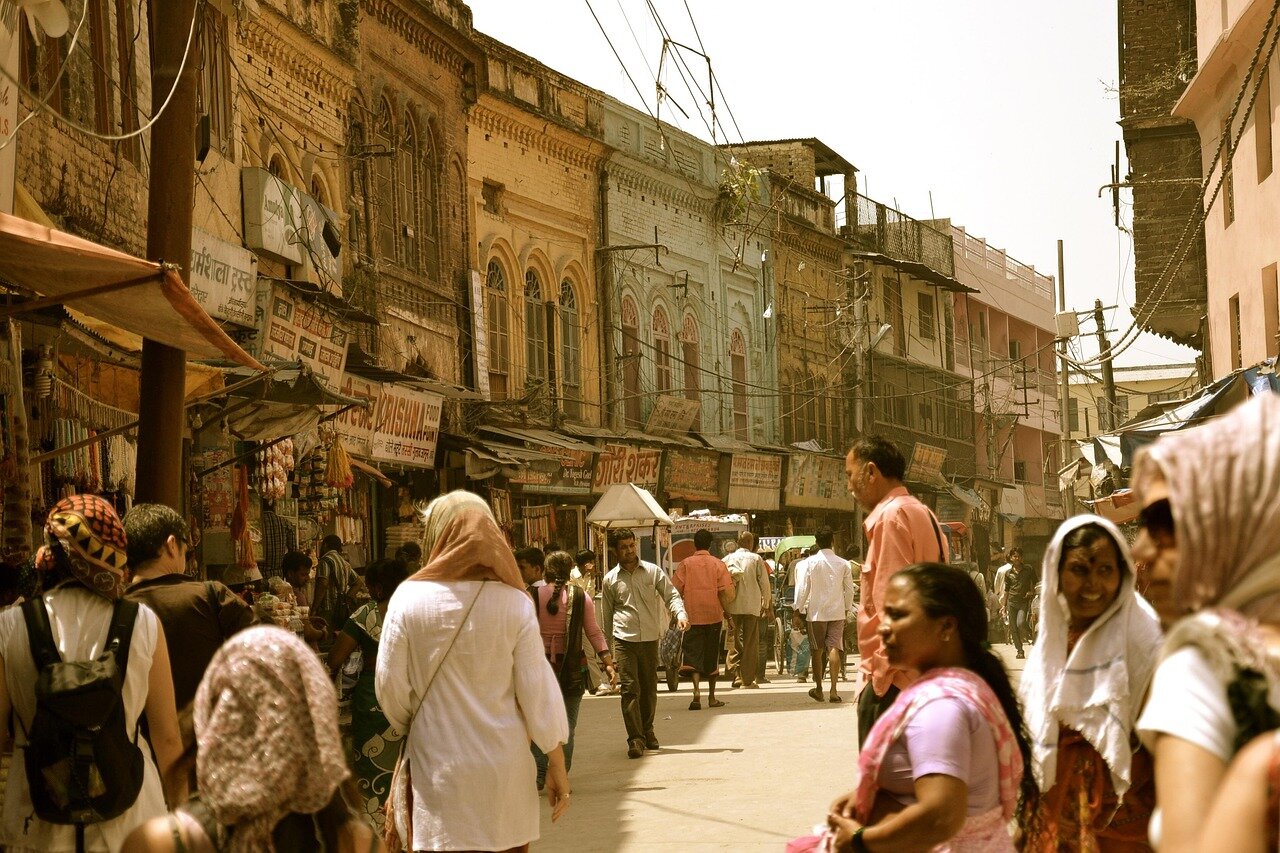
Understanding the socio-economic landscape of Delhi’s poor
Delhi, the bustling capital of India, is a city of contrasts, where affluence coexists with extreme poverty. Historically, the rapid urbanization and migration from rural areas have led to a significant increase in the population, with many seeking better opportunities in the city. This influx has resulted in the proliferation of informal settlements, where a large portion of the population lives without access to basic amenities such as clean water, sanitation, and adequate housing. These urban challenges are becoming more pronounced as highlighted by the ongoing heatwave impacting hospital conditions in Britain.
The socio-economic conditions of Delhi’s poor are exacerbated by a lack of political representation and ineffective governance. Over the years, policies aimed at urban development have often overlooked the needs of marginalized communities. The focus has frequently been on infrastructure projects that cater to the affluent, leaving the poor to fend for themselves, especially during extreme weather events such as the recent heatwaves.
Impact of Climate Change
As global temperatures rise, cities like Delhi are experiencing increasingly severe heatwaves. The urban heat island effect, where built-up areas become significantly warmer than their rural surroundings, compounds the problem for the city’s poor. Many dwellers in informal settlements lack adequate housing to shield them from the sweltering heat, forcing them to choose between survival and safety. This dilemma is particularly poignant as they often have to work in harsh conditions to earn a living, further jeopardizing their health and well-being.
Key milestones in the history of Delhi’s urban planning have often failed to address the needs of its poorest residents. Initiatives such as the Master Plan for Delhi have aimed to create a more inclusive city, but implementation has lagged behind promises. Consequently, the poor remain vulnerable to the impacts of climate change, with limited resources to adapt or seek relief during extreme weather conditions.
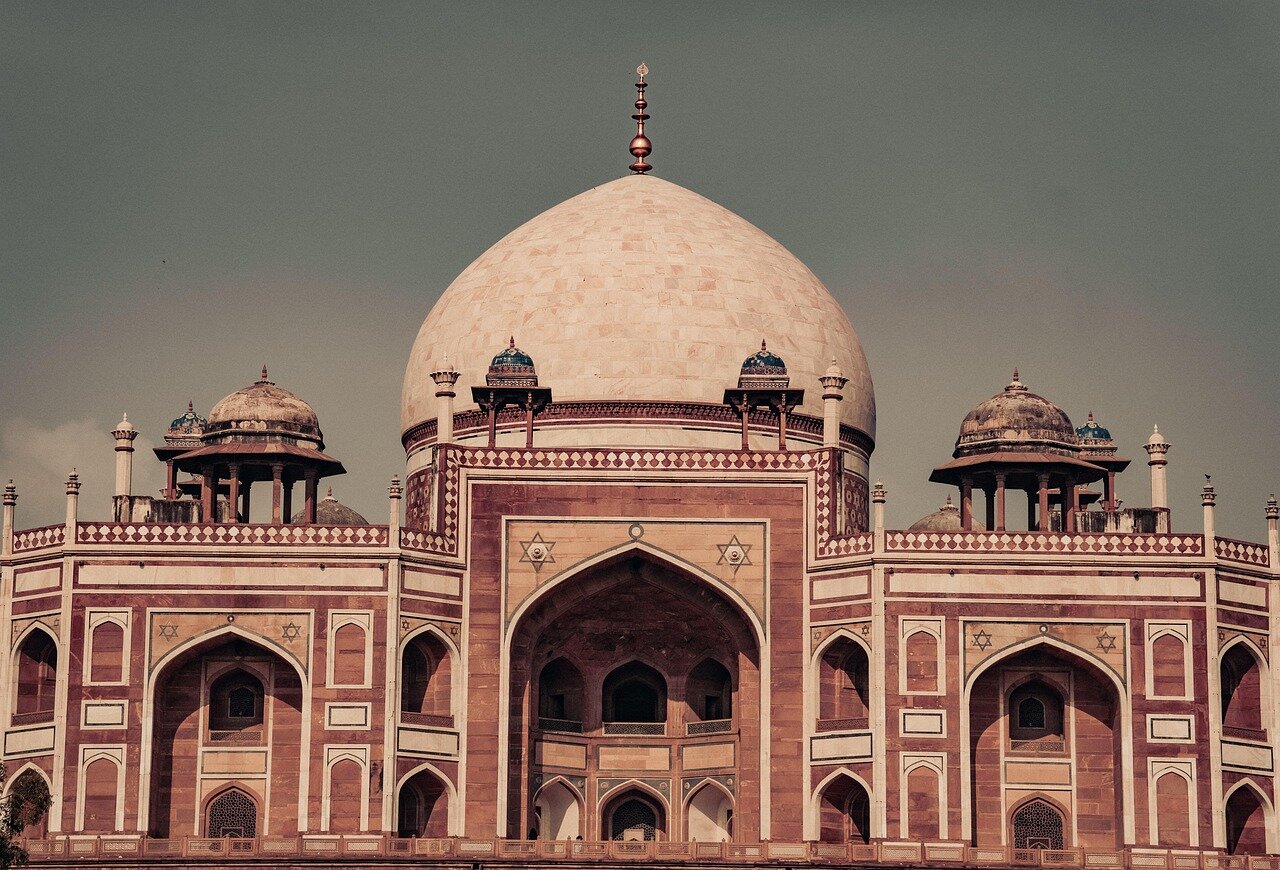
As temperatures soar to unprecedented levels, the plight of Delhi’s poor underscores the urgent need for comprehensive policies that prioritize their survival. Without immediate action and a shift in focus towards sustainable urban development, the cycle of poverty and vulnerability will only deepen, leaving the most marginalized communities to bear the brunt of climate change and urban neglect.
Key stakeholders and challenges in addressing heat-related risks
As temperatures in Delhi soar to unprecedented levels, the plight of the city’s poor has become increasingly dire. Various stakeholders are involved in the ongoing struggle to address the heat-related risks faced by vulnerable populations. These stakeholders include local government authorities, non-governmental organizations (NGOs), community leaders, and the affected individuals themselves.
The local government, responsible for urban planning and public health, faces significant challenges in providing adequate support to the poor. Their primary interest lies in maintaining public order and ensuring the well-being of all citizens. However, the economic constraints of the city limit their ability to implement effective heat mitigation strategies, such as creating more green spaces or improving access to water.
NGOs play a crucial role in advocating for the rights of the poor and providing immediate assistance during heatwaves. They often focus on raising awareness about the dangers of extreme heat and mobilizing resources for cooling centers and hydration stations. However, their efforts can sometimes conflict with government policies, which may prioritize other issues over immediate heat-related interventions.

- Economic Constraints: Limited funding for heat resilience programs hampers effective response.
- Public Health Risks: Rising temperatures exacerbate health issues, particularly among marginalized communities.
- Policy Conflicts: Differences in priorities between government and NGOs can lead to fragmented responses.
- Community Engagement: Lack of involvement from local communities can undermine the effectiveness of interventions.
Individuals living in poverty often face the hardest choices during extreme heat events. With limited resources, they must prioritize survival over safety, often opting to work in hazardous conditions rather than seeking shelter from the heat. This trade-off highlights the urgent need for a coordinated approach that balances immediate survival needs with long-term safety solutions.
The severe effects of high temperatures on health and livelihoods
The extreme heat wave hitting Delhi, with temperatures soaring to 45°C, significantly impacts the city’s vulnerable populations, particularly the poor. Daily wage laborers, street vendors, and those living in informal settlements are among the most affected groups. These individuals often lack access to adequate shelter, cooling facilities, and healthcare, making them particularly susceptible to heat-related illnesses.
In the short term, the rising temperatures lead to decreased productivity as workers struggle to cope with the heat. Many are forced to reduce their working hours or stop working altogether, resulting in lost income. This situation exacerbates existing economic disparities, pushing the poorest further into poverty. Additionally, the strain on public health services increases as more individuals seek treatment for heat exhaustion and related conditions.
Mid-term impacts may include shifts in local industries. For example, sectors reliant on outdoor labor, such as construction and agriculture, may experience labor shortages, prompting employers to seek alternative solutions. This could lead to increased wages for workers willing to brave the heat, but it may also drive some businesses to reduce their workforce or automate processes to mitigate the impact of extreme temperatures.
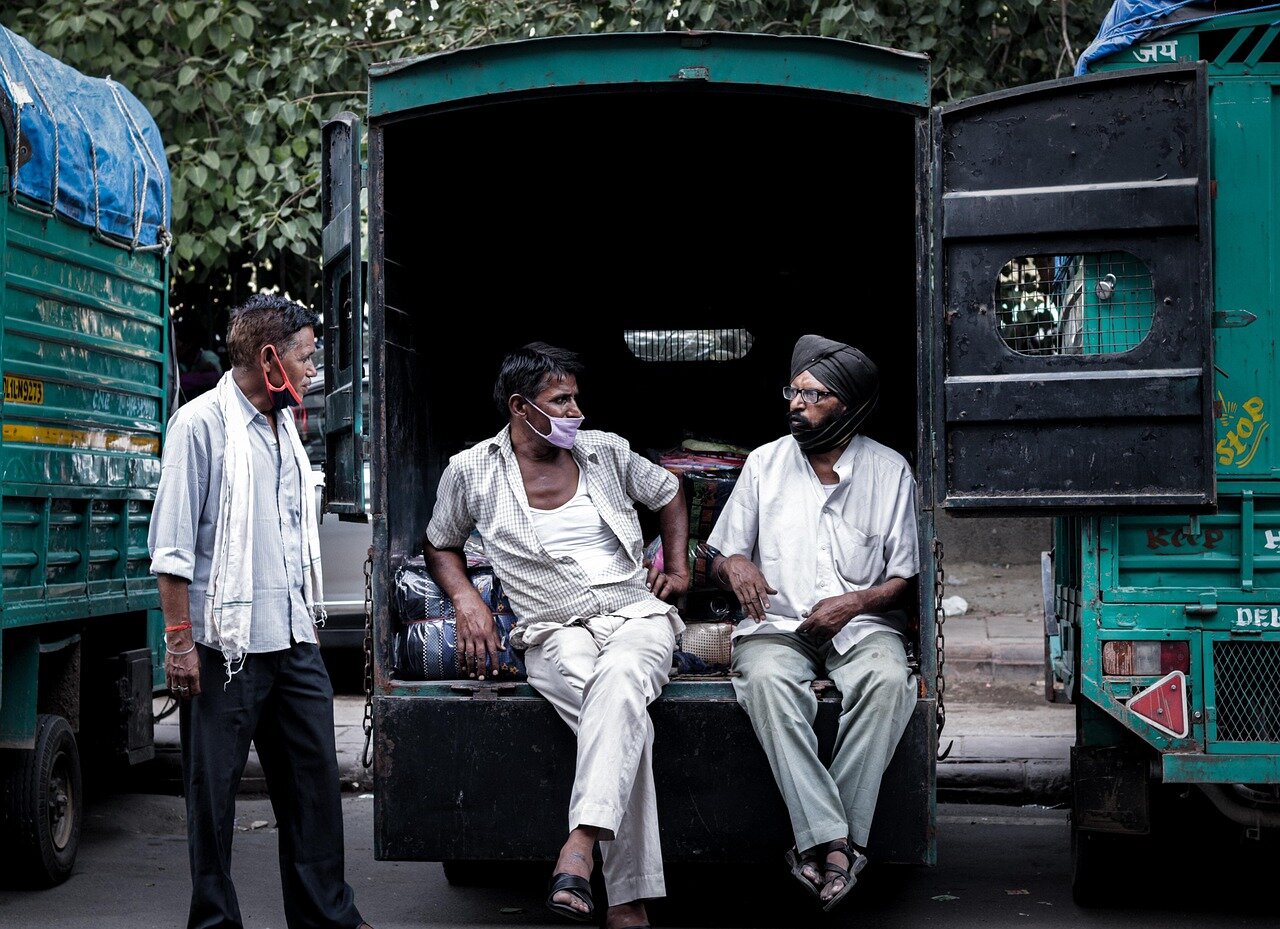
- Health risks including heatstroke and dehydration.
- Economic strain on low-income families due to lost wages.
- Increased demand for healthcare services.
- Potential for rising wages in heat-exposed industries.
- Opportunities for businesses providing cooling solutions or outdoor work safety equipment.
While the immediate focus is on survival, there is a potential for long-term policy changes as the government may be compelled to implement measures aimed at protecting vulnerable populations from extreme weather. This could include improved access to healthcare, better urban planning to create more shaded areas, and the establishment of heat action plans that provide resources and support during heat waves.
A: Extreme heat can lead to heat exhaustion, heatstroke, and exacerbation of pre-existing health conditions. Vulnerable populations, such as the elderly and those with chronic illnesses, are at higher risk. A: Many individuals are prioritizing basic survival needs, often choosing to work in the heat rather than seeking shelter or safety. This can lead to dangerous health outcomes. A: The government has implemented some cooling centers and awareness campaigns, but the scale of the crisis often overwhelms available resources. A: Community support can include sharing resources like water, providing shade, and looking out for vulnerable neighbors to ensure their safety. A: Long-term solutions include urban planning that incorporates green spaces, better housing conditions, and improved access to healthcare for vulnerable populations.
Frequently asked questions about the heat crisis in Delhi
Looking ahead: urgent actions needed to protect vulnerable communities
As temperatures in Delhi soar to unprecedented levels, the struggle for basic survival among the city’s impoverished populations has become increasingly dire. The immediate focus on finding shelter and sustenance often overshadows the critical need for long-term solutions that address the underlying vulnerabilities faced by these communities. A multifaceted approach is essential to ensure that safety and well-being are prioritized alongside survival.
In light of the extreme heat, it is crucial to implement strategies that not only provide immediate relief but also foster resilience against future climate-related challenges. Policymakers, NGOs, and community leaders must collaborate to create sustainable frameworks that support the most affected populations, ensuring their voices are heard in the decision-making processes.
- Enhance access to cooling centers: Establish more public spaces equipped with air conditioning and water supplies to provide relief during heatwaves.
- Implement community education programs: Raise awareness about heat-related health risks and promote practices that can help mitigate the effects of extreme temperatures.
- Strengthen social safety nets: Expand financial assistance and support services for vulnerable families to help them cope with the economic burdens of extreme weather.
- Invest in urban green spaces: Increase tree planting and green infrastructure to reduce urban heat islands and improve air quality.
- Encourage participatory planning: Involve local communities in the development of climate adaptation strategies to ensure their needs and perspectives are addressed.