
The redevelopment plan, which was announced in early October 2023, includes the construction of new laboratories, office spaces, and collaborative work areas designed to foster innovation, as seen in previous initiatives like the replacement of Palantir tech. The project is backed by a consortium of local government, private investors, and academic institutions, all of whom recognize the potential economic benefits of revitalizing the park. The timeline for the project suggests that construction could begin as early as mid-2024.
While many stakeholders view the redevelopment as a necessary step toward keeping the science park competitive, some local residents express concerns about potential disruptions during construction and the impact on existing businesses. Community forums are being held to address these concerns and gather feedback from those directly affected by the changes. This dialogue is crucial in ensuring that the redevelopment aligns with the needs of the local community.
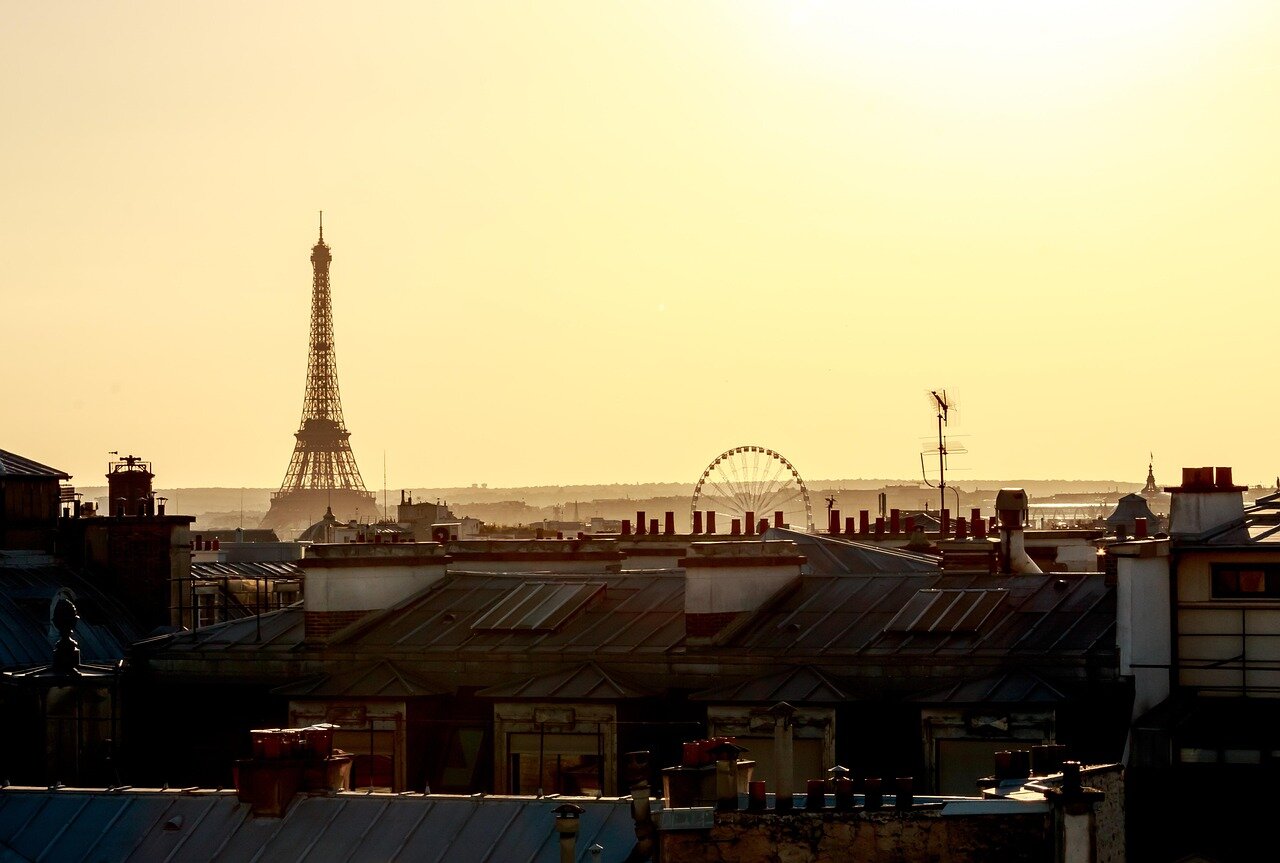
The fate of the science park is emblematic of broader trends in European innovation ecosystems, where aging infrastructures are increasingly being reimagined to meet the demands of a rapidly changing technological landscape. As the project progresses, it will serve as a case study for other regions grappling with similar challenges in balancing growth with community interests.
Understanding the history and significance of the science park
Established in the early 1970s, Europe’s oldest science park has served as a pioneering hub for innovation and research. Located in a region known for its rich academic heritage, the park was founded with the vision of bridging the gap between academia and industry. It has played a crucial role in fostering collaboration among universities, research institutions, and businesses, contributing significantly to the local economy and technological advancements.
Over the decades, the science park has witnessed remarkable growth, hosting numerous startups and established companies that have made groundbreaking contributions in fields such as biotechnology, information technology, and environmental science, much like the innovations discussed in Craig Venter’s contributions to science. The park’s strategic location and supportive infrastructure have attracted talent and investment, making it a vital component of the European innovation landscape.
Key milestones in the park’s development
Several key milestones have marked the evolution of the science park. In the late 1980s, the park expanded its facilities to accommodate the increasing demand from tech companies, leading to a significant uptick in job creation. By the early 2000s, the park had established international partnerships, further enhancing its reputation as a global center for research and development.
However, in recent years, the science park has faced challenges, including financial constraints and competition from newer, more modern facilities. As a result, discussions around redevelopment have emerged, aiming to modernize the infrastructure while preserving the park’s historical significance, similar to how products like the Sonos Play have evolved to meet consumer needs. This potential transformation has sparked a debate about the balance between innovation and heritage, prompting stakeholders to consider the future direction of this esteemed institution.
Key stakeholders and their positions on the redevelopment
The redevelopment of Europe’s oldest science park involves a complex network of stakeholders, each with distinct interests and concerns. Key actors include local government authorities, private investors, research institutions, and the surrounding community. Understanding their positions is crucial for grasping the potential implications of the redevelopment.
Local government officials are primarily focused on economic growth and job creation. They view the redevelopment as an opportunity to modernize infrastructure and attract new businesses to the area. However, they must also consider the preservation of historical elements and the potential displacement of existing tenants, which could create friction with the community.
Private investors are interested in the financial returns that can be generated through redevelopment. They advocate for a transformation that maximizes commercial potential, often prioritizing profit over the social consequences of such changes. This creates a conflict with community members who fear losing their local identity and access to affordable spaces.
- Research institutions may support redevelopment if it includes state-of-the-art facilities that enhance their capabilities and attract talent.
- Community groups are likely to oppose plans that threaten their neighborhoods, advocating for inclusive development that considers their needs.
- Environmental organizations may raise concerns about sustainability practices in the redevelopment process, pushing for green building standards.
Legal issues also play a significant role in this analysis. Zoning laws, property rights, and environmental regulations will influence the feasibility of redevelopment plans. Stakeholders must navigate these legal frameworks while balancing economic ambitions with community needs and environmental responsibilities.
Potential impacts on local businesses and the community
The redevelopment of Europe’s oldest science park is set to affect various groups, including local businesses, residents, and the broader scientific community. As the area undergoes transformation, industries such as technology, research, and innovation are likely to experience significant changes that could reshape the local economic landscape.
In the short term, businesses that rely on the current infrastructure may face disruptions. Local shops and services could see a decline in foot traffic as construction begins, potentially leading to reduced sales. However, this phase also presents opportunities for new businesses to emerge, catering to the needs of the workers and visitors associated with the redevelopment.
Mid-term impacts could include the attraction of new companies and research institutions to the area, enhancing the local job market. This influx may lead to increased demand for housing and services, benefiting real estate and hospitality sectors. Moreover, the presence of a revitalized science park could foster collaboration among businesses, driving innovation and economic growth.
- Short-term risks: Business disruptions, decreased foot traffic, and potential job losses.
- Mid-term opportunities: New business openings, increased employment, and enhanced collaboration.
- Community impact: Changes in local demographics, increased demand for housing, and potential rise in living costs.
While the redevelopment poses certain risks, particularly for established businesses, it also holds the promise of revitalizing the community and creating a dynamic environment conducive to growth and innovation. Stakeholders must navigate these changes carefully to maximize benefits while mitigating adverse effects on daily life and local economies.
A: The timeline for the redevelopment is still being finalized, but initial plans suggest that construction could begin within the next two years. A: Current tenants may face relocation, but efforts are being made to minimize disruption and provide support during the transition. A: The redevelopment aims to modernize facilities, attract new businesses, and enhance the overall economic landscape of the area. A: Funding for the project is expected to come from a combination of public and private investments, with local government support. A: Yes, public consultations are planned to gather community feedback and address concerns throughout the redevelopment process.
Frequently asked questions about the redevelopment
Looking ahead: key points and future outlook
The potential redevelopment of Europe’s oldest science park presents both challenges and opportunities for stakeholders. As the landscape of innovation and technology continues to evolve, the decisions made regarding this site could significantly influence the region’s economic trajectory and its appeal to global talent. The balance between preserving historical significance and accommodating modern advancements will be crucial in shaping the future of this landmark.
Investors, researchers, and policymakers must remain vigilant as plans unfold, considering how the redevelopment can foster collaboration, enhance infrastructure, and stimulate sustainable growth. The integration of cutting-edge facilities alongside historical elements may serve as a model for future projects across Europe.
- Watch for community engagement initiatives that may influence redevelopment plans.
- Monitor investment trends in technology sectors linked to the science park’s future.
- Consider the impact on local job markets and educational partnerships with nearby institutions.
- Evaluate the balance between innovation and heritage preservation in urban development.
- Stay informed on regulatory changes that may affect the timeline and scope of the project.