
The balance between honoring Lorca’s legacy and crafting a cohesive story has become a focal point in the ongoing discourse surrounding the production, which is reminiscent of the similar thematic explorations found in A review of Maverick The Epic Adventures of David Lean.
As conversations about representation and identity continue to evolve, The Black Ball serves as a cultural touchstone. It invites viewers to reflect on the enduring impact of Lorca’s work, particularly in the context of modern LGBTQ+ experiences. This production not only highlights the historical significance of Lorca’s themes but also emphasizes their relevance in today’s society.
As audiences engage with the performance, it becomes clear that the dialogue surrounding this work is as vital as the play itself, paralleling discussions found in Understanding Instagram Instants and Their Implications.
Understanding the Historical Context of Lorca’s Influence
Federico García Lorca, a prominent Spanish poet and playwright of the early 20th century, became an emblematic figure for the LGBTQ+ community, particularly in the context of Spain’s turbulent socio-political landscape. His works often explored themes of love, identity, and the struggles faced by marginalized individuals, resonating with gay men across generations. Lorca’s life and tragic death during the Spanish Civil War in 1936 further solidified his status as a martyr for freedom and artistic expression.
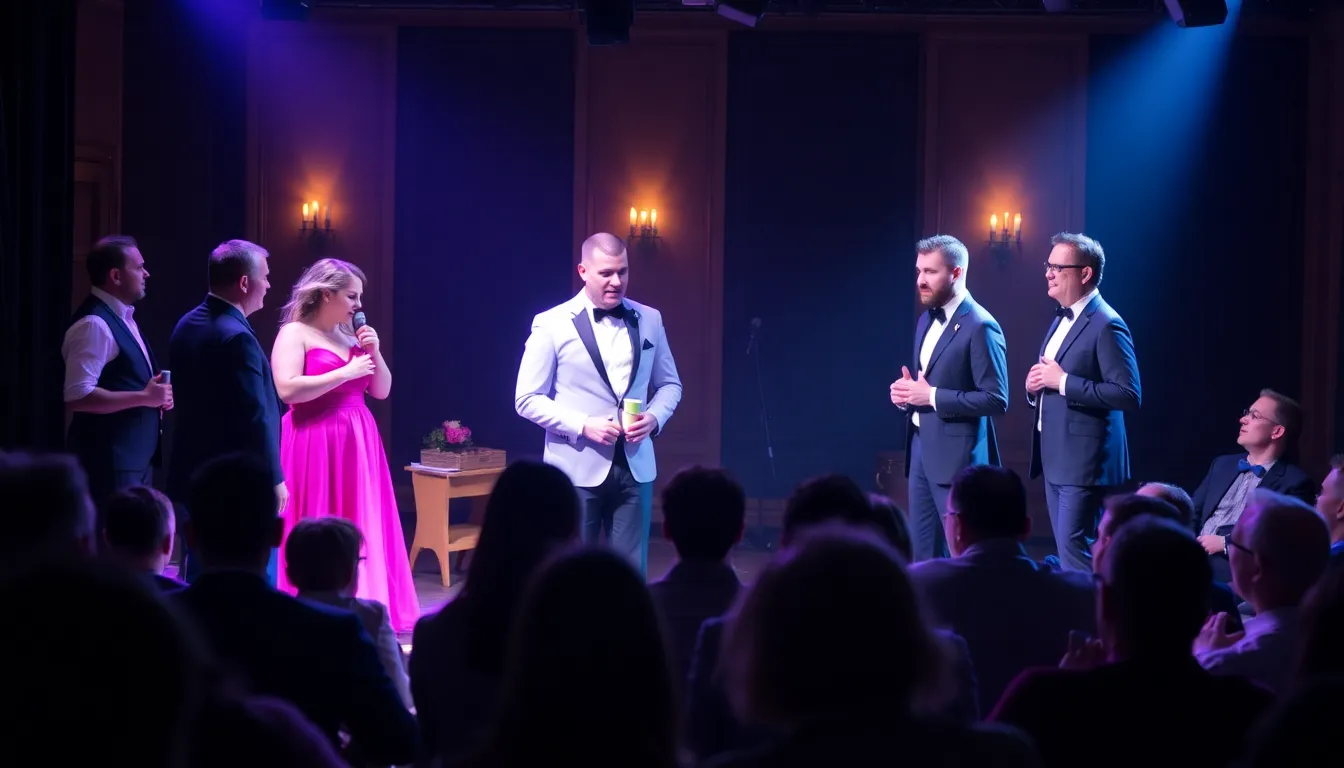
The early 20th century in Spain was marked by significant cultural and political upheaval. The rise of the Second Spanish Republic in 1931 brought about a wave of progressive reforms, including greater freedoms for women and the LGBTQ+ community. However, this period of liberation was short-lived, as the Civil War erupted in 1936, leading to a brutal dictatorship under Francisco Franco, which repressed artistic expression and targeted homosexuals. Lorca’s assassination symbolized the violent silencing of voices advocating for change and acceptance.
In the decades following Lorca’s death, his work continued to inspire generations of artists and activists. The post-Franco era saw a resurgence of LGBTQ+ rights in Spain, culminating in the legalization of same-sex marriage in 2005. This cultural shift can be traced back to the spirit of figures like Lorca, whose exploration of love and identity laid the groundwork for contemporary discussions about sexuality and acceptance. The enduring relevance of Lorca’s themes in modern narratives, such as ‘The Black Ball,’ highlights the ongoing connection between his legacy and the struggles faced by gay men today.
The Legacy of LGBTQ+ Representation in Arts
The representation of LGBTQ+ themes in theater and film has evolved significantly, reflecting broader societal changes and the fight for equality, much like the evolution seen in the narrative of Broadway’s Bobby Darin Musical Just In Time.
Analyzing Key Themes and Stakeholders in The Black Ball
‘The Black Ball’ intertwines the legacies of Federico García Lorca and the experiences of gay men across different eras, presenting a rich tapestry of cultural and social narratives. The main stakeholders in this production include the playwright, the cast and crew, LGBTQ+ advocacy groups, and audiences who seek representation and understanding of their identities.
One of the primary actors is the playwright, whose vision shapes the narrative and thematic direction of the piece. Their interest lies in exploring the intersections of art, identity, and history, particularly in how Lorca’s work resonates with contemporary audiences. The cast and crew are also vital stakeholders, as their performances and interpretations bring the script to life, reflecting their own perspectives and experiences.

Furthermore, LGBTQ+ advocacy organizations play a significant role in the reception and interpretation of the play. They have a vested interest in ensuring that the representation of gay men in the arts is both authentic and respectful, often advocating for narratives that challenge stereotypes and promote understanding. This creates a dynamic where the play’s themes can either align with or conflict with the broader goals of these organizations.
- Conflicts of Interest: The artistic vision of the playwright may clash with the expectations of advocacy groups regarding representation.
- Trade-offs: Balancing artistic expression with social responsibility can lead to compromises in how characters and stories are portrayed.
- Legal and Economic Issues: Funding for productions like ‘The Black Ball’ often depends on public and private support, which can be influenced by prevailing societal attitudes toward LGBTQ+ themes.
- Cultural Impact: The play’s success can contribute to broader conversations about LGBTQ+ rights and representation in the arts.
As the play navigates these complex relationships, it serves not only as a reflection of Lorca’s influence but also as a commentary on the ongoing struggles and triumphs of gay men throughout history. This layered approach invites audiences to engage with the material on multiple levels, fostering a deeper understanding of the cultural and historical contexts that shape their experiences.
Impact on the LGBTQ+ Community and Cultural Discourse
The release of ‘The Black Ball’ resonates deeply within the LGBTQ+ community, particularly among gay men who see reflections of their own struggles and triumphs throughout the narrative. This film not only revives the spirit of Federico García Lorca but also serves as a cultural touchstone that connects generations of gay men, fostering a sense of shared identity and history. As such, it has the potential to strengthen community bonds while also sparking vital discussions about representation and legacy in the arts.
In the short term, the film’s impact is likely to be felt in various cultural sectors, including theater, film, and literature. Artistic communities may experience a renewed interest in works that explore LGBTQ+ themes, encouraging more productions that delve into the complexities of gay identity. This could lead to increased funding and support for LGBTQ+ artists and playwrights, as audiences seek out content that resonates with their experiences.
However, the film also brings risks, particularly for those who may feel that its portrayal of gay life is not representative of their own experiences. Some individuals might critique the film for being too focused on historical narratives rather than contemporary issues, potentially leading to divisions within the community. There is also the risk that the film could be misinterpreted or co-opted in ways that undermine its original message, which may lead to backlash from more conservative audiences.
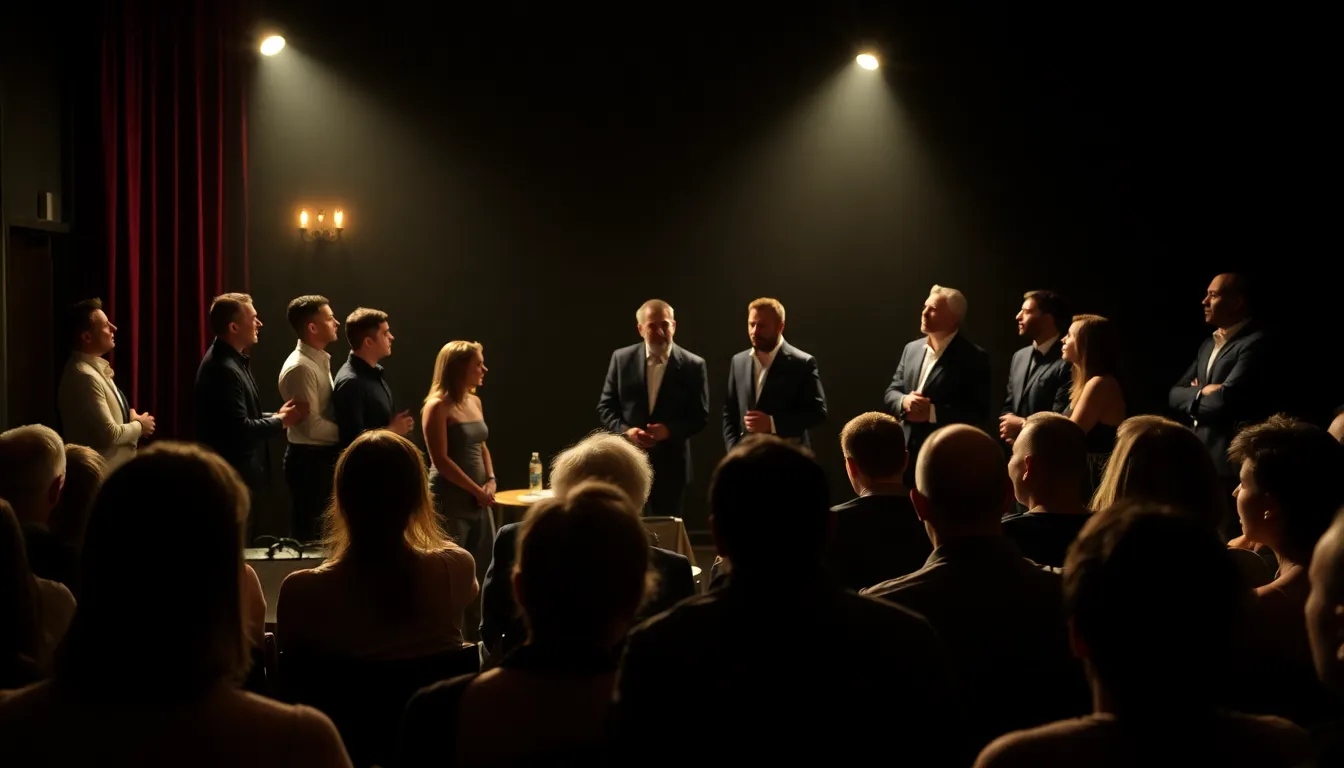
- Short-term impacts: Increased visibility for LGBTQ+ narratives in mainstream media.
- Mid-term impacts: Potential for policy discussions around funding for LGBTQ+ arts initiatives.
- Opportunities: Growth in LGBTQ+ tourism and events centered around the film’s themes.
- Risks: Possible backlash from conservative groups, leading to challenges in distribution and reception.
As the film gains traction, it may also influence broader cultural discourse surrounding LGBTQ+ rights and representation. The conversations it ignites could lead to policy shifts that promote inclusivity in the arts, encouraging more diverse storytelling in various media. This could create pathways for new voices to emerge, enriching the cultural landscape and ensuring that the narratives of LGBTQ+ individuals continue to be heard and celebrated.
A: The main theme revolves around the struggles and resilience of gay men over the past century, drawing parallels to the works of Federico García Lorca. A: Lorca’s spirit is reflected in the emotional depth and cultural references that resonate with the experiences of the LGBTQ+ community. A: Critics have noted that while the play is ambitious, it sometimes feels distended and loses focus on its core messages. A: Key stakeholders include the playwright, actors, LGBTQ+ advocacy groups, and audiences who engage with the themes presented. A: The play contributes to ongoing dialogues about identity, representation, and the historical struggles faced by the LGBTQ+ community.
Frequently Asked Questions About The Black Ball
Key Takeaways and Future Implications of The Black Ball
The Black Ball serves as a poignant exploration of the enduring connections among gay men, highlighting how the spirit of Federico García Lorca continues to resonate across generations. The ambitious narrative, while at times sprawling, invites audiences to reflect on the shared struggles and triumphs of LGBTQ+ individuals throughout history. As the play unfolds, it becomes clear that the themes of love, loss, and identity remain relevant, prompting a deeper conversation about the role of art in fostering understanding and community.
Looking ahead, the impact of The Black Ball may inspire future productions to delve into similar intersections of culture and identity, urging creators to embrace the complexities of their narratives. The play’s ambitious scope suggests a growing appetite for stories that not only entertain but also provoke thought and discussion about the past and its implications for the present and future.
- The exploration of Lorca’s influence on modern gay narratives can lead to a renewed interest in his works and their adaptations.
- Future productions may benefit from embracing ambitious storytelling that intertwines historical and contemporary themes.
- The play underscores the importance of community in the LGBTQ+ experience, encouraging more collaborative artistic ventures.
- As audiences engage with such narratives, there is potential for increased dialogue around identity and representation in the arts.
- The Black Ball’s ambitious scope may set a precedent for future works that challenge traditional storytelling boundaries.