
Didion, known for her keen observations and literary prowess, provides insights into the ethos of the Grateful Dead as they navigated the complexities of fame and artistic expression. The conversation reveals the band’s commitment to authenticity and their belief in pursuing their own artistic journey, a sentiment that resonates with many contemporary artists today, such as those discussed in Exploring the Vibrant Pop Music Scene in Vienna.
This discovery is significant not only for fans of Didion and the Grateful Dead but also for scholars and cultural historians examining the interplay between literature and music during a transformative period in American history. The interview serves as a time capsule, highlighting the social dynamics and cultural shifts of the 1970s.
As this lost interview circulates in media and literary circles, it encourages a reevaluation of Didion’s work and the enduring legacy of the Grateful Dead. The intersection of their narratives invites discussions about creativity, identity, and the ongoing quest for meaning in a rapidly changing world.
Understanding the cultural backdrop of the 1970s
The 1970s was a transformative decade in American history, characterized by a confluence of social, political, and artistic movements. The aftermath of the Vietnam War left many disillusioned, leading to a counterculture that sought alternative lifestyles and a deeper understanding of personal and collective identity, a theme explored in Paulina García’s directorial debut that echoes similar sentiments.
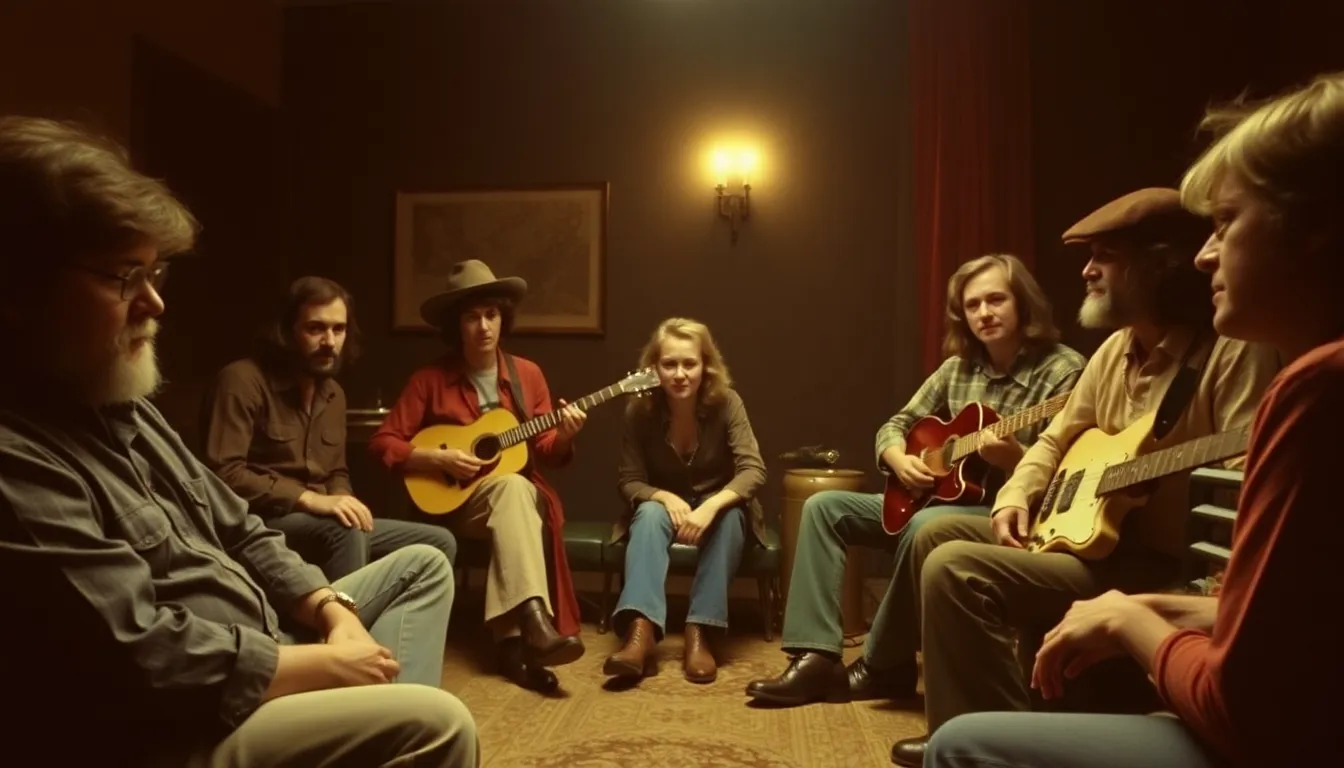
Amidst this cultural upheaval, Joan Didion emerged as a significant voice, capturing the zeitgeist through her incisive essays and narratives. Her work often explored the complexities of life in California, reflecting the anxieties and aspirations of a generation grappling with rapid change. The Grateful Dead, known for their unique blend of rock, folk, and improvisational music, became emblematic of this era, attracting a devoted following that embraced the band’s philosophy of spontaneity and communal experience.
The Intersection of Music and Social Change
The Grateful Dead’s music was more than just entertainment; it was a soundtrack to the social changes unfolding across the country. Their concerts became gathering places for fans who sought a sense of belonging and a break from mainstream societal norms. This environment fostered a culture of experimentation, both musically and socially, as attendees often engaged in practices like communal living and psychedelic exploration. Didion’s insights into this world provided a critical lens through which to view the interplay between art and the evolving American landscape.
Key milestones of the era included the rise of the anti-war movement, the civil rights movement, and the burgeoning environmental movement, all of which influenced the themes present in both Didion’s writing and the Grateful Dead’s music. As the decade progressed, the disillusionment with traditional institutions led many to seek alternative forms of expression and community, setting the stage for the unique cultural phenomena that would define the 1970s.
In this context, Didion’s lost interview with the Grateful Dead offers a rare glimpse into the mindset of a band that was not only a musical powerhouse but also a reflection of the societal shifts occurring at the time. Their mantra of being “on our own trip” encapsulates the spirit of independence and exploration that defined the era, making this conversation a valuable artifact of cultural history.
Examining the perspectives of Didion and the Grateful Dead
In the context of Joan Didion’s lost interview with the Grateful Dead, several key stakeholders emerge, each with distinct interests and motivations. Didion, a renowned author and cultural critic, sought to capture the essence of the band and the counterculture of the 1960s, much like how scholars examine the music scene during that era in various cultural studies.
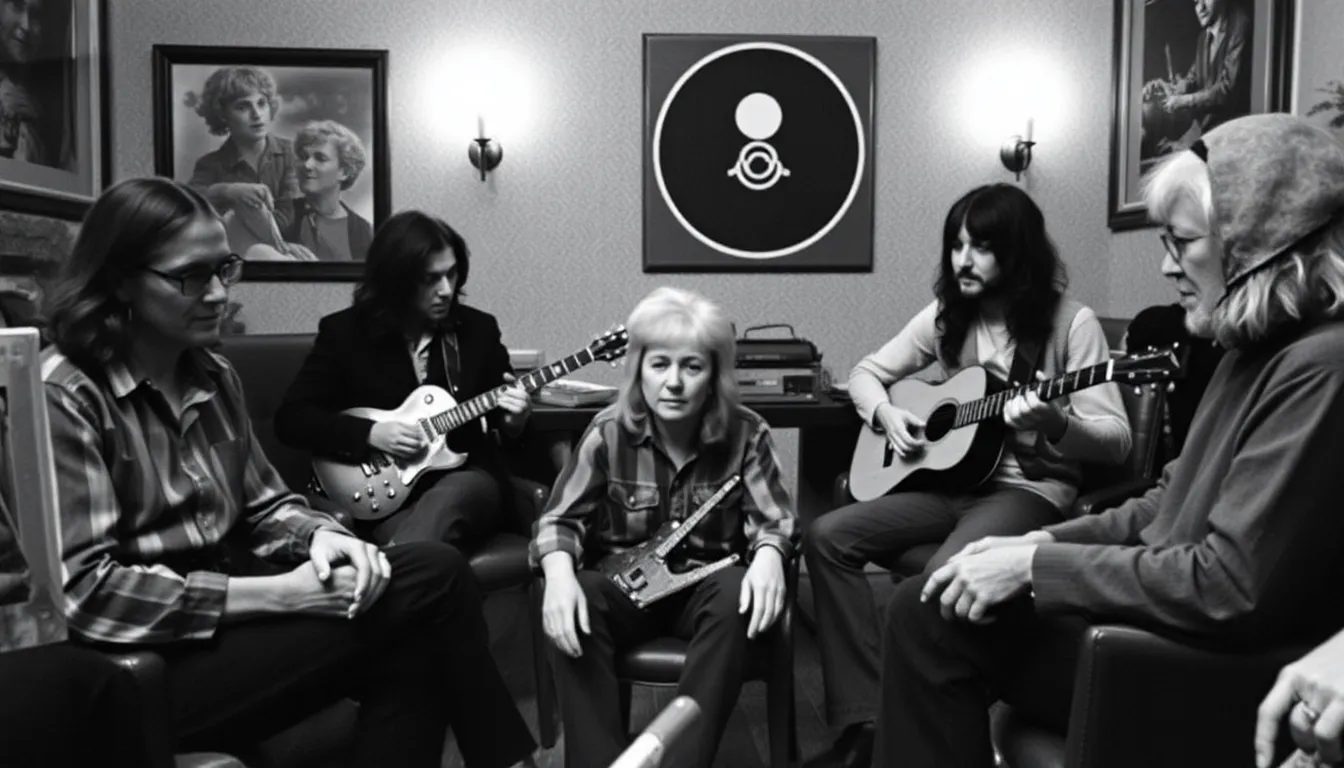
The Grateful Dead, on the other hand, represented a unique blend of musical innovation and communal ethos. Their interest was not only in promoting their music but also in embodying a lifestyle that resonated with their fans. The band members aimed to articulate their artistic vision while navigating the complexities of fame and the commercialization of their brand.
This interaction between Didion and the Grateful Dead highlights several conflicts and trade-offs. While Didion aimed for an authentic representation of the band, the Grateful Dead had to balance their artistic integrity with the demands of their audience and the music industry. This dynamic raises questions about authenticity in art and the pressures of commercial success.
- Artistic Integrity vs. Commercialization: The tension between creating art for personal expression versus meeting commercial expectations.
- Representation and Narrative: Didion’s role in shaping the narrative of the Grateful Dead and the potential impact on their public image.
- Cultural Context: The broader implications of the 1960s counterculture and how it influenced both Didion and the band.
- Audience Expectations: The influence of fan culture on the band’s artistic choices and Didion’s interpretation.
- Legacy and Memory: How this lost interview contributes to the understanding of both Didion’s and the Grateful Dead’s legacies.
Legal and economic issues also surface in this analysis. The rights to Didion’s interview and the band’s music, as well as the potential for commercial exploitation of their stories, create a complex landscape. The preservation of cultural artifacts like this interview raises questions about intellectual property and the ethical considerations of sharing personal narratives.
The influence of the interview on literature and music
The recent publication of Joan Didion’s lost interview with the Grateful Dead has resonated deeply with various groups, particularly within the realms of literature and music. Fans of both Didion and the Grateful Dead are likely to feel a renewed sense of connection to the cultural and artistic movements of the 1960s and 1970s. This resurgence can also influence younger generations who may discover this intersection of literature and music for the first time.
Industries such as publishing and music are poised to see short-term impacts as the interview garners attention. Bookstores and online retailers may experience a spike in sales of Didion’s works, while music platforms could see increased streaming of the Grateful Dead’s catalog. This could lead to a broader interest in the countercultural narratives that shaped these art forms.
In the mid-term, there could be ripple effects on cultural policies and programming. Institutions that focus on arts and humanities might consider integrating more interdisciplinary discussions that highlight the connections between literature and music. This could lead to new initiatives, such as public readings or music festivals that celebrate the legacy of both Didion and the Grateful Dead.
- Short-term impacts: Increased sales in books and music, heightened media coverage.
- Mid-term impacts: New cultural programs and initiatives that explore the intersection of literature and music.
- Risks: Potential oversaturation of the market with retrospectives that may dilute the original cultural significance.
- Opportunities: Revitalization of interest in classic literature and music, fostering new creative collaborations.
Overall, the interview serves as a catalyst that not only celebrates the legacy of two iconic figures but also prompts a reevaluation of their impact on contemporary culture. The potential for new dialogues and artistic endeavors is significant, making this moment ripe for exploration and innovation.
A: The interview primarily explored the band’s artistic journey and their views on the counterculture of the time. Didion’s unique perspective as a writer provided deep insights into their experiences. A: The interview was not published at the time and remained unpublished for decades, making it a rare find in Didion’s body of work. Its resurfacing offers a new lens into her thoughts and the band’s ethos. A: The conversation captures the essence of the 1970s counterculture, showcasing the ideals and challenges faced by artists during that era. It serves as a historical document of a transformative period. A: The interview has reignited interest in Didion’s work and her contributions to literature, prompting discussions about her influence on modern writers and cultural critics. A: The full interview has been published in various literary journals and can also be found in collections of Didion’s works. Check reputable literary websites for access.
Frequently asked questions about the interview
Key takeaways and future implications
The recently uncovered interview between Joan Didion and the Grateful Dead offers a fascinating glimpse into the intersection of culture, music, and personal narrative during a transformative era. Didion’s perspective highlights the band’s unique approach to creativity and authenticity, emphasizing their commitment to individuality in a world often driven by conformity. This dialogue not only enriches our understanding of the Grateful Dead’s ethos but also prompts reflection on the broader implications of artistic expression in contemporary society.
As we consider the insights gleaned from this interview, it becomes evident that the themes of self-discovery and artistic freedom remain relevant today. The conversation invites us to explore how these principles can be applied in various contexts, encouraging a deeper engagement with our own creative journeys.
- The importance of authenticity in artistic expression, encouraging creators to remain true to their vision.
- How the cultural landscape continues to evolve, reflecting the values of individualism and personal narrative.
- The potential for music and art to foster community and shared experiences, transcending generational divides.
- Insights into how historical dialogues can inform current discussions around creativity and cultural identity.
- The role of interviews and personal narratives in preserving the legacies of influential artists and their impact on society.