
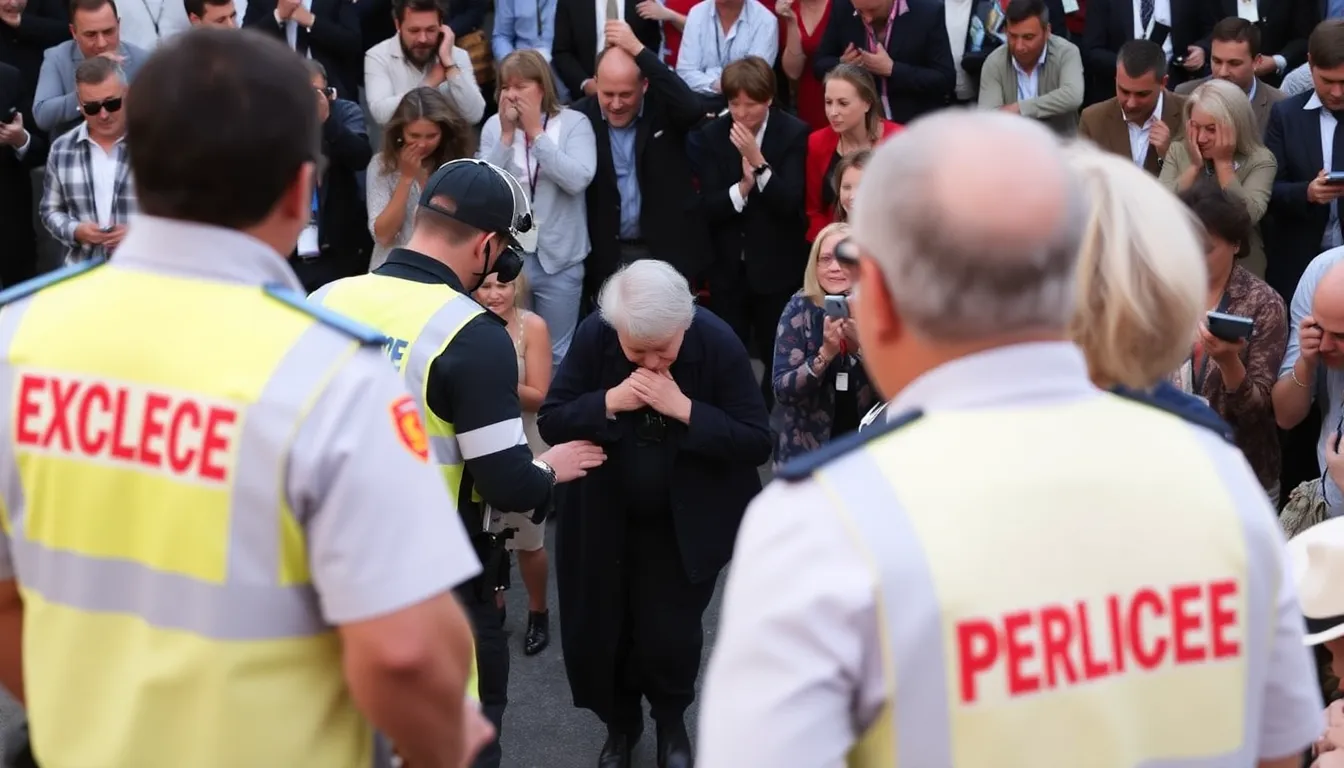
Witnesses reported seeing paramedics rush into the screening room shortly after the lights dimmed. Festival organizers acted quickly, prioritizing the safety of attendees by halting the screening and facilitating an orderly exit from the theater. The precise nature of the medical situation has not been disclosed, but it involved an audience member who required immediate assistance. Such incidents can have lasting implications, not only for the individuals involved but also for the reputation of the festival.
This incident underscores the unpredictable nature of large-scale events like the Cannes Film Festival, where the health and safety of participants are paramount. With numerous high-profile guests and press in attendance, such emergencies can create a ripple effect, impacting schedules and the overall atmosphere of the festival.
As of now, the screening has been rescheduled, and the festival continues with its planned events. The response from the festival staff has been praised for its efficiency, although the incident has drawn attention to the importance of emergency preparedness at major cultural gatherings.
Understanding the significance of the Cannes Film Festival
The Cannes Film Festival, established in 1946, is one of the most prestigious and recognized film festivals in the world, attracting filmmakers, critics, and celebrities from across the globe. It serves as a platform for showcasing new films of all genres, emphasizing artistic merit and innovation. The festival is not only a celebration of cinema but also a critical marketplace where films are bought and sold, impacting the global film industry significantly.
Over the years, Cannes has been a launchpad for numerous iconic films and has introduced audiences to groundbreaking directors, including Pedro Almodóvar. Known for his unique storytelling and vibrant visual style, Almodóvar has become a key figure in international cinema, often exploring themes of identity, desire, and the complexities of human relationships.
The festival’s influence extends beyond film; it often intersects with social and political issues, reflecting the zeitgeist of the times. For instance, the #MeToo movement gained traction during the festival, prompting discussions about gender equality and representation in the film industry. Such contexts make events at Cannes not just about cinema but also about broader societal conversations.
The Impact of Medical Emergencies at Public Events
Medical emergencies at large public events, such as film screenings, can create significant disruption and concern. Historically, incidents ranging from health crises to security threats have led to the evacuation of venues, highlighting the importance of preparedness and response protocols. The evacuation during the press screening of Almodóvar’s ‘Bitter Christmas’ underscores the need for immediate action in ensuring the safety of attendees, while also drawing attention to the pressures faced by organizers in maintaining a secure environment amidst high-profile events. Additionally, the festival’s influence extends beyond film; it often intersects with social and political issues.
Such incidents can have lasting implications, not only for the individuals involved but also for the reputation of the festival and its ability to attract future attendees and filmmakers. As the world continues to navigate health and safety challenges, the response to emergencies at events like Cannes will likely evolve, shaping the future of public gatherings in the film industry.
Reactions from attendees and the film community
The evacuation of the Cannes press screening of Pedro Almodóvar’s ‘Bitter Christmas’ due to a medical emergency has sparked varied reactions among attendees and the broader film community. Many expressed concern for the individual involved, while others voiced frustration over the disruption of a highly anticipated event. The incident highlights the delicate balance between public safety and the pressures of film festivals.

Key stakeholders in this situation include the Cannes Film Festival organizers, the film’s production team, and the attendees, including journalists, critics, and industry professionals. Each group has distinct interests: the festival aims to maintain its reputation and ensure safety, while filmmakers seek to promote their work and engage with audiences. For example, while the festival organizers prioritize safety protocols, the filmmakers and attendees may feel that such measures could detract from the celebratory atmosphere of the event.
Conflicts arise when the interests of these stakeholders intersect. For example, while the festival organizers prioritize safety protocols, the filmmakers and attendees may feel that such measures could detract from the celebratory atmosphere of the event. Additionally, the potential for negative media coverage could impact the film’s reception and the festival’s image.
- Health and Safety Concerns: The immediate priority was the well-being of the individual who required medical attention, raising questions about emergency protocols at large events.
- Impact on Film Promotion: The disruption may affect the film’s visibility and critical reception, as press screenings are crucial for generating buzz.
- Audience Experience: Attendees may feel disappointed or anxious about the situation, influencing their overall experience of the festival.
- Legal Implications: Depending on the circumstances surrounding the medical emergency, there could be legal ramifications for the festival organizers regarding liability and safety measures.
- Community Response: The incident may foster discussions within the film community about the importance of health protocols at public events.
In summary, the evacuation incident at the Cannes screening of ‘Bitter Christmas’ underscores the complex interplay of interests and concerns among various stakeholders, highlighting the ongoing challenges faced by large public events in ensuring safety while promoting artistic expression.
Effects on the festival and future screenings
The evacuation of the Cannes Press Screening for Pedro Almodóvar’s ‘Bitter Christmas’ due to a medical emergency has significant implications for various stakeholders. Primarily, the festival organizers, filmmakers, and attendees are directly affected, as the incident disrupts the schedule and atmosphere of one of the most prestigious film festivals in the world.
In the short term, the immediate impact includes heightened anxiety among festival-goers and potential delays in subsequent screenings. This could lead to a decrease in attendance at future events, as some may feel apprehensive about safety protocols. Additionally, press coverage may shift focus from the films themselves to the incident, potentially overshadowing the works being showcased.

In the mid-term, the incident may prompt festival organizers to reassess their emergency response protocols and overall security measures. This could lead to increased operational costs and changes in policy regarding crowd management and health safety. Moreover, the film industry might see a ripple effect, with other festivals evaluating their own safety measures to prevent similar occurrences.
- Increased focus on health and safety: Festivals may implement stricter health protocols to ensure attendee safety.
- Potential decrease in attendance: Fear of emergencies could deter some from attending future screenings.
- Media scrutiny: Increased press attention on safety issues may overshadow film promotions.
- Opportunities for innovation: The situation could lead to advancements in event management technology.
- Enhanced collaboration: Film festivals may work more closely with health authorities to improve safety measures.
While the immediate aftermath poses risks to the festival’s reputation and attendance, there are also opportunities for growth in areas such as safety innovation and community engagement. By addressing these challenges head-on, the Cannes Film Festival and others like it can emerge stronger and more resilient in the face of unforeseen events.
A: The screening was interrupted due to a medical emergency that required immediate attention, leading to an evacuation of the venue. A: Reports indicate that there were no serious injuries, but some attendees experienced panic during the evacuation. A: Festival organizers acted quickly to ensure the safety of all attendees and coordinated with medical personnel on-site. A: As of now, there has been no official announcement regarding the rescheduling of the screening. A: Pedro Almodóvar is a renowned Spanish filmmaker known for his distinctive style and impactful storytelling.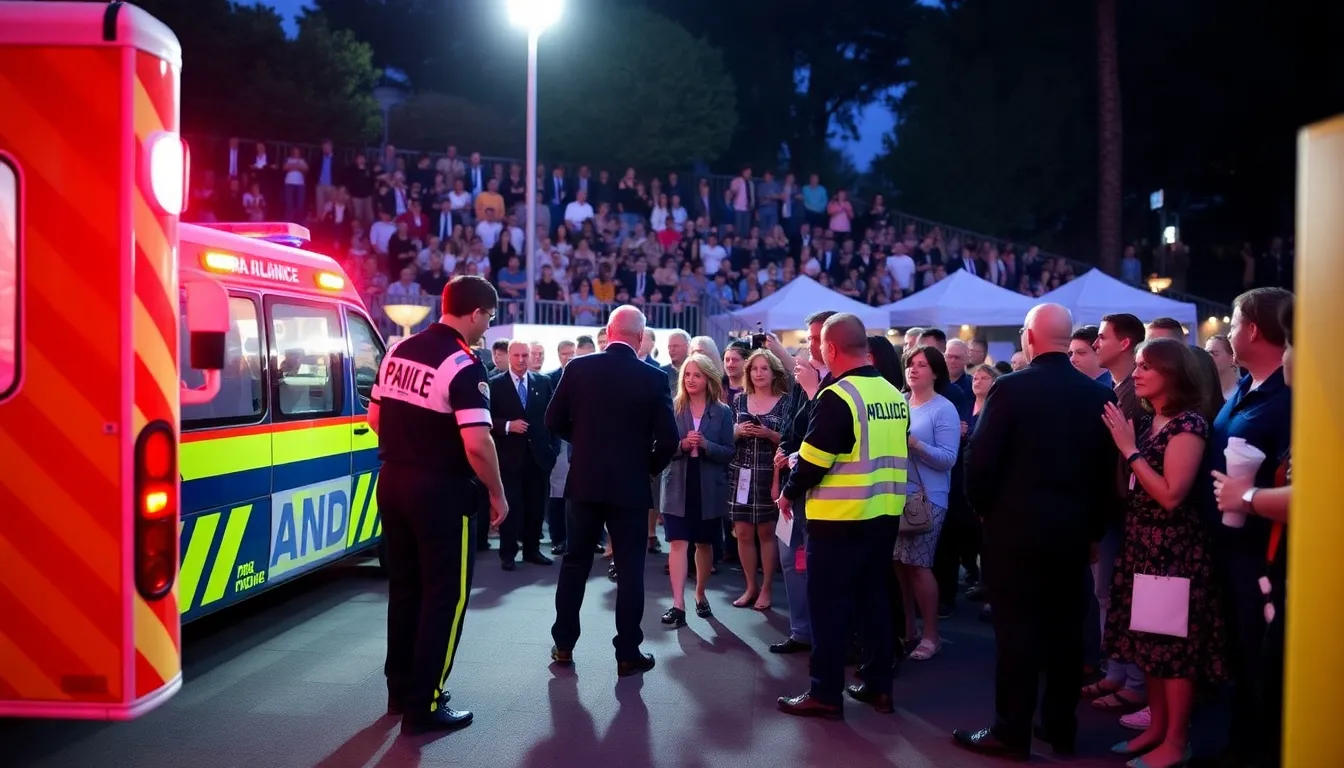
Frequently asked questions about the incident
Key takeaways and future implications for the festival
The evacuation of the Cannes press screening of Pedro Almodóvar’s ‘Bitter Christmas’ due to a medical emergency highlights the unpredictable nature of large-scale events. Such incidents not only affect the immediate audience but also have broader implications for festival organizers and participants. Ensuring safety and quick response to emergencies is paramount, as the festival continues to attract global attention.
This incident serves as a reminder of the importance of preparedness and communication in high-pressure environments. As the festival moves forward, stakeholders must prioritize the health and safety of attendees while maintaining the celebratory spirit of cinema.
- Emergency protocols: Festivals should review and enhance emergency response plans to ensure swift action in similar situations.
- Audience safety: Continuous training for staff on health and safety measures can help mitigate risks during large events.
- Communication strategies: Clear communication with attendees during emergencies is crucial to manage public perception and maintain trust.
- Future screenings: The incident may lead to increased scrutiny of press and public screenings, prompting organizers to implement stricter safety measures.
- Impact on festival reputation: How the festival handles such emergencies can significantly influence its reputation and future attendance.