
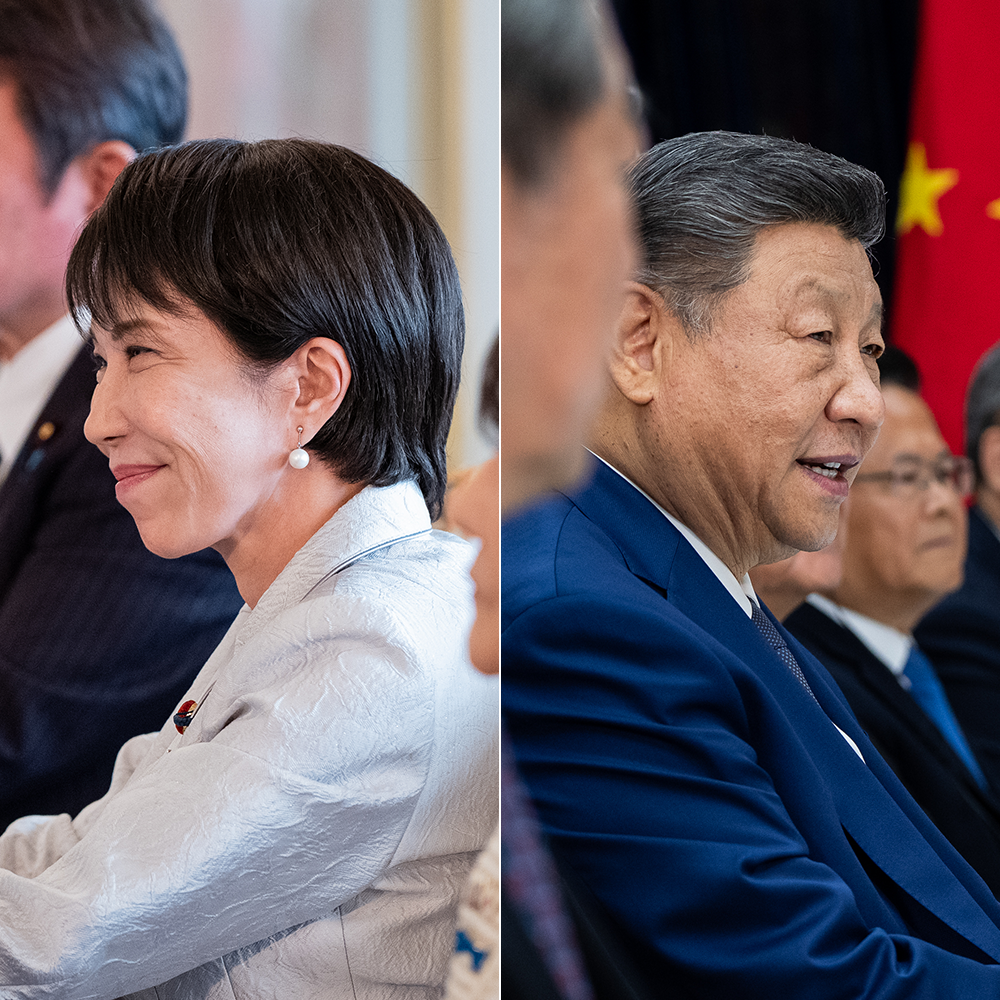
The Asia-Pacific region has emerged as a focal point of geopolitical intrigue and economic rivalry. As influential powers vie for strategic dominance, understanding the nuances of this showdown is critical. For more insights on this dynamic, you can explore Chinese land, US radar and ties to Taiwan.
The Significance of Background Context in the Region
To fully grasp the current tensions, it is essential to consider the historical context and underlying motivations of the nations involved.

The Historical Prelude of Conflict
The roots of discord in the Asia-Pacific region extend back decades, often dating to the colonial era and the aftermath of World War II. Nationalistic sentiments, territorial disputes, and alliances forged during the Cold War have all left deep imprints on current relationships.
The Role of Economic Factors
Economic considerations are equally pivotal. The quest for resources, trade routes, and technological supremacy drives much of the regional competition.

Examining the Characteristics that Define the Showdown
As we analyze the current landscape, it is vital to establish a set of criteria that captures the essence of this complex situation.
The Shifting Alliances
One defining characteristic is the fluid nature of alliances. Countries such as Australia, Japan, and India are forming new partnerships as they seek to counterbalance the influence of China, leading to an evolving geopolitical tapestry.

Military Developments
The rapid militarization of some nations, particularly the emphasis on naval strength, has heightened the stakes. The arms race in the region signifies an urgent need for power projection capabilities, as discussed in our article on the complex web of geopolitics.
Key Incidents and Developments That Define this Showdown
Several notable instances highlight the prevailing dynamics of the Asia-Pacific confrontation.

The South China Sea Disputes
Several nations contest sovereignty over various islands and maritime territories in the South China Sea. China’s assertive claims and activities in these waters are met with resistance from neighboring countries and the United States.
North Korean Provocations
The threats posed by North Korea’s missile tests further complicate the regional landscape, triggering international debates on security and diplomacy.

Strategic Approaches for Nations Moving Forward
Countries must develop nuanced strategies to navigate the escalating tensions while simultaneously pursuing avenues for collaboration and stability. Engagement through diplomatic dialogue can alleviate misunderstandings and reduce tensions, especially as multilateral forums become increasingly important.
Establishing Dialogue Channels
Engagement through diplomatic dialogue can alleviate misunderstandings and reduce tensions. Multilateral forums and bilateral discussions are crucial.

Engaging in Economic Cooperation
Boosting trade and economic ties can create mutual dependencies that lessen the likelihood of conflict, providing an incentive for peaceful cohabitation.
Potential Challenges and Considerations
In navigating the Asia-Pacific landscape, several challenges must be addressed to foster a more stable environment.
The Risk of Misinterpretation
Actions taken by one nation may be perceived as aggressive by another, leading to misjudgment and escalation of tensions.
Domestic Factors Influencing Foreign Policy
Each nation’s internal political considerations can complicate diplomatic efforts, as leaders may leverage external conflicts to distract from domestic issues.
Frequently Asked Questions About the Asia-Pacific Showdown
Common Questions Regarding An Asia-Pacific Showdown
A: The main causes include territorial disputes, the struggle for economic supremacy, and military build-up among the nations, particularly involving China and its neighbors.
A: This rivalry affects global trade routes, supply chains, and investment patterns, influencing markets worldwide.
A: Yes, countries are engaging in diplomatic dialogues and establishing economic partnerships to foster collaboration and reduce misunderstandings.
Insights into Future Developments in the Asia-Pacific Region
The Asia-Pacific landscape is poised for significant changes as nations adapt to not only geopolitical pressures but also economic challenges presented by a rapidly evolving global order. Long-term peace hinges on cooperative frameworks to address both individual and collective security concerns. The strategic choices made today will shape the future of diplomacy and coexistence in this pivotal region.