
PFAS are a group of synthetic chemicals that have been linked to serious health issues, including cancer, liver damage, and developmental problems in children. The E.P.A.’s previous guidelines aimed to reduce the allowable levels of these substances in drinking water, reflecting growing concerns over public health and environmental safety. This topic is also relevant to the broader discussion on environmental issues, as seen in our article on woolly solutions to peatland problems.
The proposed repeal has sparked significant debate among health experts, environmental advocates, and policymakers. Critics argue that loosening these limits could exacerbate the contamination of water supplies, potentially endangering millions of Americans who rely on municipal and private water sources.
As the E.P.A. prepares to finalize this decision, stakeholders are closely monitoring the implications for water quality and public health. The agency is expected to hold public comment periods to gather feedback from communities affected by PFAS contamination, highlighting the ongoing tension between regulatory flexibility and environmental protection.
Understanding forever chemicals and their impact on water quality
Forever chemicals, scientifically known as per- and polyfluoroalkyl substances (PFAS), have garnered significant attention over the past few decades due to their persistence in the environment and human body. These synthetic compounds, used in a variety of industrial applications and consumer products, do not break down easily, leading to their accumulation in water sources and posing serious health risks to populations exposed to contaminated drinking water.
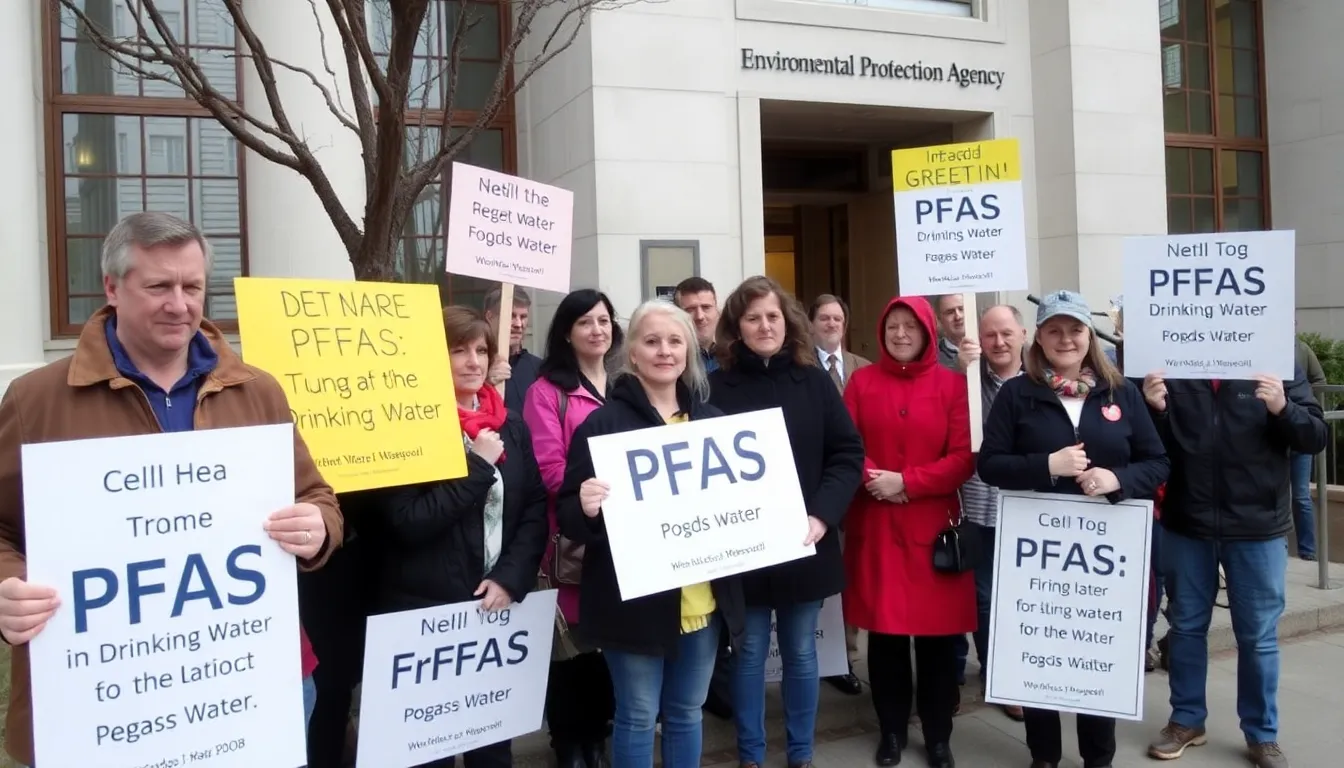
The history of PFAS dates back to the 1940s when they were first developed for their water- and grease-resistant properties. Initially lauded for their utility in products like non-stick cookware and water-repellent fabrics, the long-term environmental and health implications of these chemicals were largely overlooked. As scientific research began to reveal the potential dangers associated with PFAS exposure, including links to cancer, liver damage, and developmental issues, public concern grew, prompting calls for regulatory action.
Regulatory Milestones and Political Context
In response to mounting evidence of the harmful effects of PFAS, various states and federal agencies began to establish guidelines and regulations throughout the 2000s and 2010s. The Environmental Protection Agency (EPA) set health advisories for certain PFAS compounds, but these were often criticized as insufficient. The political landscape surrounding PFAS regulation has been contentious, with industry lobbying efforts frequently clashing with environmental advocacy groups pushing for stricter controls.
Recently, the EPA’s decision to repeal some limits on PFAS in drinking water has reignited debates over the balance between economic interests and public health. Proponents of the repeal argue that overly stringent regulations could hinder economic growth and innovation, while opponents warn that relaxing these limits could exacerbate the already significant public health crisis linked to contaminated water supplies, much like the concerns raised in Bill Maher’s critique of political decisions.
This ongoing struggle reflects broader societal issues related to environmental justice, as marginalized communities are often disproportionately affected by PFAS contamination. The historical context of industrial pollution and regulatory failure highlights the urgency of addressing the issue, as many Americans continue to rely on drinking water sources that may be tainted with these dangerous chemicals.
Key stakeholders and the implications of the E.P.A.’s decision
The Environmental Protection Agency (E.P.A.) plays a pivotal role in regulating pollutants in drinking water, including ‘forever chemicals’ or per- and polyfluoroalkyl substances (PFAS). The agency’s decision to repeal certain limits on these chemicals has sparked significant debate among various stakeholders, each with distinct interests and concerns.
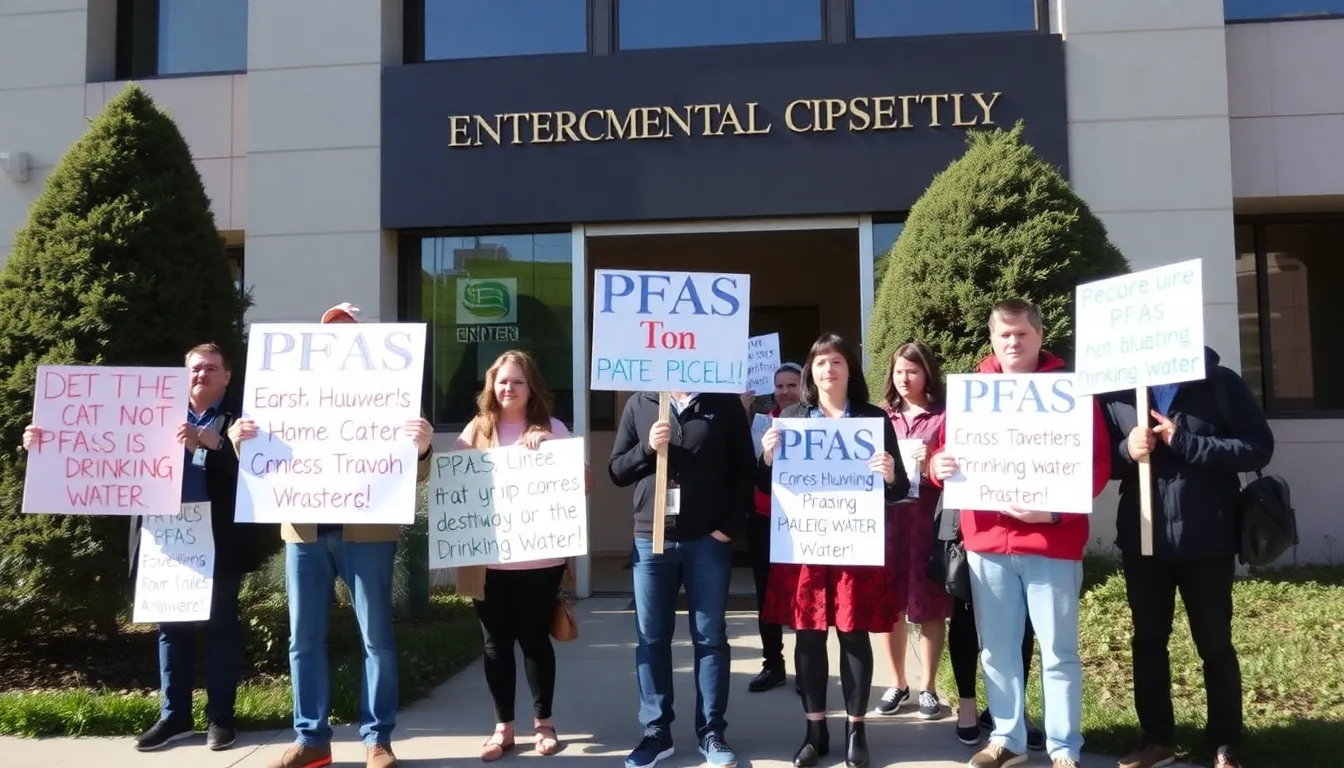
One of the primary stakeholders is the chemical manufacturing industry. Companies producing PFAS argue that the repeal may foster innovation and economic growth by reducing regulatory burdens. However, this stance is met with fierce opposition from environmental advocacy groups who emphasize the health risks associated with PFAS exposure, including links to cancer and reproductive issues.
State governments also have a vested interest in the E.P.A.’s decision. Many states have already implemented stricter regulations on PFAS to protect public health. The repeal may undermine these state-level efforts, leading to potential conflicts between federal and state regulations. This discord could complicate enforcement and compliance for local water utilities, echoing the regulatory tensions discussed in the examination of regulatory frameworks.
- Health Concerns: Increased exposure to PFAS may lead to serious health issues, raising alarms among public health officials.
- Economic Implications: The chemical industry may benefit economically, but this could come at the cost of public health and safety.
- State vs. Federal Regulations: Diverging regulations may create legal challenges and inconsistencies in water quality standards.
- Public Sentiment: Growing public awareness and concern about PFAS contamination may influence future policy decisions.
- Legal Challenges: Environmental groups may pursue litigation against the E.P.A. to reinstate stricter regulations.
In summary, the E.P.A.’s decision to repeal limits on ‘forever chemicals’ highlights a complex interplay of interests among stakeholders, with significant implications for public health, environmental protection, and regulatory frameworks.
Potential effects on communities and water safety
The decision by the E.P.A. to repeal some limits on ‘forever chemicals’ in drinking water has significant implications for various groups, including local communities, environmental organizations, and industrial sectors. Communities that rely on groundwater sources may face increased exposure to per- and polyfluoroalkyl substances (PFAS), which are known for their persistence in the environment and potential health risks.
In the short term, individuals living in affected regions may experience heightened concerns about water safety, leading to increased demand for water filtration systems and bottled water. This could also result in a rise in health-related expenditures as people seek medical advice regarding potential exposure to these chemicals.
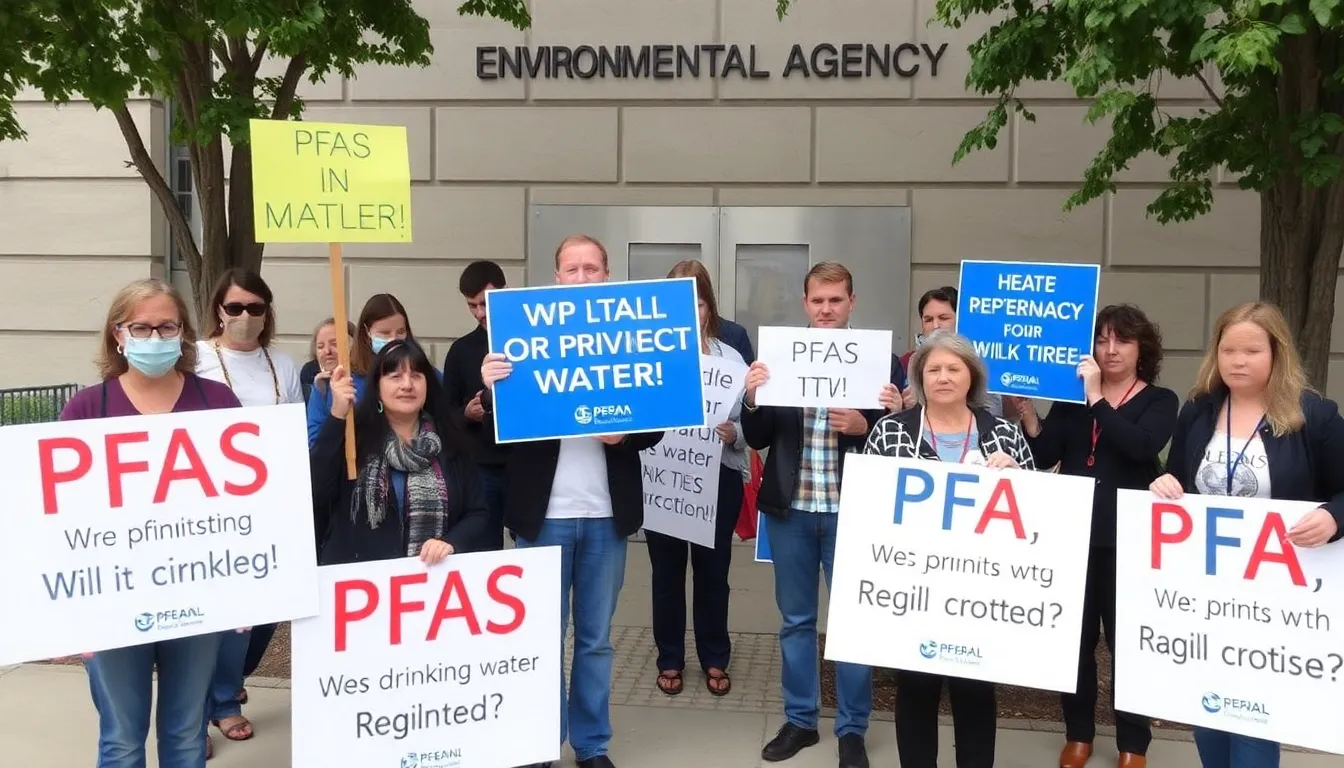
Industries that utilize PFAS in their manufacturing processes, such as the chemical, textile, and aerospace sectors, may see a temporary easing of regulatory burdens. However, this could lead to long-term reputational risks as consumers become more aware of the health implications associated with these substances.
- Increased health risks: Communities may face higher rates of health issues linked to PFAS exposure.
- Economic implications: Local economies could suffer if water safety concerns deter new investments or tourism.
- Regulatory uncertainty: Businesses may navigate a fluctuating regulatory landscape, impacting compliance costs.
In the mid-term, the lack of stringent regulations could lead to greater environmental contamination, prompting potential legal challenges and public outcry. Conversely, companies that innovate in water treatment solutions may find new market opportunities, capitalizing on the growing demand for clean water solutions. As public awareness increases, advocacy for stricter regulations may also gain momentum, influencing future policy decisions.
A: Forever chemicals, or PFAS, are synthetic substances that do not break down in the environment. They can accumulate in the human body and have been linked to various health issues. A: The E.P.A. argues that repealing limits will provide more flexibility in regulation and may reduce compliance costs for industries. However, this decision has sparked significant public health concerns. A: The repeal may lead to increased levels of PFAS in drinking water, potentially exposing communities to harmful health risks associated with these chemicals. A: Communities can advocate for stricter local regulations, invest in water filtration systems, and raise awareness about the risks of PFAS contamination. A: Yes, many companies are exploring safer alternatives to PFAS for products such as non-stick cookware and water-repellent fabrics, but widespread adoption is still a work in progress.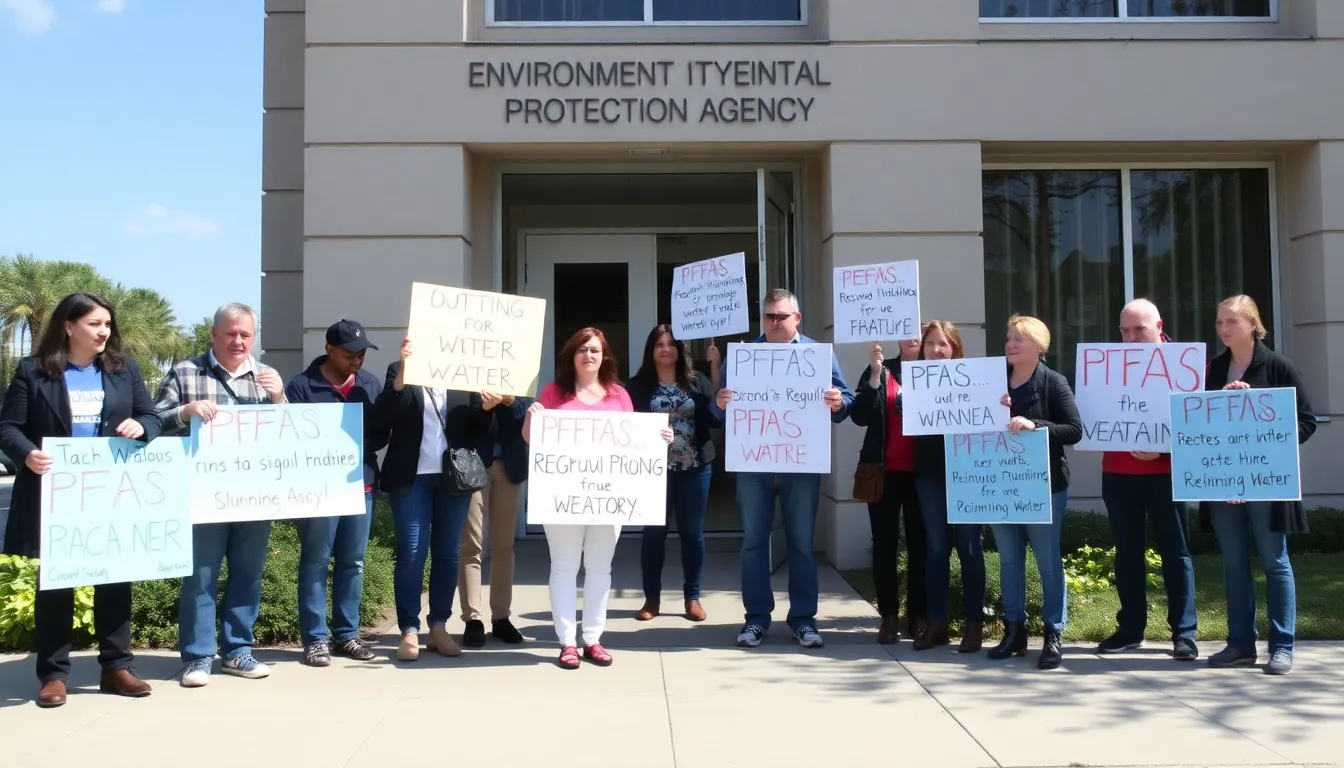
Frequently asked questions about the E.P.A.’s decision
Looking ahead: implications of repealing limits on forever chemicals
The Environmental Protection Agency’s decision to repeal certain limits on ‘forever chemicals’ in drinking water marks a significant shift in regulatory policy. This move raises concerns about public health and environmental safety, as these substances are known to persist in the environment and accumulate in the human body over time. The implications of this change could reverberate through various sectors, from public health to environmental advocacy, prompting stakeholders to reassess their strategies and priorities.
As communities and organizations navigate this new landscape, it will be crucial to monitor the potential impact on water quality and public health initiatives. The repeal may lead to increased advocacy for stricter regulations at state and local levels, as citizens demand safer drinking water standards. Additionally, industries that rely on water resources will need to evaluate their practices and consider the long-term consequences of these chemicals on their operations and reputations.
- Increased advocacy: Expect heightened calls for state-level regulations to ensure safe drinking water.
- Public health monitoring: Communities may ramp up testing and monitoring of water sources for contamination.
- Industry accountability: Businesses may face greater scrutiny regarding their use of chemicals and water safety practices.
- Legal challenges: Anticipate potential lawsuits from environmental groups seeking to reinstate stricter limits.
- Consumer awareness: A rise in public concern may lead to increased demand for transparency in water quality reporting.