
The Artemis II mission is a pivotal step in NASA’s broader Artemis program, which seeks to establish a sustainable human presence on the Moon and prepare for future Mars exploration. Carney emphasized the need for robust funding and investment in space technologies to ensure the success of these ambitious goals. His conversation with the crew underscores the growing recognition of space exploration as a critical frontier for innovation and economic growth, making it crucial to follow updates on the program for those interested in the future of lunar missions.
This interaction also highlights Canada’s role in the Artemis program, with Canadian astronaut Jeremy Hansen serving as one of the crew members. As Canada contributes to the mission through its space agency, the conversation with Carney reflects the importance of international collaboration in advancing space exploration. Such partnerships are essential for sharing knowledge, resources, and expertise in the quest for scientific discovery beyond Earth, emphasizing Canada’s significant involvement in current space initiatives.
As the Artemis II mission approaches, discussions like the one between Carney and the crew serve to inspire public interest and investment in space initiatives. The implications of these missions extend beyond scientific exploration, touching on issues such as climate change, technology development, and global cooperation. The ongoing dialogue surrounding Artemis II is a testament to the evolving landscape of space exploration and its significance for future generations, resonating with those who recall the historical achievements of earlier missions.
Understanding the significance of Artemis II in the context of international space missions
Artemis II represents a pivotal moment in the ongoing exploration of space, marking the first crewed mission in NASA’s Artemis program. This initiative aims to return humans to the Moon and establish a sustainable presence there by the end of the decade. The mission not only symbolizes a new era of lunar exploration but also underscores the collaborative efforts among international partners in space endeavors, including contributions from countries like Canada.
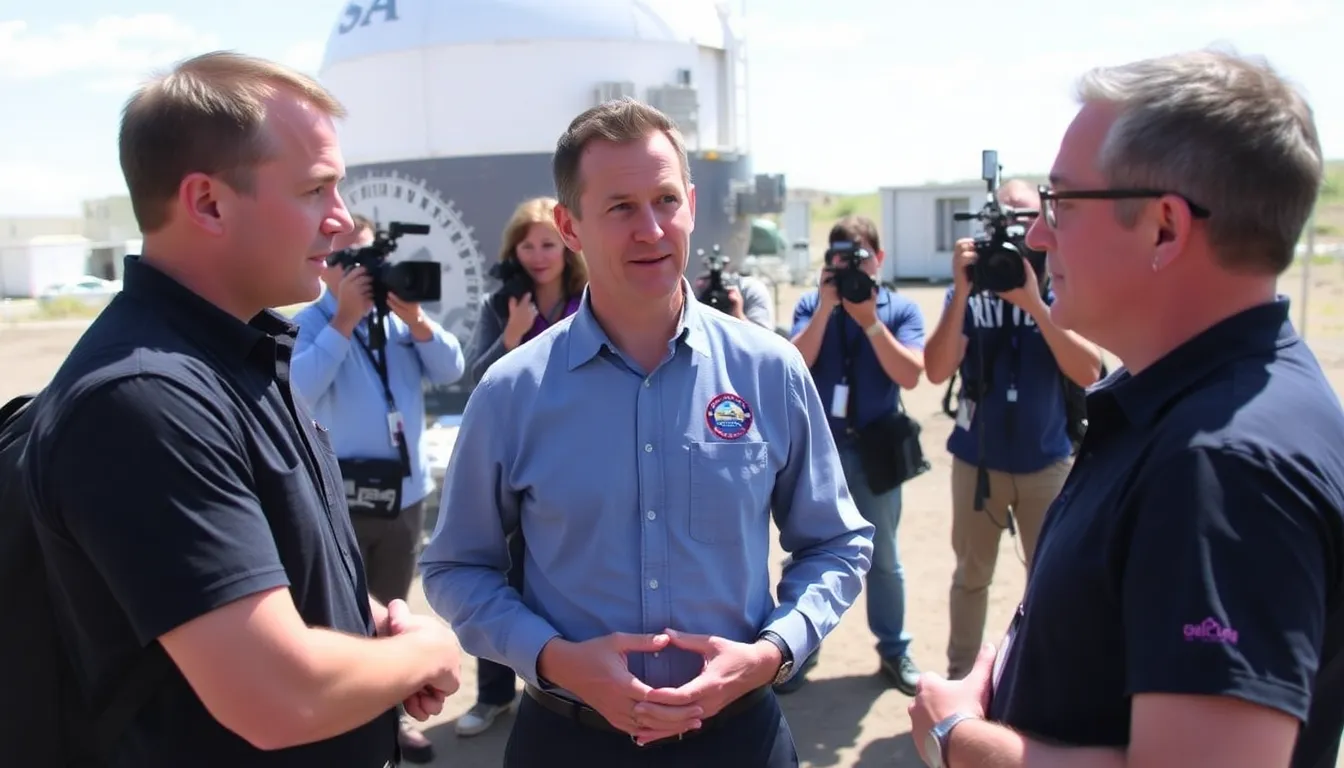
Historically, the Apollo missions of the 1960s and 1970s laid the groundwork for human space exploration, culminating in the first Moon landing in 1969. The Artemis program seeks to build on that legacy, utilizing advanced technology and international cooperation to expand humanity’s reach beyond Earth. Canada’s involvement, particularly through the Canadian Space Agency (CSA), highlights the growing role of international partners in space missions, as they contribute vital technologies and expertise.
The Role of Canada in Space Exploration
Canada has long been a key player in space exploration, with notable contributions such as the Canadarm, a robotic arm used on the Space Shuttle and the International Space Station (ISS). Mark Carney’s engagement with the Artemis II crew illustrates Canada’s commitment to supporting global space initiatives. This collaboration not only enhances scientific research but also fosters diplomatic relationships and economic opportunities in the burgeoning space industry.
The Artemis II mission is also set against the backdrop of increasing geopolitical competition in space, particularly between the United States, Russia, and China. As nations vie for leadership in space exploration, partnerships like those formed for Artemis II become crucial. They not only promote peaceful cooperation but also ensure that space remains accessible for scientific discovery and technological advancement.
As we look forward to the Artemis II mission, it is essential to recognize the historical context and the collaborative spirit that defines modern space exploration. The mission not only aims to achieve significant milestones in lunar exploration but also serves as a testament to the power of international cooperation in addressing the challenges and opportunities that lie beyond our planet.
Exploring the key stakeholders involved in Artemis II and their roles
As the Artemis II mission approaches, several key stakeholders play pivotal roles in its development and execution. Among them are government agencies, private organizations, and prominent figures in the space industry. Each actor has distinct interests that shape the mission’s objectives and outcomes.
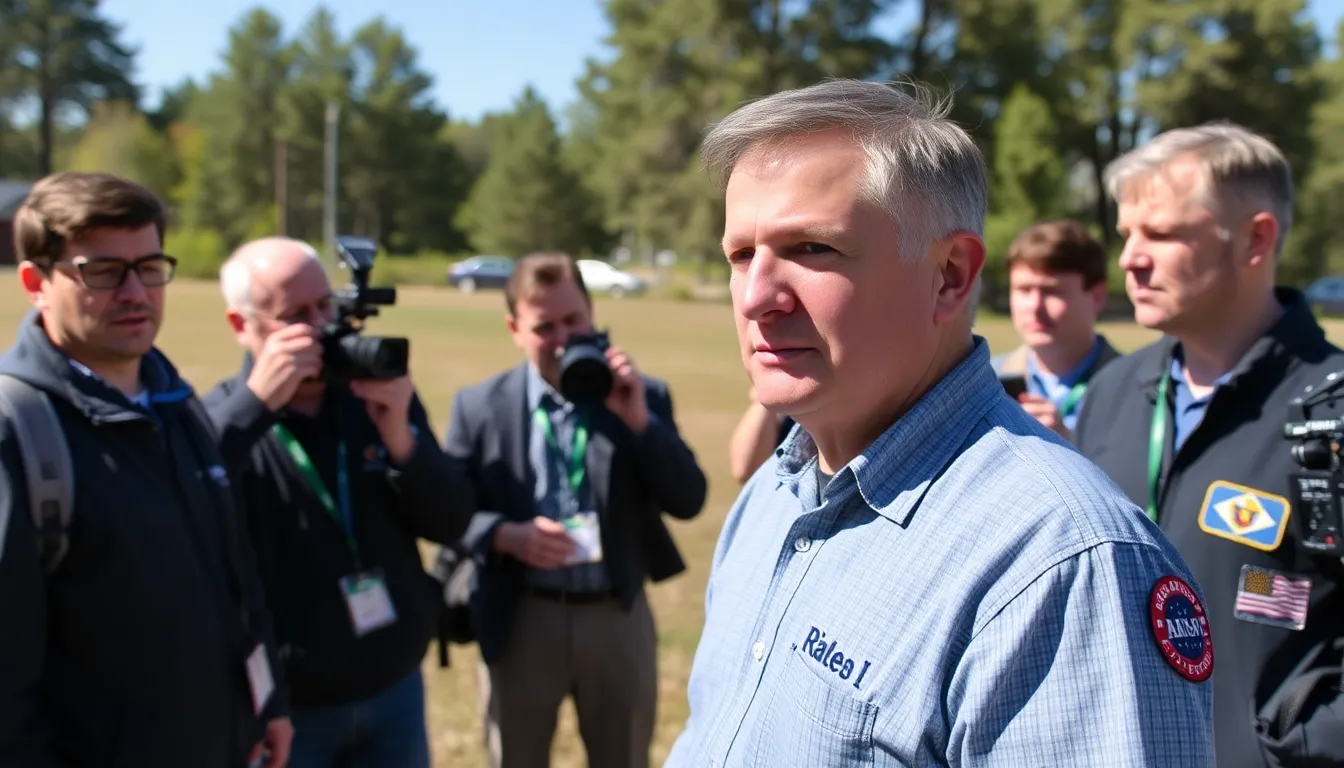
The Canadian Space Agency (CSA) is a primary stakeholder, representing Canada’s interests in international space exploration. With Mark Carney, a notable Canadian figure and former Governor of the Bank of England, engaging with the Artemis II crew, Canada aims to demonstrate its commitment to collaborative space endeavors. The CSA is particularly interested in showcasing its technological contributions, such as the Canadarm3, which will be integral to lunar operations.
NASA, as the leading agency behind the Artemis program, has its own set of interests focused on advancing human space exploration and establishing a sustainable presence on the Moon. The agency must navigate various legal and economic challenges, including budget allocations, international partnerships, and compliance with space treaties. The collaboration with international partners like Canada reflects NASA’s strategy to foster a global approach to space exploration.
- Technological Collaboration: The integration of Canadian technology in Artemis II highlights the importance of international partnerships in advancing space exploration capabilities.
- Economic Implications: The funding and investment strategies of both NASA and the CSA will influence the mission’s success and the broader space economy.
- Regulatory Framework: Compliance with international space law and treaties is essential to avoid conflicts over lunar resources and territorial claims.
- Public Interest: Engaging with figures like Mark Carney helps to raise awareness and support for space initiatives among the public and policymakers.
- Scientific Goals: The mission aims to gather data that will inform future exploration efforts, emphasizing the importance of scientific collaboration.
In conclusion, the interplay among these stakeholders reveals a complex landscape of interests and challenges. The successful execution of Artemis II will depend on effective collaboration and the ability to address the multifaceted issues that arise in the realm of space exploration.
The potential impact of Artemis II on Canada’s space industry and international relations
The Artemis II mission, which aims to return humans to the Moon, has significant implications for various groups and sectors in Canada. The Canadian space industry, including aerospace companies and research institutions, stands to benefit from increased visibility and collaboration opportunities. As Canada contributes technology and expertise to the mission, Canadian firms may secure contracts and partnerships that enhance their capabilities and market presence.
In the short term, the direct involvement of Canadian astronauts and technology in Artemis II will likely boost public interest in space exploration. This could lead to increased enrollment in STEM (science, technology, engineering, and mathematics) programs across educational institutions, fostering a new generation of scientists and engineers. Furthermore, businesses in the aerospace sector may experience a surge in investment and job creation as they prepare to support upcoming missions.
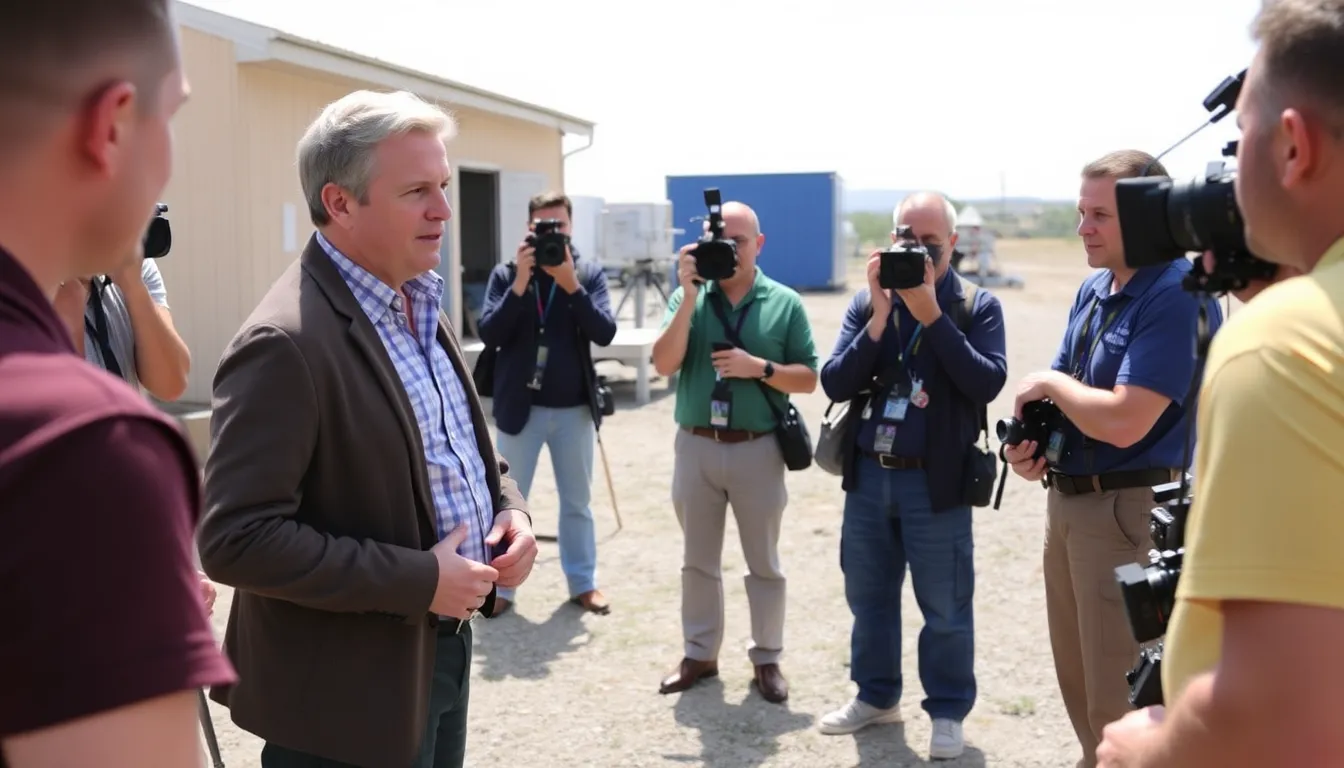
Mid-term impacts could include strengthened international relations, particularly between Canada and the United States, as the two countries collaborate on space exploration initiatives. This partnership may open doors for future joint projects, enhancing Canada’s standing in the global space community. Additionally, successful participation in Artemis II could lead to increased funding for Canadian space programs, allowing for more ambitious projects and research.
- Opportunities: Enhanced collaboration between Canadian and international space agencies.
- Risks: Potential over-reliance on government funding and international partnerships.
- Impact on daily life: Increased public interest in space could inspire educational reforms and new job sectors.
However, there are risks associated with this increased focus on space exploration. If the Canadian space industry becomes too dependent on government contracts or international collaborations, it may face challenges in sustaining growth independently. Additionally, the need for significant investment in technology and infrastructure may divert resources from other critical sectors, potentially impacting local economies.
A: Artemis II is a planned crewed mission by NASA aimed at orbiting the Moon. It is part of the Artemis program, which seeks to return humans to the lunar surface. A: Mark Carney, as a prominent Canadian figure, provides insights on the economic and strategic implications of space exploration for Canada. A: The mission presents opportunities for Canadian companies to participate in advanced space technologies and collaborations with NASA. A: The Artemis program aims to establish a sustainable human presence on the Moon, which could pave the way for future missions to Mars and beyond. A: Artemis II is currently scheduled to launch in the coming years, with specific dates to be confirmed by NASA.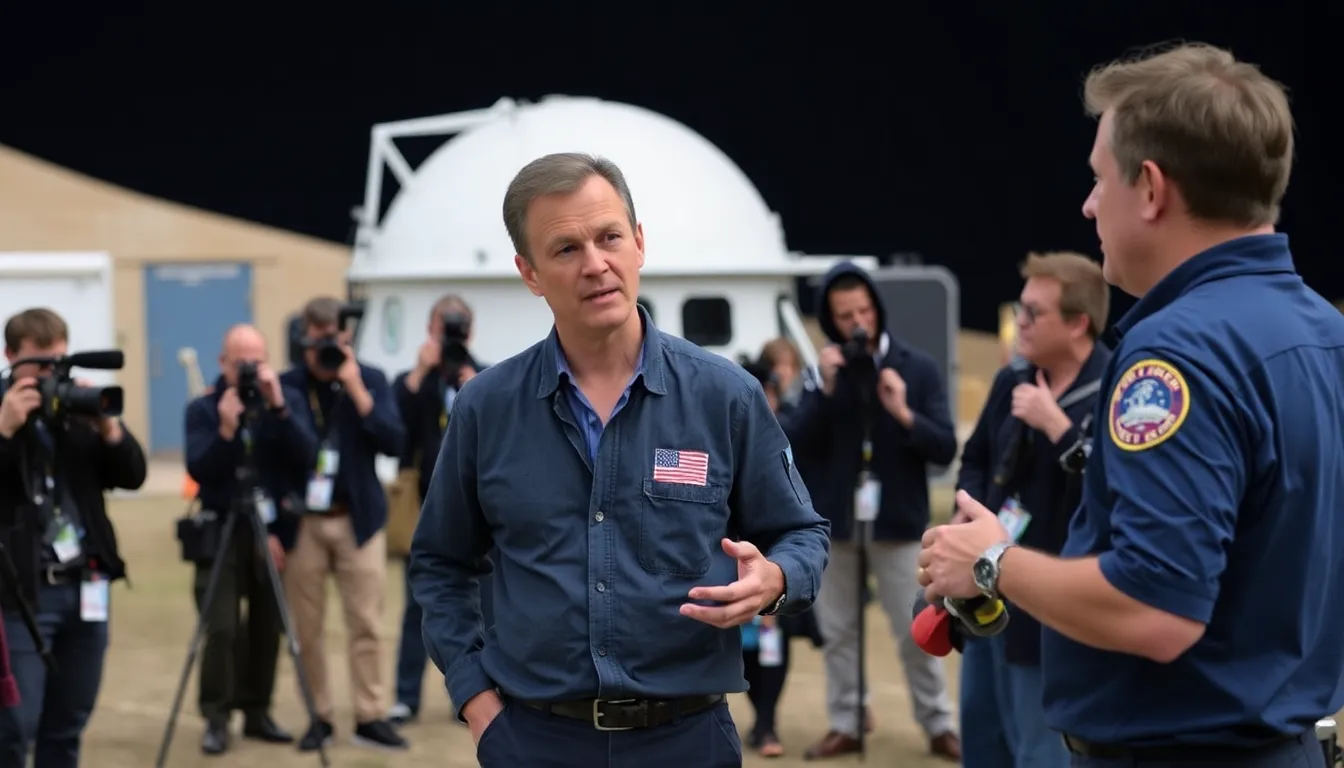
Frequently Asked Questions about Mark Carney and Artemis II
Key takeaways and future outlook for Canada’s involvement in space exploration
Mark Carney’s recent discussions with the Artemis II crew underscore Canada’s growing role in international space exploration efforts. As the world moves towards a new era of lunar missions, Canada’s contributions in technology and expertise are becoming increasingly vital. The collaboration between Canadian astronauts and international partners not only enhances scientific understanding but also strengthens geopolitical ties.
Looking ahead, Canada’s space initiatives are likely to expand, focusing on innovation in robotics and satellite technology. This shift presents opportunities for Canadian industries to engage more deeply in the aerospace sector, potentially leading to advancements that benefit both Earth and future space missions.
- Canada’s expertise in robotics will play a crucial role in upcoming lunar missions, enhancing operational capabilities.
- Increased collaboration with international space agencies may lead to joint ventures and shared technological advancements.
- Public interest in space exploration could drive educational initiatives, inspiring the next generation of scientists and engineers in Canada.
- Investment in space technology may stimulate economic growth and job creation within Canada’s aerospace sector.
- Monitoring the outcomes of Artemis II will provide insights into the effectiveness of collaborative international space efforts.