

Understanding the Significance of IFFI
The significance of the IFFI cannot be understated. Promoting films from across the globe, it provides a vital platform for filmmakers and audiences to connect over their shared love for cinema. Here at IFFI, films that reflect the cultural and social tapestry of India are celebrated, such as those in the article about Trans Love Story ‘Lala & Poppy’.

Highlighting Dynamic Storytelling Techniques
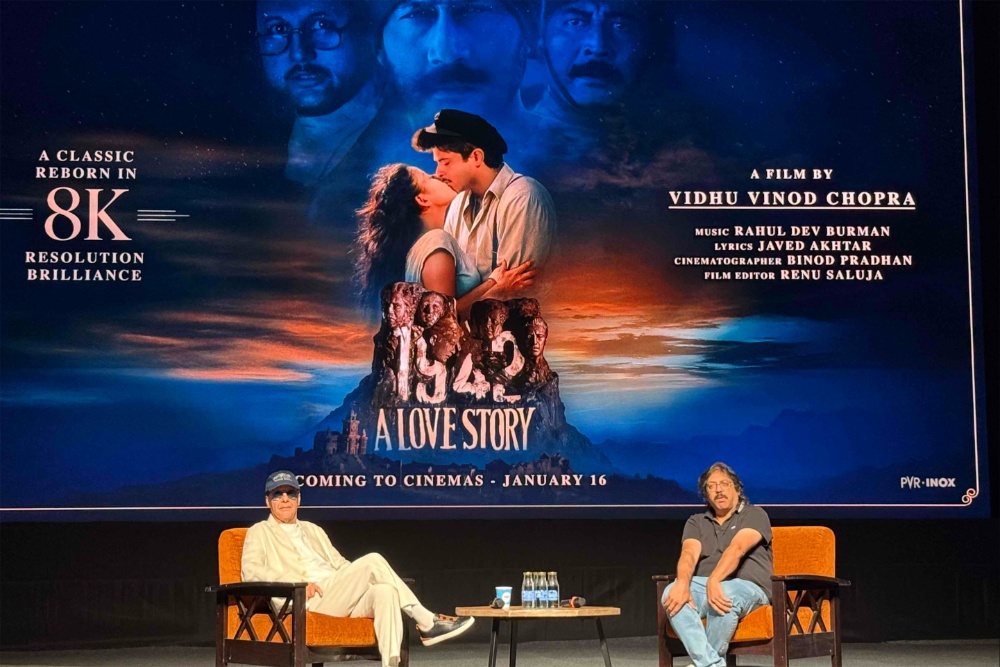
During their session, Chopra and Joshi showcased the unparalleled ability of Indian filmmakers to weave intricate narratives. Their examples illustrated how storytelling within Indian cinema often breaks conventional boundaries.

Candid Reflections from Vidhu Vinod Chopra
Chopra, an industry stalwart, shared anecdotes from his illustrious career, emphasizing the importance of authenticity in filmmaking. His reflections on challenges and triumphs resonated deeply with budding filmmakers in attendance.

Insights from Abhijat Joshi’s Creative Process
Joshi elaborated on the collaborative nature of writing for film, highlighting how working closely with visionaries like Chopra has influenced his own storytelling approach. Their dynamic partnership exemplifies how mutual respect and creativity can elevate projects, a sentiment echoed in the stories shared during their session.

Strategic Approaches in Filmmaking
One key aspect discussed was the strategic utilization of cultural narratives in cinema. Both filmmakers stressed the necessity of embedding local stories that resonate with audiences while also appealing to a global viewer base.

- Understanding cultural nuances is critical in scriptwriting.
- Cultivating a unique voice is essential for film directors.
- Leveraging contemporary themes can attract a diverse audience.
Important Considerations for Filmmakers
As aspiring filmmakers navigate their own journeys, Chopra and Joshi offered crucial advice. They emphasized that perseverance is vital, as setbacks are part of the creative process. Additionally, they encouraged filmmakers to remain true to their vision while being open to constructive feedback.
Engaging with the Audience: Q&A Session Highlights
The session culminated in an interactive Q&A where the audience engaged with the filmmakers. Questions ranged from personal experiences in the industry to their thoughts on the future of Indian cinema.
Exploring Future Directions in Indian Cinema
Looking ahead, Chopra and Joshi expressed optimism about the future of Indian cinema. They believe that innovation and authenticity will continue to fuel the industry, with fresh narratives poised to emerge from diverse voices across the country, similar to the themes explored in Murder Inc.
Frequently Asked Questions about IFFI and Indian Cinema
A: The IFFI aims to promote the art of cinema from India and around the world, fostering cultural exchanges through film.
A: Vidhu Vinod Chopra is known for his innovative storytelling and contribution to significant films, enhancing the landscape of Indian cinema.
A: Effective screenwriting includes strong character development, compelling dialogue, and an engaging plot that resonates with the audience.
Insights into the Future of Indian Film Industry
The conversations led by Chopra and Joshi at IFFI provided insights not just into their successful careers but also into the evolving landscape of Indian cinema. With diverse narratives and newfound exploratory approaches, the future appears bright for filmmakers willing to innovate.