
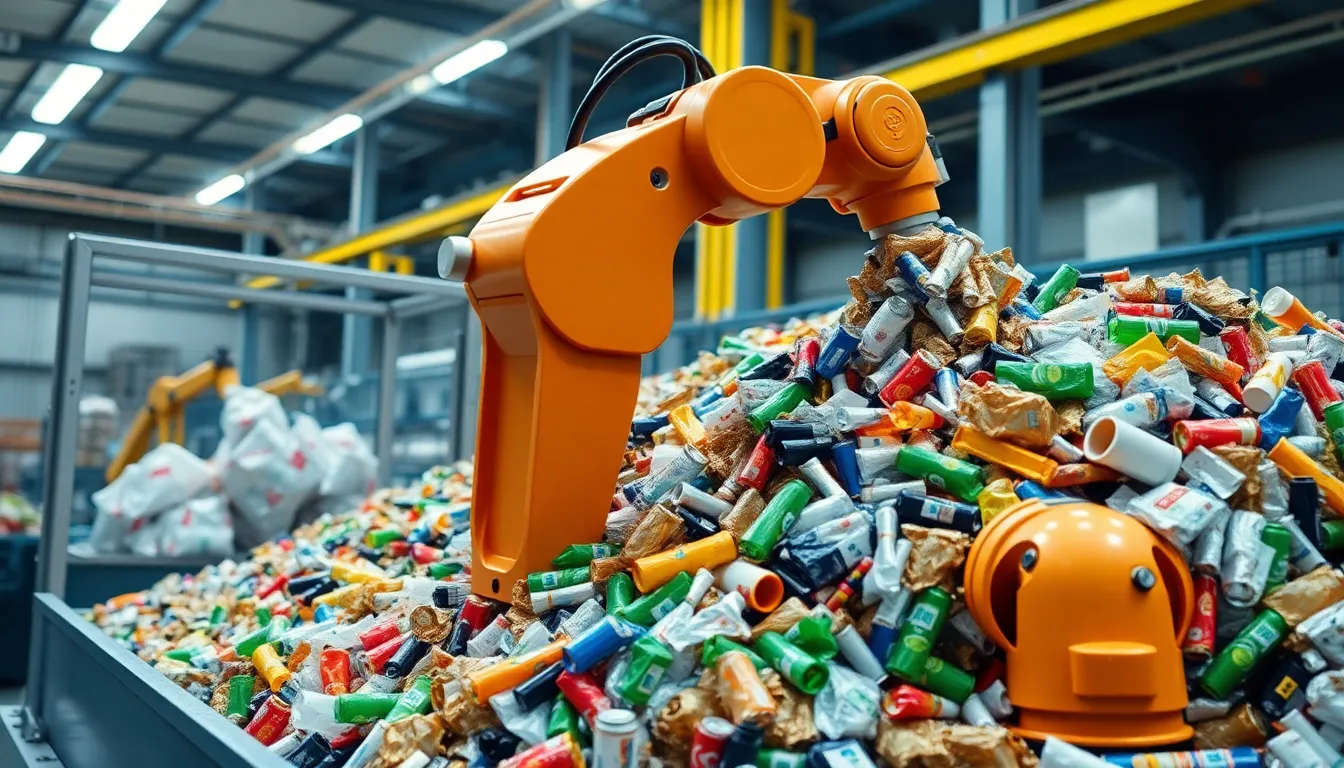
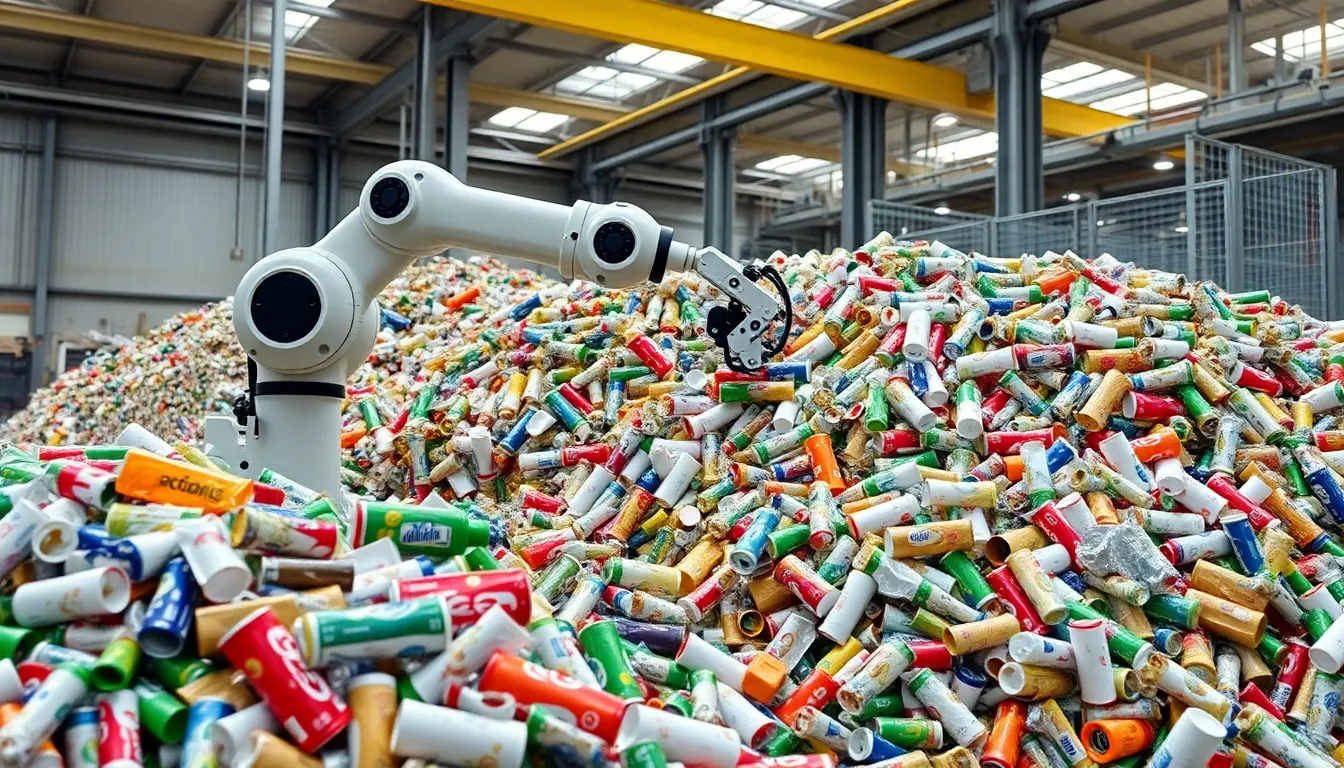
In response to these staffing challenges, several waste management firms are turning to automation and robotics to maintain service levels. For instance, companies like Waste Management Inc. and Republic Services are investing in robotic systems that can sort and process recyclables, reducing the reliance on manual labor. This shift not only helps address immediate staffing issues but also positions these firms for long-term efficiency gains, reminiscent of how technology is reshaping various sectors.
The implications of this trend extend beyond operational efficiency. As automation becomes more prevalent, there are concerns about job displacement in an already vulnerable sector. Labor advocates are calling for measures to ensure that workers are not left behind as technology reshapes the industry landscape.
Moreover, the integration of robotics in waste management highlights a broader shift towards technological solutions across various sectors. As companies seek to innovate in response to labor shortages, the role of technology in addressing systemic workforce challenges is becoming increasingly significant.
The background of labor shortages in the waste management sector
The waste management sector has faced significant labor shortages in recent years, a trend exacerbated by various socio-economic factors. Historically, this industry has been characterized by physically demanding jobs that often offer low wages and limited benefits. As a result, many potential workers have opted for employment in sectors perceived as more stable and rewarding, leading to a gradual decline in the workforce available for waste management roles.
Political factors have also played a critical role in shaping the labor landscape. Regulatory changes aimed at improving working conditions and environmental standards have increased operational costs for waste management firms. While these regulations are essential for public health and safety, they have made it more challenging for companies to attract and retain employees, as firms struggle to balance compliance with financial viability.
Economically, the COVID-19 pandemic has had a profound impact on labor markets across various industries, including waste management. The pandemic led to a temporary shutdown of many operations, resulting in layoffs and a subsequent loss of skilled labor. As the economy began to recover, many former employees chose to pursue opportunities in other sectors, further widening the labor gap in waste management.
Key milestones in the shift towards automation
As labor shortages have intensified, many waste management companies have begun to turn to automation and robotics as a solution. This shift was marked by significant investments in technology, with firms looking to enhance efficiency and reduce reliance on human labor. The introduction of robotic sorting systems and automated collection vehicles has not only helped mitigate the impact of labor shortages but has also transformed operational practices within the industry, similar to the innovations emerging in the wake of the COVID-19 pandemic.
Key stakeholders and issues surrounding automation in waste management
The transition towards automation in the waste management sector involves various stakeholders, each with distinct interests and concerns. Key actors include waste management companies, technology developers, local governments, and employees within the industry. Understanding their roles is essential to grasp the complexities of this shift.
Waste management companies are primarily motivated by the need to improve efficiency and reduce operational costs. As they struggle to find sufficient staff due to labor shortages, the adoption of robots and automated systems presents a viable solution. However, this shift raises concerns about job security for existing employees, leading to potential conflicts between management and labor unions.
Local governments play a critical role in regulating waste management practices and ensuring compliance with environmental standards. They may support the integration of robotics as a means to enhance service delivery and sustainability. However, they must also consider the implications for employment and the social impact on communities reliant on these jobs.
Technology developers are eager to innovate and provide solutions that meet the evolving needs of the waste management industry. Their interests lie in creating effective robotic systems that can handle various waste types, but they must navigate the legal landscape regarding safety standards and liability issues. The economic implications of these technologies also pose challenges, particularly in terms of initial investment costs versus long-term savings.
- Labor shortages leading to increased automation adoption.
- Potential job losses and the need for retraining of existing employees.
- Regulatory challenges surrounding safety and environmental compliance.
- Economic trade-offs between upfront costs of automation and long-term operational savings.
- Community impacts and the social responsibility of waste management firms.
How automation is affecting workers and the waste management market
The waste management industry is currently facing a significant labor shortage, prompting many companies to turn to automation and robotics to fill the gaps. This shift impacts various groups, including waste management employees, local communities, and technology firms specializing in robotics. As companies adopt automated solutions, traditional roles in waste collection and sorting may be diminished, affecting job security for many workers in the sector, much like the changes brought on by the recent emphasis on data security in many industries.
Short-term impacts include a potential increase in efficiency and reduced operational costs for waste management firms. However, this transition may also lead to heightened anxiety among existing employees regarding job displacement. Communities reliant on these jobs may experience economic uncertainty as workers seek new employment opportunities in an evolving job market.

In the mid-term, the integration of robots into waste management could reshape local economies. While some roles may be lost, new opportunities may arise in technology maintenance, programming, and oversight of automated systems. This shift could lead to a demand for skilled labor in robotics and data management, prompting a need for retraining programs and educational initiatives.
- Risks: Job displacement for current waste management workers.
- Opportunities: Creation of new jobs in robotics and technology oversight.
- Policy Impacts: Potential need for government intervention in worker retraining and support programs.
Regions with a high concentration of waste management facilities may experience more pronounced effects as companies adopt these technologies. Local governments may need to reconsider their policies on labor and automation, ensuring that the transition benefits both businesses and the workforce. As the industry evolves, it will be crucial to strike a balance between embracing innovation and supporting those affected by these changes.
A: Many waste management companies are facing high turnover rates and a lack of interest in low-wage, physically demanding jobs. This has led to significant staffing shortages. A: Robots are being utilized for sorting waste, collecting garbage, and even performing maintenance tasks. This automation helps to alleviate the burden on human workers. A: Robots can improve efficiency, reduce operational costs, and enhance safety by taking on dangerous tasks. They also help maintain service levels despite labor shortages. A: While automation can increase efficiency, it may lead to job losses for human workers. There are also concerns about the initial costs of implementing robotic systems. A: The future may see a shift towards more skilled positions that oversee robotic operations, while traditional roles may decline. Adaptation and retraining will be essential for the workforce.
Frequently asked questions about robots in waste management
Future outlook on automation and staffing in the waste industry
The increasing reliance on automation in the waste management sector highlights a significant shift in operational strategies as firms grapple with staffing shortages. As companies turn to robots to perform tasks traditionally handled by human workers, the implications for efficiency, cost management, and workforce dynamics become evident. This trend not only addresses immediate labor challenges but also sets the stage for a more technologically integrated industry.
Looking ahead, the integration of robotics is likely to reshape job roles, necessitating a workforce skilled in technology and maintenance rather than manual labor. As companies adapt to these changes, it will be essential to monitor how this evolution affects both employment opportunities and service quality within the waste management sector.
- Watch for increased investment in robotic technologies as firms seek to enhance operational efficiency.
- Monitor the development of training programs aimed at upskilling workers for new roles in a more automated environment.
- Observe the potential for improved waste sorting and recycling processes through advanced robotic systems.
- Consider the implications for labor costs and pricing strategies within the waste management industry.
- Stay informed about regulatory changes that may impact the deployment of automation in waste management.