
Recently, the compound gained attention when former U.S. President Donald Trump met with Chinese President Xi Jinping during his tenure. This meeting, held in April 2017, marked a critical moment in U.S.-China relations, as both leaders sought to address pressing issues such as trade, North Korea, and global security. For more insights on how Trump’s approach to China evolved, check out this related article. The discussions that took place within Zhongnanhai underscored the compound’s role as a venue for high-stakes negotiations.
As of now, Zhongnanhai continues to be a site of significant diplomatic activity, especially as global tensions rise in various sectors including trade and technology. Recent developments in U.S.-China relations, including tariffs and cybersecurity concerns, have led to renewed calls for dialogue. To understand the comedic take on these diplomatic dynamics, read about Late Night Comedy’s perspective. The compound remains a symbol of both collaboration and contention between the two superpowers.
The secrecy surrounding Zhongnanhai adds to its mystique, with few outsiders granted access to its inner workings. This exclusivity raises questions about transparency and the decision-making processes within the Chinese leadership. As international relations evolve, the dynamics within Zhongnanhai will likely play a crucial role in shaping the future of global diplomacy.
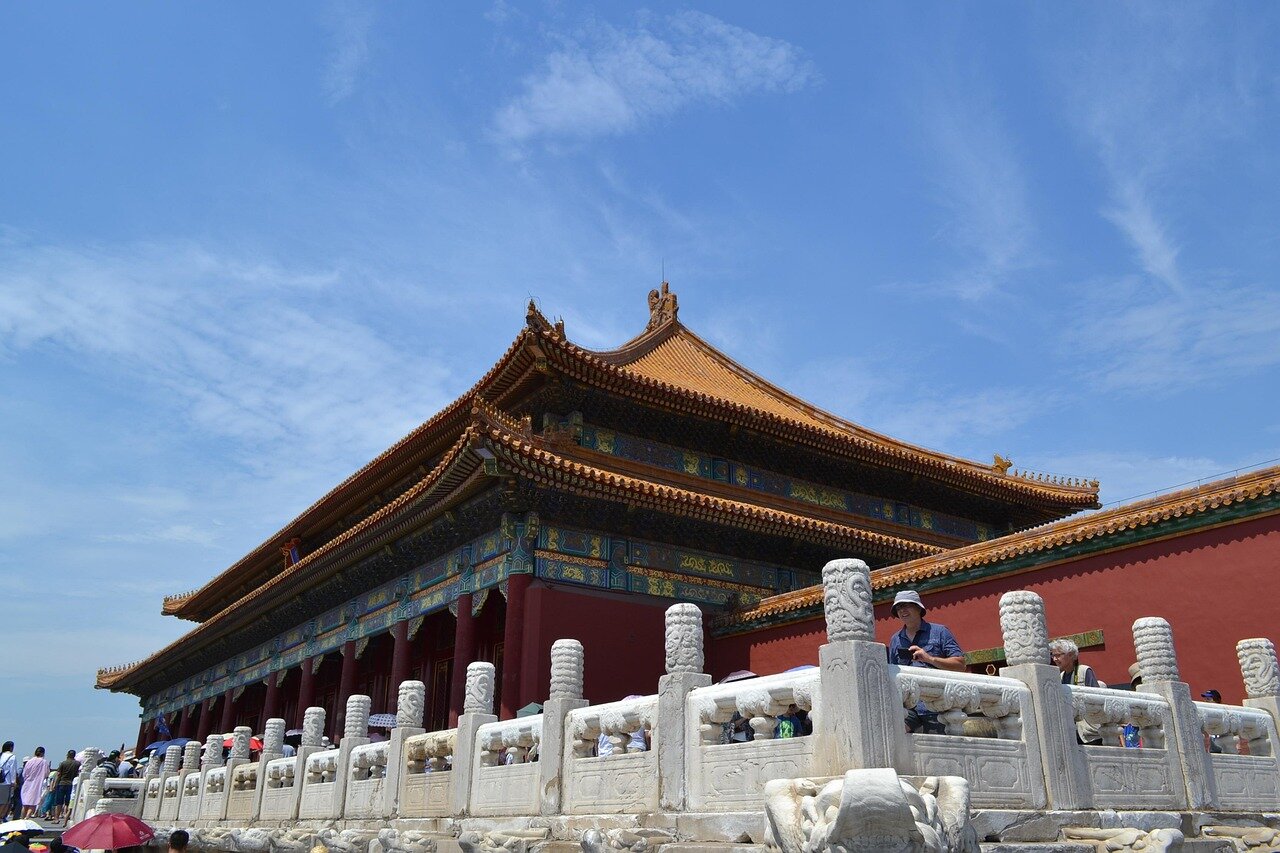
Historical background of Zhongnanhai and its role in Chinese governance
Zhongnanhai, a sprawling complex located in the heart of Beijing, has served as the central headquarters for the Chinese Communist Party (CCP) and the State Council since the establishment of the People’s Republic of China in 1949. Originally a royal garden during the Ming and Qing dynasties, the area was transformed into a political hub following the Communist victory in the Chinese Civil War. The name “Zhongnanhai” translates to “Central Sea” and reflects its historical significance as a site of power and governance.
Throughout the decades, Zhongnanhai has been the backdrop for critical political events and decisions that have shaped modern China. It is here that the highest-ranking officials convene to discuss policies that affect millions, making it a symbol of authority and control. For a deeper understanding of critiques surrounding Trump’s stance on China, you can explore Bill Maher’s take on the matter. The complex is not only a meeting place but also a residence for key leaders, including the General Secretary of the CCP and the President of China, further cementing its status as the epicenter of Chinese political life.
One of the most notable events in recent history was the 2017 meeting between then-President Donald Trump and Chinese President Xi Jinping. This meeting marked a significant moment in U.S.-China relations, taking place in the context of rising tensions over trade, North Korea, and regional security. The choice of Zhongnanhai as the venue underscored its importance as a site for diplomacy and negotiation, highlighting China’s desire to project strength and stability on the global stage.
The Evolution of Zhongnanhai’s Role
Over the years, Zhongnanhai has evolved from a royal retreat to a symbol of Communist power and governance. The complex has witnessed key historical milestones, including the Cultural Revolution and Tiananmen Square protests, which have left indelible marks on the Chinese psyche. As China continues to assert its influence globally, Zhongnanhai remains a critical site for decision-making, reflecting the ongoing interplay between domestic policies and international relations.
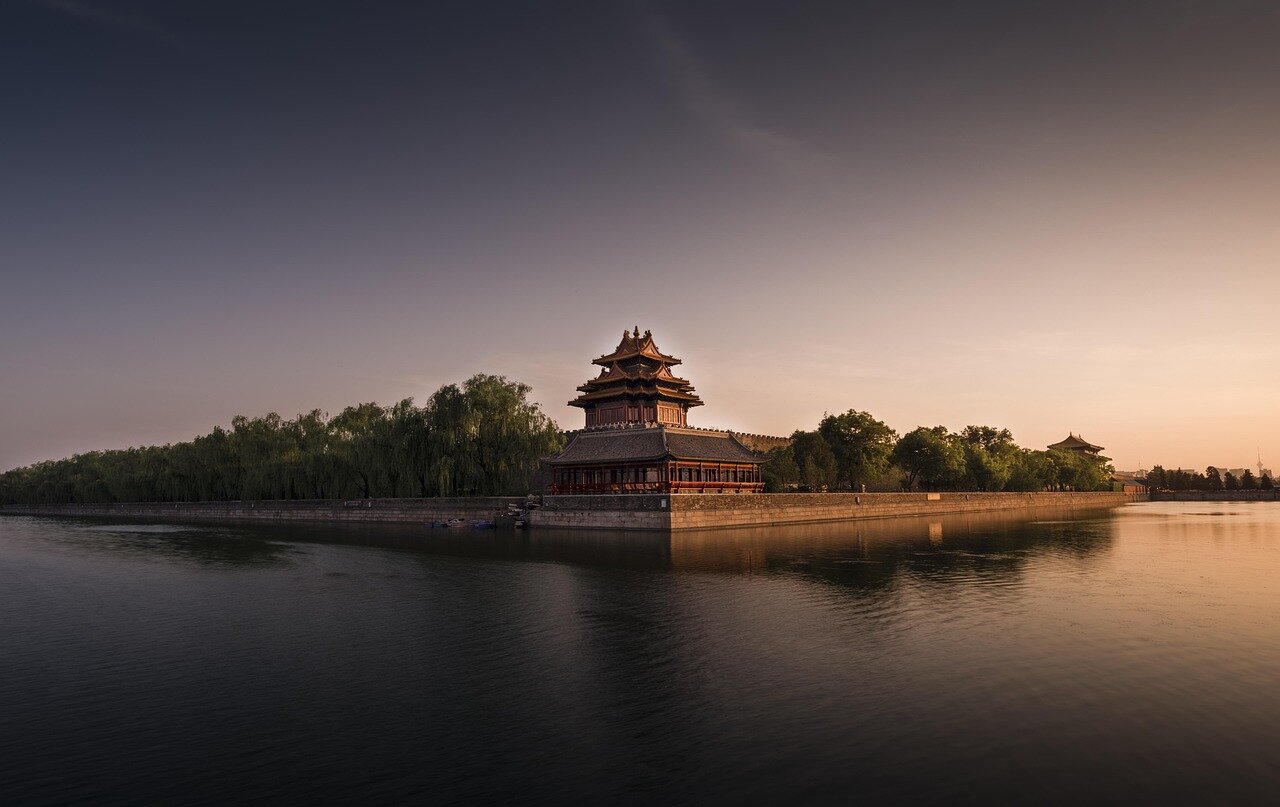
Key stakeholders involved in the meetings at Zhongnanhai
Zhongnanhai serves as the central headquarters for the Chinese Communist Party (CCP) and the State Council, making it a significant location for high-level diplomatic meetings. The primary stakeholders in the context of meetings held at Zhongnanhai include key political figures, governmental bodies, and influential organizations from both China and the United States.
On the Chinese side, President Xi Jinping represents the CCP’s interests, focusing on strengthening China’s global influence and promoting its economic agenda. The Chinese government, through various ministries, is interested in fostering bilateral relations that can enhance trade, technology exchange, and investment opportunities with the U.S.
From the U.S. perspective, former President Donald Trump and his administration were primarily concerned with addressing trade imbalances and national security issues related to China. The U.S. government aimed to negotiate terms that would benefit American businesses and protect intellectual property rights, which have been contentious points in U.S.-China relations.
Key issues at stake during these meetings included:
- Trade Relations: The ongoing trade war and tariffs imposed by both nations impacted economic ties and market access.
- Intellectual Property Rights: Concerns over theft and forced technology transfers remained a significant point of contention.
- Geopolitical Influence: Both nations sought to assert their dominance in the Asia-Pacific region, leading to strategic conflicts.
- Climate Change Cooperation: Despite tensions, there was a need for collaboration on global issues like climate change.
- Human Rights Concerns: Issues related to human rights practices in China often surfaced, affecting diplomatic discourse.
The interactions at Zhongnanhai reflect the complexities of U.S.-China relations, where economic interests, geopolitical strategies, and domestic pressures intertwine. Each stakeholder’s priorities can lead to trade-offs that complicate negotiations, making the outcomes of such meetings critical for both nations’ future engagements.
Implications of the Trump-Xi meeting for global relations
The meeting between former President Donald Trump and Chinese President Xi Jinping at Zhongnanhai has far-reaching implications for various groups and industries around the globe. Key stakeholders include government officials, multinational corporations, and trade organizations that operate within or have ties to the U.S. and China. The dialogue at this secretive compound highlights the delicate balance of power and the complexities of international relations.
In the short term, businesses that rely heavily on U.S.-China trade, such as technology and manufacturing sectors, may experience fluctuations in stock prices and market sentiments based on the outcomes of such meetings. Companies in industries like agriculture and energy are particularly sensitive to trade policies that may arise from these discussions, as tariffs and trade agreements can significantly impact their operations.
Mid-term impacts could manifest in shifts in foreign policy and trade regulations, affecting not only U.S. and Chinese markets but also third-party countries that engage in trade with either nation. For instance, nations in Southeast Asia may find themselves navigating new trade routes or partnerships as the U.S. and China reassess their economic strategies. This realignment could create opportunities for countries that position themselves as neutral trade partners.
- Risks: Increased tensions could lead to economic sanctions or trade wars, affecting global supply chains.
- Opportunities: Enhanced cooperation could foster new trade agreements, benefiting industries that thrive on cross-border exchanges.
- Public Sentiment: Changes in diplomatic relations may influence public opinion and consumer behavior in both countries.
Overall, the implications of the Trump-Xi meeting extend beyond immediate diplomatic relations, influencing economic landscapes, policy decisions, and the daily lives of individuals and businesses engaged in international commerce. As the world watches closely, the outcomes of such high-stakes meetings will shape the future of global trade and cooperation.
A: Zhongnanhai is a central government compound in Beijing, serving as the residence and office for China’s top leaders. A: The compound is heavily guarded and not open to the public, making it a place of privacy for high-level political discussions. A: Notable meetings include discussions between Chinese leaders and foreign heads of state, including the meeting between Trump and Xi. A: As the center of political power, decisions made at Zhongnanhai can have significant impacts on both domestic and international policies. A: No, Zhongnanhai is not accessible to the public, reflecting its status as a secure site for political activities.
Common questions about Zhongnanhai and its significance
Key takeaways and future outlook on Zhongnanhai’s role
Zhongnanhai serves as a pivotal locus for political power in China, symbolizing both the governance structure and the intricate relationships that define international diplomacy. As the world watches the interactions between leaders such as Trump and Xi, the significance of this compound extends beyond its physical presence, influencing global perceptions and geopolitical strategies.
Future engagements at Zhongnanhai will likely shape the dynamics of U.S.-China relations, with potential implications for trade, security, and environmental policies. The compound’s secretive nature may continue to foster speculation, yet it also provides a unique opportunity for dialogue and understanding between two of the world’s most influential nations.
- Monitor the outcomes of high-level meetings at Zhongnanhai for shifts in U.S.-China relations.
- Observe how Zhongnanhai’s role evolves in the context of global challenges, such as climate change and economic instability.
- Pay attention to the narratives surrounding Zhongnanhai in media, as they can influence public perception and diplomatic approaches.
- Consider the impact of internal Chinese politics on decisions made within Zhongnanhai, particularly as leadership transitions occur.
- Evaluate the implications of Zhongnanhai’s engagements on regional stability in Asia and beyond.