
The Rise of Stargazing Train Journeys
In recent years, there has been a notable increase in the popularity of stargazing train journeys across various regions. This trend is driven by a growing interest in astronomy and the natural beauty of the night sky, which offers a unique experience for travelers. Train operators are responding to this demand by introducing specialized routes that highlight celestial events and provide passengers with optimal viewing conditions.
For instance, the California Zephyr has introduced night-time excursions that allow passengers to observe the stars while traveling through remote areas with minimal light pollution. Similarly, the Rocky Mountaineer has launched stargazing packages that coincide with meteor showers and other astronomical phenomena, enhancing the overall travel experience. These initiatives are not only attracting astronomy enthusiasts but also families and tourists seeking memorable adventures.
Moreover, various events are scheduled for the upcoming months, including guided stargazing nights on select trains. Notable dates include the Perseid Meteor Shower peak on August 12, 2023, and the Winter Solstice train rides in December, which promise breathtaking views of the winter night sky. These events are designed to educate passengers about the constellations and celestial objects visible during their journeys.
As the trend continues to grow, train companies are investing in amenities such as telescopes and expert guides to enhance the stargazing experience. This shift not only emphasizes the beauty of the night sky but also encourages eco-friendly travel alternatives. The integration of stargazing into train travel represents a significant evolution in the way people engage with nature and the universe.
Understanding the Appeal of Stargazing
Stargazing has captivated humanity for centuries, serving as a source of inspiration, wonder, and scientific inquiry. From ancient civilizations that used the stars for navigation and agricultural planning to modern astronomers who study celestial phenomena, the night sky has always held a special place in human culture. This fascination is not only rooted in the beauty of the cosmos but also in the profound questions it raises about our existence and the universe.
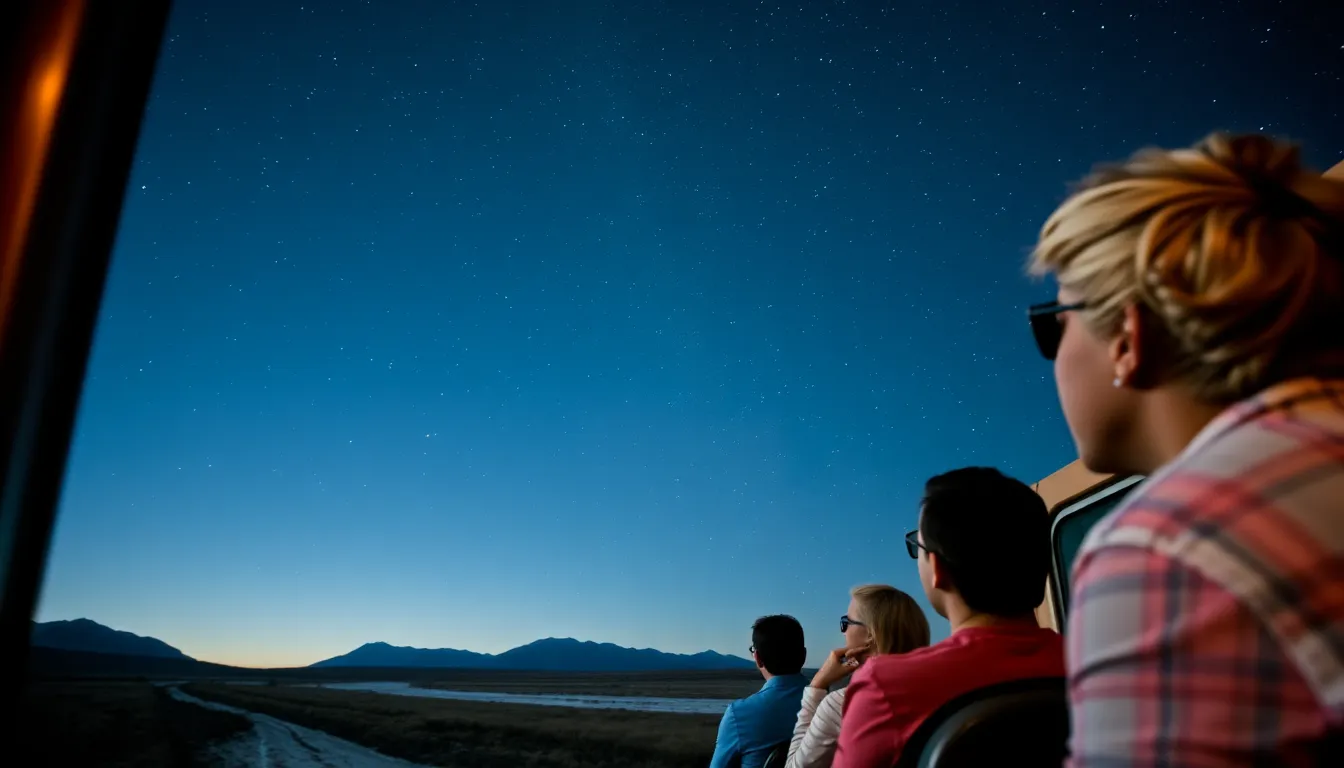
In recent years, the popularity of stargazing has surged, driven by a growing interest in astronomy and the accessibility of information through technology. Mobile apps that identify constellations and celestial events have made it easier for enthusiasts to engage with the night sky. Additionally, the rise of eco-tourism has prompted travel companies to offer unique experiences, such as stargazing train journeys, that combine the beauty of nature with the thrill of astronomical observation.
The Role of Trains in Stargazing
Trains have long been a symbol of adventure and exploration, providing a means to access remote locations where light pollution is minimal, and the night sky is unobstructed. The introduction of specially designed stargazing trains has transformed the way people experience the cosmos. These trains often feature panoramic windows, observation decks, and knowledgeable guides who enhance the journey with insights into celestial events and constellations.
Historically, railroads played a critical role in the development of tourism in the 19th and 20th centuries, connecting urban populations with natural landscapes. This legacy continues today, as stargazing trains tap into a nostalgic sense of travel while promoting awareness of the importance of dark skies and environmental conservation. As awareness of light pollution grows, these unique travel experiences not only offer entertainment but also encourage a deeper appreciation for the natural world.
Key milestones in the stargazing train phenomenon include the establishment of dedicated routes that focus on astronomical events, such as meteor showers or eclipses. These events have historically drawn large crowds and have been pivotal in shaping public interest in astronomy. As more travelers seek immersive experiences that blend adventure with education, stargazing trains are poised to become a significant trend in the tourism industry, offering a unique way to connect with the cosmos.
Key Features of Great Stargazing Trains
The concept of stargazing trains has gained traction among various stakeholders, including railway companies, tourism boards, and environmental organizations. Each group has distinct interests that shape the development and promotion of these unique travel experiences.
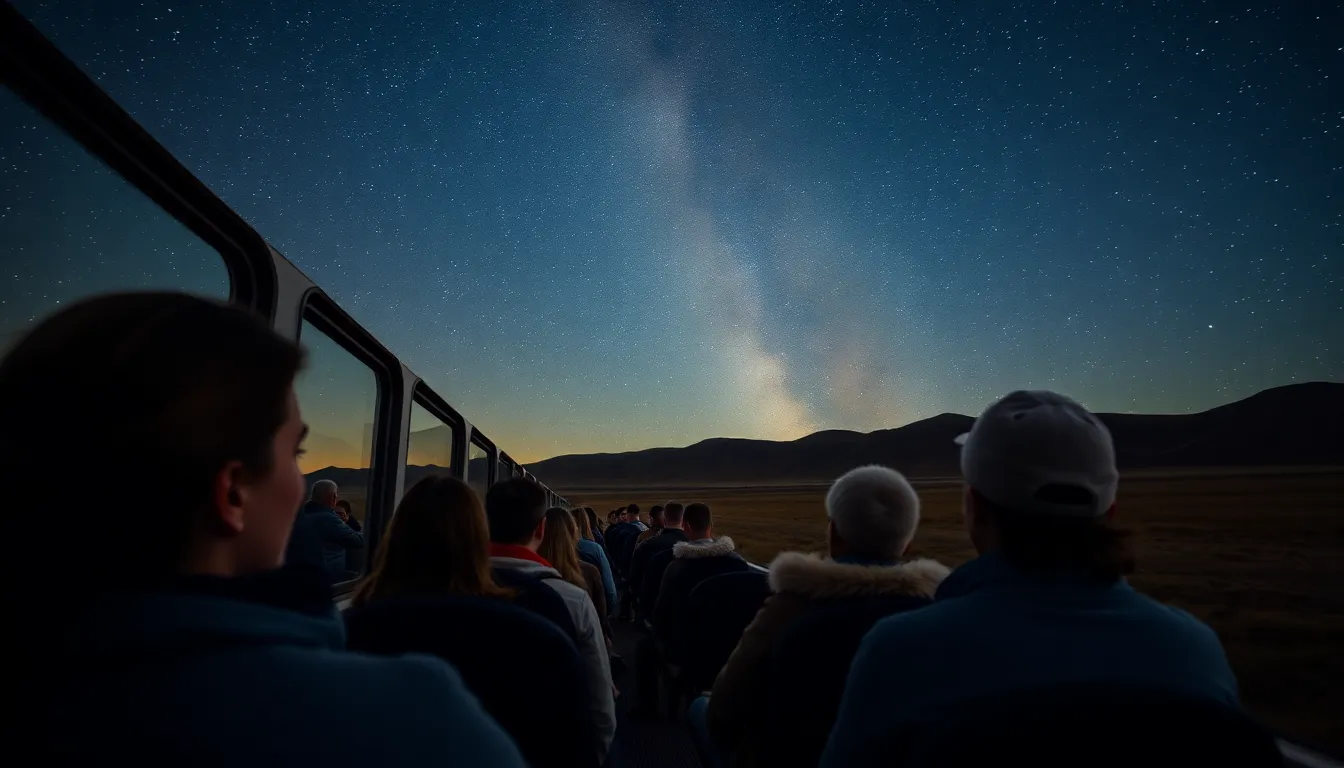
Railway companies are primarily focused on profitability and customer satisfaction. By offering stargazing experiences, they can attract a niche market that seeks adventure and natural beauty. This can lead to increased ticket sales and brand loyalty. However, the challenge lies in balancing operational costs with the investment required for specialized amenities, such as observation decks and telescopes.
Tourism boards and local governments are also key players, as they aim to boost regional tourism and economic growth. Stargazing trains can serve as a draw for visitors, helping to promote local attractions and businesses. However, there may be conflicts with residents who are concerned about noise and traffic disruptions, leading to potential pushback against such initiatives.
Environmental organizations play a critical role in ensuring that stargazing trains operate sustainably. They advocate for practices that minimize light pollution and preserve natural habitats along train routes. The challenge here is to find a balance between promoting tourism and protecting the environment, often requiring negotiations and compromises among stakeholders.
- Profitability vs. Sustainability: Railway companies must weigh the financial benefits of stargazing trains against their environmental impact.
- Community Engagement: Local governments need to engage with residents to address concerns about increased tourism.
- Regulatory Challenges: Environmental regulations may impact the development of stargazing train routes.
- Marketing Strategies: Collaboration between railway companies and tourism boards is essential to effectively promote stargazing experiences.
- Technological Innovations: Advances in technology can enhance the stargazing experience but may require significant investment.
Who Benefits from Stargazing Train Experiences
The introduction of stargazing train experiences impacts a diverse array of groups, including tourists, local businesses, and the railway industry itself. These experiences cater to astronomy enthusiasts and families seeking unique recreational activities, thus broadening the appeal of train travel. Regions with scenic landscapes and minimal light pollution stand to gain the most, as they can attract visitors eager to witness the night sky in all its glory.
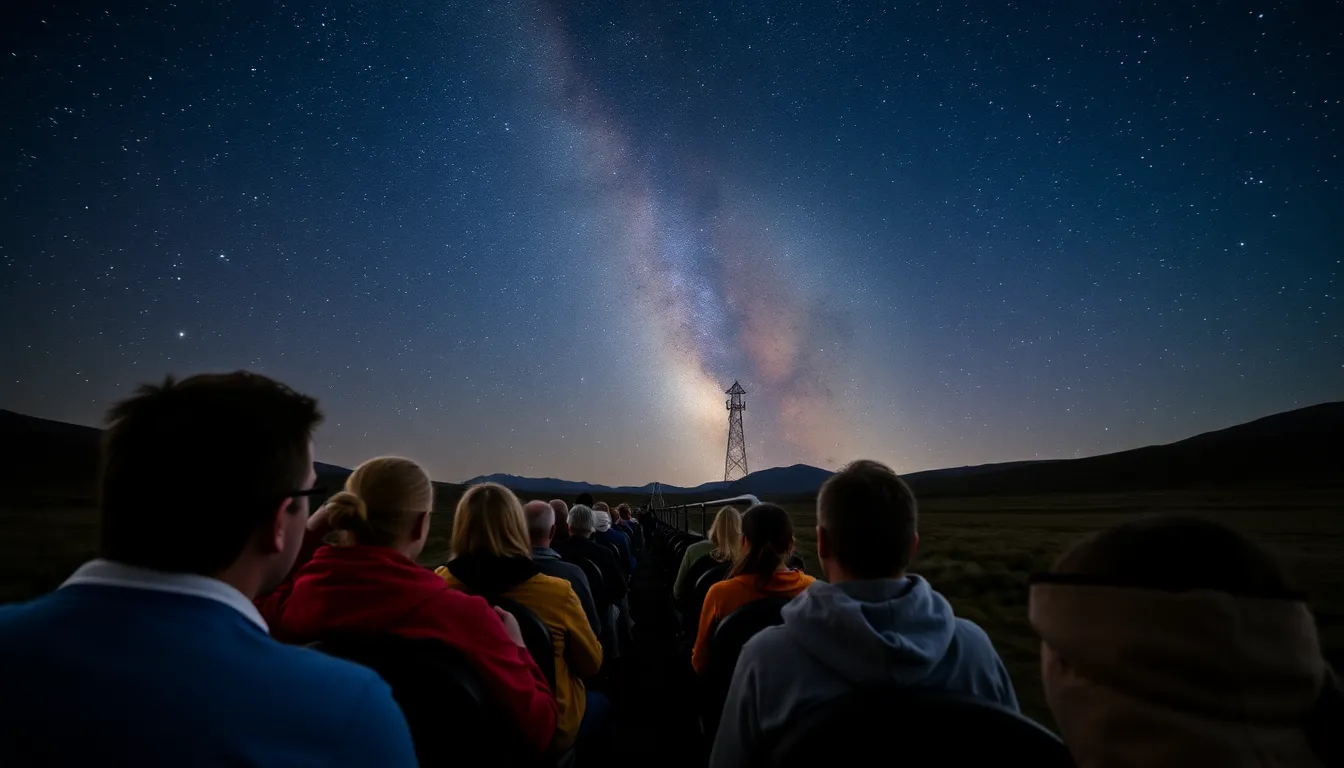
In the short term, local economies may see a boost as stargazing trains draw tourists to areas that may not typically receive high foot traffic. Businesses such as hotels, restaurants, and local attractions can experience increased patronage, leading to higher revenues. Additionally, the railway companies can benefit from increased ticket sales as they diversify their offerings and create niche markets within the travel sector.
However, there are also risks associated with this trend. Increased tourism can strain local resources and infrastructure, potentially leading to environmental degradation if not managed properly. Moreover, if stargazing train experiences do not meet customer expectations, it could harm the reputation of the rail services involved, resulting in financial losses.
- Short-term impacts: Boost in local tourism and business revenues.
- Mid-term impacts: Potential for sustainable tourism development and increased investment in local infrastructure.
- Risks: Environmental concerns and strain on local resources.
- Opportunities: Development of new markets and enhanced customer experiences.
As the popularity of stargazing trains continues to rise, stakeholders must navigate these challenges and opportunities thoughtfully. Collaboration between local governments, businesses, and railway companies will be essential to ensure that the benefits of this trend are maximized while minimizing its negative impacts.
A: The best times for stargazing are typically during the new moon phase when the skies are darkest. Clear weather conditions also enhance visibility. A: While a good pair of binoculars can enhance your experience, many trains provide telescopes or guided stargazing sessions for passengers. A: Availability varies by location, but many stargazing train journeys operate during specific seasons, often aligning with astronomical events. A: Yes, many stargazing trains are family-friendly and offer activities suitable for children, making it a great experience for all ages. A: Booking can typically be done online through the train service’s official website or through travel agencies specializing in unique experiences.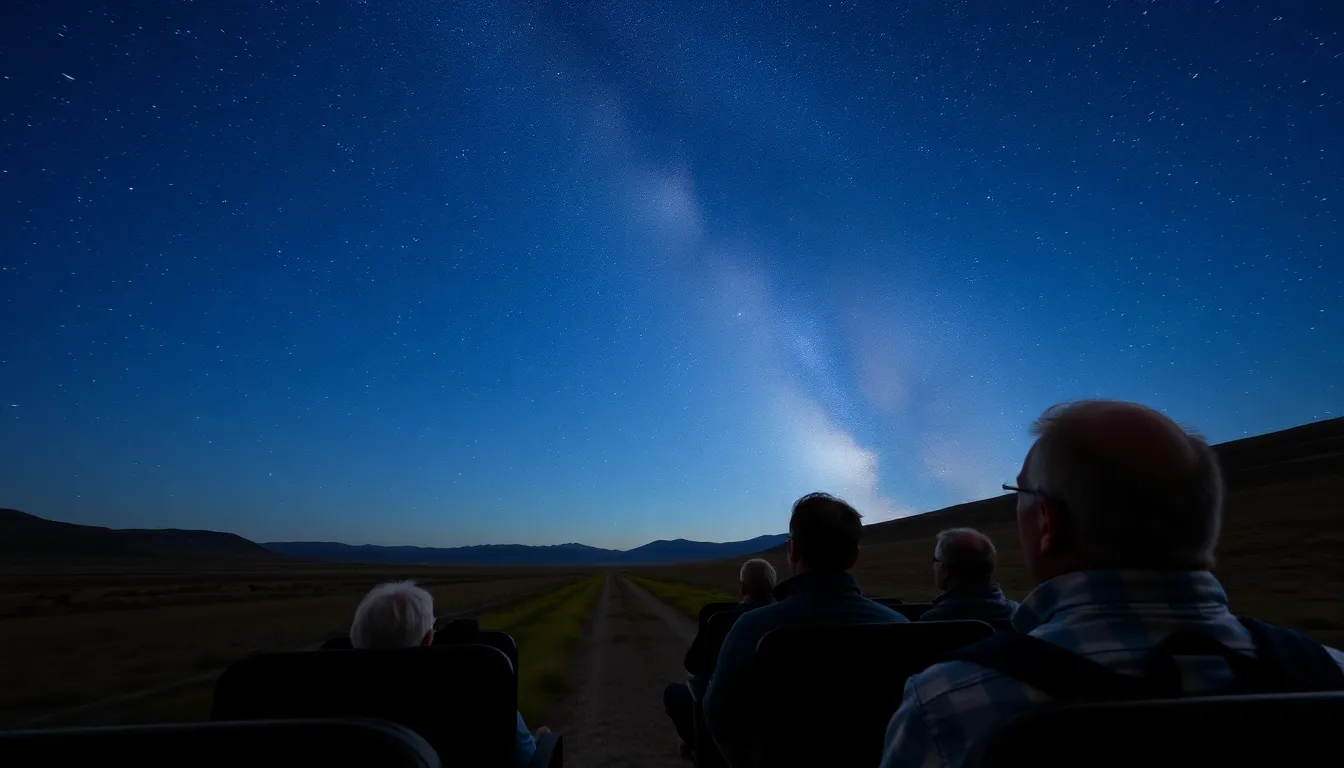
Frequently Asked Questions About Stargazing Trains
Looking Ahead to Stargazing Train Opportunities
As interest in stargazing continues to grow, the unique combination of train travel and celestial observation presents a promising avenue for both tourism and education. The five featured stargazing trains not only enhance the travel experience but also foster a deeper appreciation for astronomy and the natural world. With advancements in technology and increased awareness of light pollution, these excursions are likely to attract a diverse audience, from families to avid astronomers.
Future developments in this niche could include partnerships with local astronomers, enhanced onboard educational programs, and improved viewing facilities. As more regions recognize the value of their dark skies, the potential for new stargazing train routes may emerge, creating even more opportunities for exploration and discovery in the cosmos.
- Look for collaborations between stargazing trains and local astronomy clubs to enhance educational offerings.
- Monitor developments in technology that could improve onboard stargazing experiences, such as augmented reality tools.
- Stay aware of new routes being introduced as destinations seek to capitalize on their dark sky locations.
- Consider the impact of sustainable travel practices in the promotion of stargazing train experiences.