
Farmers in the region have voiced their concerns, stating that the presence of these large birds of prey could lead to increased predation on young livestock, particularly lambs. A recent survey indicated that 75% of local farmers fear that the eagles could disrupt their farming operations, prompting calls for more comprehensive management plans to mitigate risks.
On the other hand, conservation groups argue that the reintroduction of White-tailed eagles is crucial for biodiversity and ecosystem health. They highlight the species’ role in controlling populations of smaller animals and enhancing the natural balance within the Exmoor National Park.
The debate has drawn attention from local authorities, who are seeking to find a middle ground that addresses the concerns of farmers while also supporting conservation efforts. Discussions are ongoing, with stakeholders from both sides aiming to collaborate on strategies that will ensure the successful integration of the eagles into the Exmoor landscape, despite the challenges highlighted by the farming community.
Understanding the background of eagle reintroduction efforts
The white-tailed eagle, once a common sight across the UK, faced severe population decline due to habitat loss, hunting, and environmental changes. By the early 20th century, these majestic birds were virtually extinct in Britain. Conservation efforts began in the mid-20th century, leading to successful reintroduction programs in various parts of the UK, including Scotland, where the population has rebounded significantly.
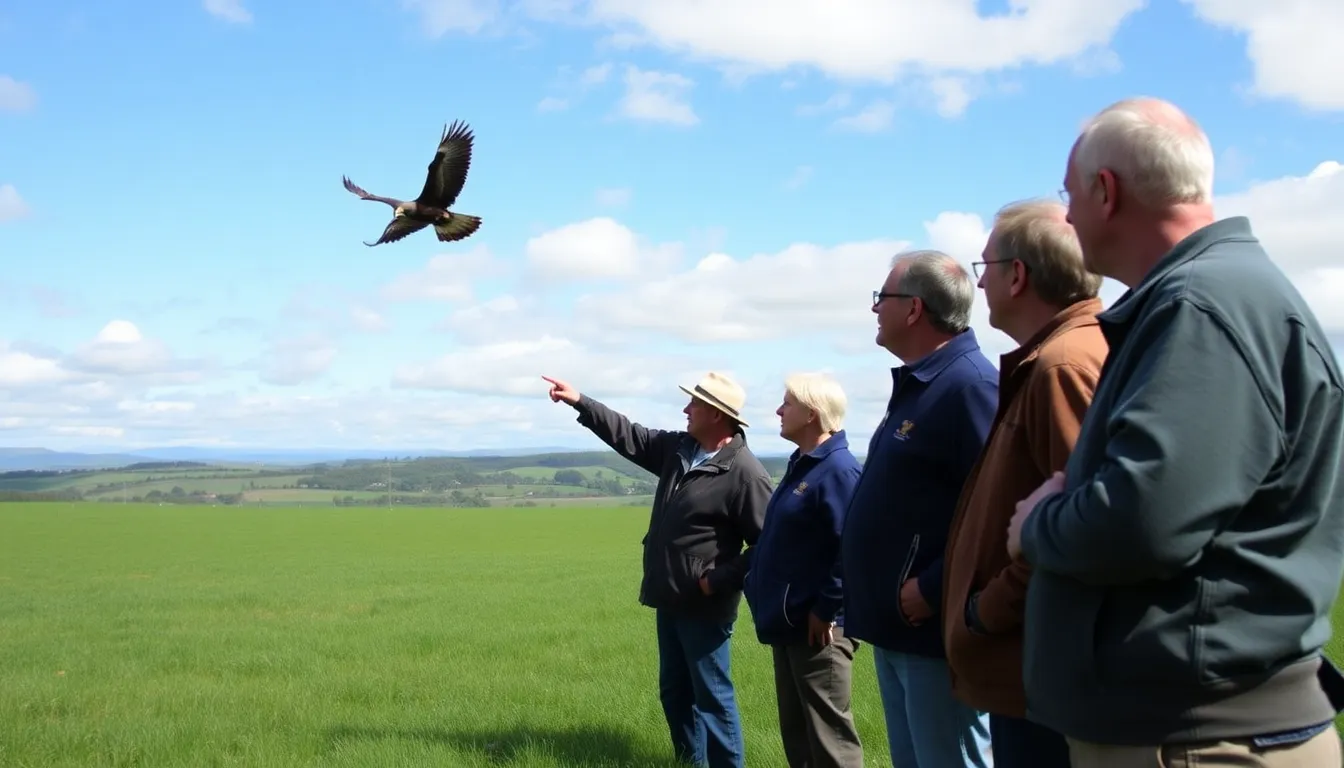
In recent years, the focus has shifted to reintroducing white-tailed eagles in other regions, such as Exmoor in England. This initiative has sparked a heated debate among conservationists, farmers, and local communities. Proponents argue that reintroducing the species will enhance biodiversity and contribute to ecological balance, while opponents raise concerns about potential impacts on livestock and local agriculture.
Key milestones in eagle conservation
One of the pivotal moments in the reintroduction of the white-tailed eagle was the successful breeding program initiated in 1975 on the Isle of Rum in Scotland. This marked the first step towards restoring the species to its former range. Over the decades, the population has steadily increased, with the RSPB reporting over 200 breeding pairs in Scotland by 2020. As these birds expanded their territory, discussions about reintroducing them to England gained momentum, culminating in plans for Exmoor.
The political landscape surrounding wildlife conservation has also evolved, with increased awareness of the importance of preserving native species. Recent government policies have emphasized biodiversity and conservation, aligning with broader environmental goals. However, the tension between conservation efforts and agricultural interests remains a significant challenge, as many farmers fear that the reintroduction of apex predators like the white-tailed eagle could disrupt their livelihoods.
As the reintroduction date approaches, stakeholders from various sectors are engaging in dialogues to address concerns and find common ground. The outcome of this initiative could set a precedent for future wildlife conservation projects in England, highlighting the delicate balance between ecological restoration and agricultural practices.
Examining the concerns of farmers and conservationists
The decision to release white-tailed eagles in Exmoor has sparked significant debate among various stakeholders, particularly farmers and conservationists. Farmers express concerns about the potential impact on livestock, while conservationists advocate for the ecological benefits of reintroducing this species. Understanding the interests and conflicts among these groups is essential for a comprehensive analysis of the situation.
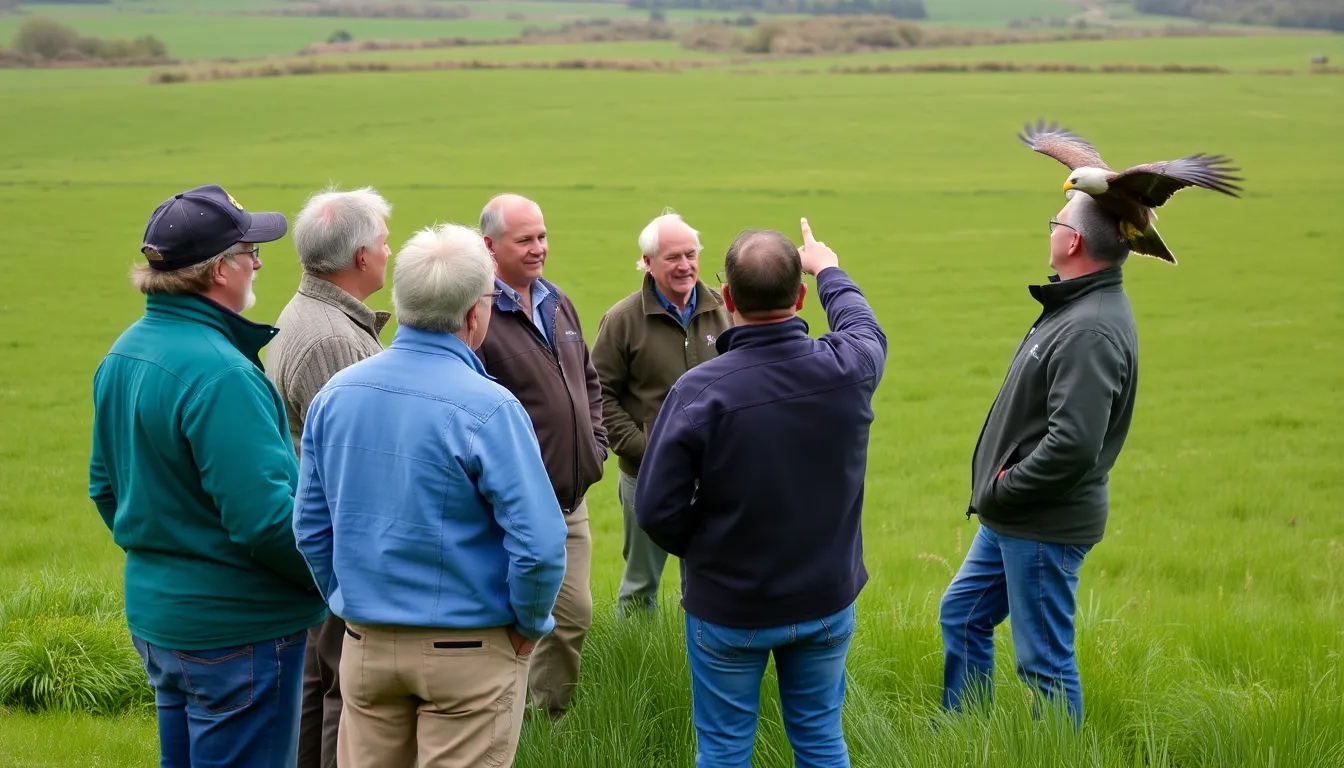
Farmers, represented by organizations such as the National Farmers’ Union (NFU), are primarily concerned about the predation of young livestock and the overall impact on their livelihoods. They argue that the presence of large birds of prey could exacerbate existing challenges in animal husbandry, leading to economic losses. Additionally, there are worries about the lack of compensation for any losses incurred due to eagle predation.
On the other hand, conservationists, including groups like the RSPB (Royal Society for the Protection of Birds), emphasize the importance of biodiversity and the role white-tailed eagles play in maintaining healthy ecosystems. They argue that the reintroduction of this apex predator can help control populations of smaller prey species, ultimately benefiting the environment. The conservation community also highlights the success of similar reintroduction efforts in other regions, suggesting that coexistence is possible.
- Economic Impact: Farmers fear financial losses due to predation, while conservationists argue for long-term ecological benefits.
- Legal Framework: The release of eagles is supported by wildlife protection laws, which may conflict with agricultural interests.
- Public Perception: The differing narratives between farmers and conservationists can influence public opinion and policy decisions.
- Coexistence Strategies: Potential solutions include compensation schemes for farmers and education programs about eagle behavior.
The situation presents a classic case of conflicting interests where both sides have valid concerns. As the release date approaches, the challenge will be to find a balance that addresses the needs of farmers while promoting conservation efforts. Engaging in dialogue and exploring collaborative solutions may be crucial for the success of this initiative.
Potential effects on local agriculture and wildlife
The release of white-tailed eagles in Exmoor is set to impact various stakeholders, particularly local farmers, wildlife enthusiasts, and conservationists. Farmers have expressed concerns about the potential threat these birds may pose to livestock, particularly young animals such as lambs. This could lead to increased tensions between agricultural practices and wildlife conservation efforts.
In the short term, farmers may experience heightened anxiety and uncertainty regarding their livestock’s safety. This could result in altered farming practices, such as increased investment in livestock protection measures or changes in grazing patterns. The agricultural sector may also see a rise in insurance premiums as farmers seek to mitigate perceived risks associated with the presence of these birds.
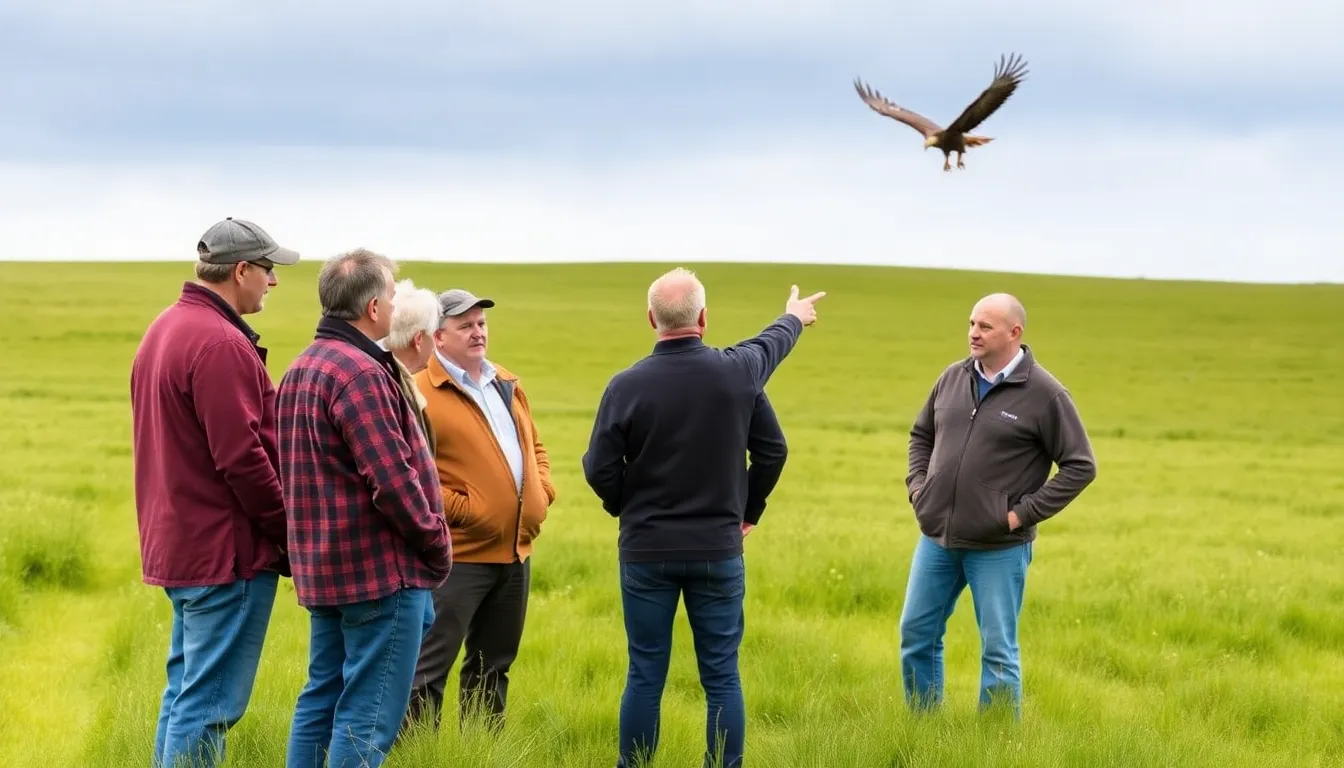
Mid-term impacts could include shifts in local policy as the government and environmental agencies may need to address the concerns of farmers while promoting biodiversity. This could lead to the development of new guidelines or compensation schemes for farmers affected by wildlife predation. Additionally, there may be opportunities for farmers to engage in eco-tourism, attracting visitors interested in observing the newly released eagles.
- Risks: Increased livestock predation, financial strain on farmers, potential policy changes.
- Opportunities: Eco-tourism growth, enhanced biodiversity, potential grants for wildlife-friendly farming practices.
Moreover, the local community could experience a shift in public perception regarding wildlife conservation. As awareness grows about the ecological benefits of reintroducing species like the white-tailed eagle, there may be increased support for conservation initiatives. This could lead to a more collaborative approach between farmers and conservationists, fostering a sustainable coexistence.
A: White-tailed eagles are being reintroduced to help restore the ecosystem and promote biodiversity in the region. A: Farmers are worried that the eagles may prey on livestock, particularly young animals, which could impact their livelihoods. A: The release will be closely monitored by conservationists to assess the eagles’ behavior and any impacts on local agriculture. A: Conservation groups are working with farmers to develop strategies that mitigate risks and ensure coexistence. A: The release is scheduled for later this year, although exact dates may vary based on weather and other factors.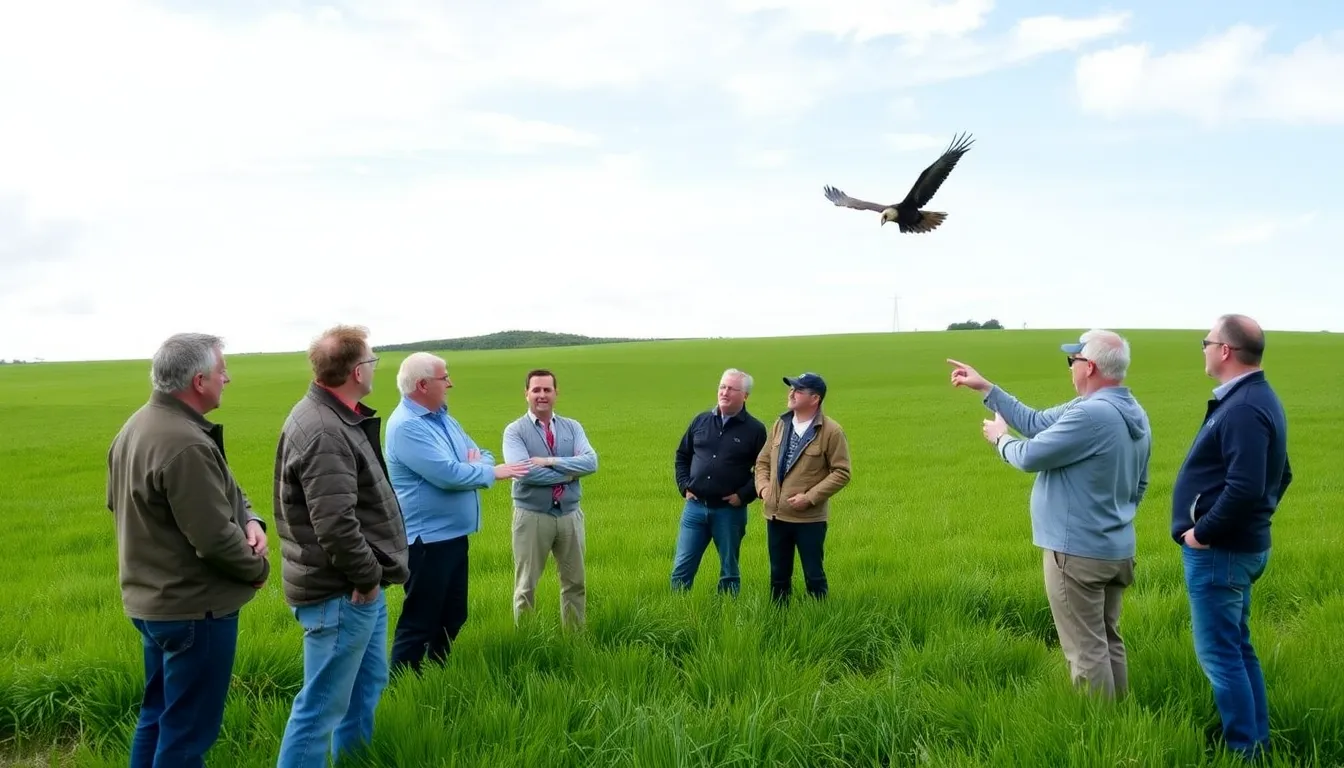
Frequently asked questions about the eagle release
Looking ahead at the implications of the eagle release
The decision to release White-tailed eagles in Exmoor marks a significant step in wildlife conservation efforts, despite the concerns raised by local farmers regarding potential impacts on livestock. Balancing ecological restoration with agricultural practices will be crucial as stakeholders navigate the complexities of this initiative. The success of this project could serve as a model for similar conservation efforts in other regions, provided that effective communication and collaboration between conservationists and farmers are prioritized.
<pAs the eagles adapt to their new environment, monitoring their behavior and interactions with local ecosystems will be essential. Understanding their role in the food chain and any unforeseen consequences on agricultural practices will help inform future wildlife management strategies.
- Potential for conflict: Farmers may experience challenges related to livestock safety, necessitating proactive measures to mitigate risks.
- Ecological benefits: The return of a top predator like the White-tailed eagle could enhance biodiversity and contribute to healthier ecosystems.
- Community engagement: Ongoing dialogue between conservationists and local communities will be vital to address concerns and foster cooperation.
- Monitoring efforts: Regular assessments of the eagles’ impact on local wildlife and agriculture will be crucial for adapting management practices.
- Long-term vision: The project could pave the way for future rewilding initiatives, emphasizing the need for sustainable coexistence between wildlife and farming.