
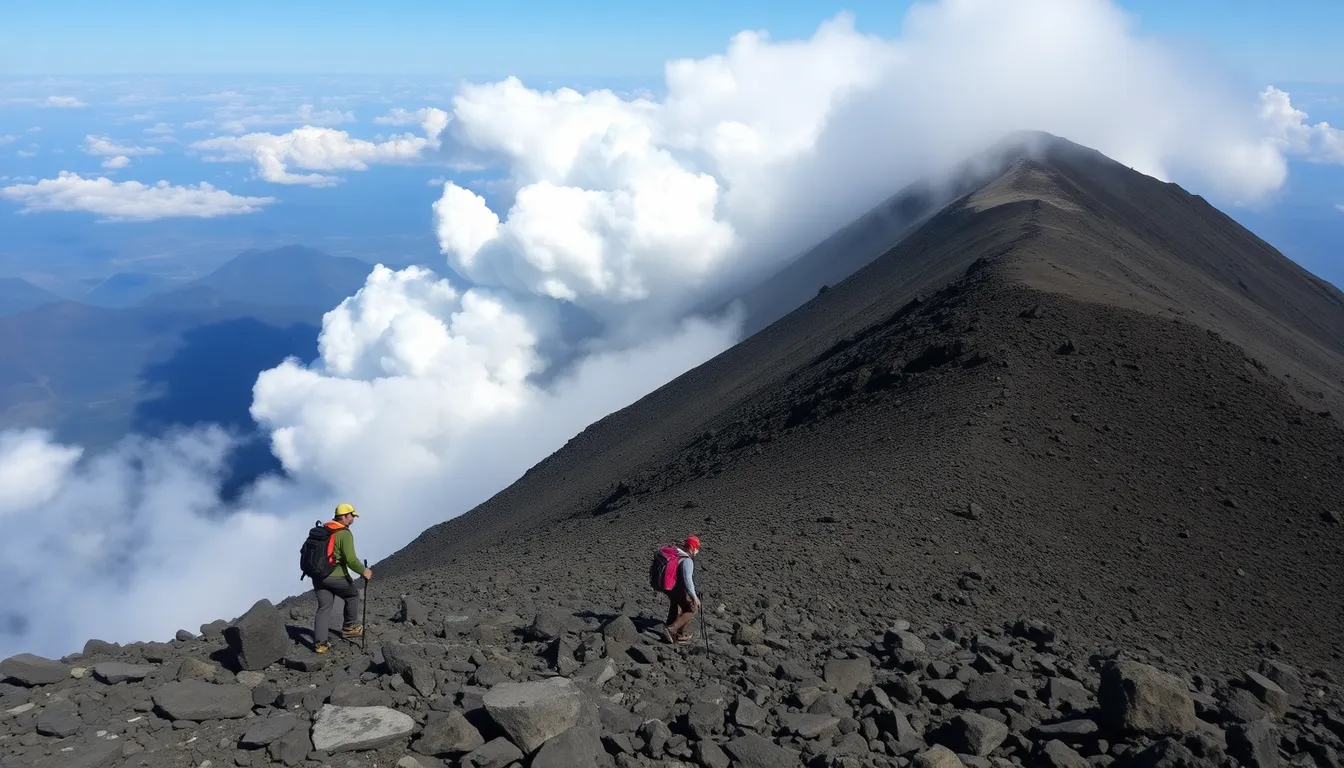
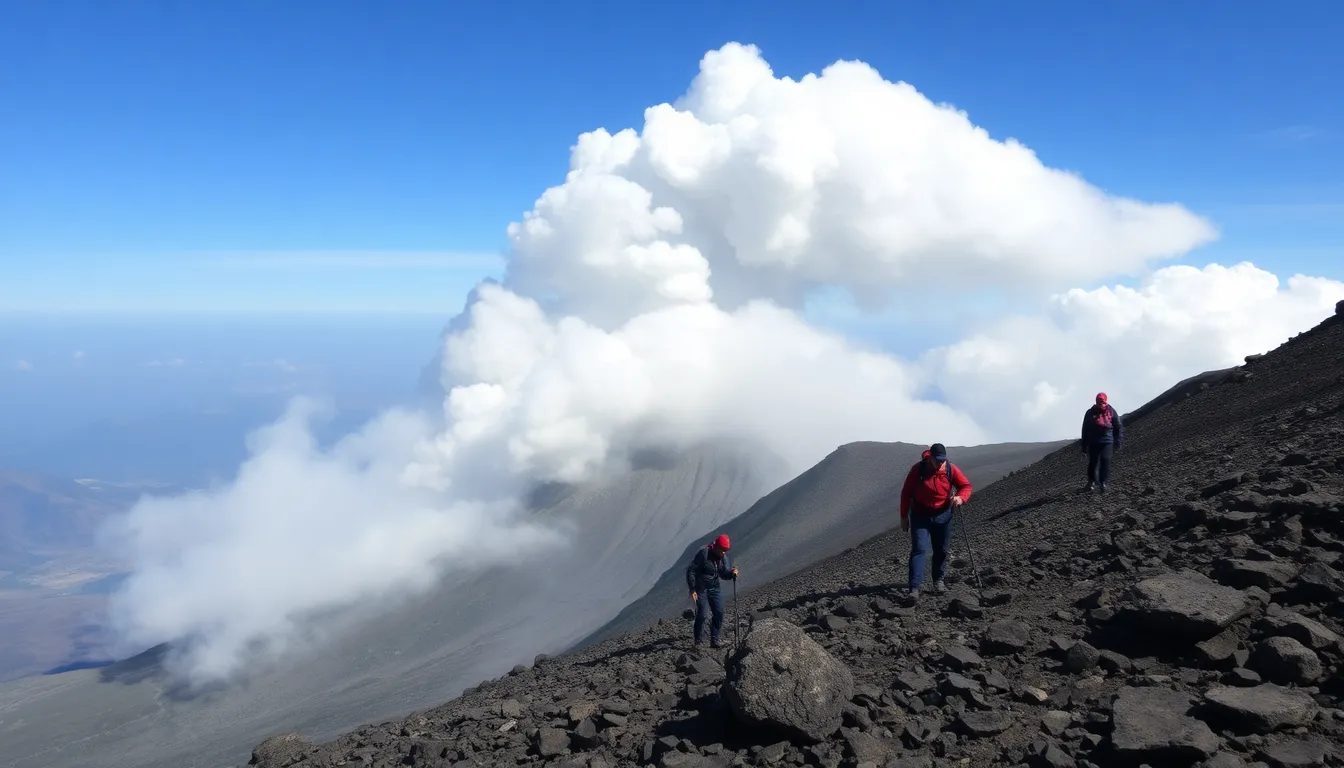
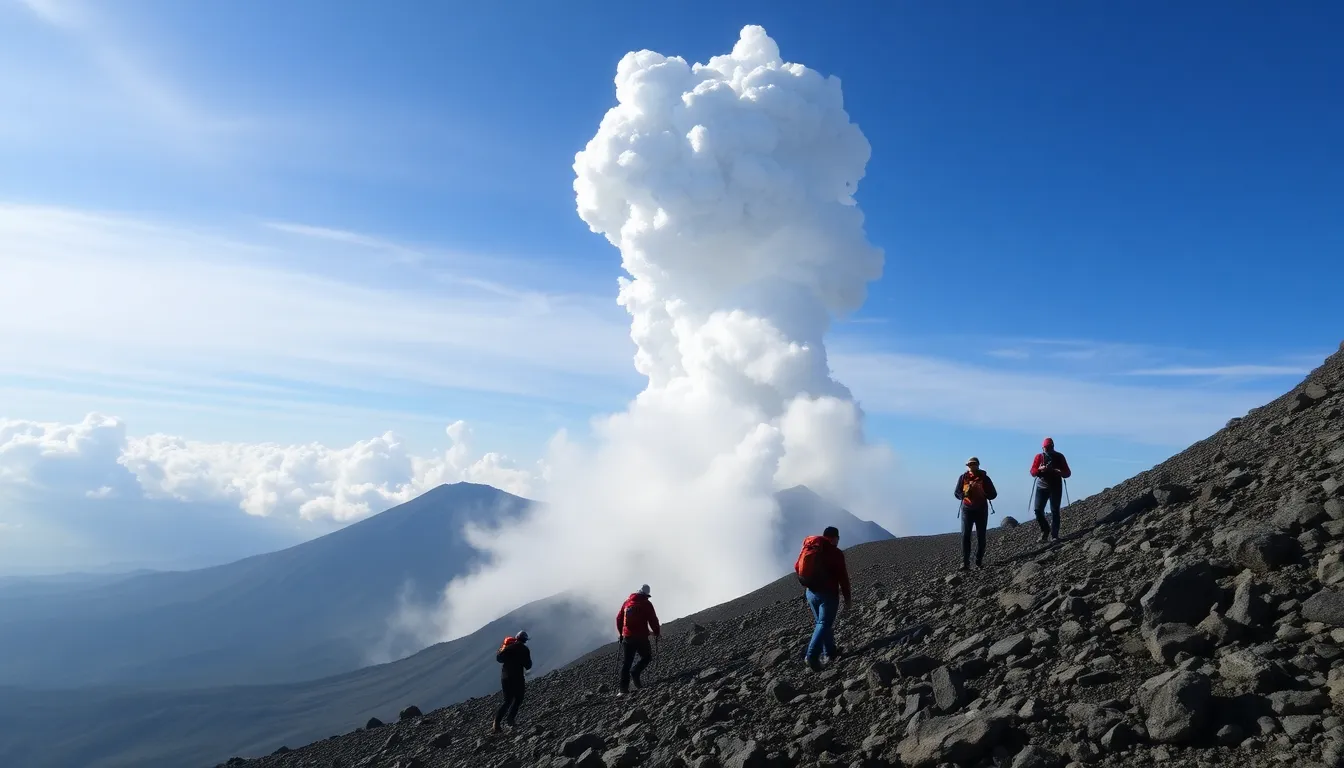
Local authorities reported that around 50 hikers were on the mountain at the time of the eruption. Emergency services were quickly mobilized to assist in evacuating the climbers and ensuring their safety. Fortunately, no serious injuries were reported, but the incident raised concerns about the adequacy of safety measures for hikers in active volcanic areas.
The Indonesian Center for Volcanology and Geological Hazard Mitigation had issued warnings prior to the eruption, indicating increased seismic activity around Mount Semeru. This incident serves as a reminder of the importance of heeding such warnings and the need for better communication between authorities and outdoor enthusiasts. The eruption also poses risks to nearby villages, prompting evacuation plans and monitoring of the volcanic activity.
In the aftermath of the eruption, experts are analyzing the geological data to assess the potential for future eruptions. The incident has sparked discussions about tourism safety and the management of volcanic hazards in Indonesia, a country known for its stunning landscapes and active volcanoes. As the situation develops, both hikers and local communities remain on high alert.
Understanding the volcanic activity in Indonesia
Indonesia, situated on the Pacific Ring of Fire, is home to over 130 active volcanoes, making it one of the most volcanically active regions in the world. The country’s unique geological position results from the convergence of several tectonic plates, including the Indo-Australian, Eurasian, and Pacific plates. This tectonic activity not only shapes the landscape but also poses significant risks to the local population and the environment.
Historically, volcanic eruptions in Indonesia have had profound impacts on both local communities and the broader region. Notable eruptions, such as the catastrophic eruption of Mount Tambora in 1815, led to global climate anomalies and significant loss of life. The ash cloud produced by Tambora is believed to have contributed to the “Year Without a Summer” in 1816, showcasing how volcanic activity can have far-reaching consequences beyond immediate geographic areas.
The socio-economic implications of volcanic eruptions
The socio-economic landscape in Indonesia is intricately linked to its volcanic activity. Many communities rely on the fertile soil produced by volcanic ash for agriculture, which can be both a blessing and a curse. While eruptions can devastate crops and displace populations, they also create opportunities for agricultural prosperity in the long term. The challenge lies in balancing these benefits with the inherent risks of living in such a volatile environment.
In recent years, the Indonesian government has implemented measures to monitor volcanic activity more effectively and improve disaster preparedness. However, the unpredictability of eruptions remains a critical concern for both local authorities and hikers who seek to explore these majestic natural wonders. The recent eruption during a guided hike serves as a stark reminder of the potential dangers that accompany the allure of Indonesia’s volcanoes.
Examining the risks and safety measures for hikers
The eruption of the Indonesian volcano during a hiking expedition highlights the complex interplay of various stakeholders involved in adventure tourism. Key actors include local governments, tour operators, environmental organizations, and the hikers themselves. Each group has distinct interests that shape their responses to such natural events.
Local governments are primarily concerned with ensuring the safety of tourists while promoting tourism as a vital economic driver. Their interest lies in balancing economic benefits with public safety. Tour operators, on the other hand, face the challenge of managing risk while providing memorable experiences for their clients. This often leads to conflicts between profit motives and the imperative to prioritize safety.
Environmental organizations advocate for sustainable tourism practices, emphasizing the need for regulations that protect both the environment and the well-being of hikers. Their interests may conflict with those of tour operators who may prioritize immediate economic gains over long-term environmental sustainability. This tension can lead to legal and ethical dilemmas regarding the management of volcanic areas.
- Risk Assessment: Evaluating the geological activity of volcanoes to inform safety measures.
- Regulatory Framework: Establishing clear guidelines for tour operators regarding safety protocols.
- Emergency Response: Developing effective evacuation plans for hikers in case of sudden eruptions.
- Public Awareness: Educating hikers about the risks associated with volcano hiking.
- Environmental Impact: Assessing the ecological consequences of increased tourist activity in sensitive areas.
In the aftermath of the eruption, the dialogue between these stakeholders will be crucial in shaping future policies and practices. The need for comprehensive risk management strategies that consider both economic and environmental factors is more apparent than ever, as the safety of hikers remains a paramount concern.
The effects of the eruption on local communities and tourism
The recent eruption of the Indonesian volcano has had a profound impact on local communities and the tourism industry. The immediate danger posed by the eruption has led to evacuation orders, creating a sense of urgency and fear among residents. Families living in proximity to the volcano are facing displacement and uncertainty as they navigate the aftermath of this natural disaster.
Tourism, a vital part of the local economy, has also been significantly affected. Many travelers who had planned to hike the volcano are now reconsidering their trips, leading to a sharp decline in visitor numbers. This downturn not only affects tour operators and guides but also local businesses that depend on tourist spending, such as hotels, restaurants, and shops.
- Evacuations and displacement of local residents.
- Decline in tourist arrivals and revenue.
- Increased demand for emergency services and aid.
- Potential long-term changes in tourism patterns.
In the short term, the focus will be on recovery and rebuilding efforts, which may require government intervention and support. This could lead to new policies aimed at enhancing disaster preparedness and response, ensuring that communities are better equipped for future eruptions. However, the recovery phase may also present opportunities for local businesses to adapt and innovate, possibly leading to the development of new tourism experiences that prioritize safety and sustainability.
While the risks are significant, particularly for those directly impacted by the eruption, there is potential for growth in areas such as eco-tourism and adventure travel. As awareness of volcanic activity increases, travelers may seek out safer, guided experiences that emphasize both education and safety, ultimately benefiting the local economy in the mid-term as recovery progresses.
A: Hikers should stay calm and follow emergency protocols. It’s essential to have a plan in place and to stay informed about the volcano’s activity. A: Preparation includes researching the volcano, checking for recent activity, and carrying safety equipment such as masks and emergency supplies. A: Yes, common warning signs include increased seismic activity, gas emissions, and changes in the landscape. Monitoring these signs can help in making informed decisions. A: Risks include sudden eruptions, toxic gas exposure, and unstable terrain. Hikers should be aware of these dangers and take necessary precautions. A: Eruptions can lead to ash fall, lava flows, and changes in local ecosystems. They can also impact air quality and climate conditions.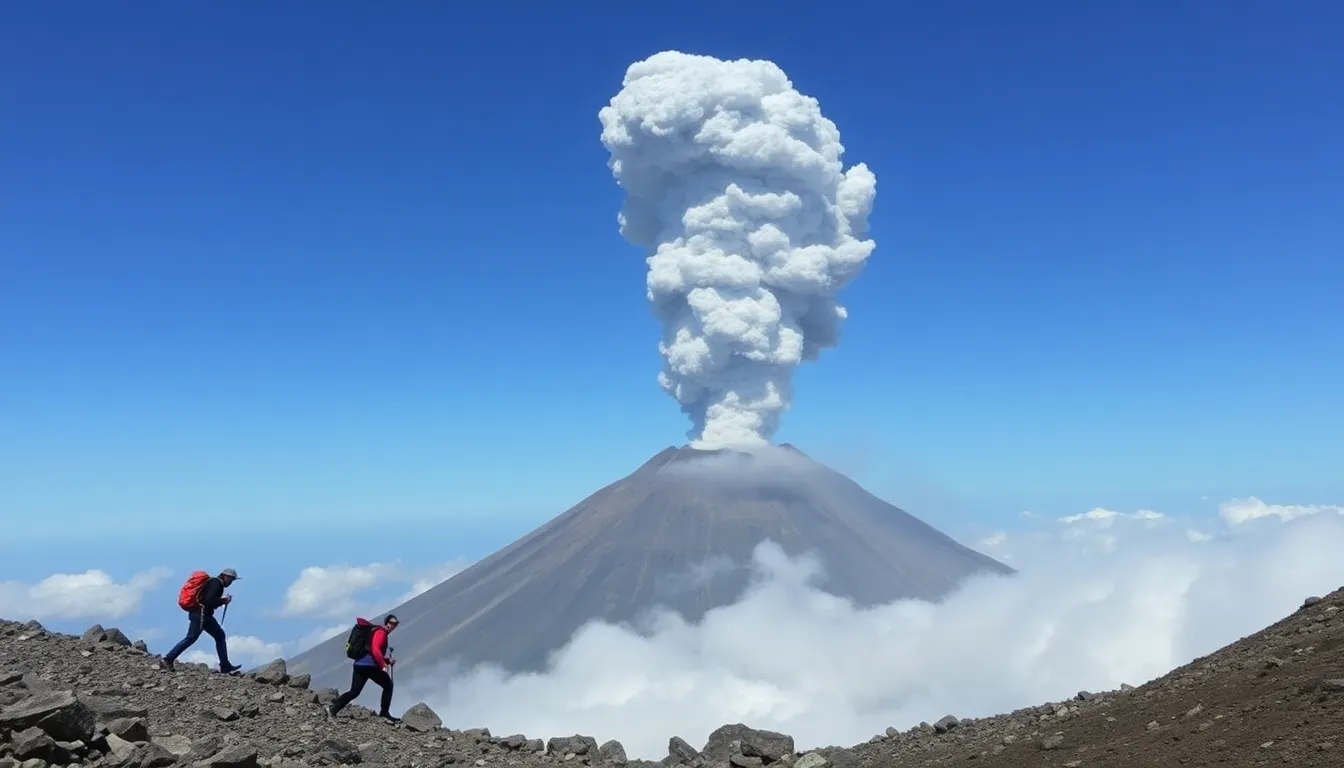
Frequently asked questions about the eruption
Key takeaways and future implications for hikers
The eruption of the Indonesian volcano while leading a group of hikers highlights the unpredictable nature of volcanic activity and the importance of preparedness in outdoor adventures. Understanding the risks associated with hiking in volcanic regions is crucial for ensuring safety and making informed decisions. Hikers and guides alike must remain vigilant and equipped with the knowledge to respond effectively to sudden changes in the environment.
As the popularity of hiking in volcanic areas continues to grow, it is essential for both seasoned adventurers and newcomers to prioritize safety measures, stay updated on geological activity, and respect the power of nature. The experience serves as a reminder of the delicate balance between adventure and caution.
- Always check local geological reports and alerts before embarking on a hike in volcanic areas.
- Equip yourself with emergency supplies and a clear evacuation plan in case of sudden eruptions.
- Stay informed about the signs of volcanic activity and educate your group on how to respond.
- Consider guided tours with experienced professionals who are familiar with the terrain and potential hazards.
- Promote awareness of environmental conservation and the impact of human activity on volcanic ecosystems.