
As travel demand continues to rebound post-pandemic, airlines are grappling with operational challenges, leading to an increase in flight cancellations. According to the Civil Aviation Authority, nearly 1 in 10 flights were canceled during peak travel months this summer, affecting thousands of passengers. This trend raises concerns about airline reliability and customer service, prompting travelers to be more vigilant about understanding their rights.
In light of this couple’s experience, experts recommend that travelers familiarize themselves with their rights regarding cancellations and refunds. Passengers are encouraged to check their airline’s policies and consider purchasing travel insurance that covers unexpected disruptions. Additionally, being proactive in monitoring flight status can help mitigate potential losses.
The couple’s story serves as a cautionary tale for others planning to travel, emphasizing the need for preparedness in the face of unforeseen circumstances. As the travel landscape evolves, it is crucial for passengers to stay informed about their options and the protections available to them. Awareness can make a significant difference in navigating the complexities of air travel today.
Understanding the reasons behind flight cancellations
Flight cancellations have become an increasingly common issue in recent years, driven by a combination of factors that have affected the aviation industry. One significant contributor has been the impact of the COVID-19 pandemic, which led to unprecedented travel restrictions and a sharp decline in passenger demand. As airlines struggled to adapt to the rapidly changing environment, many were forced to make difficult decisions, including cutting routes and reducing flight schedules. Travelers should be aware of their options for compensation in such situations.
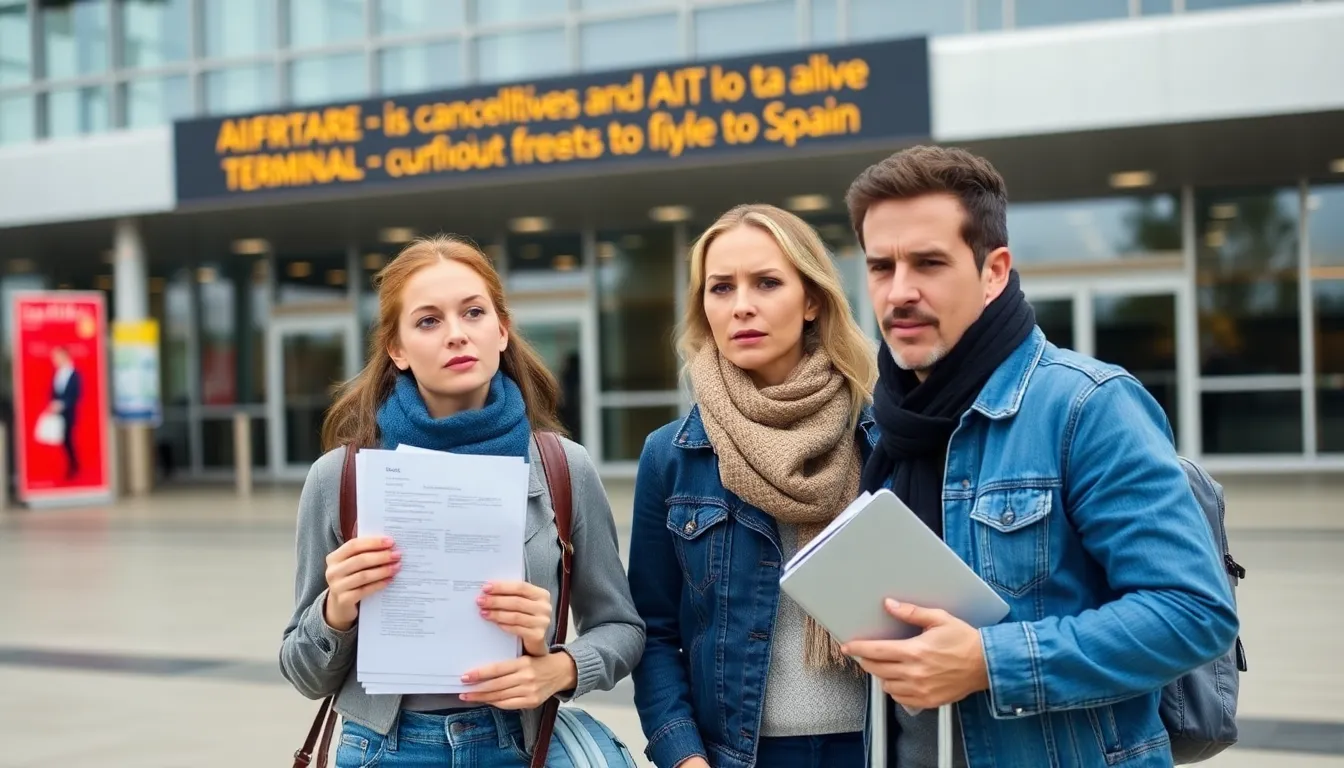
In addition to the pandemic, airlines have faced operational challenges such as staff shortages, supply chain disruptions, and rising fuel costs. These economic pressures have made it difficult for carriers to maintain reliable service, often resulting in last-minute cancellations. Moreover, the ongoing geopolitical tensions and natural disasters have also played a role in disrupting air travel, further complicating the situation for both airlines and travelers.
The role of consumer rights
Understanding consumer rights is crucial for travelers who face flight cancellations. In the UK, for instance, regulations such as EC261/2004 provide protections for passengers, entitling them to compensation under certain circumstances. However, many travelers remain unaware of these rights, which can lead to additional frustration and financial loss when flights are canceled. Educating oneself about these regulations can empower travelers to take appropriate action and seek compensation when necessary. For more information on travel rights, additional resources can be helpful.
As the aviation industry continues to recover from the pandemic, it is essential for travelers to stay informed about potential disruptions and the measures they can take to mitigate their impact. By understanding the underlying causes of flight cancellations and knowing their rights, passengers can better navigate the complexities of air travel in today’s world.
Key issues travelers face during flight disruptions
Flight cancellations can have significant financial and emotional impacts on travelers. In the case of the couple who lost £1,000, their experience highlights several key issues that many passengers encounter during such disruptions. Understanding these issues can help travelers better navigate the complexities of air travel.
One of the primary stakeholders in flight cancellations is the airline itself. Airlines have a vested interest in maintaining their schedules and minimizing operational costs. However, when disruptions occur due to factors such as weather, technical failures, or strikes, airlines may prioritize their financial interests over customer compensation, which can lead to conflicts with passengers seeking refunds or alternative arrangements.
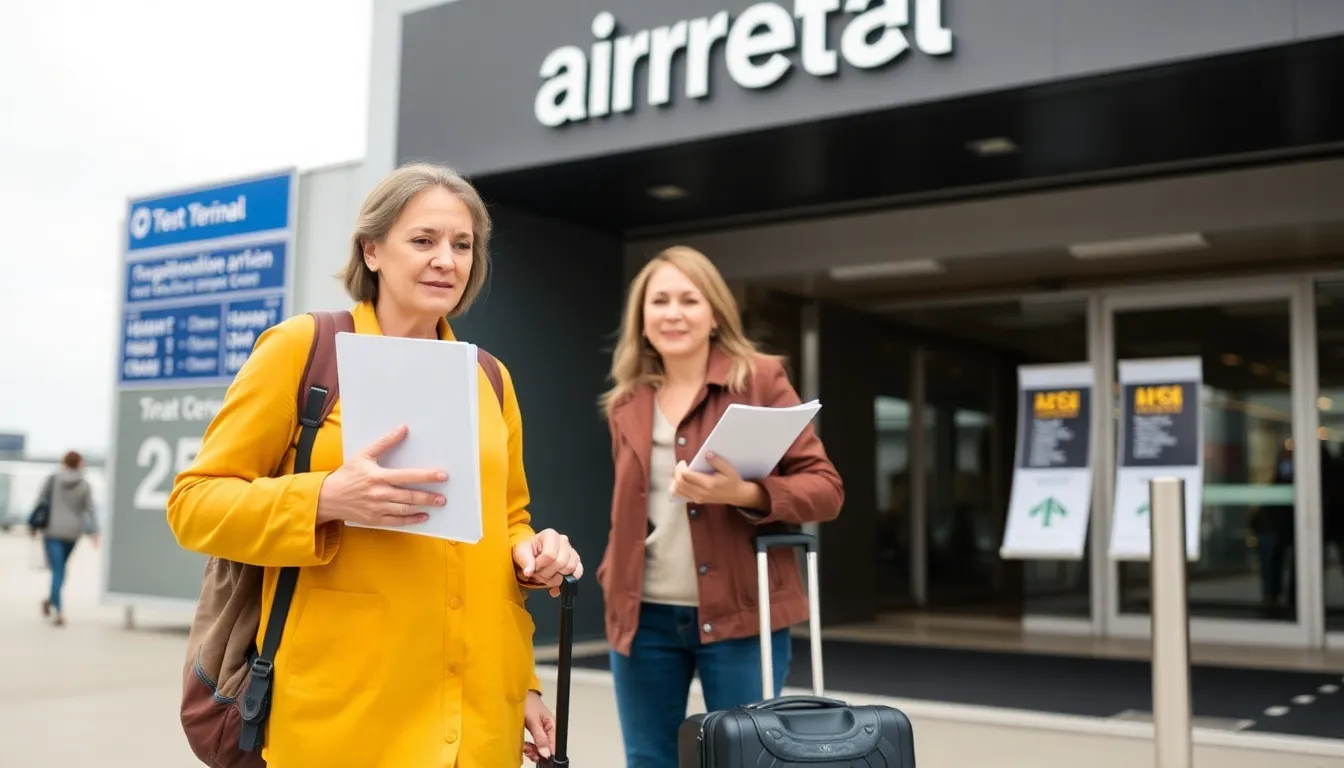
Travelers also face challenges when it comes to understanding their rights. Regulations vary significantly by country and can be complex. For instance, in the European Union, passengers may be entitled to compensation under certain conditions, while in other regions, such protections may not exist. This lack of clarity can create confusion and frustration for travelers trying to seek recourse.
Furthermore, the financial implications of flight cancellations extend beyond the immediate loss of ticket costs. Travelers may incur additional expenses such as hotel bookings, meals, and transportation, which can accumulate quickly. This situation often leads to a trade-off between seeking compensation and the immediate need to find alternative travel arrangements.
- Airline Interests: Focus on minimizing costs and operational disruptions.
- Passenger Rights: Varying regulations can complicate the compensation process.
- Financial Burden: Additional costs arise from unexpected cancellations.
- Information Access: Lack of clear communication from airlines can hinder passenger decision-making.
- Legal Recourse: Understanding the legal avenues available can empower travelers.
Financial implications for affected travelers
The recent incident involving a couple losing £1,000 due to a flight cancellation highlights the significant financial risks faced by travelers in today’s volatile aviation market. Various groups, including individual travelers, families, and business professionals, are directly impacted by such cancellations, leading to financial strain and increased anxiety about travel plans.
In the short term, affected travelers may experience disruptions to their itineraries, requiring them to scramble for alternative arrangements or accommodations. This can lead to unexpected expenses, such as last-minute hotel bookings or additional transportation costs. Moreover, the stress of managing these changes can detract from the overall travel experience, affecting mental well-being.

In the mid-term, the financial impact of flight cancellations can extend beyond immediate costs. For frequent travelers, especially business professionals, repeated cancellations may lead to a loss of trust in airlines, prompting them to seek alternative travel solutions or even reconsider their travel frequency. This shift could affect airline revenues and market dynamics.
- Increased demand for travel insurance: Travelers may seek more comprehensive coverage to mitigate financial losses from cancellations.
- Potential growth for alternative transport options: As trust in airlines wanes, rail and bus services may see a rise in popularity.
- Policy changes in the aviation industry: Airlines could be pressured to improve customer service and compensation policies to retain customers.
While the risks are evident, there are also opportunities for the travel industry to innovate. Airlines may invest in better communication systems to keep travelers informed about potential disruptions, enhancing customer satisfaction. Additionally, travel agencies can capitalize on the demand for reliable contingency planning services, helping travelers navigate uncertainties with confidence.
A: If your flight is cancelled, first check with your airline for rebooking options. You may also inquire about compensation or refunds based on your ticket type and the reason for cancellation. A: Consider purchasing travel insurance that covers flight cancellations. Familiarize yourself with the airline’s policies regarding cancellations and refunds to better understand your rights. A: Compensation depends on the airline’s policies and the circumstances of the cancellation. If it was due to the airline’s fault, you may be eligible for compensation under certain regulations. A: Flight cancellations can occur due to various reasons, including weather conditions, technical issues, or operational challenges. Understanding these can help you prepare for potential disruptions. A: Use the airline’s mobile app or website to track your flight status. Signing up for alerts can also provide real-time updates on cancellations or delays.
Common questions about flight cancellations and refunds
Key takeaways to protect yourself from flight cancellation losses
Flight cancellations can lead to significant financial losses, as demonstrated by the recent experience of a couple who lost £1,000. To mitigate such risks, it’s crucial to be proactive and informed about your travel rights and options. Understanding the policies of airlines and the protections available can help you navigate unexpected disruptions more effectively.
Planning ahead and staying informed can make a substantial difference in minimizing the impact of flight cancellations. By taking the right steps, travelers can safeguard their finances and ensure a smoother journey.
- Know your rights: Familiarize yourself with airline policies regarding cancellations and compensation to ensure you are prepared for any situation.
- Consider travel insurance: Investing in comprehensive travel insurance can provide financial protection against cancellations and other unforeseen events.
- Stay informed: Monitor your flight status and any potential changes leading up to your departure to make timely decisions.
- Have a backup plan: Be ready with alternative travel arrangements, including flexible tickets or nearby accommodations, to minimize disruption.
- Document everything: Keep records of all communications with airlines and receipts related to your travel expenses for potential claims.