
The legal complaint highlights the growing concern over celebrity image rights in the age of digital marketing and social media, as seen in Stanley Tucci’s recent call for a change.
In the lawsuit, Lipa claims that the campaign featuring her likeness has resulted in a significant loss of potential revenue and damages to her brand, echoing broader discussions about intellectual property rights in the entertainment industry.
Samsung has yet to publicly respond to the allegations. The outcome of this lawsuit could have broader implications for the advertising industry, particularly for brands that rely on high-profile personalities to promote their products. As the legal battle progresses, both the music and marketing sectors will be closely watching the developments in this high-stakes dispute.
Understanding the background of celebrity image rights
The legal landscape surrounding celebrity image rights has evolved significantly over the past few decades. As the entertainment industry has grown, so too has the recognition of the value of a celebrity’s likeness. This is particularly relevant in an age where social media and digital marketing have transformed how brands engage with consumers. Celebrities like Dua Lipa have become not just entertainers but also powerful brands in their own right, leading to intricate discussions about the ownership and commercialization of their images.
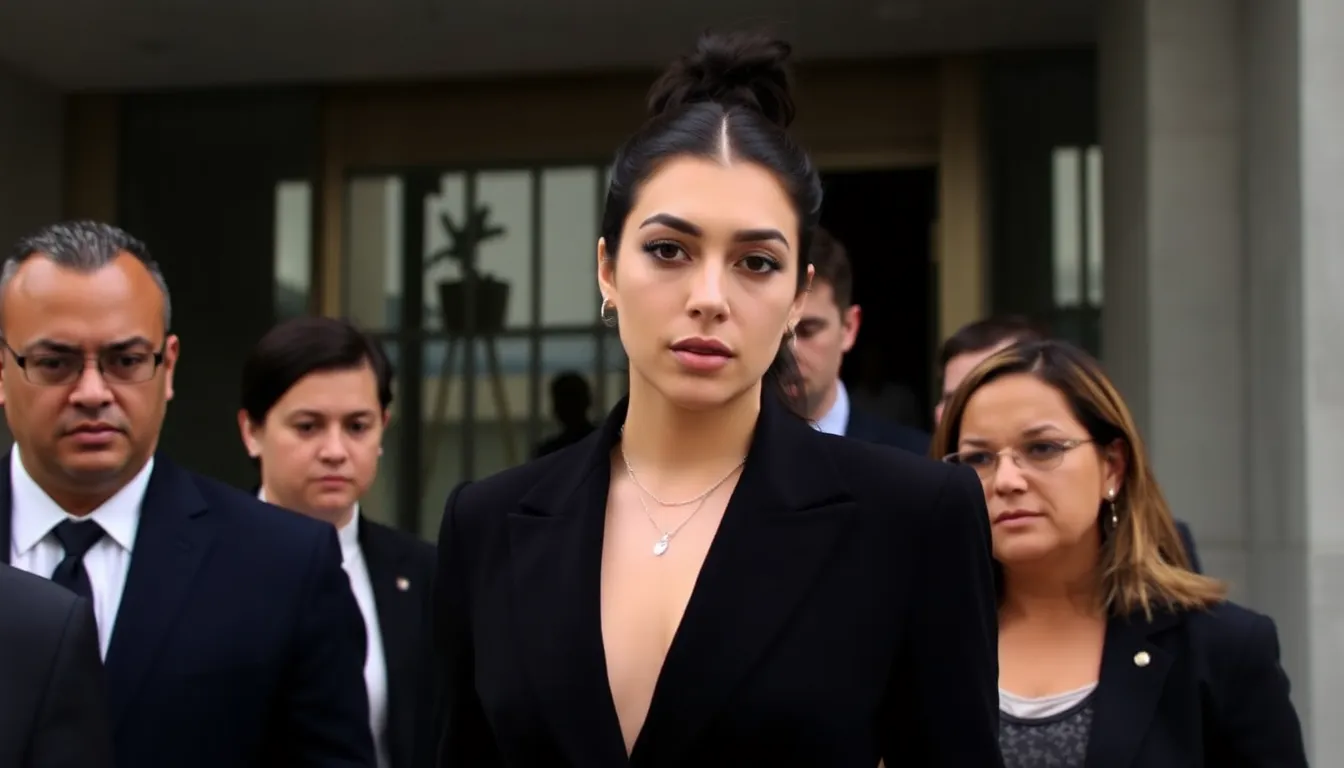
Historically, the right of publicity emerged in the United States as a way to protect individuals from unauthorized commercial exploitation of their likenesses. The first notable case was in 1953, when the court ruled in favor of a celebrity whose image was used without consent. Since then, various states have enacted laws to protect these rights, with some jurisdictions offering stronger protections than others. This patchwork of laws has led to a complex legal environment for celebrities and brands alike.
The impact of technology on image rights
With the rise of digital advertising and social media, the unauthorized use of a celebrity’s image has become more prevalent, as highlighted in the recent Box Office Highlights for Devil Wears Prada 2.
The economic implications of celebrity image rights are substantial. Celebrities often rely on endorsements and partnerships to generate income, making the protection of their likeness crucial for their financial well-being. As seen in past cases, such as those involving actors and athletes, unauthorized use can lead to significant financial losses. This not only affects the celebrities but also raises questions about the ethical responsibilities of corporations in their marketing practices.
As the legal battles over image rights continue to unfold, they underscore the importance of establishing clear boundaries between commercial interests and personal rights. The outcome of cases like Dua Lipa’s against Samsung could set important precedents for how celebrity images are treated in the future, influencing both the entertainment industry and consumer behavior.
Key issues surrounding celebrity endorsements and image usage
The recent lawsuit filed by Dua Lipa against Samsung highlights significant concerns regarding the use of celebrity images in marketing without consent. This case underscores the complexities of intellectual property rights and the ethical considerations surrounding celebrity endorsements. As public figures, celebrities like Dua Lipa have a vested interest in controlling how their likeness is used, especially in commercial contexts.
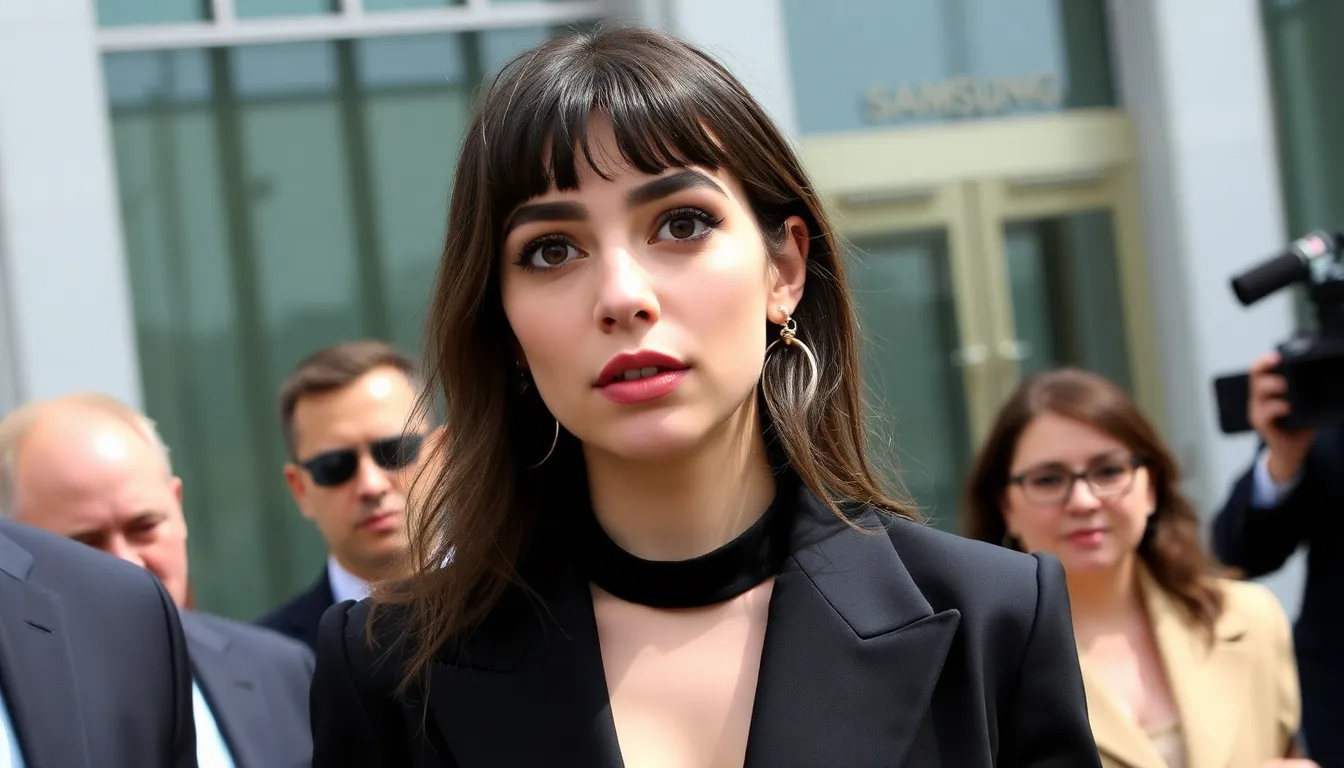
At the heart of this dispute lies the conflict between corporate interests and individual rights. Samsung, as a major global technology company, aims to leverage celebrity endorsements to enhance brand recognition and consumer appeal. However, this strategy raises questions about the legality and morality of using a celebrity’s image without their explicit permission. The financial implications of such actions can be substantial, as seen in Dua Lipa’s $15 million claim, which reflects both potential damages and the value of her brand.
Several key issues emerge from this case:
- Intellectual Property Rights: The legal framework surrounding image rights varies by jurisdiction, creating ambiguity in cases like this.
- Contractual Agreements: The absence of a formal agreement between Dua Lipa and Samsung raises questions about the expectations of consent in marketing practices.
- Public Perception: The case may influence how consumers view brands that engage in similar marketing tactics, potentially affecting brand loyalty.
- Financial Implications: The outcome of the lawsuit could set a precedent for future celebrity endorsements and the financial responsibilities of corporations.
This lawsuit not only affects the parties involved but also serves as a critical touchpoint for the broader conversation about the rights of public figures in the advertising landscape. As the case unfolds, it will likely draw attention from legal experts, marketers, and celebrities alike, all of whom have a stake in the evolving dynamics of image usage in commerce.
Potential implications for the entertainment and advertising industries
The lawsuit filed by Dua Lipa against Samsung has the potential to create ripples across the entertainment and advertising sectors. Celebrities, influencers, and artists who have long been used as marketing tools may find themselves reassessing their agreements with brands. This case highlights the importance of consent in the use of personal likenesses, which could lead to more stringent regulations and practices in the industry.
In the short term, businesses that rely on celebrity endorsements might face increased scrutiny regarding their marketing strategies. Companies may need to invest in clearer contracts and permissions to avoid legal repercussions. This could lead to a slowdown in advertising campaigns that utilize celebrity images, as brands take a more cautious approach.
Mid-term impacts could include a shift in how advertising is approached, with a possible rise in campaigns that focus on authenticity and transparency. Brands might pivot to using less recognizable figures or everyday consumers to promote their products, potentially democratizing advertising and creating new opportunities for emerging talents.
- Increased legal scrutiny: Brands may face more lawsuits related to likeness rights.
- Shift in marketing strategies: A move towards more authentic and transparent advertising.
- Opportunities for new talent: Emerging artists may gain visibility as brands seek alternatives to established celebrities.
- Revised contracts: A trend towards more comprehensive agreements regarding likeness use.
Regions with a high concentration of entertainment and advertising companies, such as Los Angeles and New York, may feel the immediate effects of this lawsuit more acutely. As these industries adapt to the evolving landscape, companies will need to navigate the balance between leveraging celebrity appeal and respecting personal rights.
A: Dua Lipa is suing Samsung for $15 million because the company allegedly used her image without her consent in advertisements for their televisions. A: The lawsuit is based on claims of unauthorized use of her likeness, which violates her rights to control her image and brand. A: This case could set a precedent for how celebrities protect their image rights, potentially leading to stricter regulations on image usage in advertising. A: As of now, Samsung has not publicly commented on the lawsuit, but they are expected to respond through legal channels. A: Depending on the court’s decision, Dua Lipa could receive financial compensation, and it may also influence how brands approach celebrity endorsements in the future.
Frequently asked questions about the lawsuit
Key takeaways and future implications of the case
The lawsuit filed by Dua Lipa against Samsung highlights significant issues surrounding celebrity rights and brand endorsements in the digital age. As technology evolves, the use of AI and digital likenesses raises questions about consent and compensation, especially when personal images are utilized for commercial gain without prior agreement. This case may set a precedent for how similar disputes are handled in the future, potentially leading to stricter regulations on the use of celebrity images in advertising.
As the entertainment and tech industries continue to intersect, stakeholders must navigate the complexities of intellectual property rights. The outcome of this case could influence not only how brands approach endorsements but also how artists protect their identities in an increasingly digital marketplace.
- Expect increased scrutiny on brand partnerships and the necessity of clear contracts regarding likeness and image use.
- Monitor how this case influences similar lawsuits, potentially leading to a surge in claims from other artists and celebrities.
- Watch for shifts in marketing strategies as companies reassess the risks of using celebrity images without explicit consent.
- Consider the broader implications for AI-generated content and the ethical responsibilities of brands in using such technology.
- Stay informed on legislative developments that may arise in response to this case, particularly regarding intellectual property rights in the digital realm.