
The manufacturing and service industries have been particularly hard hit, with small and medium-sized enterprises facing the brunt of the economic downturn. For instance, a notable textile factory in Isfahan laid off over 200 workers in September, citing increased production costs and supply chain disruptions as primary reasons. Such instances reflect a broader trend of instability within the Iranian labor market, making it crucial to examine related economic factors.
In addition to layoffs, many companies are also reducing working hours and implementing pay cuts as a means of survival. The Iranian government has attempted to address these challenges by introducing economic measures and support programs; however, the effectiveness of these initiatives remains uncertain. Business owners express skepticism about the government’s ability to provide adequate relief amidst ongoing geopolitical tensions.
The situation has sparked widespread concern among labor unions and advocacy groups, who are calling for immediate intervention to protect workers’ rights and livelihoods. As layoffs continue to rise, the potential for social unrest grows, highlighting the urgent need for comprehensive economic reforms. The current climate underscores the fragility of Iran’s economy and the far-reaching implications of the ongoing conflict on its workforce.
Understanding the Background of Economic Strain
The recent wave of mass layoffs in Iran can be traced back to a confluence of historical, political, and economic factors that have exacerbated the nation’s vulnerabilities, particularly in the context of ongoing conflicts in the region. Since the 1979 Islamic Revolution, Iran has faced numerous sanctions and diplomatic isolation, which have severely impacted its economy. The repercussions of these sanctions have been felt across various sectors, leading to a persistent state of economic instability.
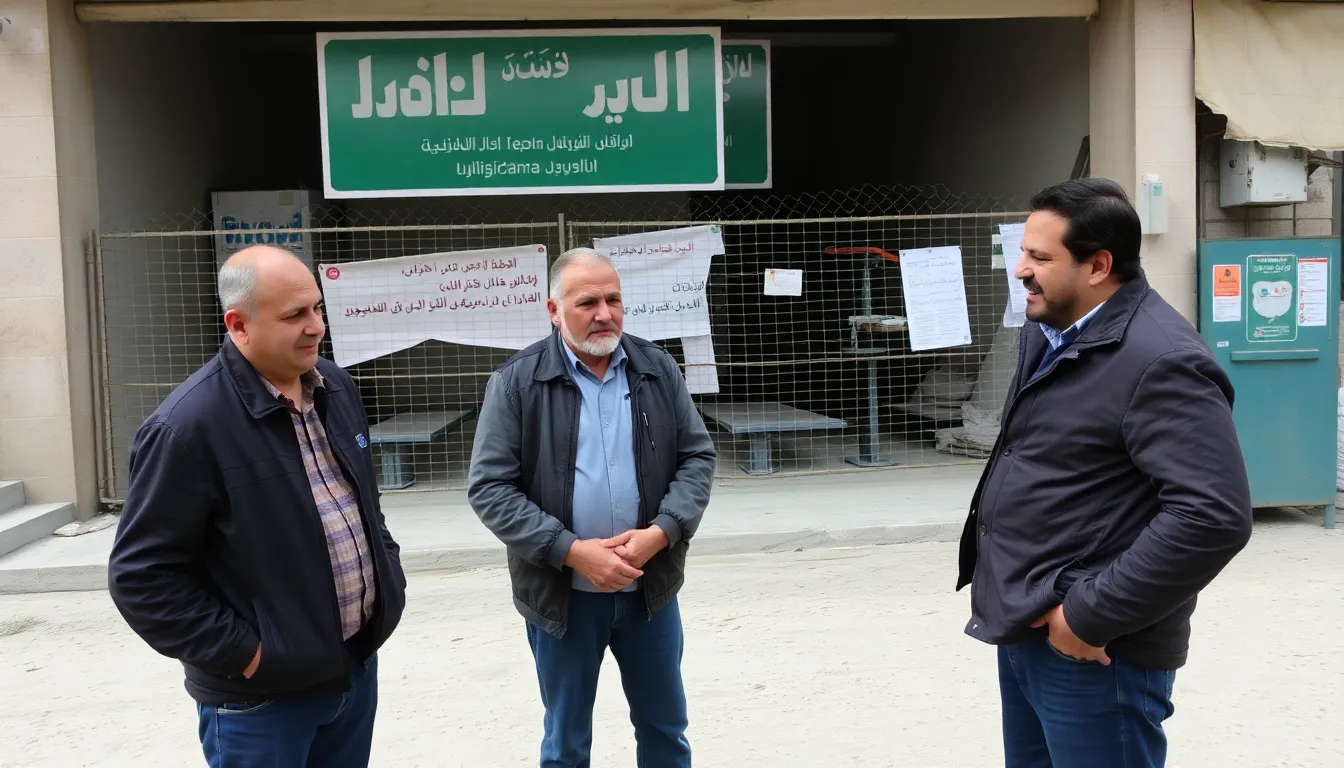
In recent years, the situation has been further complicated by the effects of the COVID-19 pandemic, which disrupted supply chains and reduced demand for goods and services. As businesses struggled to adapt to these challenges, many were forced to make difficult decisions, including workforce reductions. The compounded pressures of inflation and currency devaluation have led to shrinking consumer purchasing power, pushing businesses to the brink of insolvency.
Key Milestones in the Economic Decline
Several key milestones have marked Iran’s economic decline over the past decades. The re-imposition of U.S. sanctions in 2018 following the withdrawal from the Joint Comprehensive Plan of Action (JCPOA) significantly restricted Iran’s oil exports, which are crucial for its economy. Additionally, widespread protests against economic mismanagement and corruption in late 2019 highlighted the growing discontent among the populace, further destabilizing the business environment and leading to increased scrutiny of the government’s economic policies.
As the conflict in Ukraine has also affected global energy markets, Iran’s attempts to find alternative trade routes and partners have been hampered, leading to increased operational costs for many businesses. This environment has created a precarious situation where companies are unable to sustain their workforce, resulting in mass layoffs that reflect the broader economic malaise affecting the country, similar to challenges faced by industries globally.
Key Stakeholders and Issues Surrounding the Layoffs
The recent wave of mass layoffs in Iran has drawn attention to a complex web of stakeholders, each with distinct interests and concerns. The primary actors include the Iranian government, private businesses, employees, and international organizations. Each of these groups is navigating the challenges posed by the ongoing wartime conditions, which have significantly impacted the economic landscape.
The Iranian government is under immense pressure to stabilize the economy while managing public discontent. With rising unemployment rates, the government faces criticism for its handling of the economic crisis. Its interest lies in maintaining social order and ensuring that essential services continue to operate, which often puts it at odds with the realities faced by businesses struggling to survive.
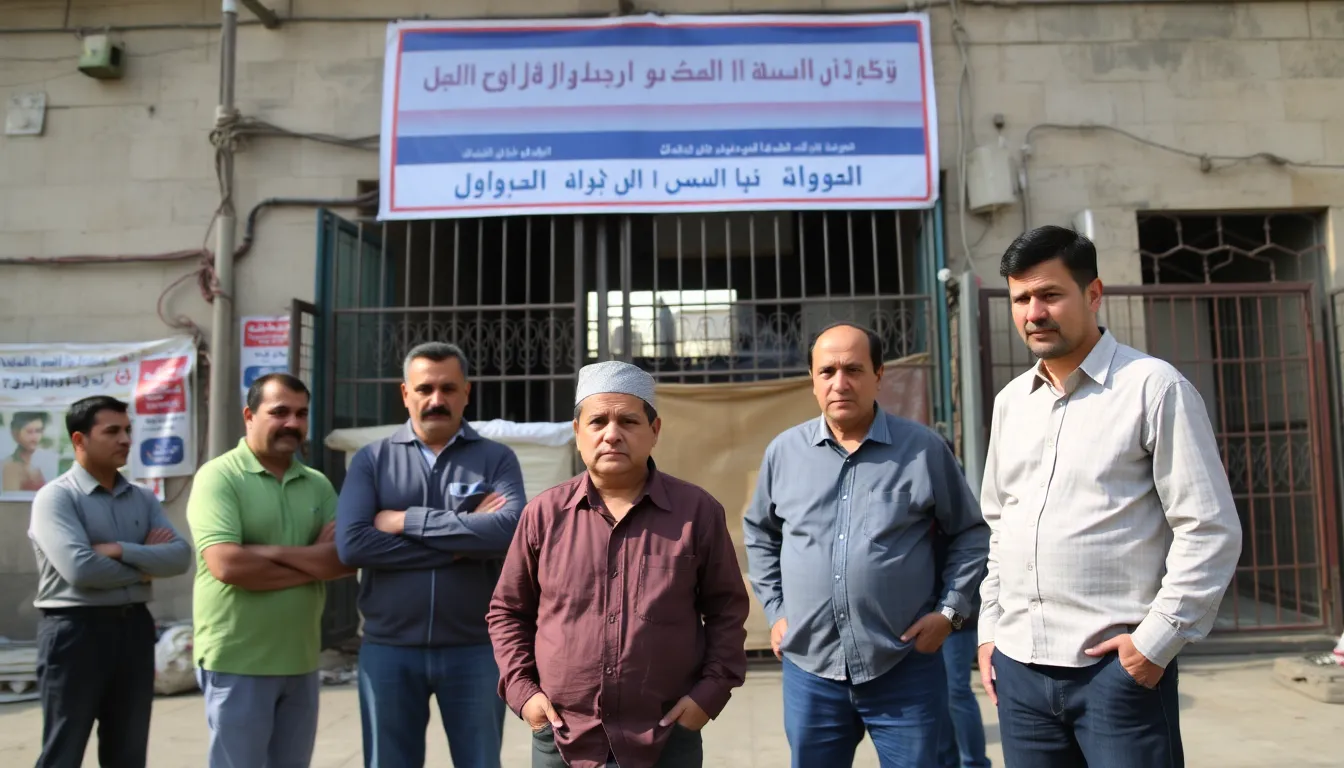
Private businesses, particularly those in sectors heavily affected by the war, are grappling with reduced consumer demand and increased operational costs. Many are forced to make difficult decisions, including layoffs, to remain viable. Their primary interest is financial sustainability, but this often conflicts with the need to retain skilled labor and maintain morale among remaining employees. The layoffs, while necessary for immediate survival, can lead to long-term damage to the workforce and company reputation.
- Economic Pressures: Businesses are facing skyrocketing costs and dwindling resources, pushing them to cut jobs.
- Employee Welfare: Laid-off workers are left without income, exacerbating poverty and social unrest.
- Government Intervention: The government may need to implement policies to support both businesses and unemployed citizens.
- International Relations: Sanctions and geopolitical tensions further complicate the economic situation for Iranian businesses.
- Public Sentiment: Growing frustration among the populace may lead to protests, influencing government policy decisions.
International organizations, including humanitarian groups, are also stakeholders in this situation. They are concerned about the social implications of mass unemployment and may advocate for policies that protect workers’ rights. Their interests often align with those of the workforce, pushing for better labor conditions and support systems for those affected by layoffs. However, their ability to influence change is limited by the political climate and the Iranian government’s stance on foreign involvement.
Impact on Workers and the Broader Economy
The recent mass layoffs in Iran have significantly affected various groups, particularly those in the manufacturing, service, and technology sectors. Workers in these industries face immediate job losses, creating a ripple effect on their families and the communities they support. Regions heavily reliant on these sectors, such as Tehran and Isfahan, are experiencing heightened unemployment rates, which further strain local economies.
Short-term impacts include a rise in poverty levels as laid-off workers struggle to meet basic needs. Many families are forced to cut back on essential expenses, leading to decreased consumer spending. This decline in demand can exacerbate the situation for remaining businesses, potentially leading to further layoffs and closures.
In the mid-term, the economic landscape may shift as businesses adapt to the new reality. Some companies might pivot towards more sustainable practices or explore digital transformation to remain competitive. While this could lead to job creation in emerging sectors, the transition may also leave many workers without the necessary skills, widening the employment gap.
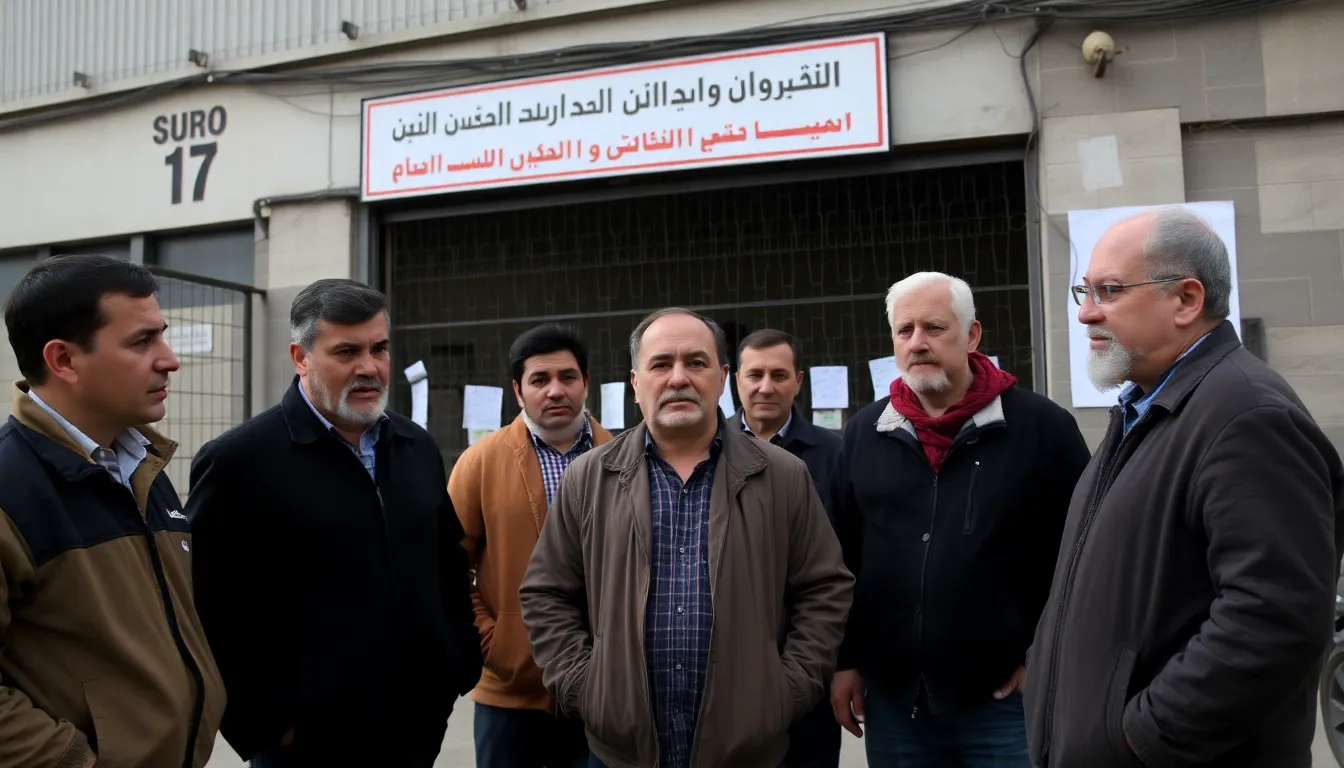
- Risks: Increased unemployment may lead to social unrest and further economic instability.
- Opportunities: Potential growth in technology and green industries as businesses seek innovative solutions.
- Policy Changes: Government intervention may be necessary to support affected workers and stimulate the economy.
As the situation evolves, the focus will need to be on rebuilding the workforce and addressing the underlying issues that led to these layoffs. Investing in retraining programs and supporting small businesses could be crucial in mitigating the long-term impacts on the economy and society.
A: The mass layoffs in Iran are primarily due to the economic strain caused by ongoing wartime pressures, which have led to reduced revenues and increased operational costs for many businesses. A: Workers facing layoffs are experiencing significant financial hardship, loss of job security, and increased uncertainty regarding their future employment prospects. A: Sectors such as manufacturing, retail, and services are among the most affected, as they struggle to adapt to the challenging economic conditions. A: The government has announced some initiatives aimed at supporting unemployed workers, but the effectiveness and reach of these measures remain to be seen. A: The layoffs could lead to a prolonged economic downturn, decreased consumer spending, and a potential increase in social unrest if not addressed adequately.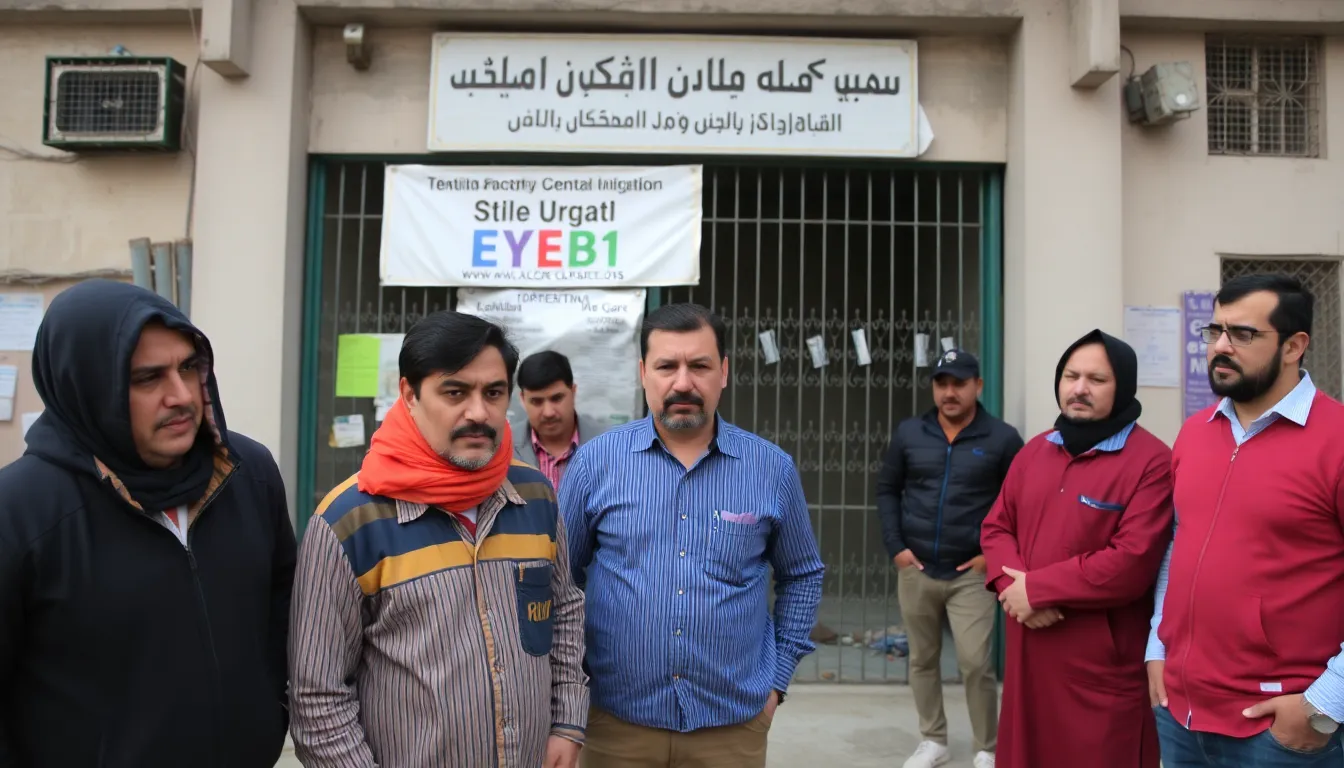
Frequently Asked Questions About Layoffs in Iran
Insights and Future Outlook on Employment in Iran
The current wave of mass layoffs in Iran highlights the severe impact of wartime pressures on the economy and employment landscape. As businesses struggle to adapt to the ongoing conflict and its repercussions, the labor market faces unprecedented challenges. The implications of these developments extend beyond immediate job losses, affecting consumer confidence, economic stability, and social cohesion.
Looking ahead, it is crucial to monitor how these layoffs influence not only the workforce but also the broader economic environment. Policymakers and business leaders must navigate this complex situation with strategic foresight to mitigate adverse effects and foster resilience in the face of ongoing adversities.
- Monitor government responses aimed at supporting affected industries and workers.
- Assess the long-term effects of reduced consumer spending on economic recovery.
- Watch for potential shifts in labor market dynamics, including the rise of informal employment.
- Evaluate how businesses adapt their strategies to survive in a constrained economic environment.
- Consider the social implications of rising unemployment and its impact on public sentiment.