
The Centers for Disease Control and Prevention (CDC) reported a notable increase in hantavirus pulmonary syndrome (HPS) cases this year, with at least five confirmed cases in the western states alone. This uptick has prompted state health departments to issue warnings and guidelines aimed at reducing exposure risks, particularly for individuals engaged in outdoor activities or living in areas where rodents are prevalent. For more information, you can check out a related article on how hantavirus may have spread between passengers on a cruise ship.
Experts emphasize that the risk of hantavirus transmission is particularly high during the fall months when rodents seek shelter in homes and other buildings. The ongoing challenges posed by climate change, which can alter rodent behavior and habitats, further complicate efforts to control outbreaks. Public health officials are urging communities to implement preventative measures, such as sealing potential entry points and maintaining cleanliness to deter rodents.
In light of these developments, it is crucial for the public to remain informed about hantavirus and its transmission pathways. Increased awareness can lead to better prevention strategies and ultimately reduce the risk of infection. As the situation evolves, health authorities continue to monitor trends and provide updated information to safeguard public health.
Background on hantavirus and its origins
Hantavirus was first identified in the early 1990s, when an outbreak of a severe respiratory illness occurred among a group of Navajo Nation residents in the southwestern United States. This outbreak was linked to the deer mouse, a common rodent in the region, which was found to be a carrier of the hantavirus. The disease, known as hantavirus pulmonary syndrome (HPS), highlighted the potential dangers of zoonotic diseasesthose that can be transmitted from animals to humans.

The origins of hantavirus can be traced back to various rodent species that inhabit different parts of the world. Hantaviruses are endemic to certain regions, particularly in Asia, Europe, and the Americas. Each region has its own specific strains of the virus, which are typically associated with particular rodent hosts. For example, the Sin Nombre virus, responsible for the HPS cases in the U.S., is primarily associated with the deer mouse.
Historical Context of Rodent-Borne Viruses
Historically, rodent-borne viruses have posed significant public health challenges. In the 1950s, an outbreak of a related virus, the Korean hemorrhagic fever, occurred during the Korean War, affecting thousands of soldiers. This early recognition of the risks associated with rodent populations paved the way for further research into hantaviruses. Over the decades, scientists have worked to understand the transmission pathways and ecological factors that contribute to outbreaks, emphasizing the importance of wildlife management and public health surveillance. Such challenges are similar to the economic impacts outlined in discussions of American factories and A.I. adoption.
Economically, outbreaks of hantavirus can have far-reaching implications. Regions affected by hantavirus often face increased healthcare costs and economic disruptions due to public fear and the need for preventive measures. Awareness campaigns and rodent control programs are essential components of public health strategies aimed at minimizing the risk of hantavirus transmission, particularly in rural areas where human-rodent interactions are more common.
As climate change continues to alter ecosystems, the risk of zoonotic diseases, including hantavirus, is expected to rise. Changes in temperature and precipitation patterns can affect rodent populations and their habitats, potentially leading to increased human exposure. Understanding the historical context and evolution of hantavirus is crucial for developing effective prevention and response strategies in the face of these emerging health threats.
Key stakeholders and issues surrounding hantavirus outbreaks
The emergence and spread of hantavirus pose significant public health challenges, engaging a variety of stakeholders, including government health agencies, local communities, researchers, and non-governmental organizations (NGOs). Each of these actors has distinct interests and responsibilities in managing outbreaks and mitigating risks associated with hantavirus transmission. For a broader context on public health issues, you can explore recent articles about the impact of deadly strikes on cities in Ukraine.

Government health agencies, such as the Centers for Disease Control and Prevention (CDC) in the United States and similar organizations worldwide, are primarily focused on public health safety. Their interests lie in monitoring hantavirus cases, conducting research, and implementing preventive measures. These agencies often face challenges in resource allocation, especially in rural areas where outbreaks are more common due to environmental factors.
Local communities, especially those in rural or semi-rural areas, are directly impacted by hantavirus outbreaks. Their interests include access to accurate information about the virus, preventive measures, and support during outbreaks. Conflicts can arise when community members feel that government responses are insufficient or when there is a lack of resources to implement effective prevention strategies.
Researchers and academic institutions play a crucial role in understanding hantavirus ecology, transmission, and potential treatments. Their interests include securing funding for studies and disseminating findings to inform public health policies. However, they may encounter trade-offs between the urgency of public health needs and the time required for comprehensive scientific research.
- Resource Allocation: Balancing funding and resources between urban and rural health initiatives.
- Public Awareness: Ensuring communities are informed about risks and preventive measures.
- Research Funding: Securing adequate funding for ongoing research into hantavirus.
- Health Infrastructure: Strengthening local health systems to better respond to outbreaks.
- Policy Development: Crafting effective public health policies that address both prevention and response.
Impact of hantavirus on communities and health systems
The hantavirus poses significant risks to various groups, particularly those living in rural or semi-rural areas where rodent populations are prevalent. Communities with close proximity to natural habitats, such as forests or agricultural lands, are particularly vulnerable to outbreaks. Additionally, outdoor workers, such as farmers, landscapers, and park rangers, face heightened exposure risks due to their frequent interactions with environments where hantavirus-carrying rodents thrive.
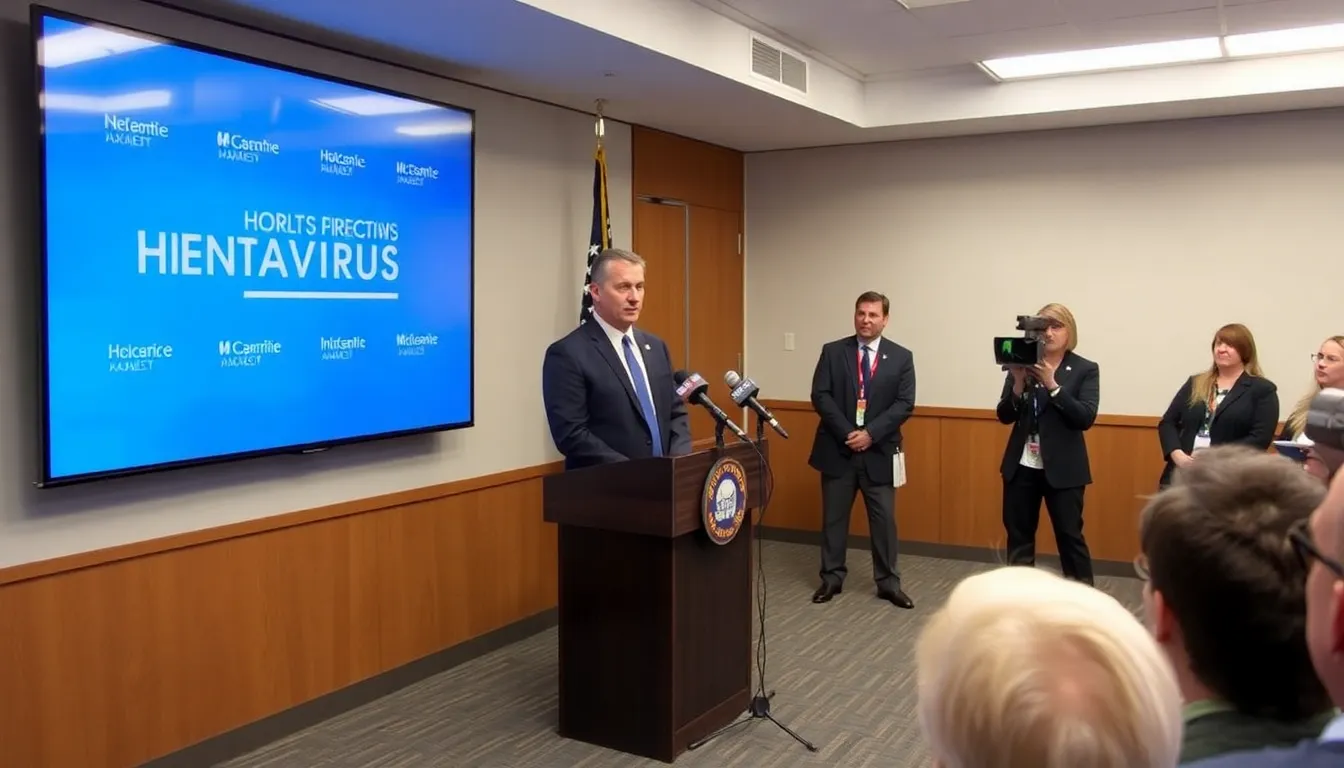
In terms of health systems, hospitals and clinics may experience increased pressure during outbreaks, as they must prepare for potential cases of hantavirus pulmonary syndrome (HPS). This can lead to a greater demand for medical resources and staff training to handle such cases effectively. The public health response may necessitate enhanced surveillance and education campaigns, which can strain already limited health budgets.
Short-term impacts on daily life can include increased anxiety among residents in affected areas, leading to changes in outdoor activities and a heightened focus on rodent control measures. Businesses that rely on outdoor tourism, such as hiking or camping services, may see a decline in patronage as potential visitors choose to avoid areas with reported hantavirus cases.
- Increased healthcare costs for prevention and treatment.
- Changes in local tourism and outdoor recreation patterns.
- Enhanced public health initiatives and community awareness programs.
In the mid-term, policies may shift to incorporate more robust rodent control measures and public health preparedness strategies. This could lead to opportunities for industries focused on pest control and environmental health, as demand for effective solutions rises. Furthermore, communities may invest in infrastructure improvements to reduce rodent habitats, ultimately benefiting public health and local ecosystems.
A: Hantavirus is a group of viruses that are spread primarily by rodents. It can cause severe respiratory infections in humans. A: Hantavirus spreads through contact with rodent droppings, urine, or saliva, and can also be transmitted through inhalation of aerosolized particles. A: Symptoms typically include fever, muscle aches, and fatigue, followed by respiratory issues. Severe cases can lead to hantavirus pulmonary syndrome. A: To protect yourself, avoid contact with rodents, seal entry points in your home, and maintain cleanliness to deter rodent infestations. A: Currently, there is no vaccine for hantavirus, making prevention through avoidance and cleanliness essential.
Frequently asked questions about hantavirus
Key takeaways and future outlook on hantavirus
Understanding hantavirus is crucial as it poses significant health risks, particularly in rural and wooded areas where human-wildlife interaction is more prevalent. The virus, primarily transmitted through rodent excreta, urine, and saliva, highlights the importance of public health awareness and preventive measures to mitigate potential outbreaks. As climate change continues to alter habitats, the risk of human exposure to hantavirus may increase, necessitating ongoing vigilance and research.
Future monitoring of rodent populations and their habitats will be essential in predicting and preventing hantavirus infections. Additionally, public health initiatives focused on education and prevention strategies can play a vital role in reducing the incidence of this disease. Awareness of the symptoms and prompt medical attention can significantly improve outcomes for those affected.
- Increased awareness: Education on hantavirus transmission and symptoms is essential for at-risk populations.
- Preventive measures: Implementing rodent control strategies in residential and recreational areas can reduce exposure risk.
- Research and monitoring: Continued research into the ecology of hantavirus and monitoring of rodent populations will help predict outbreaks.
- Public health collaboration: Coordination between public health agencies and communities is crucial for effective response strategies.