
The rise in temperatures, attributed to climate change, has created conditions conducive to wildfires. Prolonged dry spells, particularly during the summer months, have left vast areas of vegetation parched and vulnerable. In April 2023, a major wildfire broke out in the Mourne Mountains, prompting emergency services to deploy significant resources to contain the flames. Understanding the broader implications of such incidents is crucial to developing effective wildfire management strategies.
Additionally, human activity plays a crucial role in exacerbating the wildfire threat. Activities such as illegal burning of land and careless disposal of cigarettes have been identified as common causes of ignition. The NIFRS has launched campaigns aimed at raising public awareness about the risks associated with these actions and the importance of responsible behavior in outdoor spaces.
The ecological impact of wildfires is profound, affecting biodiversity and disrupting local habitats. Species that rely on specific ecosystems are at risk, and the recovery of these areas can take years. As Northern Ireland continues to face these challenges, the need for effective prevention strategies and community engagement becomes increasingly urgent.
Several factors contribute to the increasing frequency of wildfires in the region
The rise in wildfires in Northern Ireland can be traced back to a combination of environmental changes, policy decisions, and socio-economic factors. Historically, the region has experienced a temperate maritime climate, which has provided a stable ecosystem. However, climate change has intensified weather patterns, leading to hotter and drier conditions that are conducive to wildfires. As this situation evolves, ongoing discussions about policy adjustments will be essential.
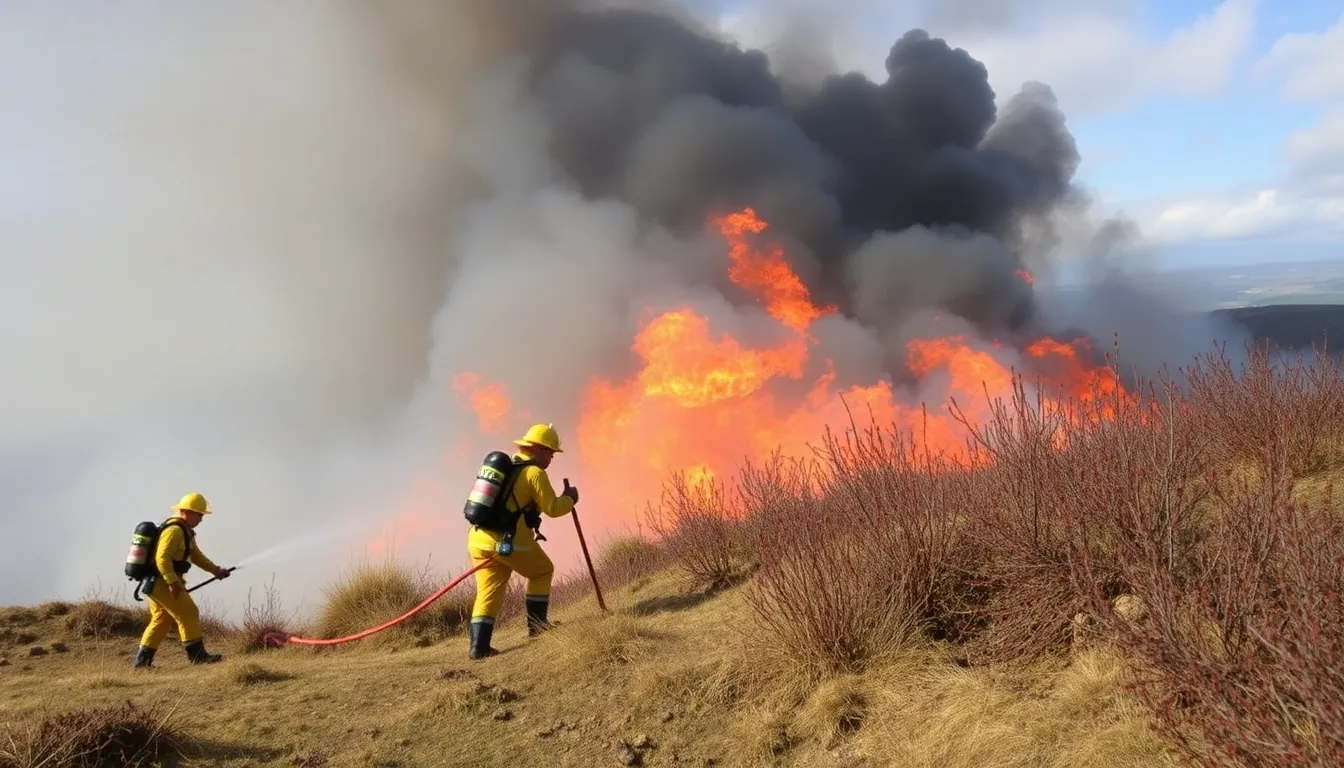
In recent years, the frequency of extreme weather events, such as prolonged dry spells and intense storms, has increased. These changes are not merely coincidental; they are part of a broader global trend attributed to climate change. As temperatures rise, the landscape becomes more susceptible to fires, particularly in areas with abundant vegetation that can easily ignite.
The Role of Land Management Practices
Land management practices in Northern Ireland have also played a significant role in the growing wildfire threat. Historically, many rural areas relied on controlled burns for agricultural purposes, but these practices have diminished over time due to stricter regulations and changing agricultural methods. This reduction in controlled burns has led to an accumulation of dry underbrush, which serves as fuel for wildfires.
Furthermore, the political landscape has influenced how land is managed. With the focus on conservation and biodiversity, there has been less emphasis on proactive fire management strategies. As a result, the region is now facing an increasing risk of wildfires, which can have devastating effects on both the environment and local communities.
The economic implications of this growing threat are significant. Wildfires can lead to substantial costs in terms of firefighting efforts, damage to property, and loss of agricultural productivity. As Northern Ireland grapples with these challenges, it is crucial to understand the historical and contextual factors that have led to this precarious situation. Moreover, the insights gained can parallel discussions around community engagement initiatives in other regions facing similar threats.
Key stakeholders and issues surrounding wildfire management
The growing threat of wildfires in Northern Ireland has brought together a diverse group of stakeholders, each with their own interests and concerns. These include government bodies, local communities, environmental organizations, and landowners. Their varying perspectives highlight the complexity of wildfire management and the challenges faced in addressing this escalating issue.
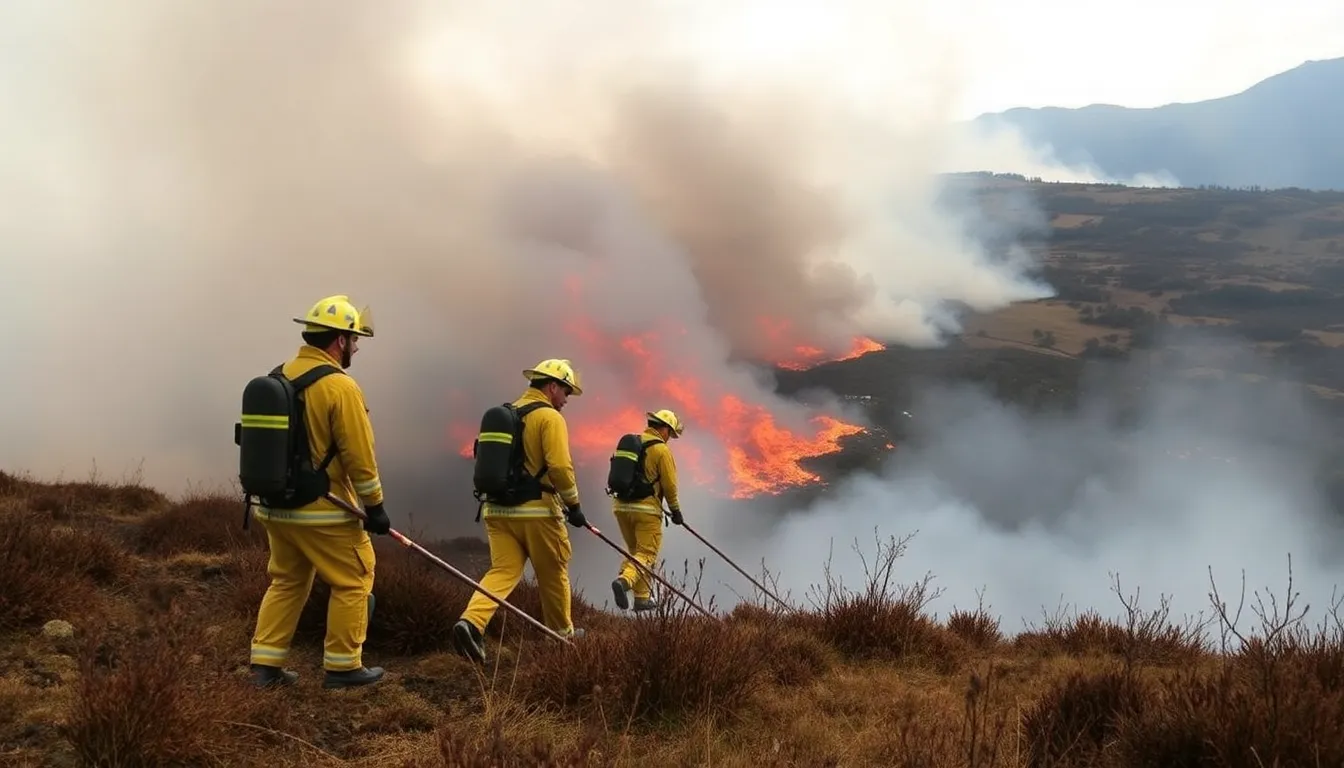
Government agencies such as the Department of Agriculture, Environment and Rural Affairs (DAERA) play a critical role in wildfire prevention and response. Their interest lies in ensuring public safety, protecting natural resources, and managing land effectively. However, budget constraints and competing priorities can limit their capacity to address wildfire risks adequately.
Local communities are directly impacted by wildfires, often facing property damage and health risks from smoke. Their interests focus on safety, property protection, and the preservation of local ecosystems. As wildfires become more frequent, residents may advocate for increased funding and resources for fire prevention and emergency response initiatives.
Environmental organizations emphasize the ecological implications of wildfires, including habitat destruction and biodiversity loss. They often push for sustainable land management practices and policies that mitigate the risk of wildfires while promoting conservation efforts. However, their goals may conflict with those of landowners who prioritize agricultural production and economic gain.
- Conflicts between land use for agriculture and conservation efforts can hinder effective wildfire management.
- Economic pressures may limit government funding for wildfire prevention programs.
- Community awareness and preparedness are essential for reducing the impact of wildfires on local populations.
- Legal frameworks governing land management and environmental protection can complicate response strategies.
- Collaboration among stakeholders is crucial for developing comprehensive wildfire management plans.
The impact of wildfires on local communities and ecosystems
Wildfires in Northern Ireland are increasingly affecting various groups, including local residents, businesses, and wildlife. Communities situated near forested areas are at heightened risk as flames can quickly spread, threatening homes and livelihoods. The agricultural sector, particularly farmers who rely on land for grazing and crop production, faces significant challenges as wildfires can devastate vast areas of arable land.
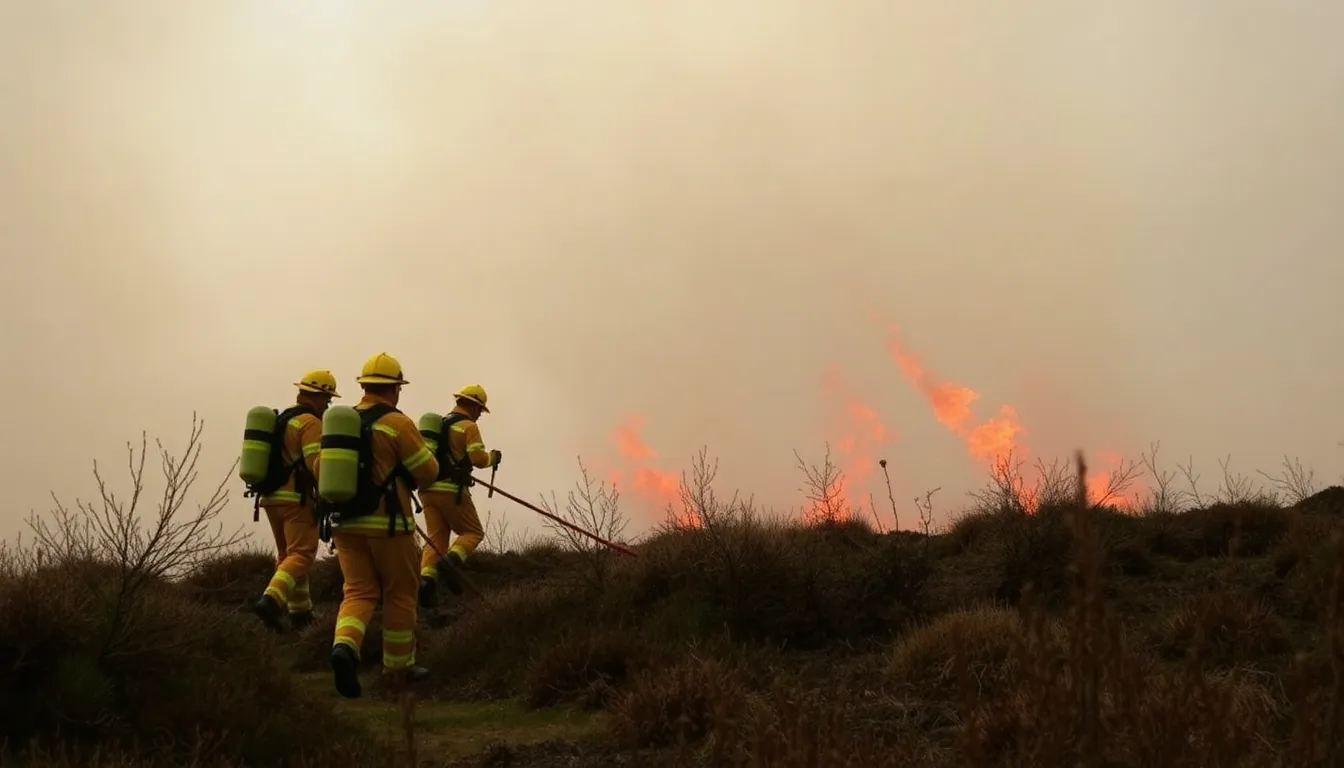
In the short term, the immediate impact of wildfires is often seen in the disruption of daily life. Evacuations may be necessary, leading to displacement and loss of property. Local businesses, particularly those in tourism and hospitality, may experience a decline in visitors due to safety concerns and damaged landscapes. The smoke and air quality deterioration can also pose health risks to vulnerable populations, including the elderly and those with respiratory conditions.
Mid-term impacts extend beyond immediate damage. As communities grapple with recovery, there may be increased pressure on local governments to implement stricter fire management policies. This could lead to changes in land use regulations and funding for firefighting resources, ultimately reshaping the local economy. The ongoing threat of wildfires may also influence insurance costs and availability, affecting homeowners and businesses alike.
While the risks are significant, there are potential opportunities that arise from addressing these challenges. For instance, increased awareness of wildfire risks can lead to greater investment in fire prevention and management technologies. Additionally, businesses that specialize in eco-friendly products and services may find new markets as communities seek sustainable solutions to mitigate fire risks.
- Disruption of daily life and displacement of residents
- Decline in tourism and local business revenue
- Increased pressure for policy changes and fire management strategies
- Potential growth in eco-friendly industries and technologies
A: The main causes include rising temperatures, prolonged dry spells, and human activities such as land clearing and careless campfires. A: Communities can prepare by creating firebreaks, maintaining vegetation, and establishing emergency response plans. A: Local authorities are implementing better land management practices and increasing public awareness about fire safety. A: Yes, wildfires are becoming more common worldwide, largely due to climate change and increased human encroachment into natural areas. A: Climate change contributes to hotter temperatures and drier conditions, creating an environment more conducive to wildfires.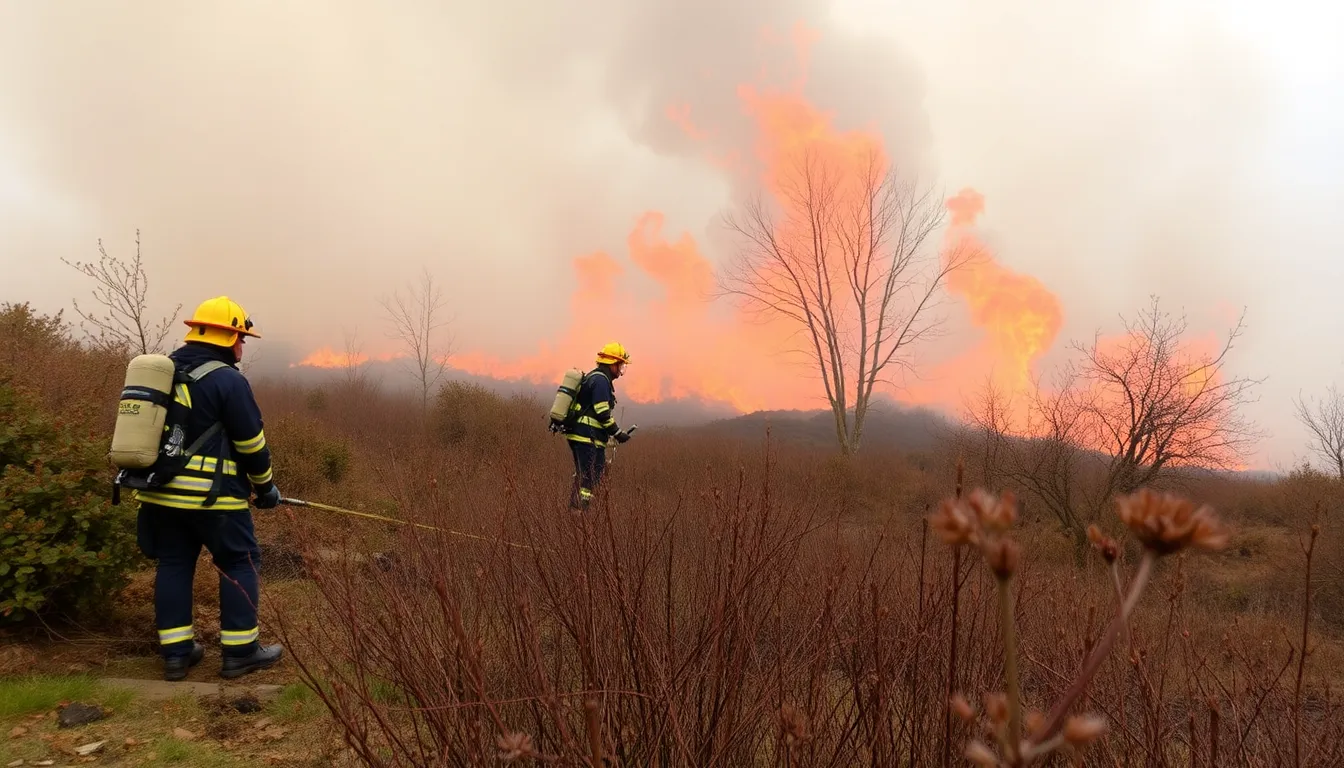
Frequently asked questions about wildfires in Northern Ireland
Looking ahead: key points and future outlook on wildfire risks
As Northern Ireland grapples with the increasing threat of wildfires, understanding the multifaceted causes and potential consequences is essential for effective response strategies. The interplay of climate change, land management practices, and community awareness will shape the region’s ability to mitigate these risks in the future.
Proactive measures, including enhanced monitoring, better land-use planning, and public education, will be crucial in addressing the growing challenges posed by wildfires. Stakeholders must remain vigilant and adaptable to safeguard both the environment and local communities.
- Climate adaptation strategies: Implementing measures to adapt to changing weather patterns will be vital in reducing wildfire susceptibility.
- Community engagement: Raising awareness and educating the public about fire safety and prevention can significantly reduce risks.
- Land management practices: Revising and improving land management techniques will help maintain healthier ecosystems that are less prone to wildfires.
- Investment in resources: Allocating resources for firefighting capabilities and technology will enhance response times and effectiveness.
- Collaboration across sectors: Encouraging collaboration between government, environmental groups, and local communities will foster a comprehensive approach to wildfire risk management.