
The recent local elections held on May 4, 2023, showcased Plaid Cymru’s growing influence, with the party securing key victories in several constituencies traditionally held by Labour. This electoral success has energized supporters and raised questions about the future of Labour’s leadership in Wales, particularly under First Minister Mark Drakeford. For further insights on political shifts, check out our article on AI and opinion polls.
Analysts note that ap Iorwerth’s appeal lies in his ability to connect with younger voters and his focus on issues such as climate change, social justice, and economic development. His rhetoric emphasizes a vision for a more independent Wales, which resonates with those seeking a departure from the status quo. As a result, the political landscape in Wales appears to be shifting, with Plaid Cymru positioning itself as a viable alternative to Labour.
The implications of this political shift are significant. Should Plaid Cymru continue to gain ground, it could lead to a realignment of political alliances and policies in Wales. With the next general election approaching, both Labour and Plaid Cymru will need to strategize on how to address the evolving concerns of the electorate, making this a critical moment in Welsh political history.
Understanding the historical context of Labour’s dominance in Wales
Labour has historically been the dominant political party in Wales, a trend that can be traced back to the early 20th century. The party’s roots in the industrial heartlands, particularly in coal mining and manufacturing regions, established a stronghold that shaped political allegiances for generations. This dominance was reinforced by the socio-economic challenges faced by these communities, which often turned to Labour for solutions and representation.
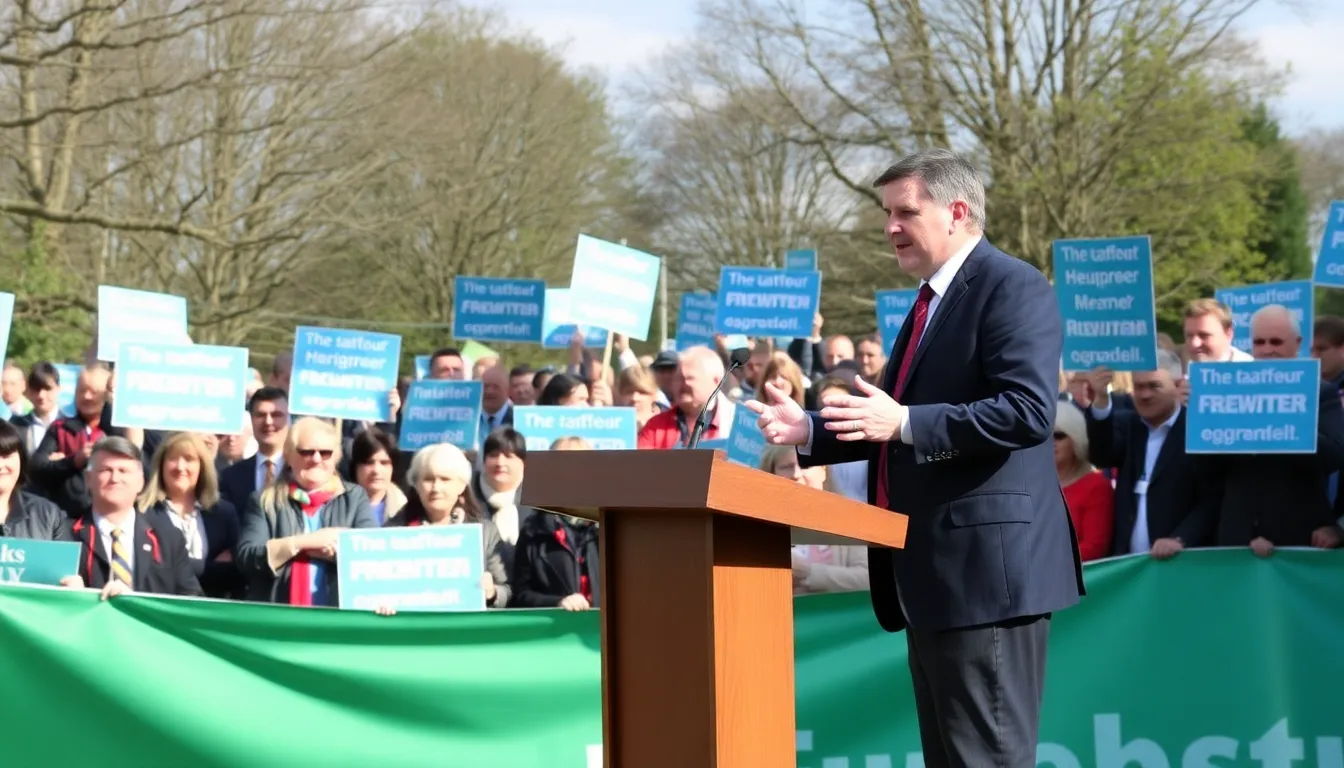
Throughout the late 20th century, Labour’s influence continued to grow, particularly after the establishment of the Welsh Assembly in 1999. The party capitalized on its legacy of advocating for workers’ rights and social justice, appealing to a population that had experienced significant economic upheaval. Key milestones, such as the devolution referendum and subsequent elections, saw Labour consistently winning a majority of seats in the Assembly, further entrenching its power.
However, the political landscape began to shift in the 2010s, as issues such as austerity measures, public service cuts, and dissatisfaction with the status quo led to increasing disillusionment among voters. The rise of alternative parties, including Plaid Cymru and the Liberal Democrats, began to challenge Labour’s long-standing dominance. This shift was indicative of a broader trend across the UK, where traditional party loyalties were being tested by changing social and economic realities.
The emergence of new political voices
Rhun ap Iorwerth’s recent successes can be seen as part of this changing dynamic. As a prominent figure within Plaid Cymru, he has effectively tapped into the growing desire for a fresh political narrative that addresses the unique needs of Welsh communities. His ability to resonate with voters disillusioned by Labour’s long-standing rule marks a significant turning point in Welsh politics, suggesting a potential reconfiguration of political allegiances in the years to come, similar to the shifts explored in sports leadership.
Key stakeholders and issues surrounding the political shift
The recent electoral success of Rhun ap Iorwerth and his party marks a significant change in the political landscape of Wales, traditionally dominated by Labour. This shift raises important questions about the interests of various stakeholders involved, including political parties, local governments, and the electorate.
Rhun ap Iorwerth, as the leader of Plaid Cymru, represents a growing desire among many Welsh voters for greater autonomy and recognition of Welsh identity. His platform emphasizes issues such as economic development, healthcare, and environmental sustainability, which resonate with constituents seeking alternatives to Labour’s long-standing policies.
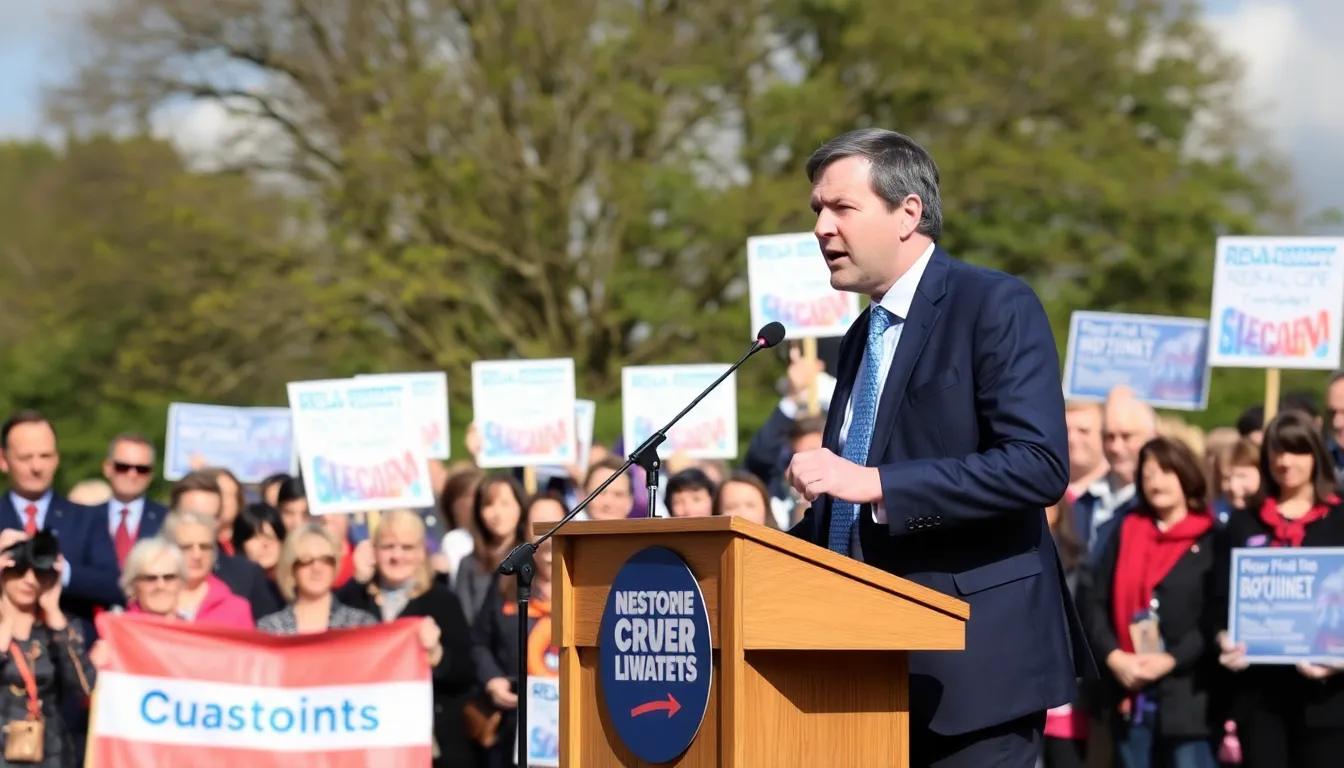
Labour, under the leadership of Mark Drakeford, faces the challenge of responding to this new political dynamic. The party’s historical dominance in Wales has been built on a foundation of social justice and public service, but the rise of Plaid Cymru indicates a potential disconnect between Labour’s policies and the evolving priorities of the electorate.
- Economic Issues: The debate over funding for public services and economic development initiatives is crucial, as both parties present differing views on how to achieve growth and address inequalities.
- Identity and Autonomy: The push for Welsh identity and self-governance is a central theme, with Plaid Cymru advocating for more powers, while Labour emphasizes unity within the UK.
- Healthcare and Social Services: As public health remains a priority, contrasting approaches to managing the NHS and social care systems are key points of contention.
- Environmental Policies: Both parties must navigate the complexities of climate change and sustainability, with differing strategies that appeal to their respective bases.
- Electoral Reforms: The implications of this political shift may prompt discussions on electoral reforms and how to better represent diverse voices within Welsh politics.
As these stakeholders navigate their interests, the potential for conflict and trade-offs becomes apparent. The evolving political landscape in Wales will require careful consideration of how best to balance these competing interests while addressing the pressing issues facing the region, which echoes the challenges faced in various sectors, as discussed in Raducanu’s fitness journey.
Who will be affected by this change in political power?
The recent shift in political power with Rhun ap Iorwerth breaking Labour’s dominance in Wales has significant implications for various groups, industries, and regions. This change could reshape the political landscape, influencing everything from local governance to economic policies.
One of the primary groups affected will be the constituents of Wales, particularly those in rural and underrepresented areas. With a new political focus, there may be a renewed emphasis on addressing local issues, such as healthcare access and education funding. This could lead to immediate improvements in public services, enhancing the quality of life for many residents.
Businesses, especially those in the agricultural and tourism sectors, may experience both risks and opportunities. In the short term, uncertainty surrounding new policies could lead to hesitance in investment. However, in the mid-term, a shift towards more localized decision-making could empower these industries, potentially leading to tailored support and growth initiatives.
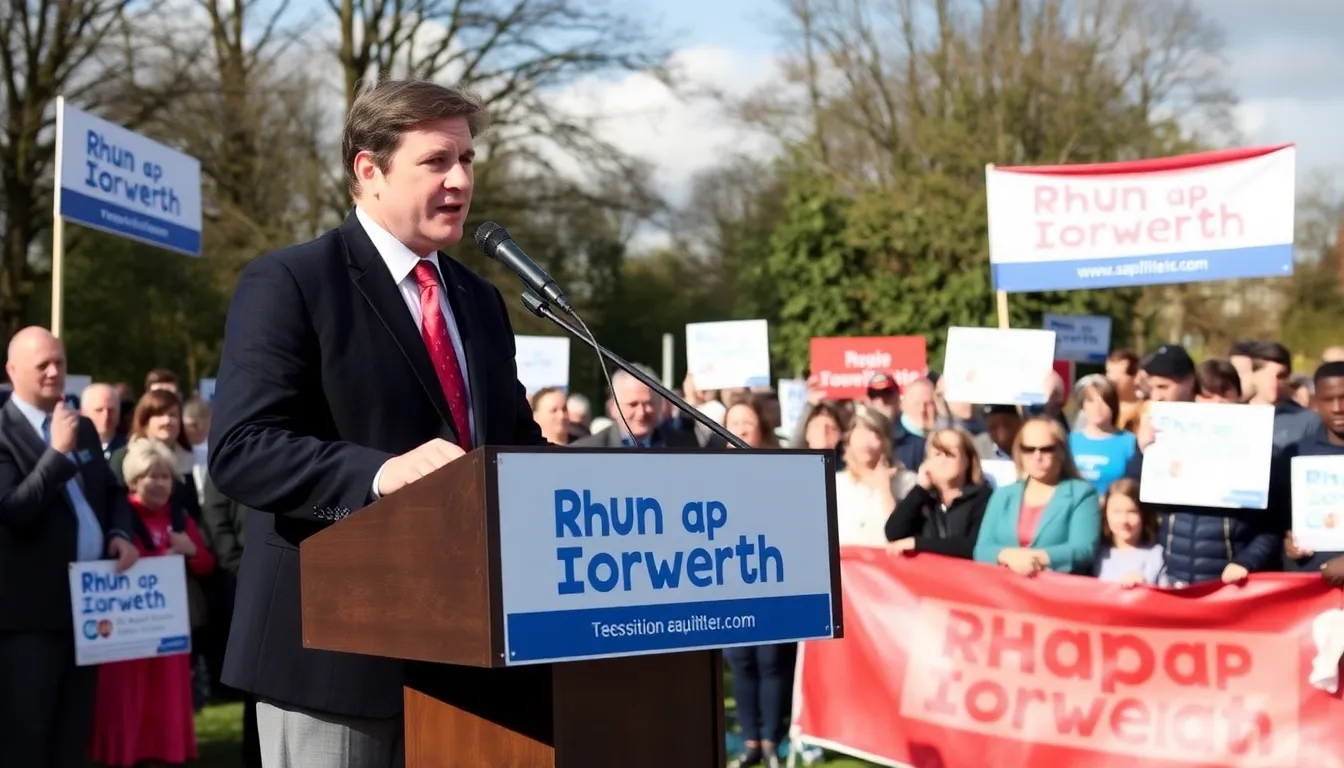
- Short-term risks: Economic uncertainty due to policy changes.
- Mid-term opportunities: Enhanced support for local businesses and industries.
- Impact on public services: Potential improvements in healthcare and education.
Regions that have felt neglected under previous Labour governance may see a revitalization of attention and resources. This could foster a sense of community empowerment and engagement, encouraging citizens to participate more actively in local governance and initiatives. However, the transition may also provoke resistance from those who fear change, highlighting the need for careful communication and collaboration among stakeholders.
A: Rhun ap Iorwerth’s ascent indicates a potential decline in Labour’s influence, suggesting voters may be seeking alternatives to traditional party politics. A: Public reaction has been mixed, with some expressing excitement over new options while others remain loyal to Labour’s legacy. A: Future elections may see a more competitive landscape, with increased opportunities for smaller parties to gain traction in Wales. A: Yes, this shift reflects broader trends of political realignment and voter dissatisfaction across the UK. A: Rhun ap Iorwerth will need to consolidate support and address key issues to maintain momentum against established parties.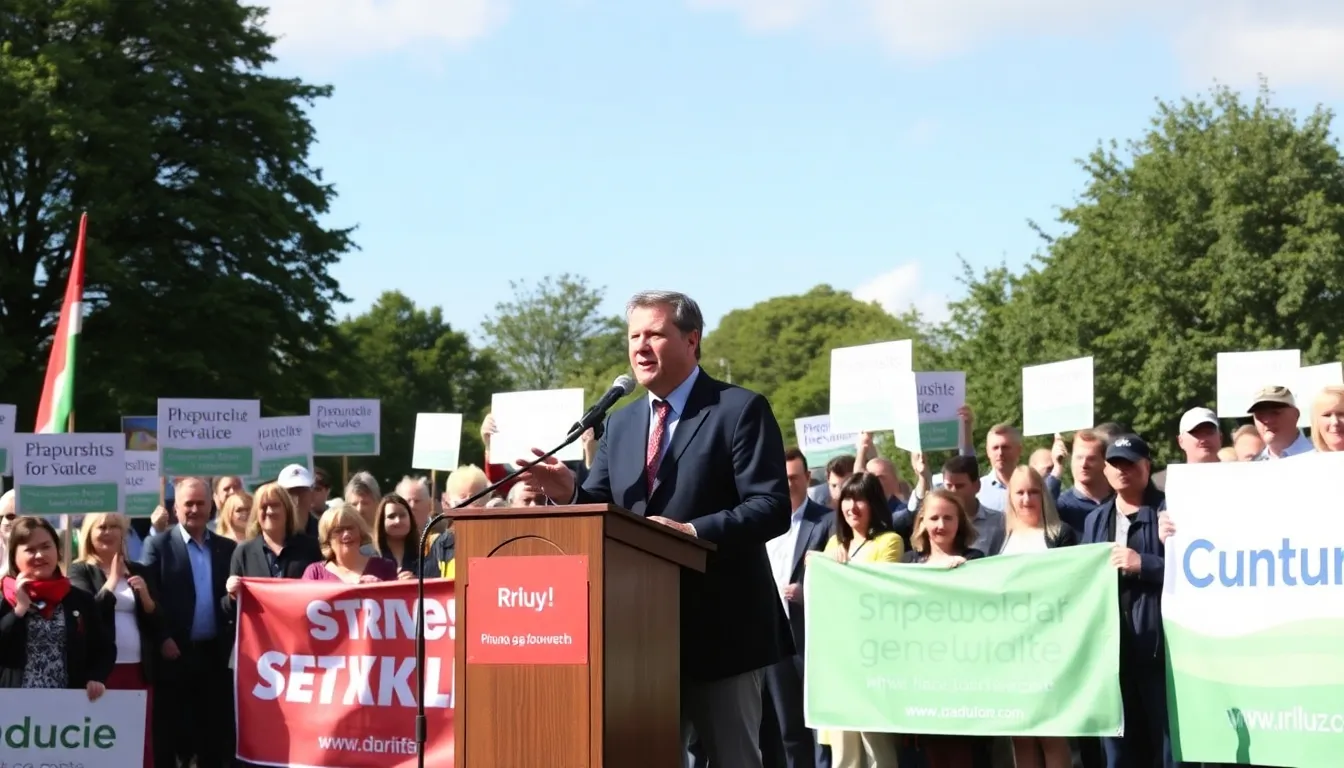
Frequently asked questions about the political changes in Wales
Looking ahead: implications for the future of Welsh politics
The recent breakthrough by Rhun ap Iorwerth signifies a potential shift in the political landscape of Wales, challenging the long-standing dominance of Labour. As Iorwerth and his party leverage this momentum, the implications for future elections and policy direction become increasingly relevant. This development may encourage other regions to reconsider their political affiliations and strategies, reflecting a broader trend of change across the UK.
Political analysts will be closely monitoring how this shift influences voter sentiment and party dynamics in Wales. The ability of Iorwerth to maintain support and expand his party’s base will be crucial in determining whether this is a fleeting moment or the beginning of a sustained challenge to Labour’s influence.
- Increased competition: The rise of Iorwerth may lead to a more competitive political environment, prompting Labour to reassess its strategies and policies.
- Voter engagement: This shift could result in higher voter engagement, particularly among younger demographics who may be drawn to new political narratives.
- Policy innovation: As parties vie for support, we may see innovative policy proposals that address the specific needs of Welsh constituents.
- Coalition possibilities: The dynamics may open doors for coalition-building among parties, reshaping governance and legislative priorities in Wales.
- Impact on national politics: The developments in Wales could influence political strategies in other regions, as parties across the UK respond to changing voter landscapes.