
The event saw thousands of pupils gathering in local parks and schoolyards, each releasing colorful butterflies into the air. The butterflies, sourced from local conservation groups, symbolize hope and the need for ecological preservation, aligning with Attenborough’s lifelong advocacy for nature.
Attenborough, who celebrated his 97th birthday earlier this year, has inspired generations with his documentaries and passion for wildlife. This butterfly release not only honors his contributions but also encourages young people to engage with nature and understand their role in conserving it.
Schools involved in the event reported that students took part in educational workshops leading up to the release, learning about the lifecycle of butterflies and the challenges they face in the wild. The initiative is part of a broader movement aiming to connect youth with environmental stewardship.
Understanding the significance of David Attenborough’s work
David Attenborough, a renowned broadcaster and natural historian, has been a pivotal figure in raising awareness about environmental issues and the importance of biodiversity. His documentaries have not only captivated audiences but have also educated generations about the fragility of our ecosystems. Since the 1950s, Attenborough’s work has highlighted the intricate connections between species and their habitats, fostering a sense of responsibility towards conservation.
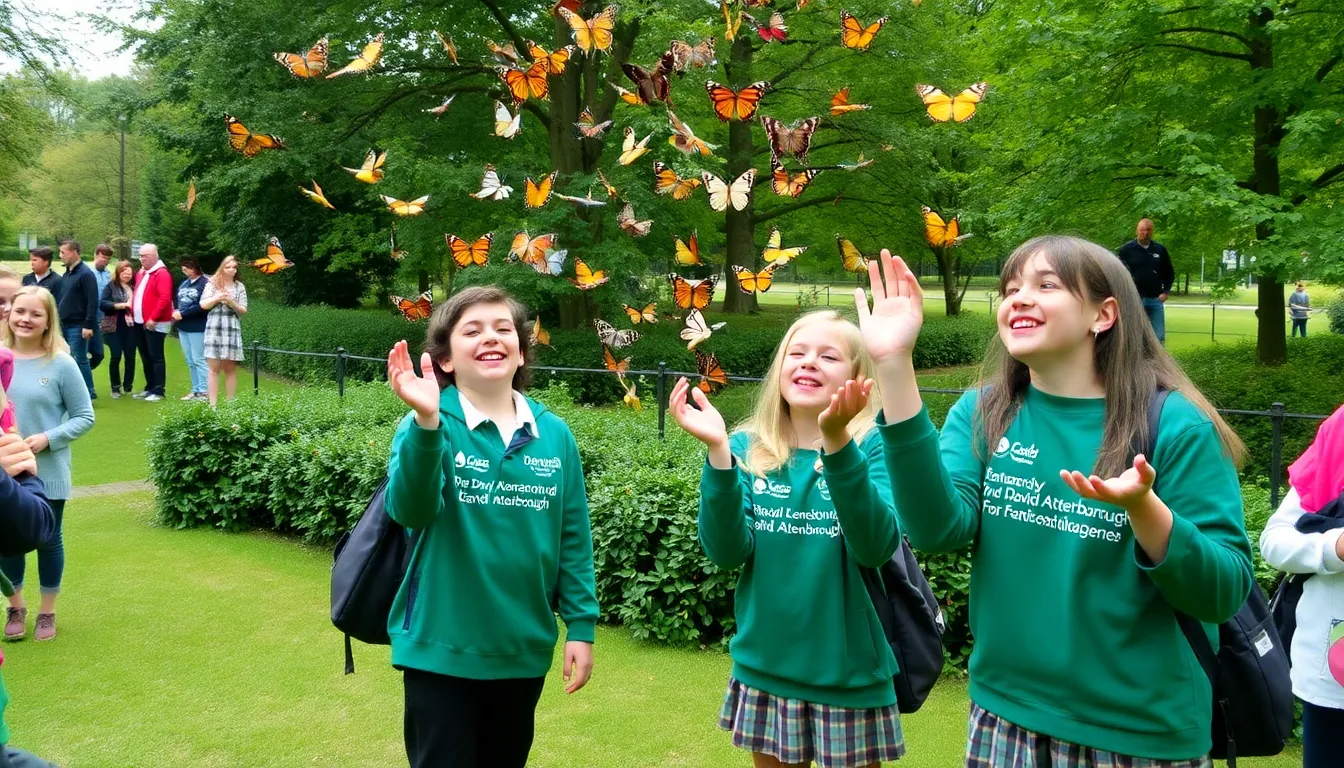
The act of releasing butterflies, as seen in recent events involving school pupils, symbolizes a deeper connection to Attenborough’s message. Butterflies are often seen as indicators of a healthy environment, and their release serves as a tangible act of hope and commitment to preserving nature. This initiative reflects a growing movement among young people to engage with environmental issues and take action, inspired by figures like Attenborough.
Historical Context of Environmental Awareness
The environmental movement gained momentum in the 1960s and 1970s, with pivotal events such as the publication of Rachel Carson’s “Silent Spring” and the first Earth Day in 1970. These milestones marked a shift in public consciousness regarding the impact of human activities on the planet. Attenborough’s documentaries emerged during this period, reinforcing the urgent need for conservation and sustainable practices.
In recent years, the urgency of climate change and biodiversity loss has prompted educational institutions to incorporate environmental stewardship into their curricula. The butterfly release initiative is a reflection of this trend, empowering students to participate in conservation efforts and understand their role in the ecosystem. It also serves as a reminder of the legacy of figures like Attenborough, who have dedicated their lives to the protection of our natural world, as discussed in another article about his 100th birthday celebration.
As we witness the next generation engaging with these important issues, it becomes clear that the influence of David Attenborough continues to resonate, inspiring actions that celebrate and protect the beauty of nature. The release of butterflies is not just a ceremonial gesture; it is a call to action for all to appreciate and safeguard the environment for future generations.
Exploring the impact of Attenborough’s influence on young minds
The recent event where pupils released butterflies in honor of David Attenborough highlights the significant role that influential figures play in shaping environmental consciousness among young people. Attenborough, a renowned broadcaster and natural historian, has inspired generations to appreciate and protect the natural world. His documentaries and advocacy have made a lasting impact, particularly on the youth, who are often seen as the stewards of the future.
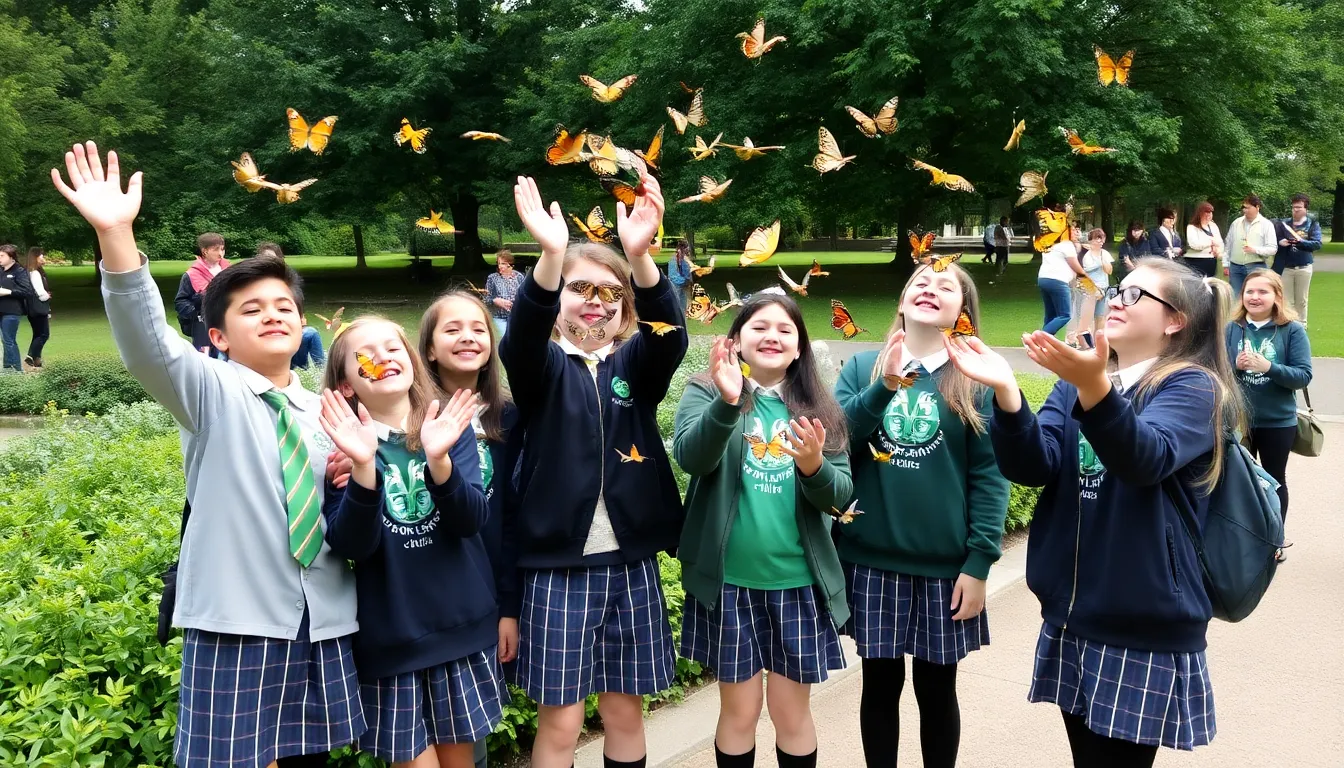
Key stakeholders in this initiative include educational institutions, environmental organizations, and local governments. Schools are motivated to incorporate environmental education into their curricula, fostering a sense of responsibility and connection to nature among students. Environmental organizations see this as an opportunity to raise awareness and promote biodiversity, while local governments may support such initiatives to align with broader sustainability goals.
However, the release of butterflies also raises several key issues. There are concerns about the ecological impact of releasing non-native species into local ecosystems, which could disrupt existing habitats. Additionally, there are questions regarding the educational value of such activities versus more structured learning about ecosystems and conservation. The balance between engaging students and providing scientifically accurate education is a delicate one.
- Environmental Education: Schools aim to enhance student engagement with nature through hands-on activities.
- Biodiversity Concerns: The potential ecological risks associated with releasing butterflies must be carefully considered.
- Community Involvement: Local governments and organizations can collaborate to create more impactful environmental programs.
- Legal Regulations: There may be legal frameworks governing the release of certain species that schools need to adhere to.
- Long-term Impact: The sustainability of such initiatives depends on continued education and awareness efforts.
In summary, while the act of releasing butterflies serves as a powerful symbol of connection to nature, it also invites a broader discussion about the responsibilities of educators, the implications of biodiversity, and the need for regulations that ensure ecological integrity. Understanding these dynamics is crucial for fostering a generation that is not only inspired by figures like Attenborough but also equipped to make informed decisions about environmental stewardship.
The effects of this event on environmental education
The release of butterflies by pupils in honor of David Attenborough has far-reaching implications for various groups, particularly in the education sector. Schools and educational institutions are encouraged to integrate environmental education into their curricula, fostering a generation that is more aware of ecological issues. This event highlights the importance of biodiversity and the role of individuals in conservation efforts, directly impacting students, teachers, and parents.
In the short term, this initiative can invigorate local communities by promoting outdoor activities and engagement with nature. Schools may see increased participation in environmental clubs and projects, leading to a heightened interest in science and ecology. Additionally, businesses related to education and outdoor activities, such as eco-tourism and educational materials, may experience a boost in demand as families seek to engage with nature.
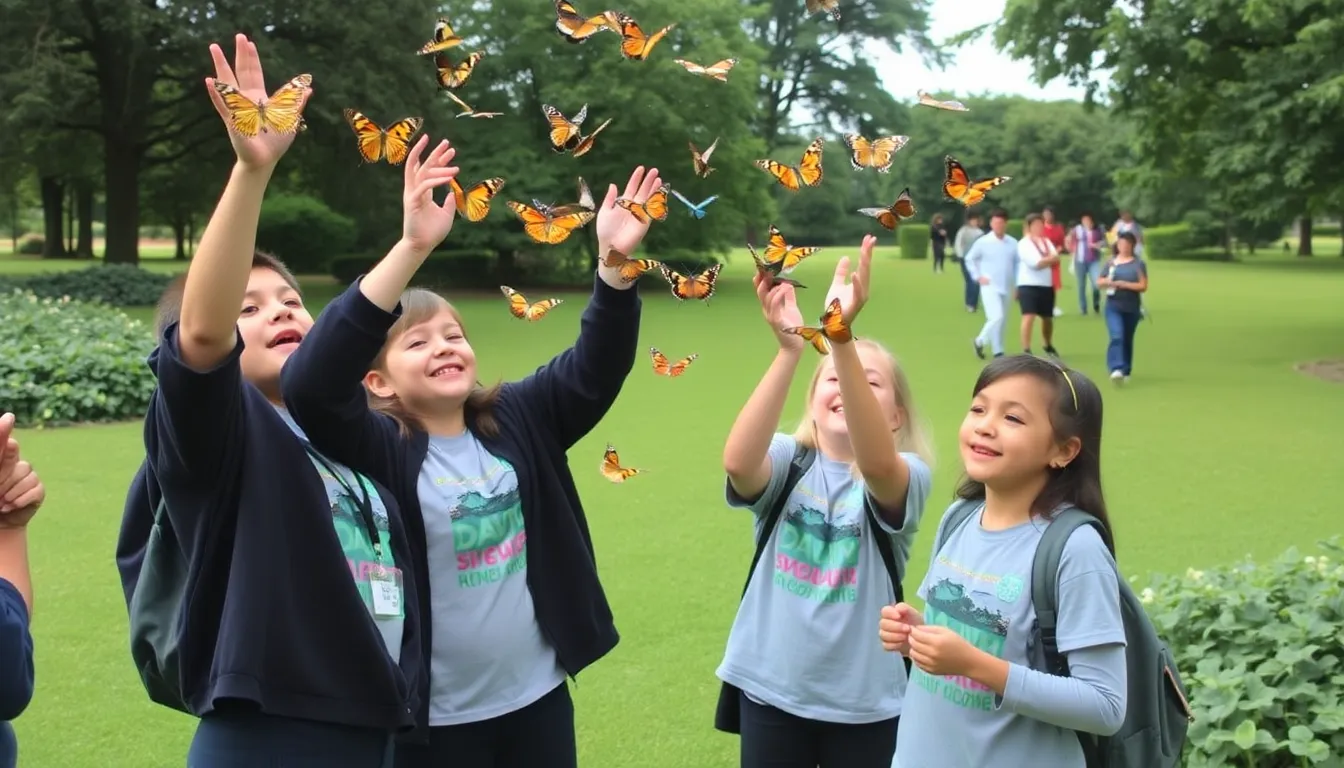
In the mid-term, there could be significant policy implications as local governments and educational authorities may be prompted to invest in environmental programs and initiatives. This could lead to the development of more comprehensive environmental education policies, encouraging schools to adopt sustainable practices and incorporate nature-based learning into their programs.
- Increased awareness: Students and communities become more conscious of environmental issues.
- Boost to local businesses: Eco-tourism and educational resources may see a rise in interest.
- Policy changes: Potential for new initiatives focused on sustainability and conservation in schools.
However, there are risks associated with this event as well. If not properly managed, the release of butterflies could lead to ecological imbalances or the introduction of non-native species into local ecosystems. Educators and organizers must ensure that such activities are conducted responsibly to mitigate these risks and maximize the positive impact on environmental education.
A: The pupils wanted to honor David Attenborough’s lifelong dedication to nature and conservation. Releasing butterflies symbolizes hope and the importance of protecting the environment. A: The event served as an educational opportunity, encouraging students to learn about ecosystems and the role of butterflies in nature. It also inspired discussions on conservation efforts. A: The butterfly release took place at the local school grounds, where students gathered to participate in the event. It was organized in collaboration with local environmental groups. A: The pupils released native butterfly species that are crucial to the local ecosystem. This choice highlights the importance of supporting local wildlife. A: Yes, the butterfly release is part of a broader initiative aimed at fostering environmental stewardship among students. Schools are encouraged to engage in similar activities.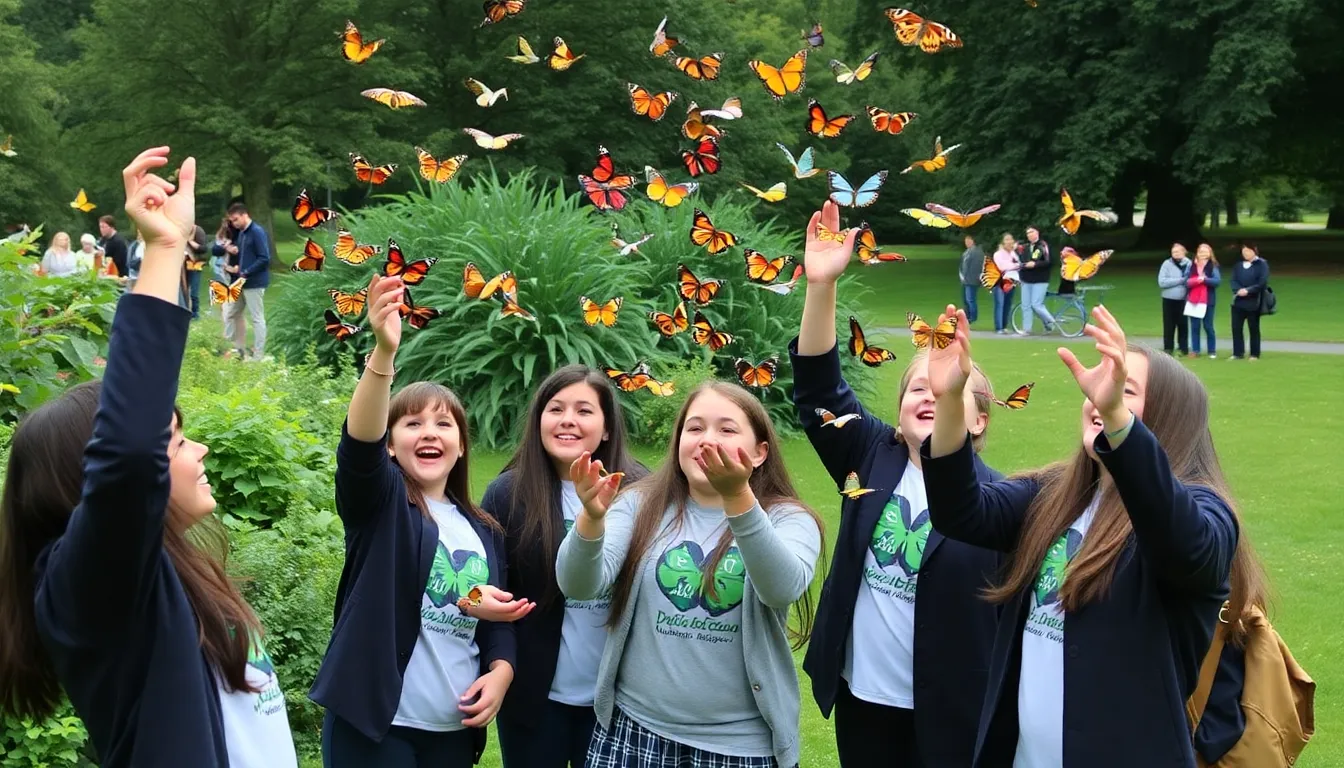
Frequently asked questions about the butterfly release event
Looking ahead: The future of environmental awareness initiatives
The recent event where pupils released butterflies in honor of David Attenborough highlights the growing importance of environmental education and engagement among younger generations. Such initiatives not only foster a connection to nature but also instill a sense of responsibility towards conservation efforts. As schools integrate more hands-on experiences into their curricula, the impact on students’ understanding of biodiversity and ecological balance becomes increasingly significant.
Moving forward, the emphasis on practical environmental activities can serve as a catalyst for broader community involvement. By inspiring students to take action, these initiatives may encourage families and local communities to participate in conservation efforts, creating a ripple effect that extends beyond the classroom.
- Increased collaboration between schools and environmental organizations can enhance educational programs.
- Hands-on activities like butterfly releases can deepen students’ emotional connection to nature.
- Community engagement in environmental initiatives can lead to more robust conservation efforts.
- As awareness grows, expect more schools to adopt similar programs to promote sustainability.
- The role of media in amplifying such initiatives can further influence public perception and action towards environmental issues.