
One of the key issues has been the reported lag in online matchmaking systems, which has affected practice sessions leading up to the tournament. Players have expressed frustration over inconsistent connections, which could impact performance during crucial matches. This technical instability has prompted discussions about the event’s readiness and its alignment with the standards expected from Evo events.
Furthermore, the choice of location and venue has sparked debate among the community. While Evo Japan aims to celebrate the local scene, some argue that it lacks the global appeal that other Evo events possess. The focus on regional players may alienate international competitors, raising questions about inclusivity and the event’s overall significance.
Additionally, the ongoing challenges posed by the COVID-19 pandemic continue to affect attendance and safety protocols. With varying restrictions across countries, many players are uncertain about their ability to travel and participate. This uncertainty could result in lower turnout, diminishing the event’s stature and impact within the fighting game community.
Exploring the history and significance of Evo events
The Evolution Championship Series, commonly known as Evo, has been a cornerstone of the fighting game community (FGC) since its inception in 1996. Originally a small gathering of enthusiasts, Evo has evolved into one of the largest and most prestigious fighting game tournaments globally, showcasing top talent and offering a platform for developers to promote their games. However, the emergence of Evo Japan has sparked debate about its legitimacy and alignment with the core values of the Evo brand.
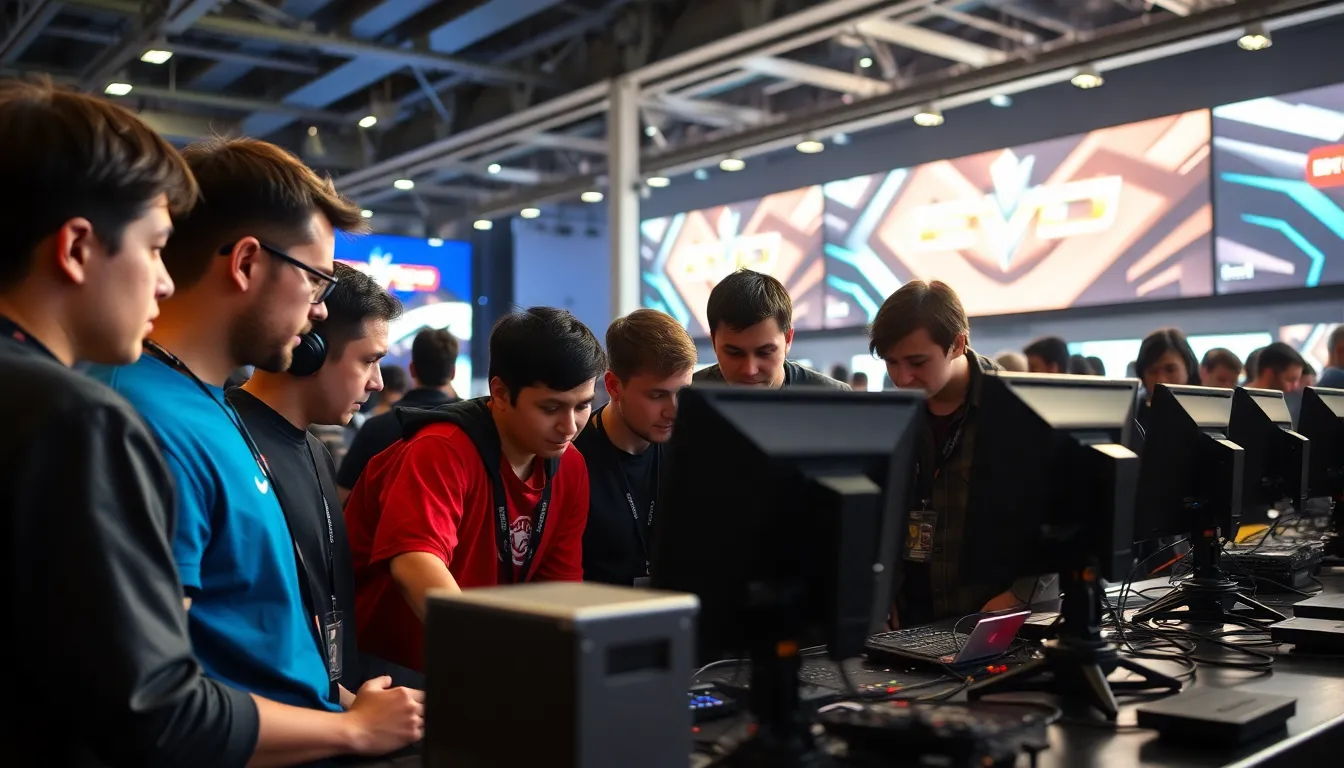
Evo Japan was introduced in 2018 as an attempt to expand the Evo brand into the Asian market, particularly targeting the thriving Japanese gaming scene. While this expansion initially seemed promising, it has faced numerous challenges that have raised questions about its relevance and execution. Technical difficulties, inconsistent organization, and a perceived disconnect from the main Evo events have contributed to a growing sentiment that Evo Japan should not be classified as a true Evo event.
The impact of technical difficulties
One of the most significant issues plaguing Evo Japan has been its recurring technical difficulties. From laggy connections to poorly configured setups, these problems have not only frustrated players but have also tarnished the reputation of the tournament. Unlike its North American counterpart, which has a long-standing history of smooth operations, Evo Japan has struggled to establish a similar level of reliability, leading to questions about its organizational capabilities.
Moreover, the economic landscape surrounding Evo Japan is markedly different from that of the original Evo events. Japan’s gaming culture is unique, with a strong emphasis on arcade play and local tournaments. This cultural divergence has made it challenging for Evo Japan to attract a global audience, as players may be less inclined to travel for an event that does not align with their expectations of a traditional Evo experience.
As the FGC continues to grow and evolve, it is essential to critically assess the role of regional events like Evo Japan. While the intention to promote inclusivity and reach new audiences is commendable, the execution has raised concerns about whether it truly embodies the spirit of Evo. The ongoing dialogue surrounding these issues highlights the need for a more cohesive strategy that respects the legacy of Evo while adapting to the diverse needs of the global gaming community.
Analyzing key stakeholders and their positions on Evo Japan
The Evo Japan event, while part of the larger Evo series, has drawn attention for its unique challenges and implications. Various stakeholders are involved, each with distinct interests that shape the discourse surrounding the event. Understanding these stakeholders and their positions is crucial for a comprehensive analysis of the situation.
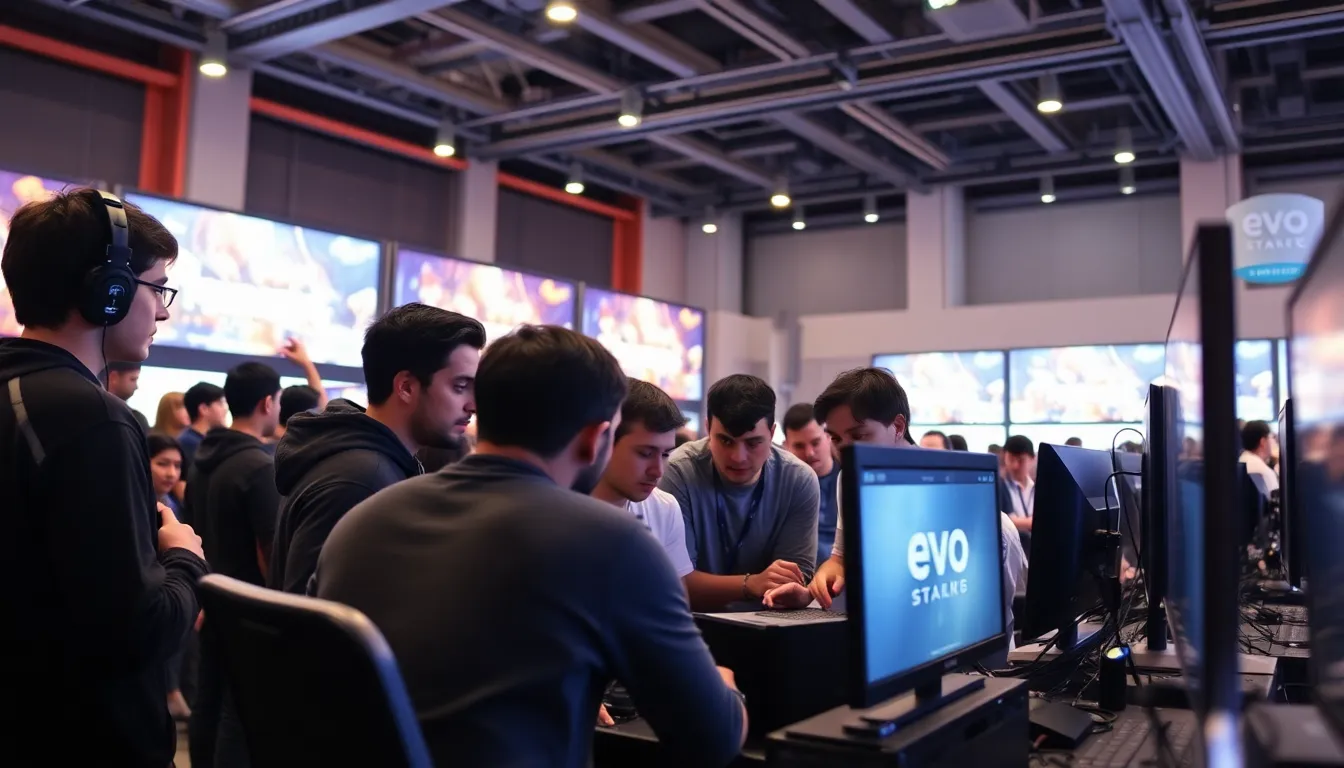
One primary stakeholder is the Esports Community, which includes players, fans, and teams. Their interest lies in the integrity and accessibility of competitive gaming. Many community members argue that Evo Japan’s technical difficulties undermine the competitive experience, leading to calls for improved infrastructure and support. This has created a divide, as some players feel that the event should be held to a higher standard, akin to other Evo events.
Event Organizers, including the Evo management team, are also key stakeholders. Their interests revolve around maintaining the brand’s reputation and ensuring profitable events. However, they face conflicts between logistical challenges and the expectations of the community. The financial implications of hosting an event in Japan, combined with the need for high-quality production, create significant pressure on organizers to deliver a flawless experience akin to that seen in other Evo events.
- Local Government: The Japanese government has interests in promoting tourism and local businesses through events like Evo Japan. However, they must balance these interests with public safety and regulatory compliance, especially regarding large gatherings.
- Game Developers: Companies that produce fighting games have a vested interest in the success of Evo Japan. They often support events through sponsorships and promotional activities, but they also face the risk of reputational damage if technical issues arise during gameplay.
- Sponsors and Advertisers: These stakeholders seek visibility and engagement with a dedicated audience. They may reassess their investments based on the event’s execution, particularly if technical difficulties detract from viewer experience.
Overall, the interplay of these stakeholders reveals a complex landscape where each party’s interests can conflict. The ongoing debates highlight the need for a collaborative approach to address the technical issues while ensuring that Evo Japan can fulfill its potential as a premier esports event.
Assessing the impact of Evo Japan on the fighting game community
The cancellation of Evo Japan has far-reaching implications for various stakeholders within the fighting game community. Primarily, competitive players, event organizers, and local gaming businesses are among those most affected. Players who dedicated time and resources to prepare for the event face disappointment, while organizers miss out on potential revenue and community engagement.
In the short term, the immediate impact is felt through the loss of a major tournament platform for players. Many rely on events like Evo Japan for visibility, sponsorship opportunities, and ranking points. The absence of this event can lead to decreased motivation among competitors and a potential decline in participation in other tournaments, affecting the overall vibrancy of the community.
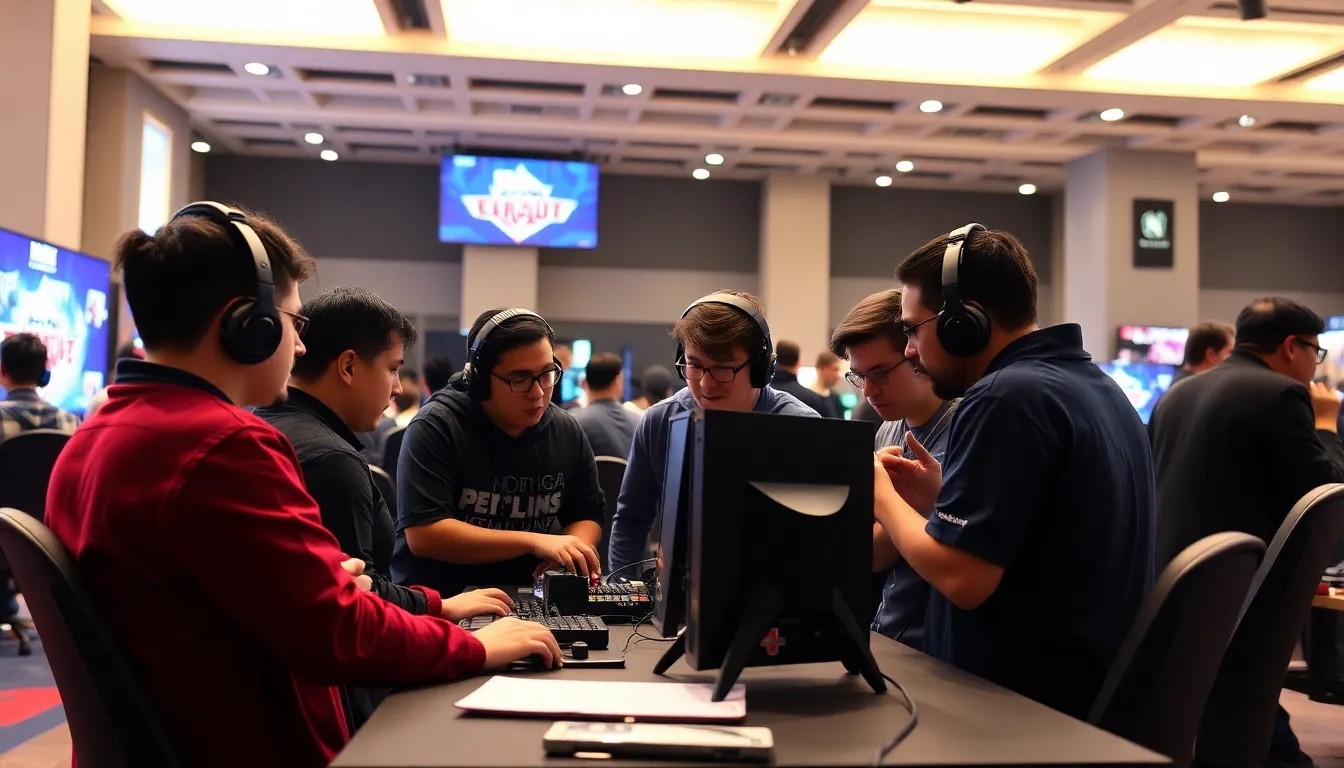
Mid-term implications include a shift in how events are organized and marketed within the fighting game ecosystem. With the failure of Evo Japan, there may be increased scrutiny on event logistics and technical capabilities, prompting organizers to invest more in infrastructure to avoid similar issues in the future. This could lead to a rise in smaller, community-driven events that prioritize player experience over scale.
- Local businesses: Restaurants and hotels in the vicinity of the event may see a decline in patronage, impacting their revenue.
- Sponsorship deals: Brands that planned to engage with the Evo Japan audience may reassess their marketing strategies, potentially leading to fewer sponsorships for future events.
- Community engagement: The disappointment could drive a wedge between players and the Evo brand, prompting players to seek alternative tournaments that better meet their needs.
While risks abound, there are potential opportunities for innovation within the community. The disruption may inspire new formats for tournaments, such as online qualifiers or hybrid events that blend physical and digital participation. This adaptability could foster a more resilient and inclusive fighting game community, ultimately leading to a richer competitive landscape.
A: The main issues include technical difficulties during the event, lack of organization, and dissatisfaction among participants. These factors have led many to question its legitimacy as an Evo event. A: Evo Japan has faced unique challenges, including logistical problems and a smaller participant base compared to other Evo events. This has raised concerns about its overall quality and reputation. A: Players attending Evo Japan may face unexpected challenges, including technical issues that could affect their performance. Additionally, the event’s reputation may impact their experience. A: As of now, there are no confirmed plans for future Evo Japan events. The organizers need to address the current issues before considering another event. A: To resolve the issues, organizers need to improve logistical planning, enhance technical support, and ensure better communication with participants. This will help restore confidence in the event.
Frequently asked questions about Evo Japan
Key takeaways and future outlook on Evo Japan
The recent challenges faced by Evo Japan highlight the complexities of organizing competitive gaming events in a rapidly evolving landscape. While the event aims to bring together the fighting game community, the technical difficulties experienced raise questions about its alignment with the prestigious Evo brand. As the gaming community continues to grow and diversify, the need for seamless execution and reliable infrastructure becomes increasingly critical.
Looking ahead, stakeholders must consider the implications of these challenges for future events. The evolution of competitive gaming requires not only innovation in gameplay but also in event management and technology integration. Ensuring that Evo Japan meets the expectations of participants and spectators alike will be essential for maintaining its reputation and relevance.
- Investing in robust technical infrastructure will be crucial for future events to avoid disruptions.
- Engaging with the community for feedback can help tailor the event experience to better meet player expectations.
- Exploring partnerships with tech companies may enhance the overall execution and reliability of the event.
- Establishing clear communication protocols during events can help manage participant and audience expectations in case of technical issues.
- Monitoring trends in competitive gaming can provide insights into emerging needs and preferences of the community.