
The court found that Greenpeace’s allegations regarding Energy Transfer’s environmental violations were not substantiated enough to warrant the claims made. This ruling comes as part of an ongoing legal battle that has seen both parties engaged in a series of lawsuits over the past several years, particularly focused on pipeline constructions and their environmental impacts.
Energy Transfer has maintained that its operations comply with regulatory standards, while Greenpeace argues that these activities pose severe risks to ecosystems and communities. The outcome of this ruling not only affects Greenpeace’s credibility but also sets a precedent for future environmental litigation involving corporate entities.
The ruling highlights the growing tension between environmental advocacy groups and the energy industry, raising questions about the effectiveness of legal avenues in addressing climate change and environmental degradation. As these legal battles unfold, the stakes continue to rise for both sides, impacting public perception and policy discussions surrounding energy production.
Understanding the background of Greenpeace’s legal challenges
Greenpeace, an international environmental organization, has long been at the forefront of activism against fossil fuel companies, advocating for sustainable energy solutions and environmental protection. Its confrontational approach has often led to legal battles, particularly with major energy corporations like Energy Transfer, a key player in the natural gas and oil industry. The ongoing legal disputes illustrate the broader tensions between environmental advocacy and corporate interests in the energy sector.
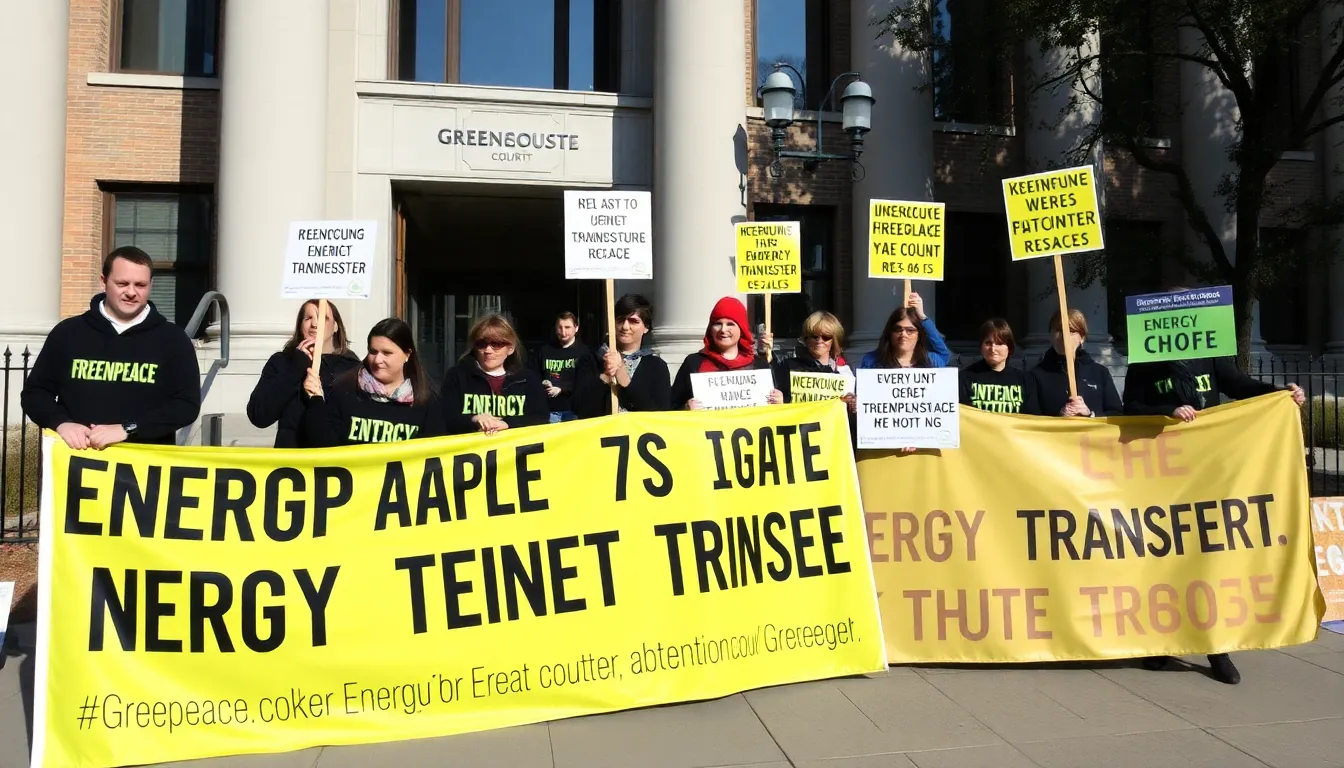
The roots of Greenpeace’s legal challenges can be traced back to the increasing urgency of climate change and the international community’s response to it. As scientific evidence mounts regarding the detrimental impacts of fossil fuels, organizations like Greenpeace have escalated their efforts to hold corporations accountable. This has included high-profile campaigns targeting projects such as the Dakota Access Pipeline, which Energy Transfer constructed amidst significant public outcry and protests.
Key milestones in the legal battles
One notable milestone occurred in 2017 when the Dakota Access Pipeline was completed, despite widespread opposition and legal challenges from various groups, including Greenpeace. This marked a significant moment in the ongoing struggle between environmentalists and energy companies, highlighting the legal and political obstacles faced by activists. Subsequent lawsuits filed by Greenpeace aimed to challenge the legality of such projects and the environmental assessments conducted by companies like Energy Transfer.
In recent years, courts have issued rulings that have not always favored Greenpeace, reflecting a complex legal landscape where corporate interests often outweigh environmental concerns. The latest ruling in favor of Energy Transfer adds to a series of setbacks for Greenpeace, raising questions about the effectiveness of legal avenues for environmental advocacy. As these legal battles continue, they underscore the persistent conflict between economic development and environmental stewardship in a rapidly changing world.
Key stakeholders and issues in the Greenpeace versus Energy Transfer case
The ongoing legal battle between Greenpeace and Energy Transfer highlights the complex interplay of environmental advocacy, corporate interests, and regulatory frameworks. At the forefront of this dispute are two primary stakeholders: Greenpeace, an international environmental organization, and Energy Transfer, a major energy infrastructure company. Each entity has distinct motivations and objectives that shape their actions in this case.
Greenpeace seeks to promote environmental sustainability and combat climate change, often opposing fossil fuel projects that they believe threaten ecosystems and contribute to global warming. Their interest in this case stems from Energy Transfer’s involvement in projects such as pipelines that they argue pose significant environmental risks. Conversely, Energy Transfer aims to maintain and expand its operations in the energy sector, asserting that their projects are essential for energy security and economic growth.
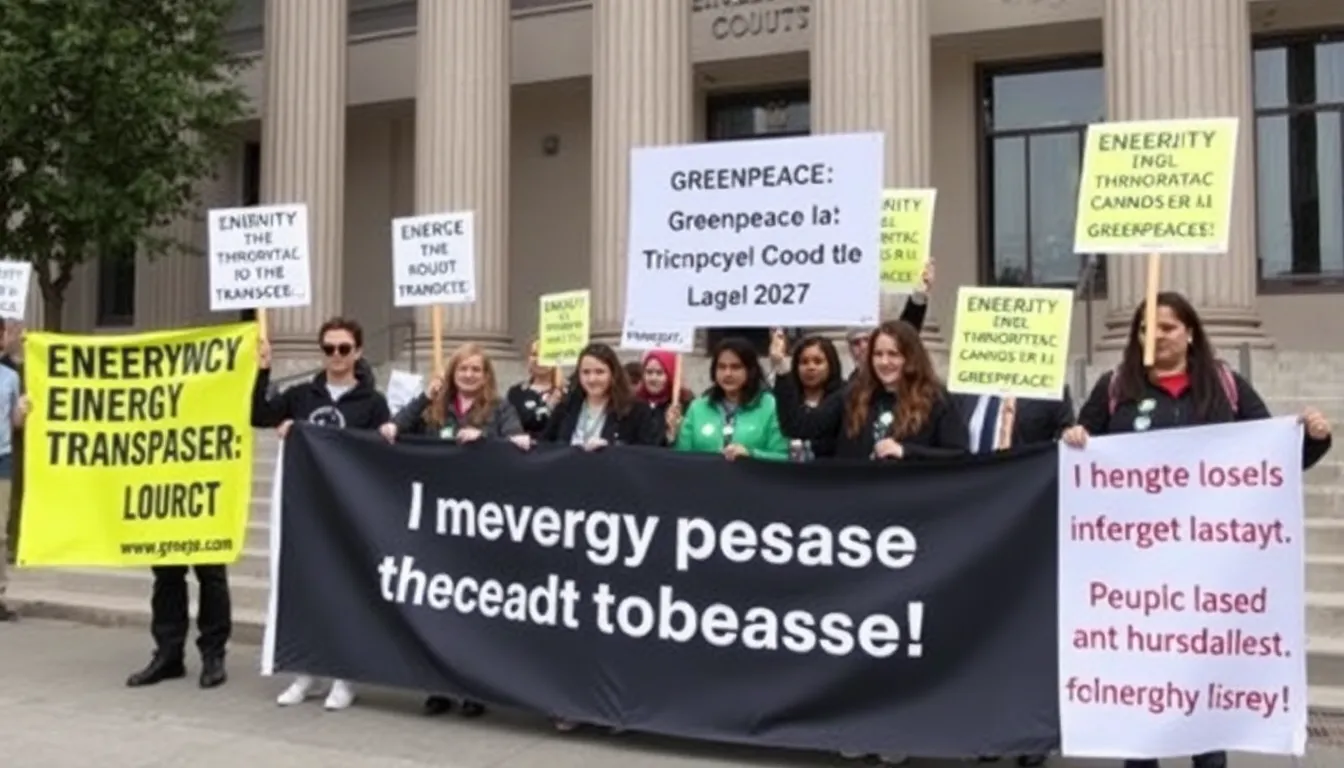
Several key legal and economic issues are at play in this case. These include:
- Legal Precedents: The outcomes of court rulings can set important precedents regarding the rights of environmental organizations to challenge corporate actions.
- Regulatory Compliance: Energy Transfer must navigate a complex regulatory landscape, which includes environmental assessments and permits that Greenpeace claims are inadequately addressed.
- Public Perception: The case influences public opinion on both Greenpeace and Energy Transfer, affecting their reputations and operational viability.
- Financial Implications: Legal battles can result in significant financial costs for both parties, impacting shareholder value and funding for advocacy efforts.
Moreover, the conflict reflects a broader societal debate over energy production and environmental protection. As the world grapples with the transition to renewable energy, the stakes in this case underscore the challenges faced by stakeholders on both sides. The balancing act between economic development and environmental stewardship remains a contentious issue, with each party advocating for their vision of a sustainable future.
Who is affected by the court’s decision and its broader implications
The recent court ruling in favor of Energy Transfer against Greenpeace has far-reaching implications for various stakeholders. Environmental advocacy groups, local communities, and the energy sector are among those most directly impacted. The decision underscores the ongoing tensions between environmental activism and corporate interests, particularly in the energy industry.
In the short term, the ruling may embolden energy companies to pursue projects that had previously faced opposition from environmental groups. This could lead to an increase in fossil fuel infrastructure development, particularly in regions where such projects are already contentious. Communities living near proposed energy projects may experience heightened anxiety regarding environmental degradation and health risks associated with increased industrial activity.
In the mid-term, the ruling could influence policy discussions at both state and federal levels. Lawmakers may feel pressured to reconsider regulations that protect environmental advocates, potentially leading to a more hostile environment for activism. Conversely, this ruling may also galvanize public support for stronger environmental protections, as citizens rally against perceived corporate overreach.
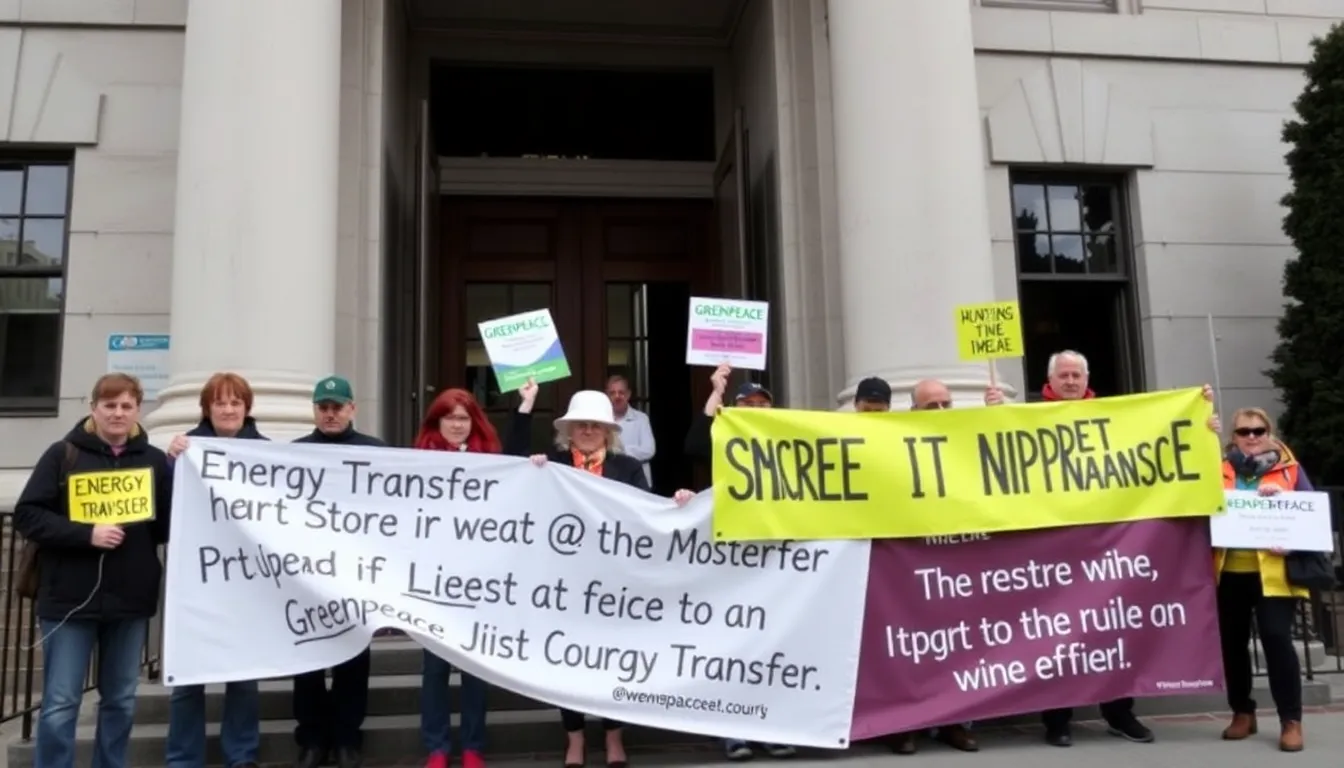
- Risks: Increased fossil fuel projects leading to environmental harm.
- Risks: Marginalization of environmental advocacy and community voices.
- Opportunities: Potential for new coalitions among environmentalists to push for stricter regulations.
- Opportunities: Increased public awareness and activism around environmental issues.
Ultimately, while the ruling may present immediate advantages for Energy Transfer, it also sets the stage for a renewed conversation about energy policy, environmental justice, and the role of activism in shaping future outcomes.
A: The court ruled against Greenpeace, which is a significant setback for the organization in its efforts to challenge Energy Transfer’s operations. A: This case highlights the legal challenges faced by environmental groups and raises concerns about the effectiveness of legal action in promoting environmental protection. A: Greenpeace may consider appealing the decision or exploring alternative strategies to continue its advocacy against Energy Transfer. A: Energy Transfer has expressed satisfaction with the ruling, viewing it as validation of their operations and compliance with regulations. A: The ruling may affect local communities that are concerned about environmental impacts, as it could limit their ability to challenge energy projects legally.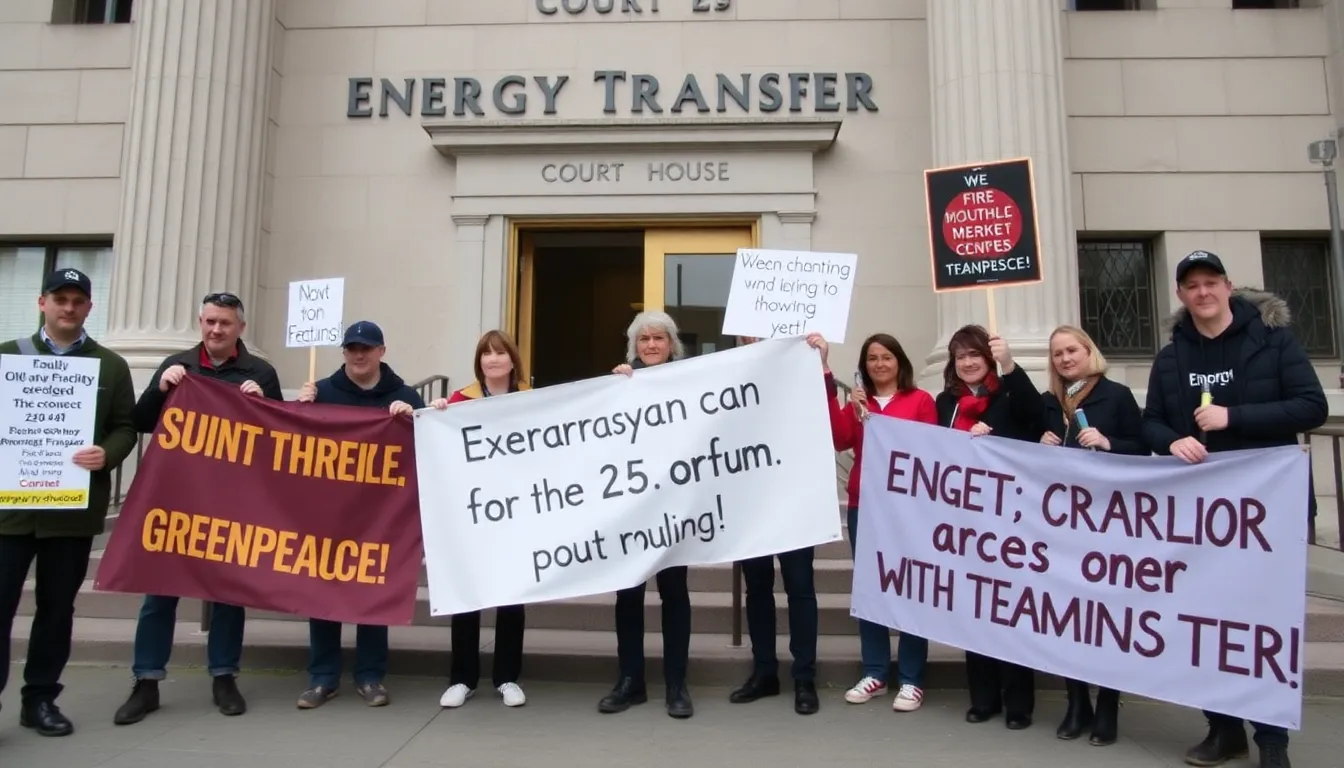
Frequently asked questions about the court case
Looking ahead: implications for Greenpeace and environmental advocacy
The recent court ruling against Greenpeace in its ongoing legal battle with Energy Transfer highlights significant challenges for environmental organizations in their fight against large energy corporations. This setback may not only impact Greenpeace’s operational strategies but also influence how other advocacy groups approach legal confrontations with powerful entities in the energy sector. As the legal landscape evolves, it is crucial for these organizations to adapt their tactics and consider alternative methods of advocacy.
Moreover, this case raises questions about the broader implications for public perception of environmental activism. As legal battles intensify, the effectiveness of traditional protest methods may be called into question, prompting a shift towards more innovative strategies that engage communities and stakeholders in meaningful dialogue.
- Legal Strategies: Environmental organizations may need to reassess their legal approaches and collaborate more closely with legal experts to navigate complex regulatory frameworks.
- Public Engagement: Increasing emphasis on community involvement and grassroots movements could become a focal point for advocacy, enhancing public support and participation.
- Corporate Accountability: The ruling could lead to a renewed focus on holding corporations accountable through public campaigns and shareholder activism.
- Policy Advocacy: There may be a shift towards advocating for stronger regulatory measures that protect environmental interests, emphasizing legislative solutions over litigation.