
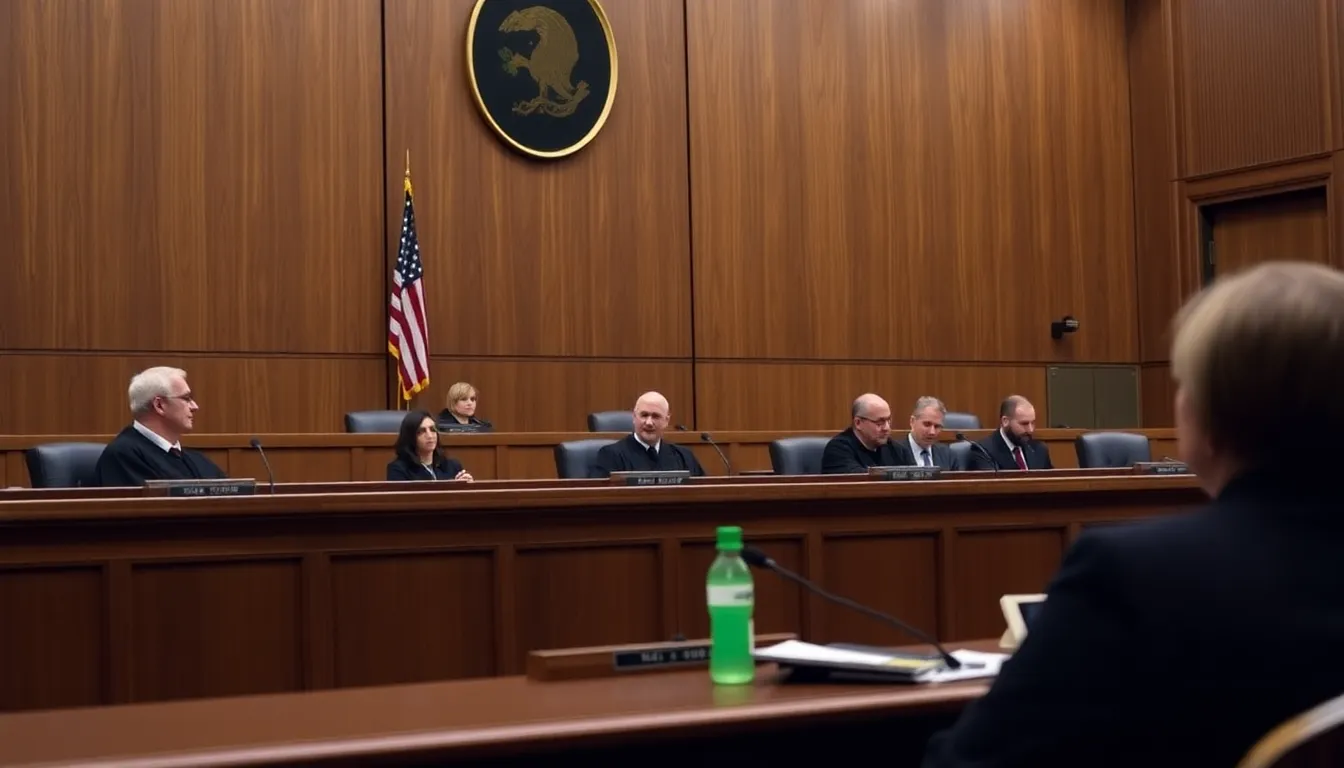
During the proceedings, which took place on November 1, 2023, attorneys representing both sides presented their arguments. The plaintiffs, individuals who allege that Roundup caused their cancer, argue that the product’s manufacturer, Bayer, failed to adequately warn consumers about its potential risks. Conversely, Bayer maintains that extensive studies have shown glyphosate to be safe when used as directed. For more insights into similar legal cases, you can check articles on related legal disputes.
This case is particularly critical as it may set a precedent for how similar lawsuits are handled in the future. A ruling against Bayer could lead to significant financial liabilities and further scrutiny of glyphosate-based products. On the other hand, a decision in favor of the company may bolster its position amid ongoing litigation from thousands of other claimants. The implications of this case may also connect with issues surrounding food security, as agricultural practices could be impacted.
The justices’ deliberations reflect a broader societal debate over chemical safety and regulatory standards. As the agricultural sector increasingly relies on herbicides like Roundup, the outcome of this case could impact farming practices and consumer confidence in food safety. The court is expected to issue its ruling in the coming months, a decision that will resonate across multiple sectors, similar to the recent happenings in the world of competitive gaming.
Background on Roundup and its legal challenges
Roundup, a widely used herbicide produced by Bayer AG, has been at the center of legal controversies since the early 2000s. Initially introduced in the 1970s, Roundup contains glyphosate, a chemical that has been linked to various health concerns, including cancer. The controversy intensified after the International Agency for Research on Cancer (IARC), a part of the World Health Organization, classified glyphosate as “probably carcinogenic in humans” in 2015. This classification sparked a wave of lawsuits from individuals claiming that their cancers were caused by exposure to the herbicide.
The legal landscape surrounding Roundup has evolved significantly over the past few years. In 2018, a landmark case resulted in a jury awarding $289 million to a former school groundskeeper who developed terminal cancer after years of using Roundup. This verdict set a precedent and prompted thousands of similar lawsuits against Bayer, leading to growing scrutiny of the herbicide’s safety and regulatory approval processes.
In response to the mounting legal challenges, Bayer announced a $10 billion settlement in 2020 to resolve around 125,000 claims related to Roundup. However, the settlement did not end the legal battles, as new cases continue to emerge and the scientific debate over glyphosate’s safety persists. The company has faced criticism for its handling of the herbicide’s risks and the transparency of its research.
Political and Regulatory Context
The political and regulatory environment surrounding glyphosate has also played a crucial role in the ongoing debate. Various countries have implemented bans or restrictions on glyphosate, while others, including the United States, have continued to allow its use. The divergence in regulatory approaches highlights the complexities of balancing agricultural needs with public health concerns. As the Supreme Court hears arguments related to Roundup, the implications of its decision could resonate throughout the agricultural industry and influence future regulatory policies.
Key stakeholders and issues at play in the case
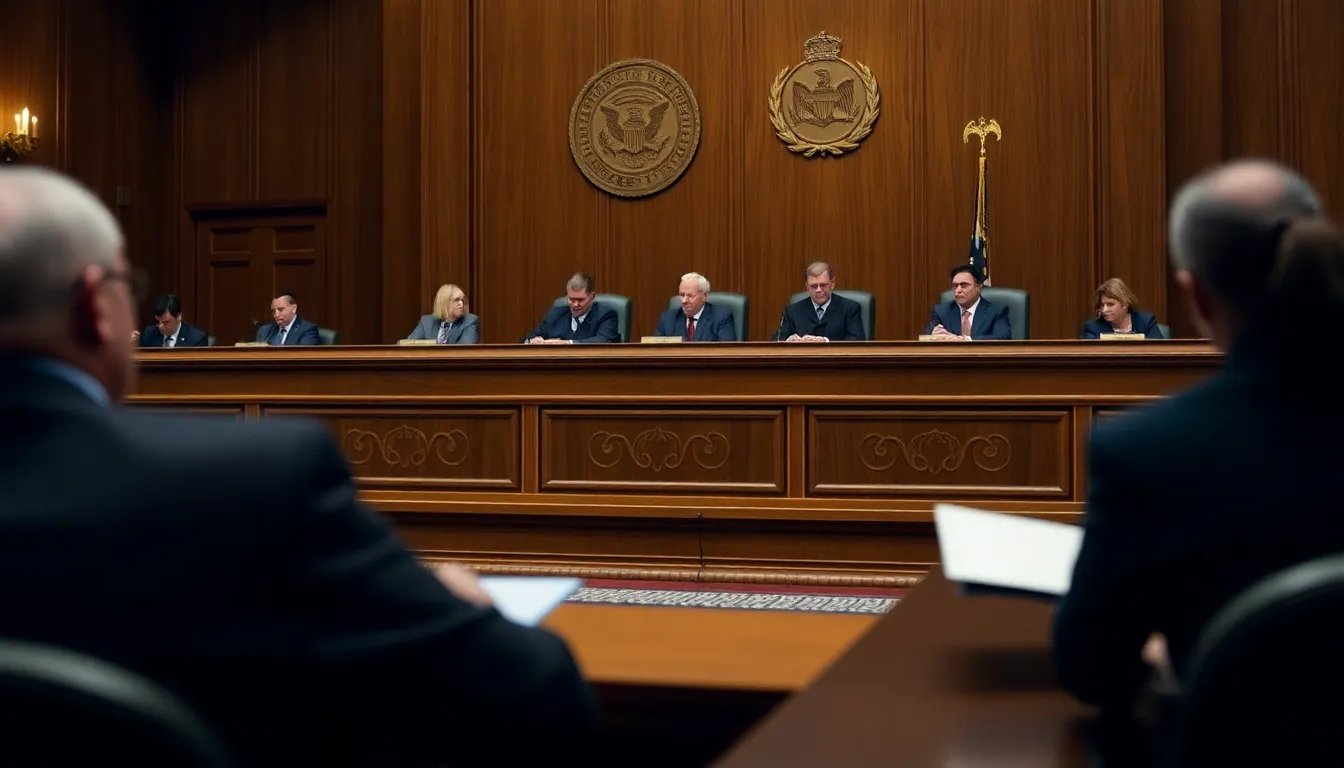
The ongoing Supreme Court case regarding Roundup weedkiller has drawn significant attention from various stakeholders, each with their own interests and concerns. The primary actors include the agricultural industry, environmental advocacy groups, consumers, and government regulatory bodies. Understanding their positions is crucial to grasping the complexities surrounding this legal dispute.
At the forefront is Bayer AG, the manufacturer of Roundup, which has faced numerous lawsuits alleging that its product causes cancer. Bayer’s interest lies in defending its product and maintaining its market position, as a ruling against Roundup could lead to substantial financial liabilities and impact its reputation. In contrast, plaintiffs, including farmers and consumers who have allegedly suffered health consequences, seek justice and compensation, emphasizing the need for accountability in the face of potential health risks.
Environmental organizations are also significant stakeholders in this case. They advocate for stricter regulations on pesticides and herbicides, arguing that the long-term effects of chemical exposure on human health and ecosystems must be prioritized. Their involvement highlights the broader implications of the case, particularly concerning public health and environmental safety.
- Legal Precedents: The case may set important legal precedents regarding liability and the standards for proving causation in similar lawsuits.
- Regulatory Implications: A ruling could influence future regulations on pesticide use and safety assessments conducted by government agencies.
- Economic Impact: The outcome may affect the agricultural sector’s practices and the economic viability of certain crops reliant on herbicides.
- Public Perception: The case could shift public opinion on the safety of chemical products and the accountability of large corporations.
As the Supreme Court hears arguments, the division among justices reflects the complexity of balancing economic interests with health and environmental concerns. The resolution of this case will not only impact the stakeholders directly involved but will also resonate throughout the agricultural and regulatory landscapes for years to come.
Potential impact on farmers and consumers
The ongoing Supreme Court case regarding Roundup weedkiller has significant implications for various stakeholders, particularly farmers and consumers. The decision could reshape agricultural practices, affecting how crops are grown and maintained across the country. Farmers who rely on glyphosate-based herbicides may face uncertainty in their operations, potentially leading to shifts in crop yields and farming costs.
In the short term, farmers may experience immediate disruptions as they await the court’s ruling. This uncertainty can lead to hesitancy in purchasing supplies, impacting the agricultural supply chain. Additionally, consumers could see fluctuations in food prices as farmers adjust their practices in response to the ruling. Areas heavily dependent on agriculture, such as the Midwest, may feel the brunt of these changes.
In the mid-term, the ruling could prompt changes in policy and regulations surrounding pesticide use. If the court sides with plaintiffs claiming health risks associated with Roundup, it may lead to stricter regulations on glyphosate. This could create opportunities for the development and adoption of alternative weed control methods, potentially benefiting companies focused on sustainable agricultural practices.
- Farmers may need to diversify their weed management strategies.
- Increased food prices could affect consumers’ purchasing power.
- Potential growth in the market for organic and non-GMO products.
- Innovation in agricultural technology could be accelerated.
However, there are risks involved. Farmers may struggle with increased costs associated with switching to alternative products, which could lead to reduced profit margins. Additionally, if consumer demand shifts significantly towards organic products, conventional farmers may need to adapt quickly to stay competitive in the market.
A: The main issue revolves around whether Roundup, which contains glyphosate, is safe for use and whether its manufacturer should be held liable for alleged health risks. A: The Supreme Court is involved because lower court rulings have varied significantly, leading to a need for a definitive interpretation of the law regarding product liability. A: The decision could set a precedent for future cases involving agricultural products and could impact regulations surrounding pesticide use. A: The main parties include the plaintiffs, who claim health issues due to Roundup, and the manufacturer, Bayer, which defends the product’s safety. A: Farmers who rely on glyphosate-based products may face uncertainty regarding their use and potential legal liabilities depending on the court’s ruling.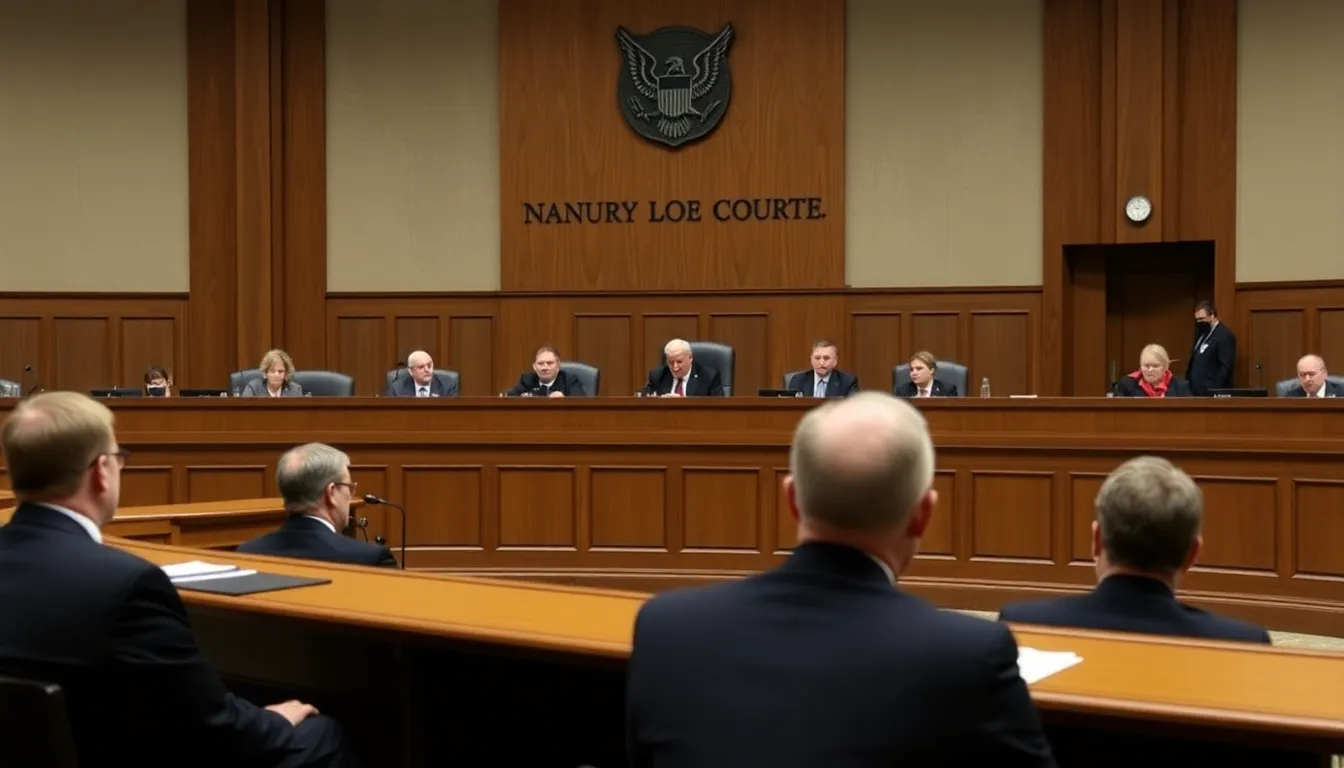
Frequently asked questions about the case
Future implications and key takeaways from the case
The Supreme Court’s deliberations on the Roundup weedkiller case signal a pivotal moment for both agricultural practices and public health policy. As the justices grapple with the evidence surrounding glyphosate’s safety and its potential link to cancer, the outcome may set important precedents for how similar cases are handled in the future. Observers are keenly watching how the court balances scientific evidence with public concern, which could reshape regulatory frameworks and liability standards.
This case not only affects the agricultural sector but also has broader implications for consumer safety and corporate accountability. The decision could influence how companies approach product safety testing and the transparency of their findings, ultimately affecting consumer trust and market dynamics.
- Watch for potential changes in regulatory policies regarding pesticide use, which could impact agricultural practices nationwide.
- The court’s ruling may lead to increased scrutiny of chemical products and their safety assessments, prompting companies to adopt more rigorous testing protocols.
- Consumer advocacy groups may gain momentum in pushing for clearer labeling and more transparency in product safety information.
- The case could set a precedent for future litigation involving agricultural chemicals, influencing the legal landscape for years to come.
- Stakeholders in the agricultural supply chain should prepare for possible shifts in market demand based on consumer perceptions of safety and environmental impact.