
The conversation around male affection has gained traction, especially since the pandemic, which has prompted many to reconsider their relationships and emotional well-being. Studies indicate that men often struggle with expressing vulnerability due to societal expectations, leading to a fear of being perceived as “too soft” or “cuddly.” This fear can hinder their ability to form deep connections with others, impacting mental health and overall satisfaction in relationships. For more insights on how these dynamics influence public figures, read about Matthew Rhys’ reflections.
As public figures like Dyer embrace more tender representations of masculinity, there is potential for a cultural shift. In 2021, the release of various films and shows featuring sensitive male characters has sparked discussions on the importance of emotional intelligence and affection in men. The portrayal of diverse male experiences in media is crucial for challenging stereotypes and encouraging men to express their feelings openly, similar to the recent cultural observations noted in Zayn Malik’s situation.
This evolving narrative is particularly significant in light of increasing mental health awareness. Organizations and campaigns aimed at promoting emotional well-being among men emphasize the importance of breaking down barriers to affection. As more men speak out about their struggles with vulnerability, the hope is that it will foster a more supportive environment where affection is normalized, rather than stigmatized.
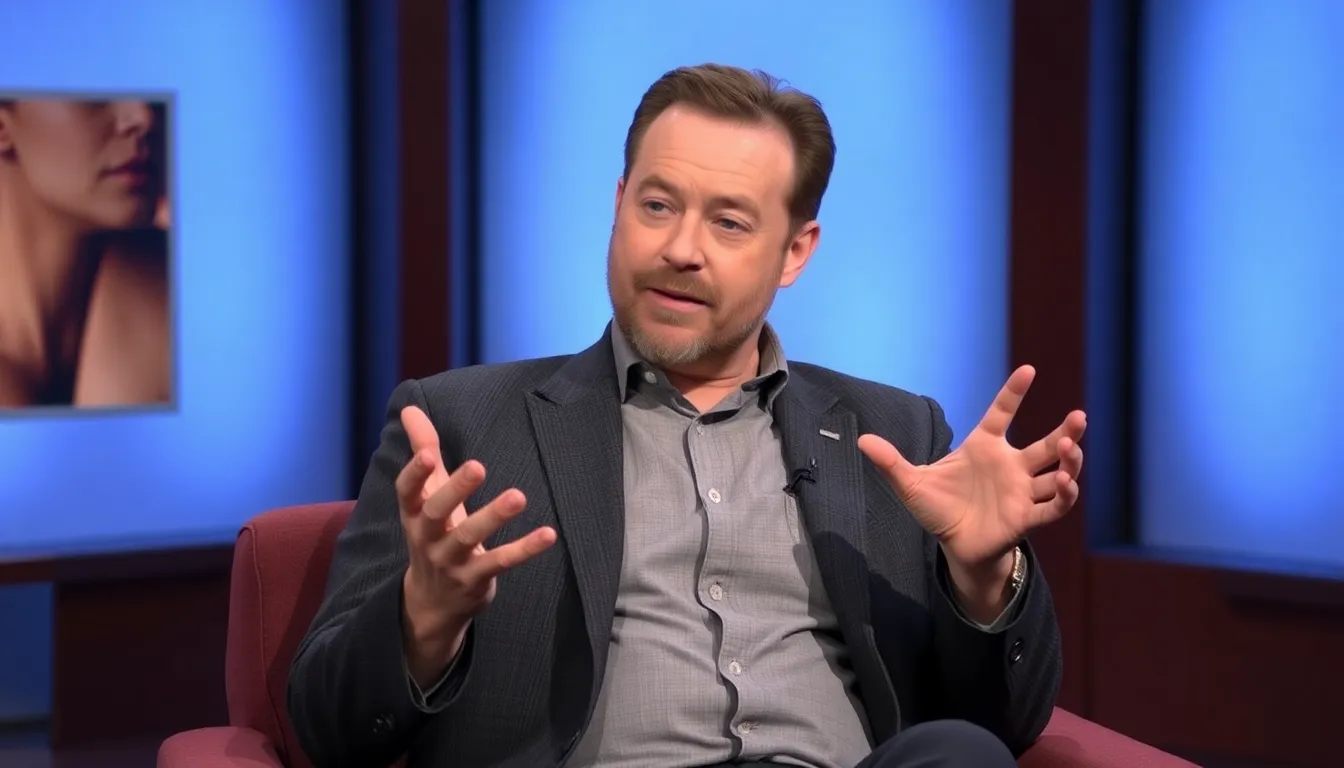
The evolution of Danny Dyer’s career and public image
Danny Dyer, once primarily known for his roles as tough, gritty characters in British cinema, has undergone a significant transformation in both his career and public persona. Historically, Dyer emerged in the early 2000s, becoming synonymous with the ‘hardman’ archetype in films such as “The Football Factory” and “Green Street.” This image resonated with audiences who were drawn to the raw, unfiltered representation of masculinity that Dyer embodied. However, as societal norms around masculinity have evolved, so too has Dyer’s approach to his roles and public image.
The changing landscape of masculinity has been influenced by broader cultural shifts, particularly in the wake of movements advocating for emotional openness and vulnerability among men. The rise of social media and platforms that promote mental health awareness have contributed to a re-evaluation of what it means to be a man in contemporary society. Dyer’s recent transition to more affectionate and emotionally nuanced roles, such as in the television series “Rivals,” reflects this shift, as he embraces a more heart-throb persona that contrasts sharply with his earlier hardman image.
Key milestones in the evolution of masculinity
Several key milestones have shaped this evolution. The late 20th century saw the emergence of the ‘new man’ concept, challenging traditional notions of masculinity and advocating for sensitivity and emotional expression. The 2000s brought further scrutiny of toxic masculinity, with movements like #MeToo prompting men to reflect on their behaviors and attitudes. Dyer’s acknowledgment of the fear many men have of being perceived as overly affectionate speaks to this larger societal conversation, highlighting the ongoing struggle between traditional masculinity and the modern expectations of vulnerability.
As Dyer navigates this complex landscape, his journey serves as a microcosm of the broader societal changes regarding male identity. His willingness to embrace a more multifaceted portrayal of masculinity not only enhances his career but also invites audiences to reconsider their perceptions of what it means to be a man today. In doing so, Dyer becomes a figure of both entertainment and social commentary, illustrating the ongoing evolution of masculinity in the public eye. Similar journeys are reflected in other media narratives that challenge traditional roles.
The societal pressures on men regarding emotional expression
In contemporary society, there is a growing discourse surrounding the expectations placed on men regarding their emotional expression. The traditional image of masculinity often promotes stoicism, strength, and emotional restraint, which can lead to significant psychological stress for many men. This pressure is exemplified in the comments made by actor Danny Dyer, who reflects on the transformation from being perceived as a hardman to embracing a more affectionate persona in his work.
Key stakeholders in this conversation include men themselves, mental health organizations, and the entertainment industry. Men, particularly those in the public eye, face the challenge of navigating societal norms that often discourage vulnerability. Mental health organizations advocate for the breakdown of these stereotypes, emphasizing the importance of emotional expression for overall well-being. Meanwhile, the entertainment industry plays a crucial role in shaping public perceptions of masculinity through the characters and narratives it promotes.
Conflicts arise when the traditional expectations of masculinity clash with the evolving understanding of emotional health. Many men may feel torn between societal expectations and their personal desire for connection and affection. This internal conflict can lead to a range of issues, including increased anxiety, depression, and a reluctance to seek help. Furthermore, there is a legal and economic dimension to this issue, as workplaces increasingly recognize the importance of mental health support and the need for inclusive environments that allow for emotional expression.
- Stigma around vulnerability: Many men fear being judged or ridiculed for showing affection.
- Changing narratives in media: The portrayal of men in films and television is slowly evolving, encouraging a broader acceptance of emotional expression.
- Impact on mental health: The pressure to conform to traditional masculine ideals can lead to serious mental health issues.
- Workplace dynamics: Organizations are beginning to implement policies that support emotional well-being among male employees.
- Community support: Initiatives aimed at fostering open discussions about masculinity and emotion are gaining traction.
As society continues to grapple with these issues, it is essential to foster an environment where men feel safe to express their emotions without fear of judgment. The dialogue initiated by figures like Danny Dyer highlights the need for a cultural shift that embraces a more nuanced understanding of masculinity, one that values emotional connection as a strength rather than a weakness.
How Dyer’s role may influence perceptions of masculinity
The portrayal of masculinity in media has long been a topic of discussion, and Danny Dyer’s transition from a hardman to a heart-throb in his latest role is likely to impact various groups and industries. Audiences, particularly young men, may find themselves reassessing traditional notions of masculinity, which could lead to a cultural shift in how affection and vulnerability are viewed.
This shift may resonate particularly within the entertainment industry, where casting choices and character development could evolve. Filmmakers and producers might be encouraged to create more nuanced male characters who embrace emotional depth, potentially leading to a broader range of stories that reflect contemporary societal values.
On a societal level, the impact could extend to educational institutions and parenting practices. As young boys and men witness more affectionate male role models, there may be a gradual acceptance of emotional expression, which could foster healthier relationships and communication styles. However, there are risks involved, such as backlash from traditionalists who may view this shift as a threat to established norms.
- Short-term impacts: Increased discussions around masculinity and emotional expression.
- Mid-term impacts: Potential changes in media representation and character development.
- Risks: Resistance from conservative groups and potential backlash against more progressive portrayals.
- Opportunities: New markets for content that explores diverse male experiences and emotional narratives.
In conclusion, as Dyer’s role challenges conventional masculinity, it opens up avenues for dialogue and change across various sectors, while also highlighting the complexities of evolving gender norms in modern society.
Frequently asked questions about Danny Dyer’s insights
A: Dyer suggests that societal norms often discourage men from showing vulnerability, leading to a fear of being perceived as weak when expressing affection.
A: His portrayal of a more sensitive character challenges traditional stereotypes, potentially encouraging men to embrace their emotional side.
A: Dyer’s insights highlight the need for a cultural shift towards accepting emotional expression in men, which can lead to healthier relationships.
A: While many men may resonate with Dyer’s views, there remains a significant portion of society that still adheres to traditional masculine ideals.
Key takeaways on masculinity and vulnerability
The evolution of Danny Dyer from a traditional hardman persona to a more affectionate and emotionally open character in ‘Rivals’ reflects a broader societal shift regarding masculinity. This transformation highlights the ongoing conversation about the importance of vulnerability in men and the potential for a more nuanced understanding of masculinity that embraces emotional expression.
As society continues to challenge outdated stereotypes, it is essential to recognize the implications of these changes for future generations. Encouraging emotional openness among men can foster healthier relationships and contribute to overall well-being, both individually and collectively.
- Men are increasingly seeking to redefine their identities beyond traditional stereotypes, embracing vulnerability as a strength.
- Media representations, like Dyer’s role, play a crucial role in normalizing affectionate behavior among men.
- Encouraging discussions around masculinity can help dismantle harmful norms and promote emotional intelligence.
- Future narratives in film and television may continue to explore the complexities of male emotions, influencing public perception.
- Support systems that promote emotional expression can lead to improved mental health outcomes for men.