
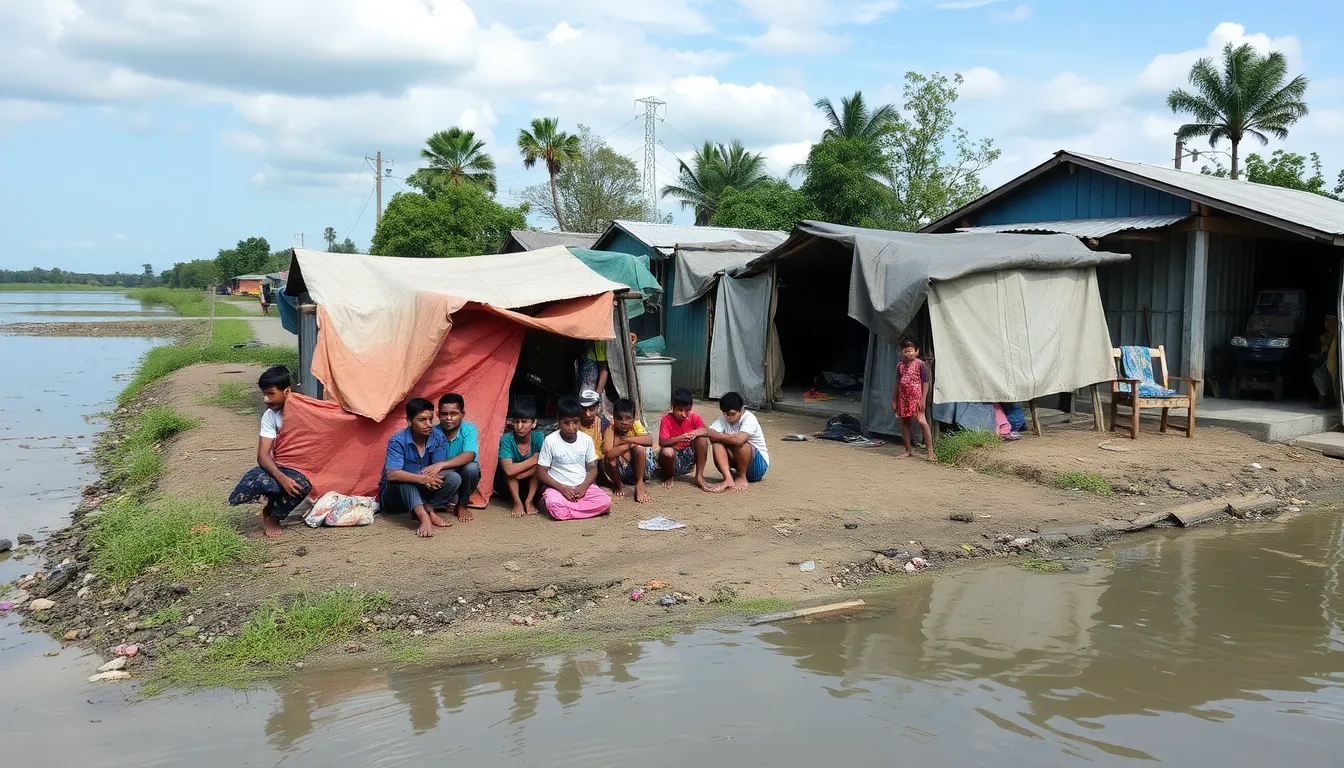
The situation escalated after a report from the Environmental Protection Agency (EPA) in September 2023 confirmed elevated levels of toxic substances in the river. The report indicated that heavy metals and chemical pollutants were entering the water system, prompting officials to issue a public health advisory. This has left families with little choice but to evacuate their homes, fearing for their health and safety. For more about the impact of pollution on communities, you can read about the legacy of environmental changes.
Local authorities, including the Riverton City Council, have been criticized for their slow response to the crisis. While some measures have been taken to address the pollution, such as increasing monitoring and imposing fines on offending industries, families argue that these actions are insufficient. Many residents are calling for immediate assistance and a comprehensive cleanup plan to restore the river and their homes.
The plight of these families highlights a growing concern over environmental justice and the impact of industrial activities on vulnerable communities. As the situation continues to unfold, activists and residents are demanding accountability from both local government and industries responsible for the pollution. The outcome of this crisis could set a precedent for future environmental regulations and community rights in Riverton and beyond. For a deeper dive into similar issues, check out this article.
Understanding the causes of river pollution in local communities
River pollution has been a growing concern for many communities worldwide, particularly in regions where industrialization and urbanization have outpaced environmental regulations. Historically, rivers have served as vital resources for drinking water, agriculture, and transportation. However, the rapid expansion of factories and urban areas has led to the discharge of untreated waste into these waterways, severely affecting their quality and the health of local populations.
In many cases, the roots of river pollution can be traced back to lax environmental policies and insufficient enforcement of existing regulations. For instance, during the mid-20th century, economic growth took precedence over environmental protection in numerous countries. This resulted in industries prioritizing profit over sustainability, leading to the dumping of hazardous materials into rivers. Political decisions often favored economic development, leaving communities vulnerable to pollution and its associated risks. To understand more about the intersection of technology and ethics in environmental issues, read about AI bots and scientific responsibilities.
Key milestones in river pollution awareness
The awareness of river pollution as a serious issue began to gain traction in the late 1960s and early 1970s, particularly in the United States with the establishment of the Clean Water Act in 1972. This landmark legislation aimed to restore and maintain the integrity of the nation’s waters by regulating pollutant discharges. Similar movements emerged globally, prompting many countries to adopt stricter environmental laws and practices. However, despite these advances, many regions still face significant challenges due to inadequate infrastructure and ongoing industrial discharges.
Socially, the impact of river pollution has led to displacement and health crises in affected communities. Families often find themselves living in makeshift shelters or sheds as they flee contaminated areas, highlighting the urgent need for comprehensive solutions. Grassroots organizations have emerged to advocate for cleaner waterways, raising awareness and pushing for policy changes. Their efforts underscore the importance of community involvement in addressing environmental issues and holding industries accountable for their impact on local ecosystems.
Key stakeholders involved in the river pollution crisis
The river pollution crisis has brought together a diverse group of stakeholders, each with their own interests and concerns. Local residents, environmental organizations, government agencies, and industrial businesses are at the forefront of this issue. Their interactions highlight the complexity of the situation and the various conflicts that arise from competing interests.
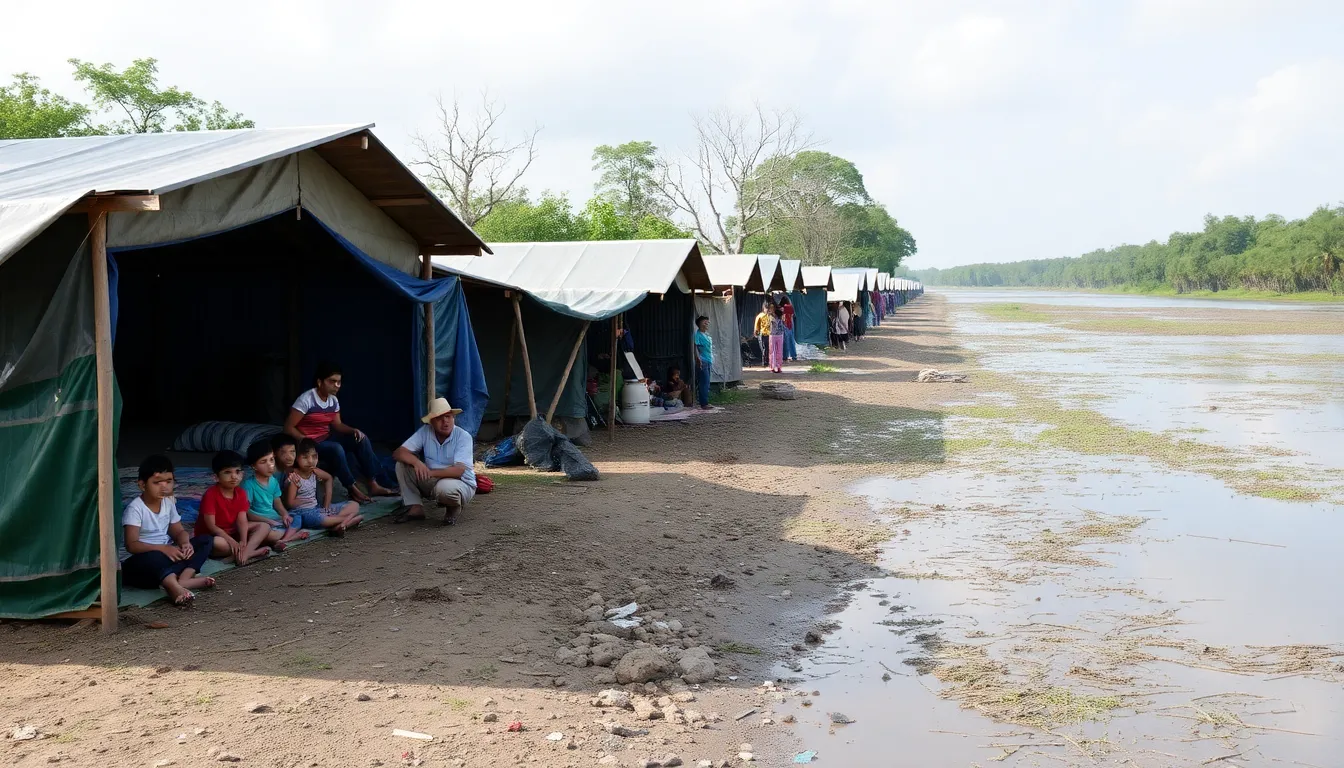
Local residents, particularly those who have been displaced and are now living in makeshift shelters, are deeply affected by the pollution. Their primary interest lies in securing safe living conditions and restoring the health of the river, which is crucial for their livelihoods and well-being. They advocate for immediate action from authorities to address the pollution and provide necessary support.
Environmental organizations play a critical role in raising awareness about the pollution’s impact on ecosystems and public health. They often conduct research and advocate for stricter regulations on industrial waste disposal. Their interests align with the need for sustainable practices and the protection of natural resources, but they may face opposition from businesses that prioritize economic gain over environmental concerns.
Government agencies are tasked with regulating pollution and ensuring public safety. They must balance the interests of residents and environmental groups with those of local industries. This often results in trade-offs, such as the potential loss of jobs if strict regulations are enforced. Additionally, legal issues surrounding liability for pollution and enforcement of environmental laws complicate the situation further.
- Local residents demand immediate remediation and compensation for their losses.
- Environmental organizations seek to hold polluters accountable and promote sustainable practices.
- Government agencies face pressure to enforce regulations while considering economic implications.
- Industries argue for leniency in regulations to maintain operational viability.
- Legal battles may arise over accountability and the extent of damages caused by pollution.
The impact of river pollution on affected families and local economies
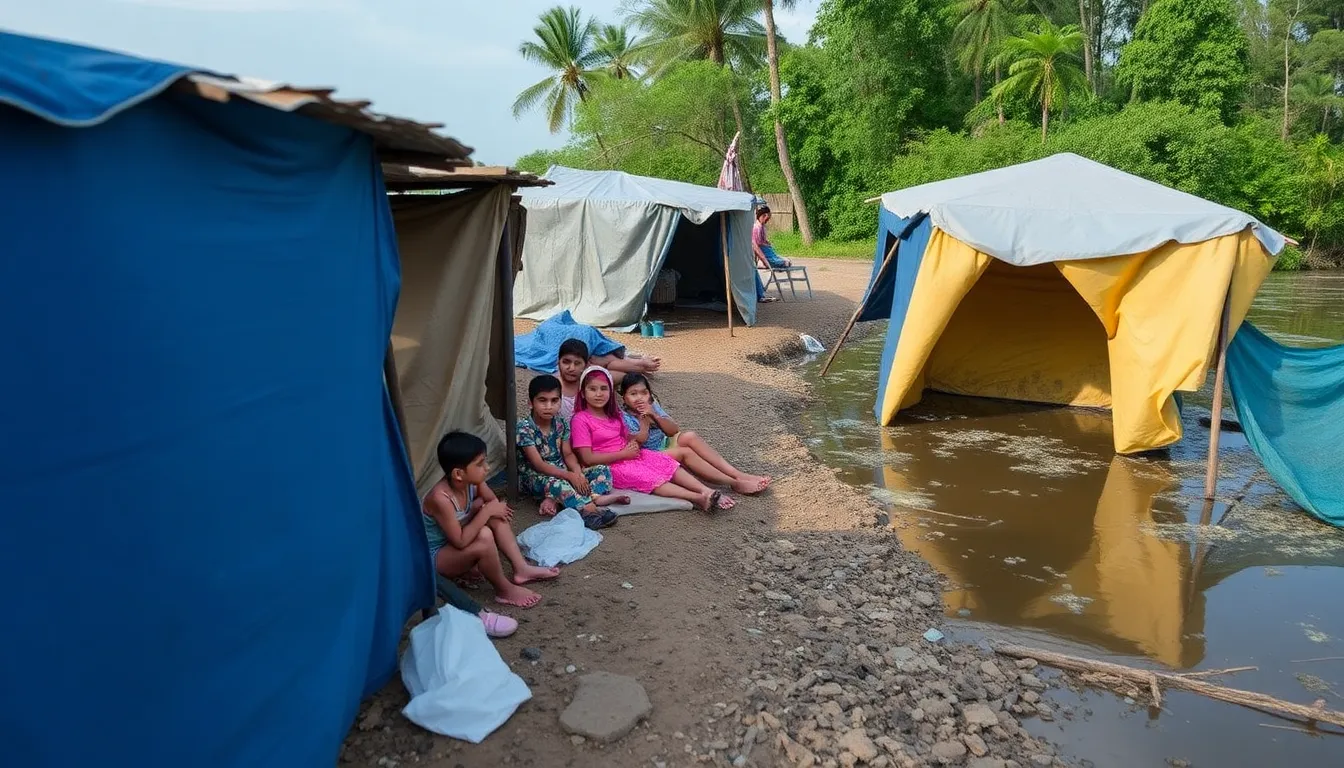
River pollution has far-reaching consequences, impacting various groups, industries, and regions. Families living near contaminated waterways face the most immediate threats, often forced to abandon their homes due to health risks and environmental degradation. These families, particularly those in lower-income neighborhoods, experience heightened vulnerability as they grapple with the loss of their primary source of livelihood and community stability.
Local economies are significantly affected as businesses that rely on clean water, such as fishing, tourism, and agriculture, suffer declines. Fishermen find their catch dwindling or contaminated, while farmers face challenges in irrigation and crop production. Additionally, tourism hotspots near polluted rivers see a drop in visitors, leading to reduced income for local businesses and job losses.
- Health risks for families and communities.
- Decline in local businesses reliant on clean water.
- Increased costs for water treatment and infrastructure repair.
- Potential for policy changes and environmental regulations.
In the short term, affected families may struggle with immediate needs such as housing, healthcare, and food security. The emotional toll of displacement and uncertainty can lead to increased stress and mental health issues. Mid-term impacts may include a shift in local demographics as families relocate, potentially leading to a decline in community cohesion and cultural identity.
However, this crisis also presents opportunities for policy reform and environmental restoration initiatives. Increased public awareness can drive demand for cleaner water practices and sustainable business models. Local governments may be prompted to invest in green infrastructure and stricter pollution controls, ultimately benefiting future generations and fostering economic resilience.
A: The main causes of river pollution include industrial waste discharge, agricultural runoff, and inadequate waste management systems. A: River pollution can lead to health issues, loss of livelihoods, and displacement of families, forcing them to seek alternative living arrangements. A: Measures include stricter regulations on waste disposal, community clean-up initiatives, and investment in sustainable agricultural practices. A: Yes, various NGOs and government programs provide assistance, including temporary housing and financial aid for affected families. A: Individuals can help by participating in local clean-up events, reducing plastic use, and advocating for better environmental policies.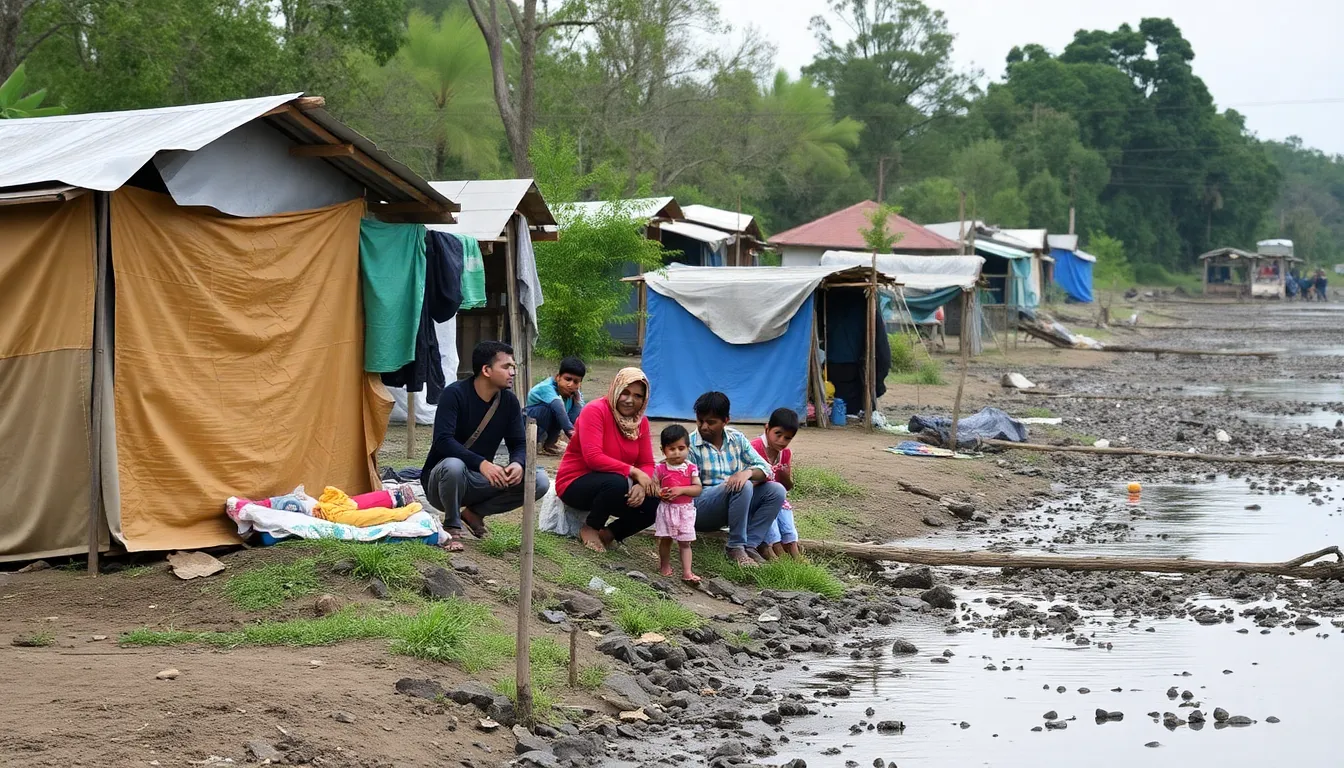
Frequently Asked Questions about river pollution and living conditions
Looking ahead: solutions and future prospects for affected communities
The ongoing crisis of river pollution has forced many communities into precarious living situations, highlighting the urgent need for effective solutions and sustainable practices. As awareness grows, there is potential for positive change through community engagement, policy reform, and technological innovation. Addressing these challenges not only requires immediate action but also long-term planning to ensure the health and safety of affected populations.
Future efforts must focus on collaboration between local governments, environmental organizations, and community members. By fostering dialogue and implementing targeted interventions, it is possible to restore both the environment and the livelihoods of those impacted by pollution. The path forward will demand resilience and adaptability, but it also presents an opportunity to build stronger, more sustainable communities.
- Community Mobilization: Engaging local residents in advocacy and cleanup efforts can empower them and promote awareness of pollution issues.
- Policy Reform: Advocating for stricter regulations on industrial discharges and better enforcement can help mitigate future pollution.
- Investment in Technology: Supporting innovations in water treatment and pollution monitoring can enhance the ability to respond to environmental challenges.
- Education and Awareness: Raising awareness about the impacts of pollution can foster a culture of environmental stewardship among residents.
- Long-term Planning: Developing comprehensive strategies for sustainable land and water use will be crucial for the resilience of affected communities.