
Major players in the drone industry, such as DJI, have expressed concerns about the implications for their business operations and the potential loss of market access in one of the world’s largest tech hubs.
Authorities have emphasized that the ban is temporary, with plans to review the situation in the coming months. However, the decision has raised alarms among industry experts and stakeholders who fear that it may set a precedent for stricter controls nationwide. The implications of this ban extend beyond commercial interests, potentially affecting recreational users and hobbyists as well.
As China continues to navigate the balance between technological advancement and security, the drone sales ban in Beijing highlights the complexities of regulating emerging technologies in densely populated urban environments. The global community is watching closely, as similar measures could emerge in other countries facing comparable security challenges.
The historical context of drone regulations in China
China’s journey into the realm of drone technology began in the early 2000s when the government recognized the potential of unmanned aerial vehicles (UAVs) for both commercial and military applications. Initially, the focus was on developing drones for agricultural purposes, surveillance, and border control. As the technology evolved, so did its applications, leading to an increase in both domestic production and international sales.
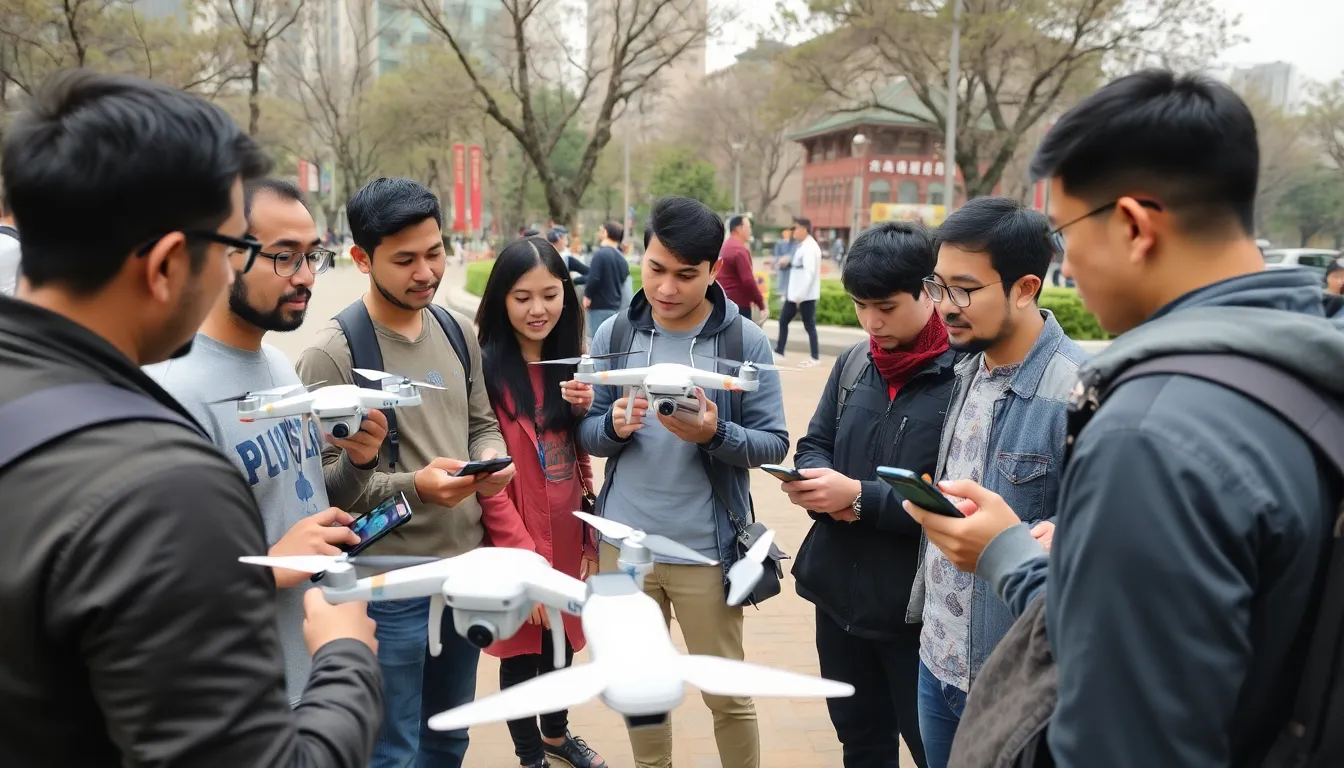
These regulations were aimed at ensuring that drone operations adhered to safety standards and did not compromise public security, a factor that resembles the scrutiny faced by emerging technologies.
Political and social implications of drone usage
The political landscape in China has also influenced drone regulations. The government’s emphasis on maintaining social stability and control over information has led to heightened scrutiny of technologies that could potentially be used for dissent or unauthorized surveillance. As drones became more accessible to the public, fears about their misuse for protests or illegal activities grew, prompting authorities to tighten restrictions.
In recent years, the Chinese government has taken a more proactive approach to regulating drone sales, particularly in urban areas like Beijing. This is part of a broader strategy to enhance public safety and control technological advancements that could pose risks to national security. The decision to ban drone sales in the capital reflects a culmination of historical events, political considerations, and the evolving landscape of technology in China.
Key stakeholders and issues surrounding the drone sales ban
The recent ban on drone sales in Beijing has created a complex landscape involving multiple stakeholders, each with distinct interests and concerns. The primary actors include the Chinese government, drone manufacturers, consumers, and international businesses. Each of these groups is affected by the ban, leading to various conflicts and trade-offs.
The Chinese government, as the enforcer of the ban, aims to enhance national security and control over airspace. This decision aligns with broader efforts to regulate technology that could be misused for surveillance or other malicious activities. However, this move could also hinder the growth of the domestic drone industry, which has been a significant contributor to innovation and economic development.
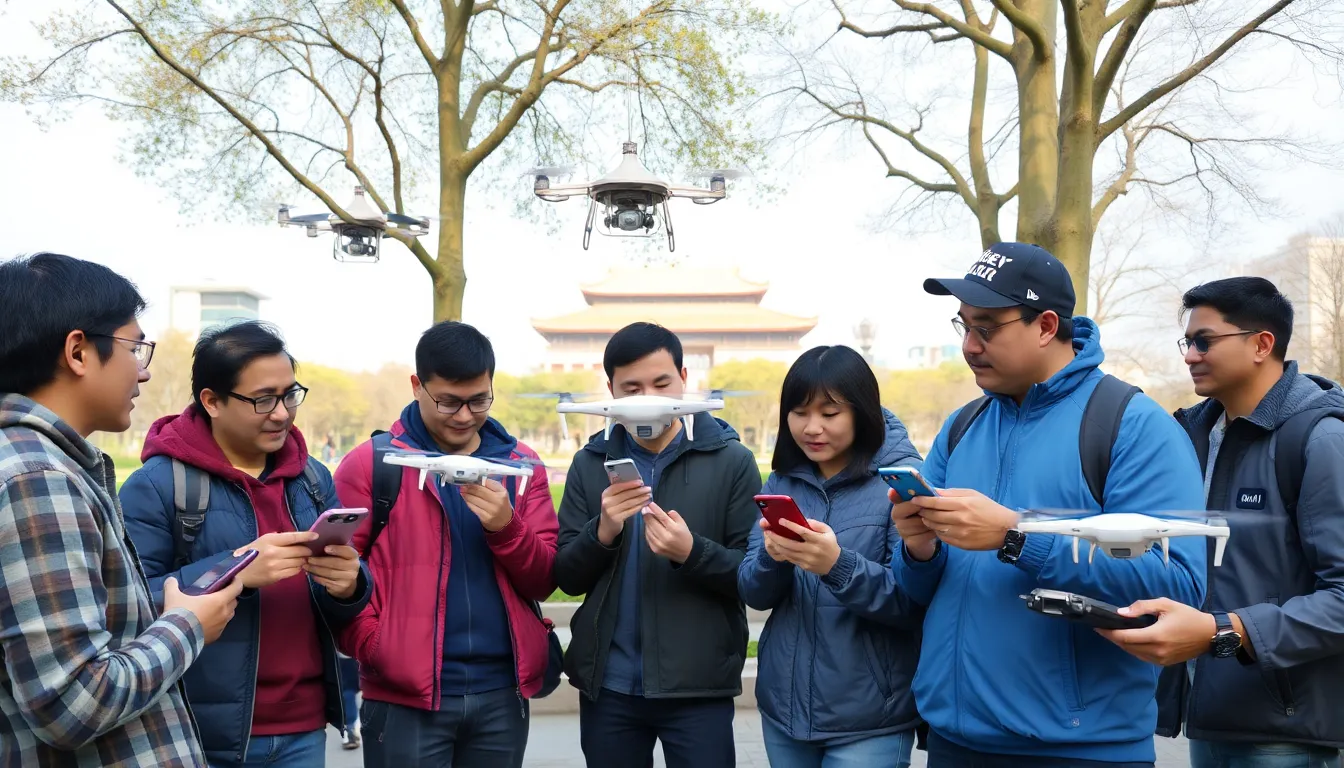
Drone manufacturers, both domestic and international, are facing significant challenges due to the ban. Many companies have invested heavily in the Chinese market, anticipating growth in sales and partnerships. The restriction not only limits their market access but also raises concerns about the long-term viability of their investments in the region. This situation creates a potential conflict between national security interests and economic growth.
- Consumer impact: The ban affects consumers who rely on drones for recreational use, photography, and other applications, limiting their choices and access to technology.
- International relations: The ban may strain relationships with foreign manufacturers who see China as a key market, potentially leading to retaliatory measures or trade disputes.
- Innovation concerns: Restricting drone sales could stifle innovation within the industry, as companies may be less incentivized to develop new technologies without access to a large consumer base.
As stakeholders navigate this evolving landscape, the implications of the ban will likely resonate beyond the immediate context, influencing future policies and market dynamics in the technology sector, much like in the recent discussions surrounding the OpenAI trial.
The impact of the drone sales ban on consumers and the market
The recent ban on drone sales in Beijing affects a variety of stakeholders, including consumers, businesses, and regulatory bodies. Consumers who rely on drones for recreational use or personal projects will find their options limited, impacting their ability to engage in these activities. Additionally, businesses that specialize in drone sales or services may face significant financial strain, leading to potential layoffs or closures.
In the short term, consumers may experience inconvenience as they seek alternative methods for aerial photography or delivery services. The ban could also lead to a black market for drones, where unregulated sales may pose safety risks. For businesses, the immediate impact might manifest as a drop in sales, which could hinder growth and innovation in the drone technology sector.
In the mid-term, the drone ban may prompt companies to pivot their strategies, focusing on compliance with new regulations or exploring other markets outside of Beijing. This shift could foster innovation in other areas of technology, as companies diversify their offerings. However, the regulatory environment will likely remain stringent, creating challenges for businesses looking to adapt.
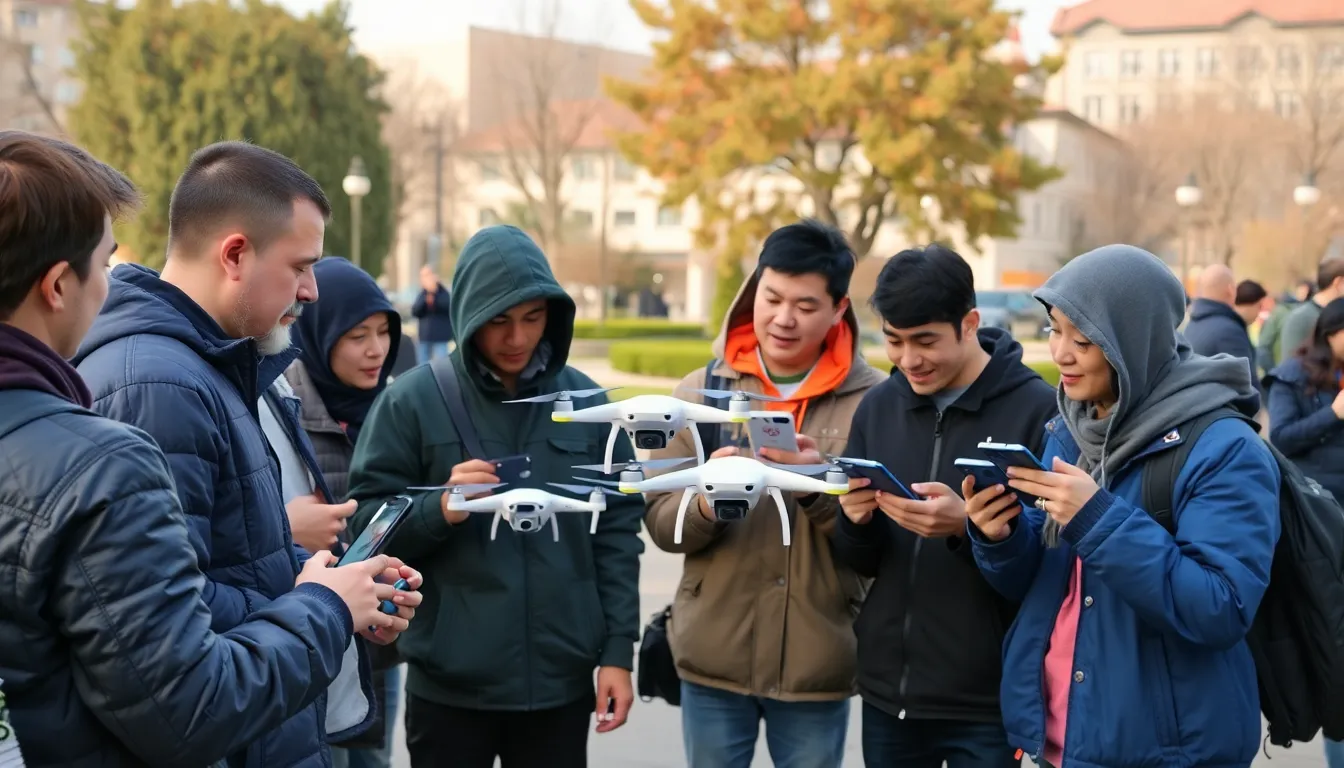
- Consumers: Limited access to drones for personal use.
- Businesses: Potential financial losses and layoffs.
- Market Dynamics: Shift towards compliance and innovation in alternative technologies.
- Regulatory Bodies: Increased oversight and enforcement of drone regulations.
While the ban poses risks, it also presents opportunities for growth in other sectors, such as surveillance technology or traditional photography services. Companies that can pivot effectively may find new revenue streams, while consumers might explore alternative hobbies or technologies that align with the evolving regulatory landscape.
A: The ban is primarily aimed at enhancing security and controlling the use of drones in urban areas. Authorities are concerned about potential misuse and safety risks. A: Drone manufacturers may face significant revenue losses as Beijing is a major market. They will need to adapt their strategies to comply with new regulations. A: Currently, the ban applies broadly, but there may be exceptions for government or authorized entities that require drones for specific purposes. A: Long-term effects may include a slowdown in drone technology development in China and a shift of the market to other regions where regulations are less stringent. A: As of now, the ban is specific to Beijing, but it may set a precedent for other cities in China to follow suit.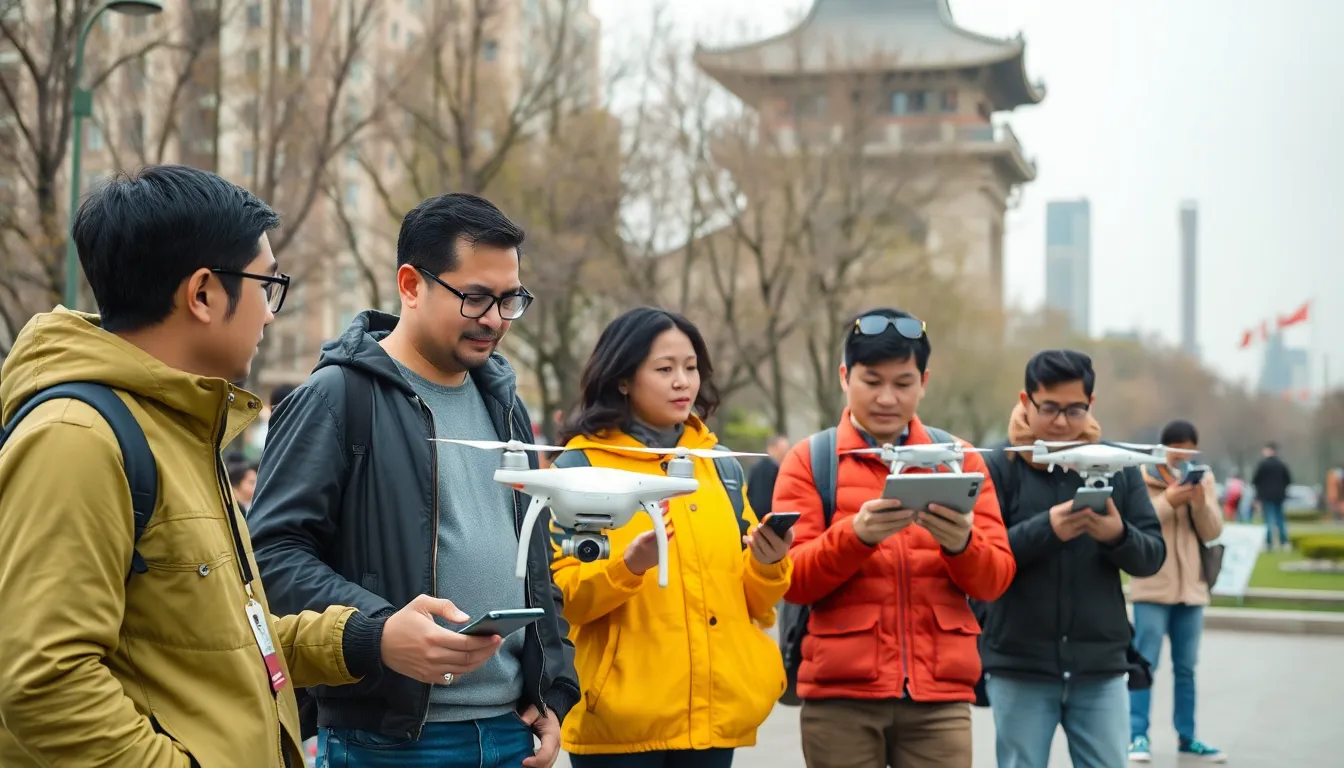
Frequently Asked Questions about the drone sales ban
Key takeaways and future outlook on drone regulations
The recent decision by China to ban drone sales in Beijing underscores the government’s growing concerns over security, surveillance, and regulatory control in urban environments. This move reflects a broader trend of tightening regulations around technology that can impact public safety and national security. As the drone industry continues to evolve, stakeholders must adapt to a landscape that is increasingly influenced by regulatory frameworks.
Looking ahead, the implications of this ban could ripple through various sectors, prompting companies to reassess their strategies in the Chinese market. The potential for increased scrutiny on drone technology may also lead to innovations in compliance and safety features, as manufacturers seek to align with government expectations while maintaining market competitiveness.
- Monitor the impact on local drone manufacturers and their ability to pivot in response to new regulations.
- Watch for potential shifts in consumer behavior as access to drones becomes restricted.
- Consider the implications for international drone companies looking to enter or expand in the Chinese market.
- Stay informed about technological advancements that may arise as companies innovate to meet regulatory demands.
- Keep an eye on regional variations in drone regulations, as other cities may follow Beijing’s lead.