
Photographers and astronomy enthusiasts alike have taken to various platforms to share their experiences and captures of these fleeting moments. The Orionids, known for their bright meteors and fast speeds, create a spectacle that is both beautiful and scientifically significant. Observations of these phenomena contribute to our understanding of meteor activity and the conditions that influence visibility.
These conditions have resulted in vibrant displays of color, prompting many to document and share their experiences, such as those showcased in this article.
Efforts to reduce artificial light can enhance the visibility of celestial events, allowing more people to appreciate the beauty of the night sky, similar to the impact of preserving dark skies discussed in this related article.
The Science Behind Meteor Showers and Sun Rays
Meteor showers have captivated humanity for centuries, often interpreted as celestial omens or divine messages. Historically, these events were cloaked in mystery; ancient civilizations would track the patterns of shooting stars, integrating them into their mythologies and calendars. In modern times, however, the scientific understanding of meteor showers has evolved significantly, revealing that these dazzling displays are the result of Earth passing through the debris left by comets and asteroids.
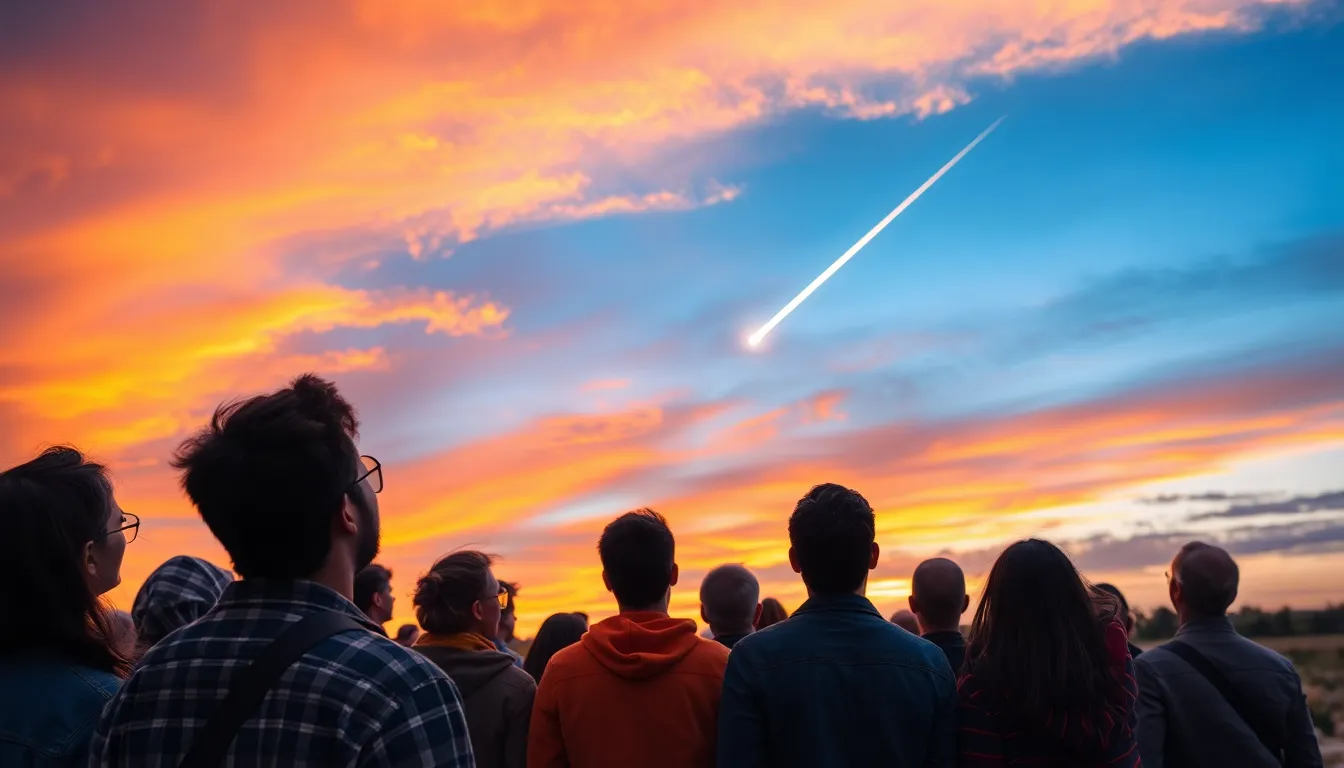
This influx can boost local economies, particularly in areas known for their clear skies and minimal light pollution, as seen in various tourism developments.
The Role of Technology in Observing Celestial Events
Advancements in technology have transformed how we observe and understand meteor showers and sun rays. The invention of high-speed cameras and sophisticated telescopes allows both amateur and professional astronomers to capture stunning images of these celestial events. Social media platforms have further amplified this phenomenon, enabling enthusiasts to share their snaps of changing skies, fostering a global community of sky watchers who celebrate these ephemeral moments.
Moreover, the scientific community has made significant strides in predicting meteor showers, thanks to improved data collection and analysis methods. Organizations such as NASA and various observatories now provide forecasts and educational resources, making it easier for the public to engage with and appreciate these spectacular events. This accessibility has led to a growing awareness and interest in the natural world, prompting discussions about the importance of preserving our night skies from light pollution.
In summary, the intersection of science, technology, and community engagement has transformed the way we experience meteor showers and sun rays. As these celestial events continue to inspire awe and curiosity, they remind us of our place in the universe and the shared human experience of wonder and discovery.
Key Stakeholders in Sky Observation and Photography
The landscape of sky observation and photography encompasses a diverse array of stakeholders, each with unique interests and motivations. These include amateur photographers, professional astronomers, environmental organizations, governmental bodies, and technology companies. Each group plays a crucial role in shaping the conversation around the phenomena observed in the skies, from meteors to sun rays.
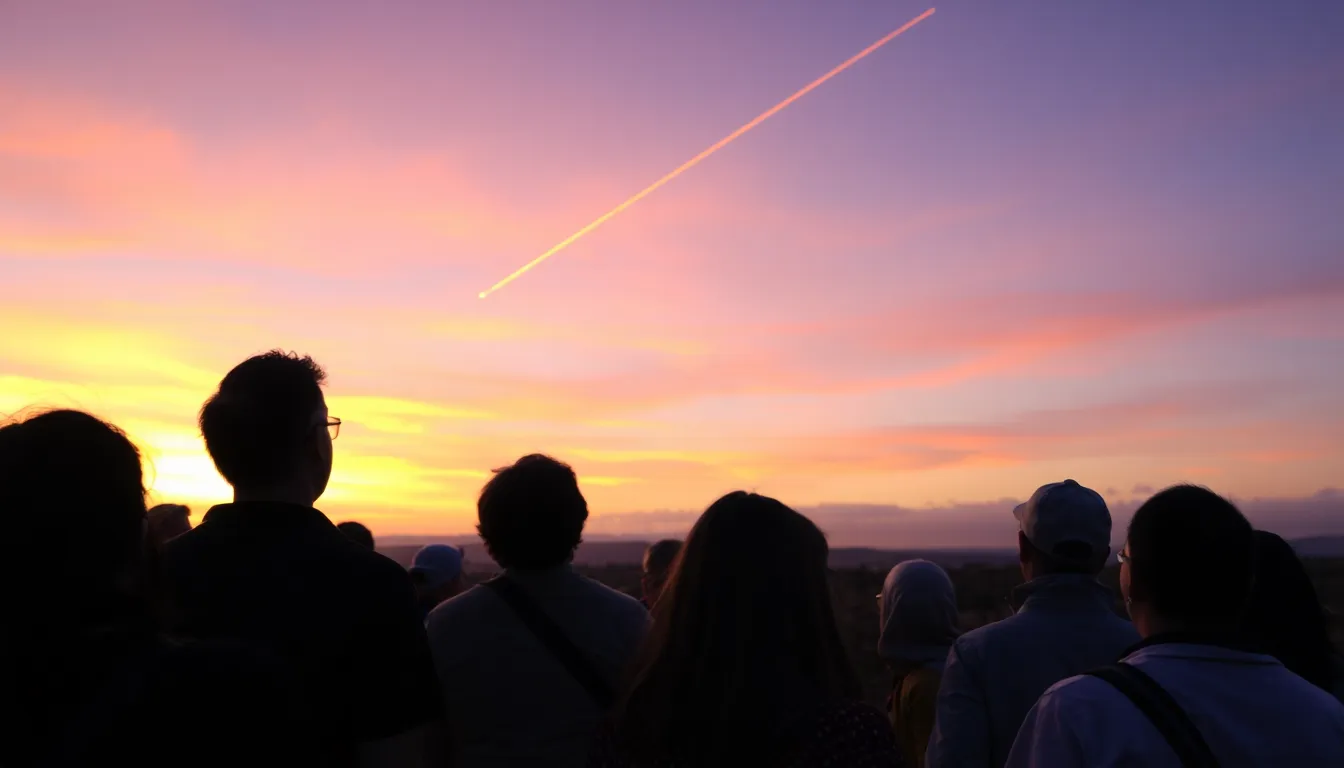
Amateur photographers and skywatchers are often the first to capture and share stunning images of celestial events. Their passion for photography drives them to advocate for the preservation of dark skies, which enhances their ability to capture high-quality images. However, their interests can conflict with urban development, which often leads to increased light pollution, diminishing the visibility of celestial phenomena.
Professional astronomers, on the other hand, focus on the scientific understanding of these phenomena. Their interests lie in conducting research that may require access to remote locations with minimal light interference. This can lead to tensions with local communities and governments that may prioritize economic development over the preservation of natural observation sites.
- Environmental Organizations: These groups advocate for policies that protect the night sky from light pollution, which is crucial for both wildlife and human enjoyment.
- Governments: Local and national governments must balance economic growth with environmental conservation, often facing pressure from both sides.
- Technology Companies: Companies that develop imaging technology and apps for sky observation have a vested interest in promoting their products while ensuring they contribute positively to the field.
- Educational Institutions: Schools and universities may engage in sky observation programs, fostering interest in astronomy while also promoting scientific literacy.
Legal and economic issues also come into play, particularly regarding land use and environmental regulations. Conflicts may arise when new developments threaten established observation sites or when regulations limit technological advancements that could enhance sky observation. Stakeholders must navigate these complexities to find solutions that benefit both scientific inquiry and community interests.
How Changing Skies Influence Photography and Nature Enthusiasts
The mesmerizing changes in the sky, from celestial meteors to radiant sun rays, have a profound impact on photography and nature enthusiasts. These groups are primarily affected as they seek to capture the beauty of these phenomena. Regions known for clear skies and minimal light pollution, such as national parks and rural areas, see increased attention from photographers and tourists alike, leading to a surge in local activity.
In the short term, the influx of photographers and nature lovers can boost local economies, particularly in hospitality and tourism sectors. Businesses such as hotels, restaurants, and outdoor gear shops may experience a spike in demand as people travel to witness and document these atmospheric events. Additionally, social media platforms become flooded with stunning imagery, creating a sense of community and shared experience among enthusiasts.
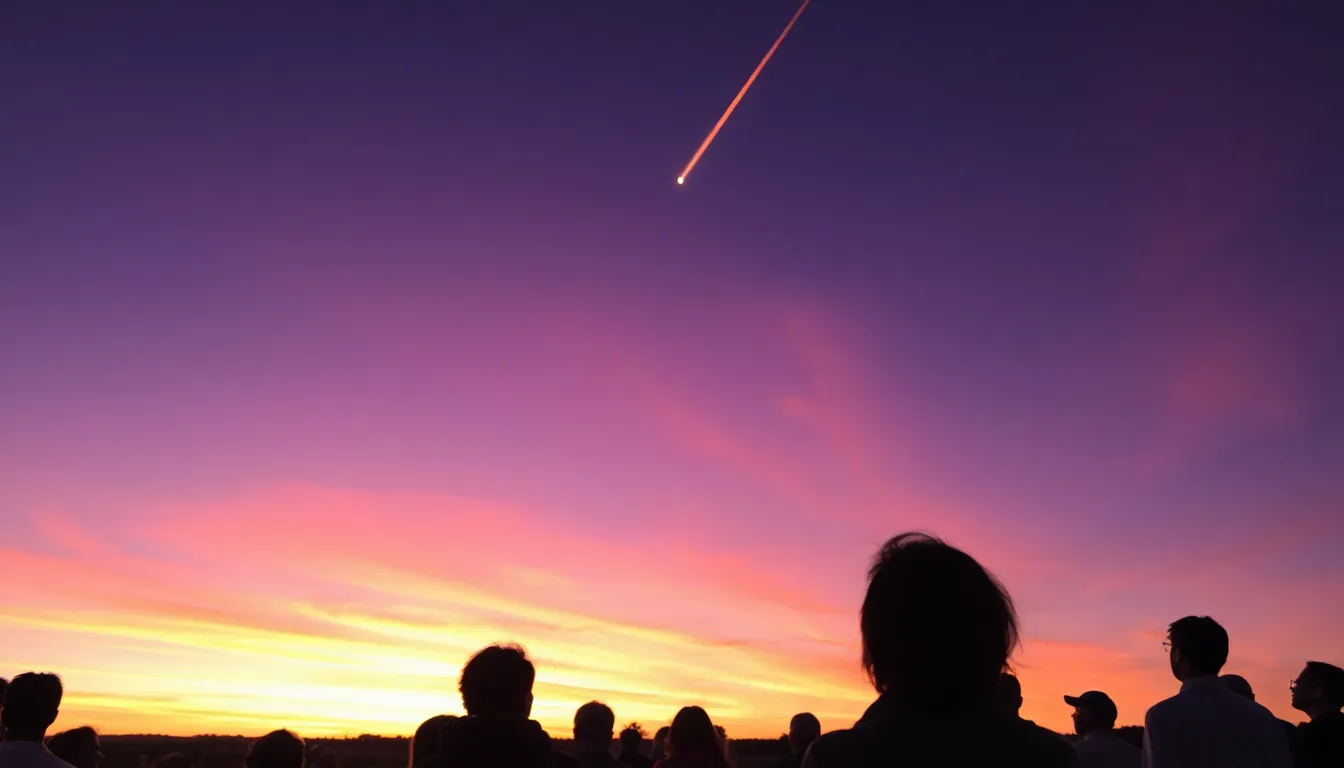
However, this heightened interest also brings challenges. Increased foot traffic in sensitive natural areas can lead to environmental degradation, requiring local governments and organizations to implement stricter policies on visitor access and conservation efforts. The balance between enjoying these natural spectacles and preserving the environment becomes a critical concern for policymakers.
In the mid-term, the ongoing popularity of capturing changing skies may lead to new opportunities for businesses that cater to this niche market. Photography workshops, guided tours, and specialized equipment sales could see growth. Furthermore, educational programs focused on astronomy and environmental awareness may emerge, fostering a deeper appreciation for these natural wonders.
- Short-term impacts: Increased tourism and local economic boost.
- Mid-term impacts: Growth in niche markets and educational programs.
- Risks: Environmental degradation and the need for conservation policies.
- Opportunities: Development of photography workshops and guided tours.
A: Meteors are caused by small particles entering the Earth’s atmosphere at high speeds, creating bright streaks of light as they burn up. This phenomenon is often referred to as a meteor shower when numerous meteors are visible. A: To capture stunning photos, use a tripod for stability, adjust your camera settings for low light, and consider using long exposure techniques. Timing is also crucial, so plan your shoots during peak meteor showers or at sunrise and sunset. A: Yes, areas with minimal light pollution, such as national parks or remote locations, are ideal for observing and photographing the night sky. Researching local astronomy groups can also provide insights on the best spots. A: A DSLR or mirrorless camera with manual settings is recommended, along with a wide-angle lens and a sturdy tripod. Additional accessories like remote shutters can also enhance your photography experience. A: Weather plays a significant role in sky observations. Clear skies without clouds are ideal for viewing meteors and rays, while overcast conditions can obscure these phenomena. Always check the weather forecast before planning your shoot.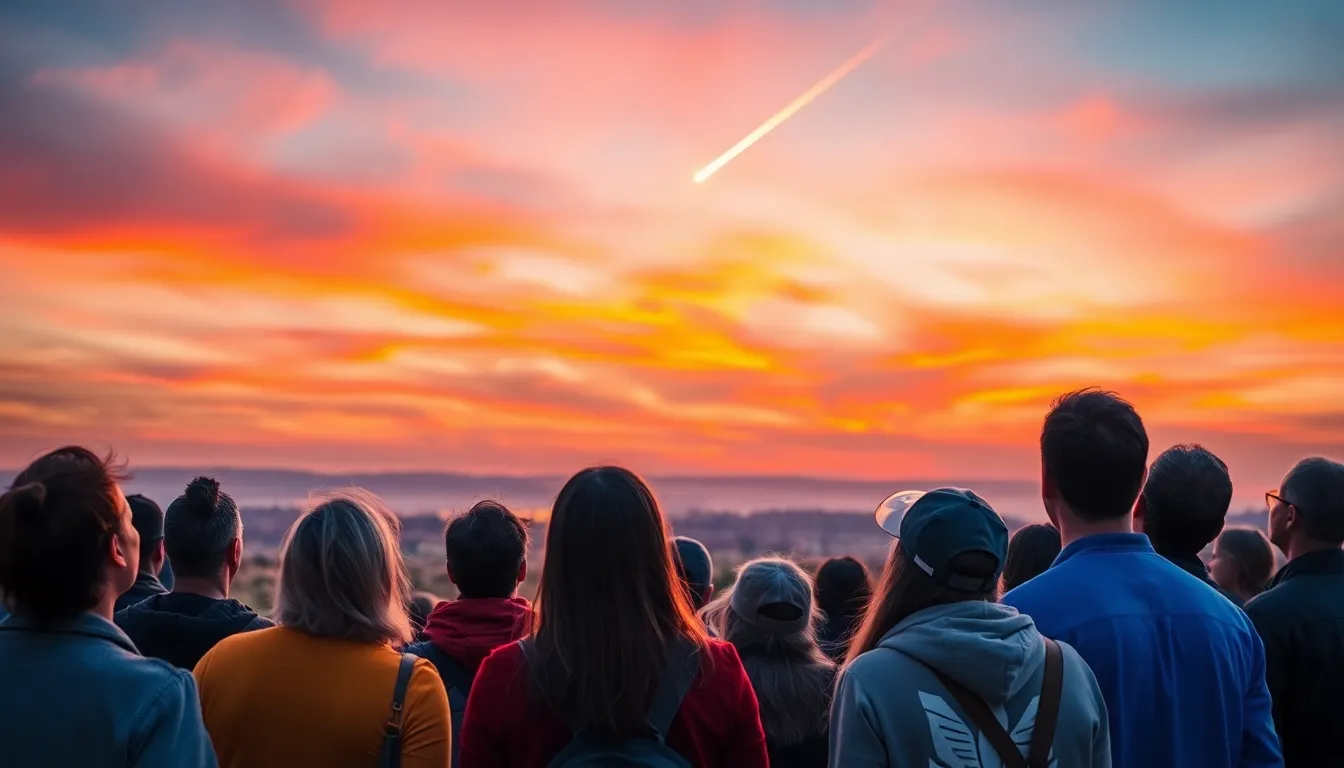
Frequently Asked Questions About Sky Changes
Key Takeaways and Future Outlook on Sky Photography
The dynamic nature of our skies presents a unique opportunity for photographers and enthusiasts alike to capture the beauty of celestial events. From meteor showers to the ethereal rays of sunlight breaking through clouds, these moments not only enrich our visual experience but also deepen our understanding of atmospheric phenomena. As technology advances, the ability to document and share these fleeting instances becomes more accessible, allowing for a broader appreciation of our natural world.
Looking ahead, individuals interested in sky photography should remain aware of emerging trends and techniques that can enhance their practice. By staying informed and adaptable, photographers can continue to capture the breathtaking changes in the sky and inspire others to engage with the wonders above.
- Explore new photography techniques, such as long exposures, to capture the movement of celestial bodies.
- Utilize social media platforms to share your sky photography and connect with a community of enthusiasts.
- Stay updated on astronomical events and weather patterns to maximize opportunities for stunning captures.
- Consider the environmental impact of your photography practices and aim for sustainable approaches.
- Experiment with different times of day and seasons to discover the diverse moods and colors of the sky.