
Key figures in the trial include OpenAI’s co-founders, Sam Altman and Greg Brockman, who have been called to testify regarding the company’s early practices and decision-making processes. The trial is expected to highlight differing perspectives on OpenAI’s mission and its impact on the tech industry, particularly in relation to competition and innovation. For more insights about the key players involved, read our article on Elon Musk and Sam Altman Bring OpenAI Trial Spectacle to Oakland.
As the case unfolds, various stakeholders, including tech industry leaders and AI ethicists, are closely monitoring the proceedings. The outcome may set significant precedents for how AI companies operate and the legal frameworks governing intellectual property in the rapidly evolving field of artificial intelligence.
This trial is not only a legal battle but also a critical moment for public discourse on the responsibilities of AI developers. With increasing scrutiny on the ethical dimensions of AI technology, the implications of this trial could resonate beyond the courtroom, influencing future regulatory measures and industry standards.
Exploring the Early Years of OpenAI
The inception of OpenAI in December 2015 marked a significant moment in the landscape of artificial intelligence. Founded by a group of high-profile tech entrepreneurs and researchers, including Elon Musk and Sam Altman, the organization aimed to promote and develop friendly AI for the benefit of humanity. This mission was rooted in growing concerns about the potential risks associated with advanced AI technologies, which could outpace human control and understanding.
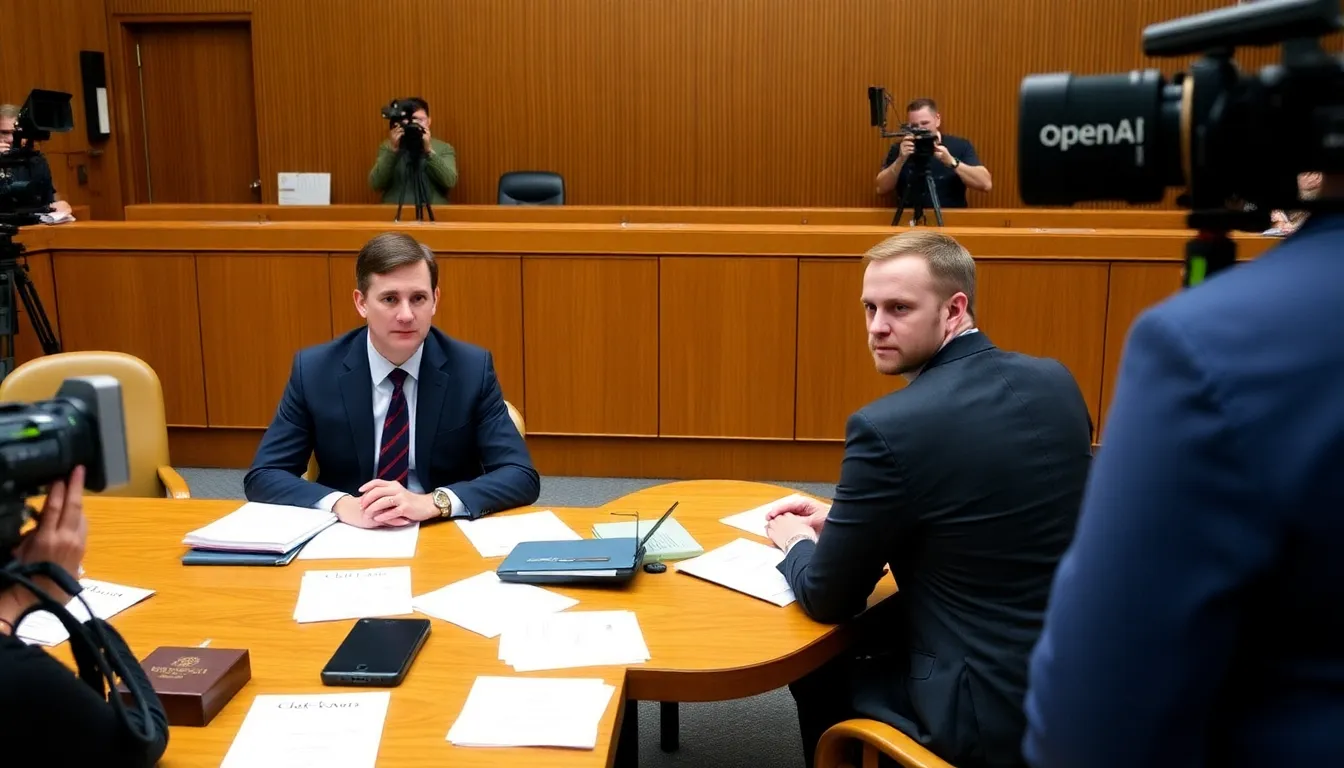
In its early years, OpenAI operated under a unique model that combined a non-profit structure with a commitment to open collaboration. This approach was in stark contrast to many tech companies that prioritized proprietary research and competitive advantage. The organization’s founding principles emphasized transparency and shared knowledge, which resonated with a community increasingly wary of the ethical implications of AI advancements. This mission aligns with broader discussions on the ethical responsibilities of tech giants today.
Key Milestones in OpenAI’s Development
Throughout its journey, OpenAI achieved several key milestones that underscored its commitment to research and public engagement. In 2016, OpenAI released its first major research paper, which laid the groundwork for its future projects and attracted attention from both academia and industry. By 2019, the organization had made headlines with the release of the GPT-2 language model, which showcased the potential of AI in natural language processing and sparked debates about the implications of such powerful technology.
Additionally, OpenAI’s decision to transition to a capped-profit model in 2019, allowing for external investment while maintaining its mission-driven focus, demonstrated its adaptability in an evolving tech landscape. This shift not only provided the necessary funding for ambitious projects but also highlighted the tension between innovation and ethical responsibility that continues to shape the narrative surrounding AI today.
Key Stakeholders and Their Perspectives on OpenAI’s Origins
The trial surrounding OpenAI has brought to light various stakeholders, each with distinct interests and narratives regarding the company’s formative years. Key actors include OpenAI’s founders, investors, employees, regulatory bodies, and the broader tech community. Their perspectives illustrate a complex interplay of ambition, ethical considerations, and economic implications.
OpenAI’s founders, including notable figures like Elon Musk and Sam Altman, have expressed a vision of developing artificial intelligence that benefits humanity. Their interest lies in ensuring that OpenAI remains committed to its mission while navigating the commercial pressures that come with significant investment. This duality raises questions about the extent to which profit motives might influence ethical considerations in AI development; such themes are explored further within the context of industry standards and regulations.
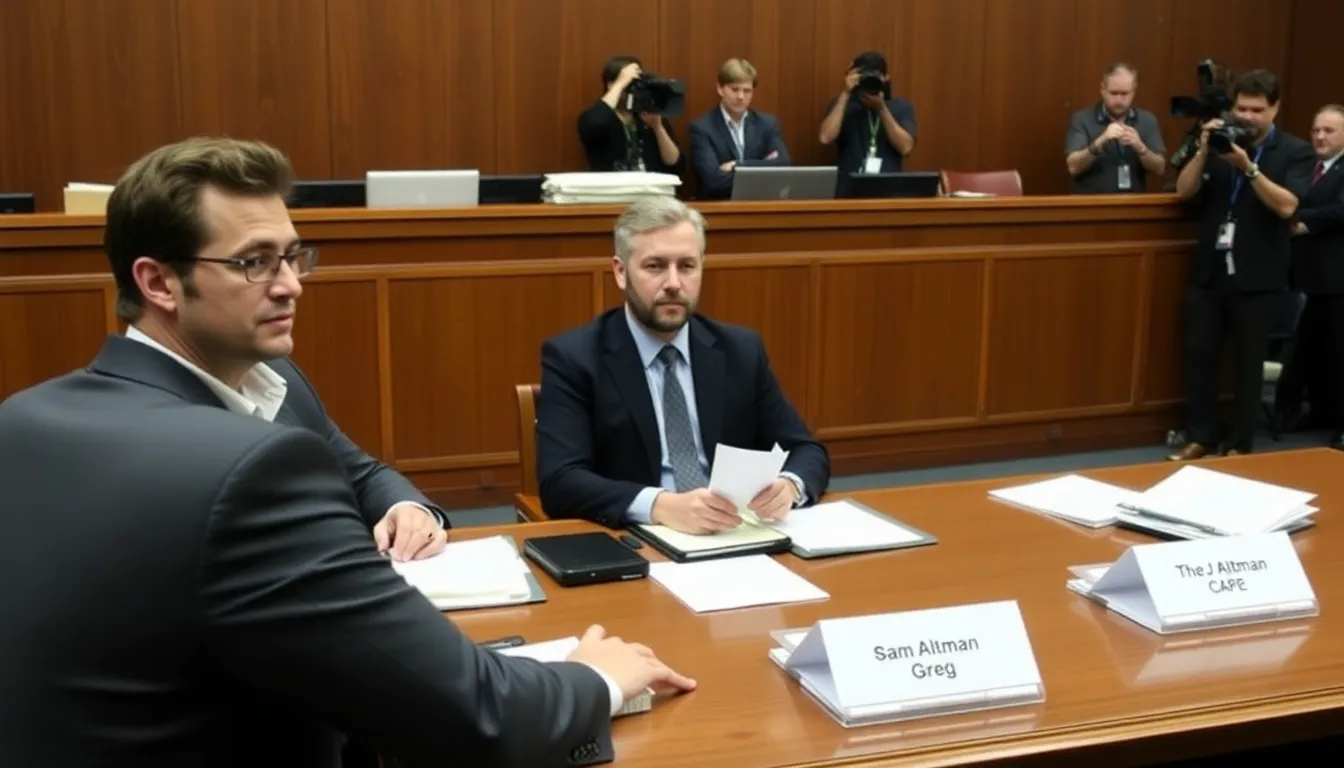
Investors, such as venture capital firms and private equity stakeholders, have a vested interest in the financial success of OpenAI. They often prioritize rapid growth and market dominance, which can conflict with the ethical frameworks that the company was initially founded upon. This tension highlights a critical trade-off between innovation and responsibility, as financial backers may push for aggressive strategies that could compromise ethical standards.
- Regulatory Bodies: Governments and regulatory agencies are increasingly focused on the implications of AI technology. They seek to establish frameworks that ensure safety and accountability in AI deployment, which can conflict with the fast-paced nature of tech development.
- Employees and Researchers: The workforce at OpenAI is driven by a commitment to ethical AI practices. However, they face pressure to deliver results that meet both investor expectations and societal demands, leading to potential moral dilemmas.
- Broader Tech Community: The tech community is divided on OpenAI’s approach. Some advocate for open collaboration and transparency, while others are concerned about the monopolistic tendencies of large AI firms.
As these stakeholders navigate their interests, key legal and economic issues emerge, such as intellectual property rights, the regulation of AI technologies, and the implications of AI on employment. The outcomes of this trial could set significant precedents that affect not only OpenAI but also the entire landscape of artificial intelligence development.
Potential Implications for the AI Industry and Stakeholders
The ongoing trial surrounding OpenAI is poised to impact a diverse range of stakeholders, from tech companies to policymakers. As the legal proceedings unfold, various groupsincluding AI developers, investors, and regulatory bodieswill be closely monitoring the outcomes, which could reshape the landscape of artificial intelligence.
In the short term, businesses that rely on AI technologies may experience heightened scrutiny and regulatory pressure. Companies in sectors such as healthcare, finance, and education, which increasingly depend on AI solutions, could face new compliance requirements. This may lead to increased operational costs and a reevaluation of AI strategies.
Moreover, the trial could spark significant changes in public perception of AI. As discussions around ethical considerations and accountability gain traction, consumers may become more cautious about adopting AI-driven products. This shift could impact sales and market strategies for companies leveraging AI.

- Risks: Increased regulation may hinder innovation and slow down the deployment of AI technologies.
- Opportunities: Companies can pivot towards transparency and ethical AI practices, potentially gaining consumer trust.
- Risks: Legal precedents set during the trial could expose businesses to new liabilities.
- Opportunities: The trial may encourage collaboration among industry players to establish best practices and standards.
In the mid-term, the outcomes of the trial could influence policy decisions at both national and international levels. Governments may be prompted to develop comprehensive frameworks governing AI development and deployment, which could either facilitate or restrict market growth depending on the nature of the regulations enacted.
Overall, the OpenAI trial serves as a critical juncture for the AI industry, presenting both challenges and avenues for advancement. Stakeholders must navigate this evolving landscape carefully, balancing the risks and opportunities that arise from the trial’s implications.
A: The trial primarily examines the contrasting narratives surrounding OpenAI’s early years, highlighting differing viewpoints on its creation and mission. A: Key stakeholders include OpenAI’s founders, investors, and industry experts who provide insights into the company’s development and ethical considerations. A: Depending on the outcomes, the trial could influence regulatory approaches and ethical standards in the AI industry, impacting future innovations. A: The trial presents one narrative focused on OpenAI’s mission for safe AI development, while the other highlights concerns about commercialization and profit motives. A: The trial commenced recently, and while the exact duration is uncertain, it is expected to unfold over several weeks as testimonies are presented.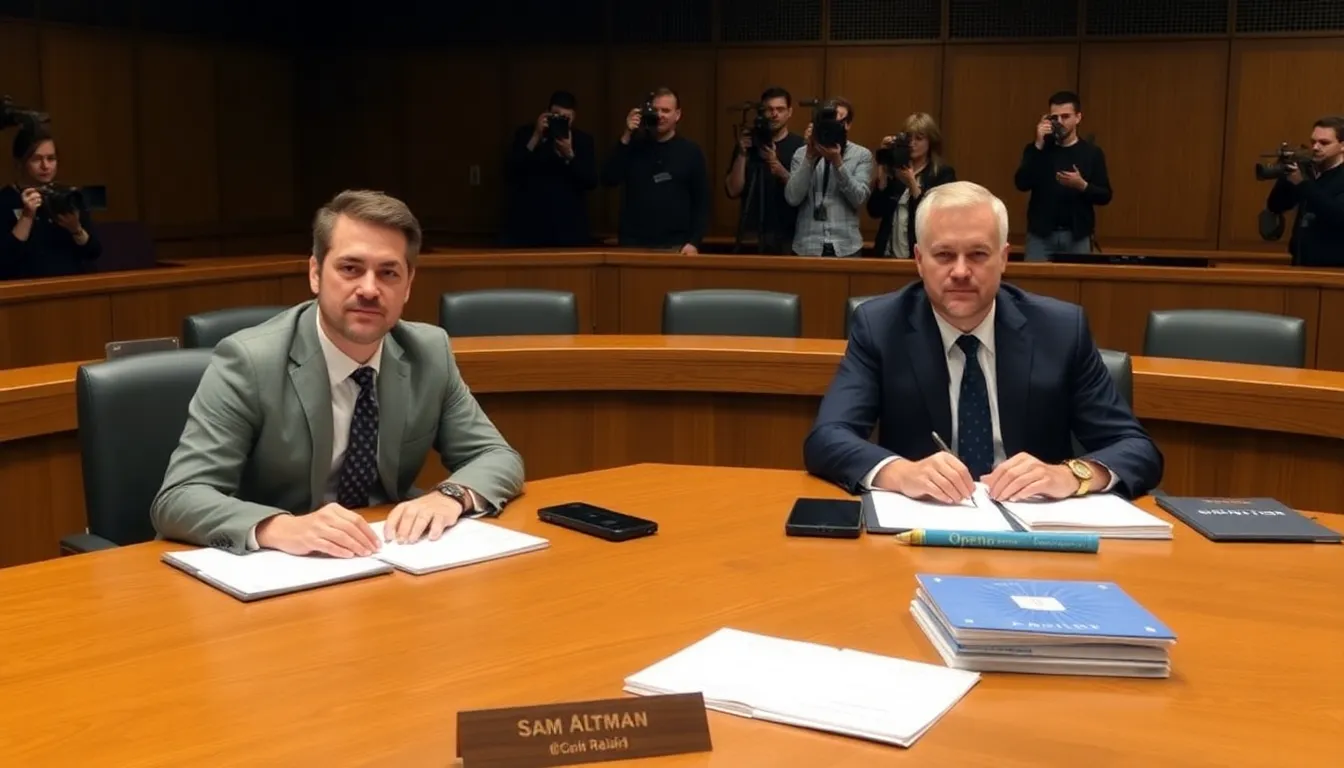
Frequently Asked Questions About the OpenAI Trial
Key Takeaways and Future Outlook on OpenAI’s Journey
The ongoing trial surrounding OpenAI’s early years presents a complex narrative that reflects both the innovative spirit and the ethical dilemmas faced by technology companies today. As the court proceedings unfold, they not only reveal the intricacies of OpenAI’s founding but also set a precedent for how emerging AI technologies will be governed and perceived in society.
Stakeholders in the tech industry should closely monitor the implications of this trial, as it may influence regulatory frameworks and public trust in AI systems. The diverse perspectives emerging from the testimonies highlight the necessity for transparency and accountability in AI development, which could reshape the landscape for future innovations.
- Regulatory Impact: The outcome of the trial may lead to new regulations that govern AI technology, affecting how companies operate and innovate.
- Public Perception: The narratives presented could significantly influence public trust in AI, emphasizing the importance of ethical considerations in technology.
- Investment Strategies: Investors may reassess their strategies in AI startups based on the trial’s implications for risk and governance.
- Innovation Culture: Companies might need to foster a culture of transparency and responsibility to align with evolving societal expectations.
- Future Collaborations: The trial could pave the way for new partnerships between tech companies and regulatory bodies to ensure ethical AI development.