
The first event is scheduled to kick off in March 2026, with subsequent tournaments planned at various global venues. This new series is expected to attract top-tier teams and players, providing them with additional platforms to showcase their skills and compete for substantial prize pools, including an exciting lineup reminiscent of previous esports tournaments.
Industry analysts suggest that the emergence of these events could shift the competitive balance within the esports ecosystem. By offering more opportunities for participation and viewership, PGL and StarLadder are positioning themselves as formidable players in the esports arena, potentially challenging the existing power dynamics.
With the rise of CS2 as a popular title, the timing of these events is particularly crucial. As the esports community continues to evolve, the introduction of diverse competitive formats may enhance fan engagement and foster a more vibrant competitive environment.
Understanding the Rise of Competitive CS2 Events
The competitive landscape of esports has evolved significantly over the past decade, with titles like Counter-Strike: Global Offensive (CS:GO) paving the way for the latest iteration, Counter-Strike 2 (CS2). As the gaming community transitioned to CS2, the demand for competitive events surged, leading organizations like PGL and StarLadder to capitalize on this momentum. Their decision to host 11 CS2 events in 2026 is a strategic move aimed at challenging the established dominance of ESL and BLAST in the esports arena.
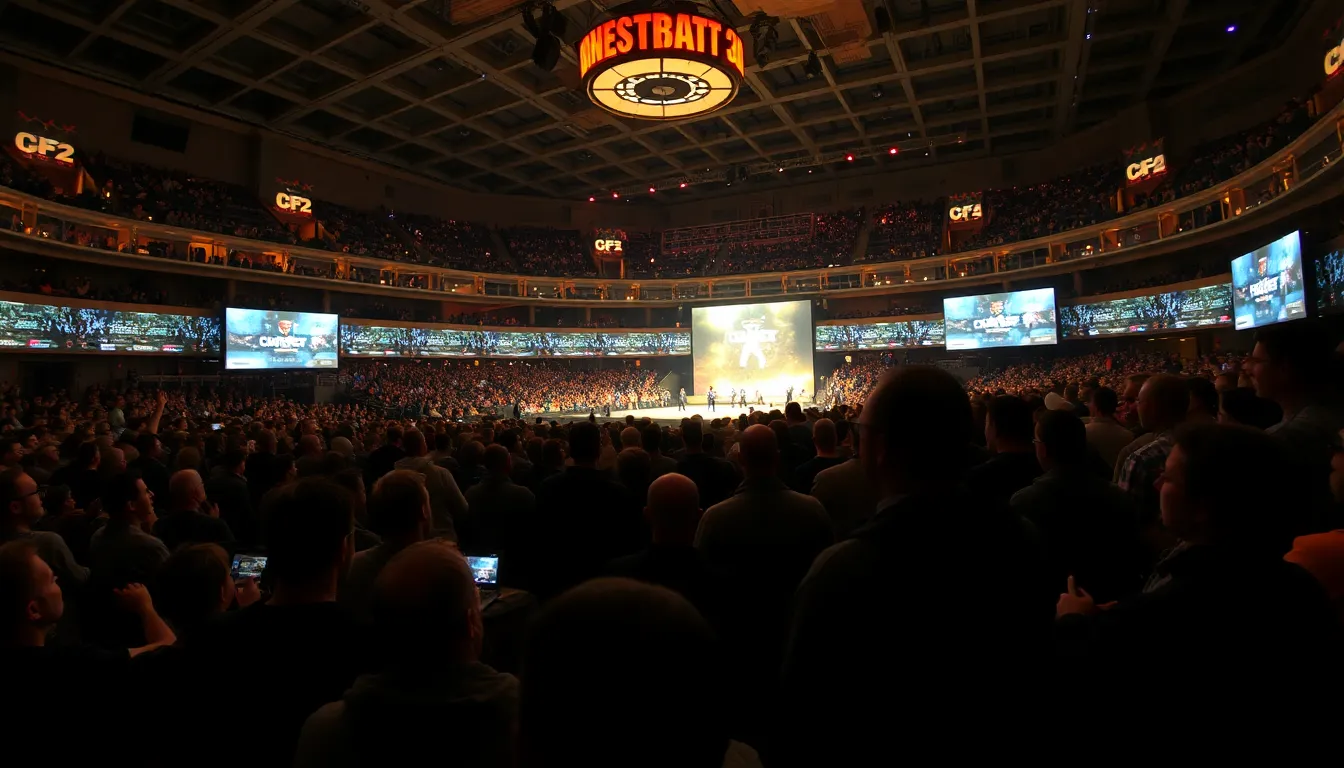
The rise of CS2 can be traced back to the immense popularity of CS:GO, which not only became a staple in the esports scene but also attracted millions of players and viewers globally. The game’s competitive nature, combined with its rich history and community engagement, laid a solid foundation for its successor. As players began to explore the new features and mechanics of CS2, the anticipation for high-stakes tournaments grew, creating an ideal environment for new event organizers to emerge.
Historically, PGL and StarLadder have been known for their innovative approaches to esports events. PGL gained recognition for its production quality and engaging viewer experiences, while StarLadder carved out a niche with its grassroots tournaments that nurtured emerging talent. Their collaboration in 2026 marks a significant milestone as they attempt to reshape the competitive scene and offer alternatives to the ESL and BLAST events, which have often been criticized for their monopolistic tendencies.
The Economic Impact of Competitive Events
The financial implications of hosting multiple CS2 events are considerable. With sponsorships, ticket sales, and merchandise contributing to revenue streams, both PGL and StarLadder are likely to benefit from the influx of investment in esports. This economic boost not only supports the organizers but also provides opportunities for teams and players, fostering a more vibrant competitive ecosystem, as echoed in discussions about industry trends.
Key Stakeholders and Issues Surrounding the New Events
The announcement of the PGL and StarLadder Open 2026, featuring 11 Counter-Strike 2 (CS2) events, has stirred significant interest among various stakeholders in the esports ecosystem. Key players include tournament organizers, game developers, teams, sponsors, and fans, each with their own interests and concerns regarding the new competitive landscape.
PGL and StarLadder, as the primary organizers, aim to establish themselves as major competitors to ESL and BLAST, which have dominated the scene. Their interest lies in attracting top teams and players, securing sponsorships, and maximizing viewership. However, this ambition may lead to conflicts over scheduling, as overlapping events could divide audiences and dilute the competitive field.
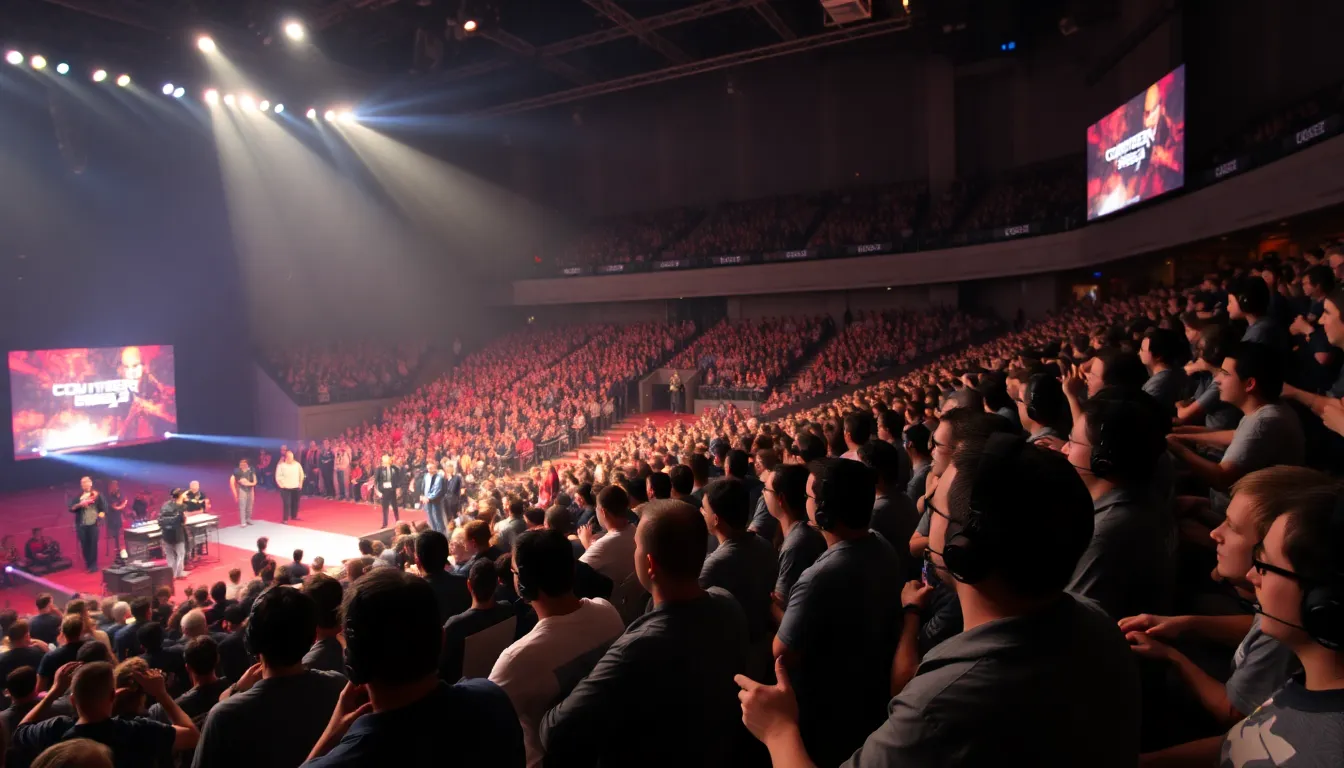
Another critical stakeholder group includes the esports teams and players. They benefit from increased competition and more opportunities to earn prize money and visibility. However, they face challenges in balancing participation across multiple tournaments, which could lead to player fatigue and impact overall performance. Additionally, the financial implications of travel and accommodation for a packed schedule could strain smaller organizations.
- Economic Competition: The rivalry between PGL/StarLadder and established organizations like ESL and BLAST could drive up production values and prize pools, benefiting players and fans.
- Legal Considerations: Potential disputes over broadcasting rights and sponsorship agreements may arise, necessitating clear contracts and negotiations.
- Fan Engagement: Increased events could enhance fan engagement, but the quality of viewing experiences must be maintained to retain interest.
- Team Dynamics: Teams may need to strategize their participation to avoid conflicts and ensure player well-being.
As the landscape evolves, the interplay between these stakeholders will shape the future of competitive CS2. The balance of interests, along with the resolution of emerging conflicts, will be crucial in determining the success of this ambitious endeavor in the esports arena.
Potential Impact on the Esports Market and Players
The announcement of PGL and StarLadder collaborating to host 11 CS2 events in 2026 is set to significantly affect various stakeholders in the esports ecosystem. This includes players, teams, sponsors, and fans, particularly in regions with a strong presence in competitive gaming such as North America, Europe, and Asia.
In the short term, players may experience increased opportunities for competition and sponsorships, as the number of events raises the visibility of the game. This could lead to more players entering the professional scene, seeking to capitalize on the growing interest. However, the influx of new talent may also intensify competition, making it more challenging for established players to maintain their positions.
From a business perspective, gaming organizations and sponsors may find new avenues for partnerships and marketing. The increase in events can drive higher viewership numbers, attracting advertisers and leading to potential revenue growth. However, this also poses a risk of market saturation, where too many events could dilute the audience and reduce the overall quality of the viewing experience.
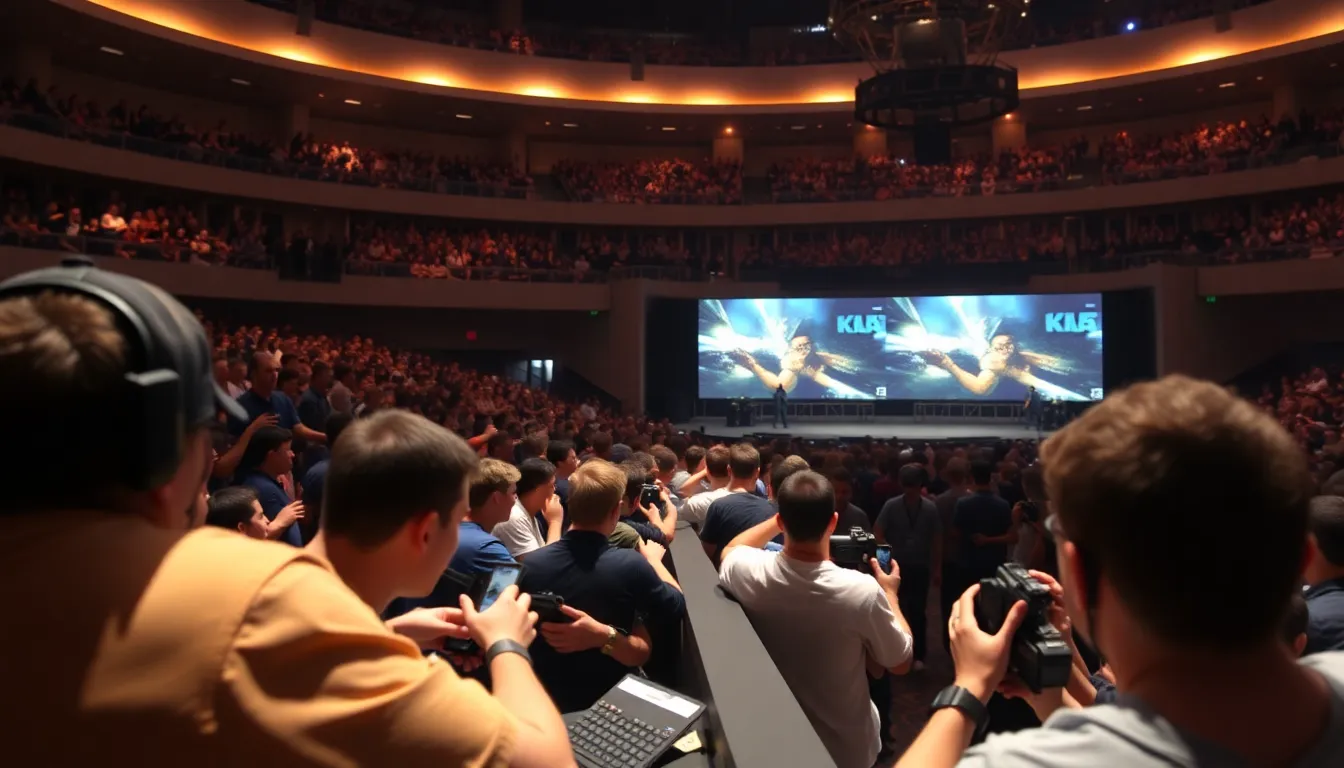
- Opportunities: Increased sponsorship deals and partnerships.
- Risks: Potential market saturation affecting viewership.
- Impact on Players: Greater competition and pressure to perform.
- Regional Focus: Enhanced engagement in key esports regions.
In the mid-term, the impact on policy may also be notable as regulatory bodies might need to adapt to the evolving landscape of esports. This could involve creating guidelines around player contracts, sponsorships, and event management to ensure fair play and transparency. Overall, the collaboration between PGL and StarLadder presents both challenges and opportunities that will shape the future of competitive gaming.
A: The PGL and StarLadder Open 2026 is significant as it introduces 11 new CS2 events, increasing competition in the esports scene and challenging established leagues. A: These events may draw players and audiences away from ESL and BLAST, potentially altering the competitive landscape and viewership dynamics. A: The specific dates for the PGL and StarLadder Open 2026 events have yet to be announced, but they are expected to occur throughout the year. A: While specific sponsors are still being confirmed, both PGL and StarLadder have a history of partnering with major gaming brands and companies. A: Yes, the events are expected to include innovative formats, fan engagement activities, and enhanced viewing experiences.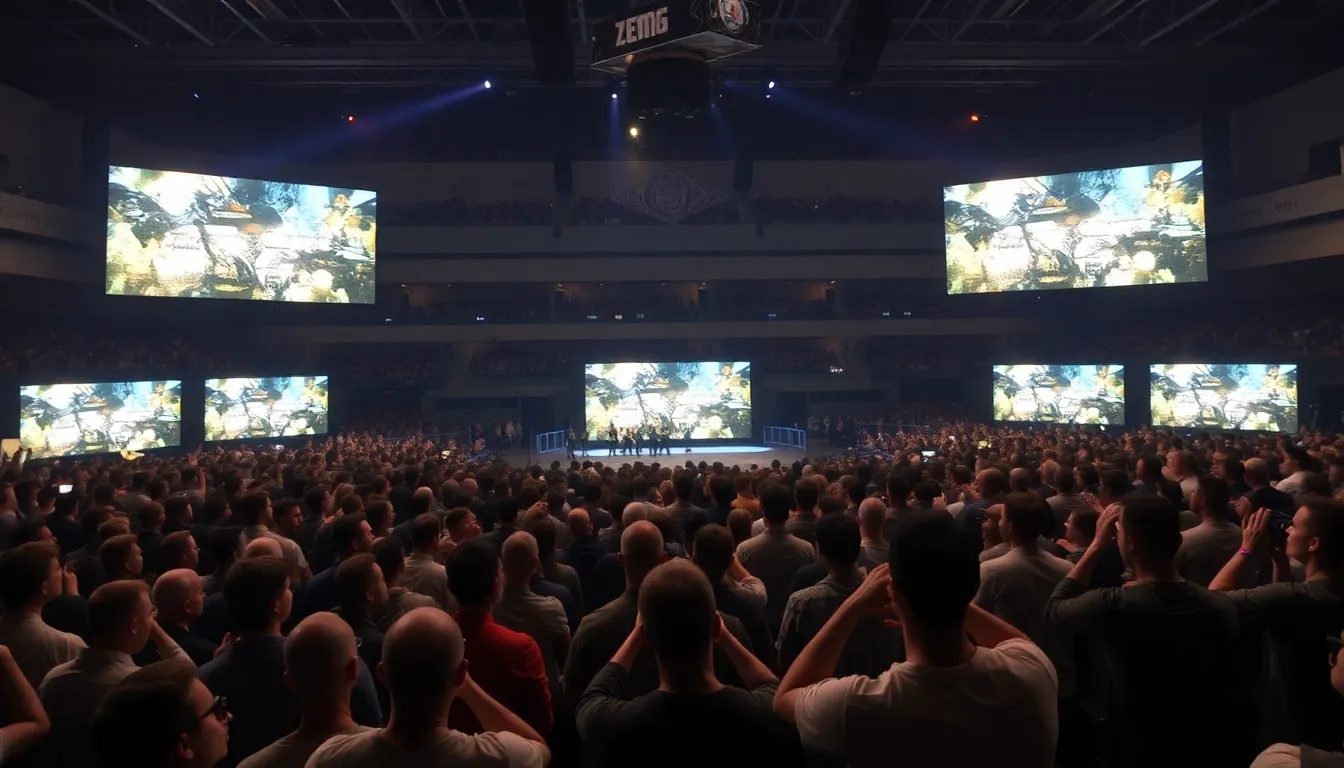
Frequently Asked Questions About the Events
Key Insights and Future Outlook for CS2 Competitions
The emergence of PGL and StarLadder as significant players in the CS2 tournament landscape indicates a shift in the competitive ecosystem, traditionally dominated by ESL and BLAST. With 11 new events scheduled, the landscape is set for increased competition, which may benefit players and teams by providing more opportunities to showcase their talents and secure sponsorships. This diversification could also lead to a more vibrant scene, with various formats and styles of play enriching the overall experience for fans and participants alike.
As these organizations ramp up their activities, stakeholders should be attentive to how this influx of events influences team dynamics, player contracts, and viewer engagement. The success of these tournaments will hinge not only on the quality of the events but also on their ability to attract a loyal audience amidst a crowded market.
- Monitor the impact of increased competition on player performance and team strategies.
- Watch for potential shifts in sponsorship deals as brands assess the growing tournament landscape.
- Consider how the format and structure of these new events may influence viewer engagement and fan loyalty.
- Evaluate the role of community feedback in shaping future tournaments and events.
- Anticipate collaborations between PGL, StarLadder, and other organizations to enhance the overall quality of competitions.