
Holograms have long been a part of entertainment, but their application in memorials is relatively new. Companies specializing in holographic displays have begun to collaborate with funeral homes, offering services that create lifelike representations of the deceased. This technology not only provides a visual presence but also allows for the integration of recorded messages, enhancing the emotional experience for attendees.
The use of holograms in funerals raises important questions about grief, memory, and the ethics of representing the deceased. While some families find comfort in this modern approach, others express concerns about the potential for commercialization of grief and the authenticity of the holographic representation. As this technology becomes more accessible, it is essential to consider its impact on cultural practices surrounding death and remembrance.
As of now, several memorial services have successfully incorporated holographic displays, indicating a growing trend in how society approaches death and remembrance. The intersection of technology and personal loss is prompting a reevaluation of traditional funeral practices, as families seek to create unique and lasting tributes to their loved ones. This evolution in memorialization reflects broader societal shifts towards integrating technology into everyday life.
Understanding the background of holograms in funerals
The use of holograms in funerals represents a significant intersection of technology and cultural practices surrounding death. Historically, funerals have been solemn occasions marked by physical memorials, such as caskets and urns. However, as technology has advanced, the ways in which people commemorate their loved ones have evolved. The introduction of holographic technology in memorial services is a reflection of this shift, allowing families to create more personalized and interactive experiences.
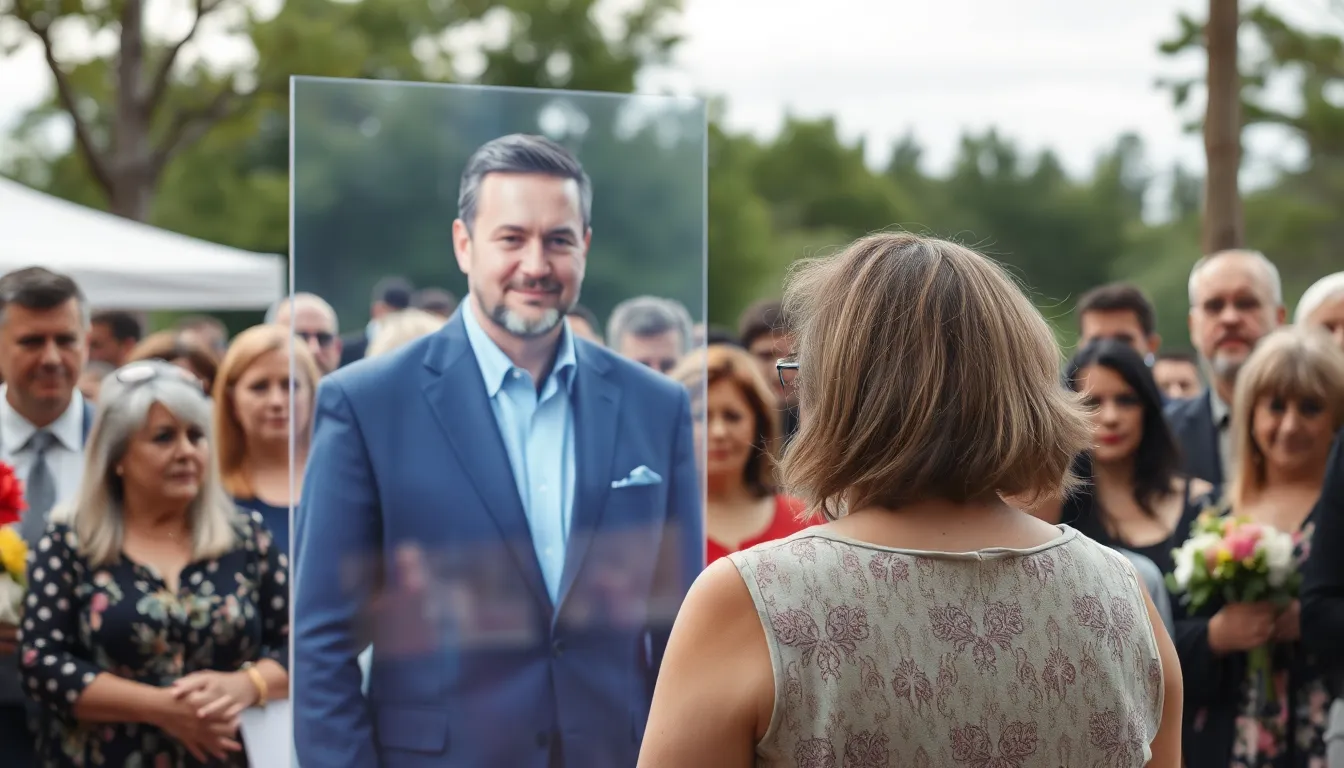
The concept of using holograms in funerals gained traction in the early 21st century as advancements in imaging technology made it more accessible. The first notable instance of a hologram being used in a memorial service occurred in 2012 when a holographic projection of a deceased individual was displayed at a funeral in the United States. This event marked a milestone, showcasing the potential for holograms to transform traditional mourning practices and offering a new way for families to connect with their loved ones even after death.
Economically, the rise of holographic technology in funerals has also created a new market within the funeral industry. Companies specializing in digital memorialization have emerged, offering services that include holographic projections, virtual reality experiences, and digital memorial websites. This trend not only reflects changing consumer preferences but also highlights the growing importance of technology in the grieving process.
Cultural Acceptance and Ethical Considerations
The acceptance of holograms in funerals varies across cultures and communities. While some view it as a modern tribute that honors the deceased’s life, others may perceive it as disrespectful or overly commercialized. Additionally, ethical considerations arise regarding consent and the portrayal of the deceased. These factors contribute to ongoing debates about the appropriateness of using such technology in sensitive contexts like funerals, shaping how society navigates the intersection of grief and innovation.
Key issues surrounding the use of holograms for funerals
The introduction of holograms in funeral services has sparked a range of discussions among various stakeholders, including grieving families, technology developers, and funeral service providers. Each group has distinct interests that shape their perspectives on this innovative yet controversial practice.
Families seeking closure may find comfort in the ability to see a holographic representation of their loved one, allowing for a unique farewell experience. However, this raises ethical concerns regarding the authenticity of the representation and the emotional impact on those grieving. The potential for misrepresentation or manipulation of a hologram could lead to further distress for families.
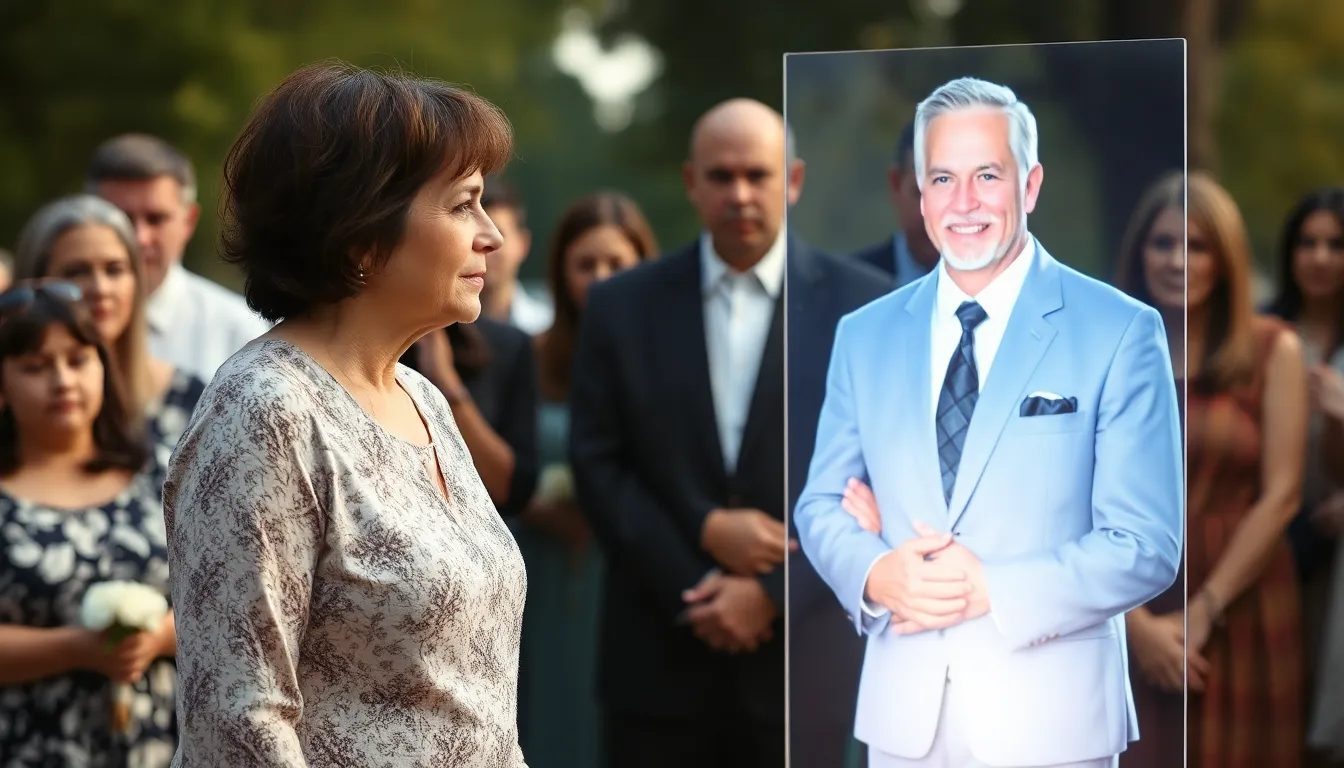
Technology companies involved in creating holographic solutions are primarily motivated by profit and market expansion. As this sector grows, they face the challenge of ensuring that their products are respectful and sensitive to the needs of bereaved families. Balancing innovation with ethical considerations is crucial for maintaining public trust.
Funeral service providers must navigate the legal landscape surrounding the use of holograms. Key issues include copyright laws related to the digital likeness of the deceased, consent from family members, and the potential for new regulations governing the use of such technology in sensitive contexts. These legal uncertainties may deter some providers from adopting holographic services.
- Emotional impact: The potential for holograms to either aid or complicate the grieving process.
- Legal considerations: Issues surrounding consent and copyright of digital likenesses.
- Ethical dilemmas: The authenticity of holograms and their impact on the memory of the deceased.
- Market dynamics: The balance between technological innovation and ethical responsibility in the funeral industry.
Impact on grieving families and the funeral industry
The introduction of holographic technology in funerals has profound implications for grieving families and the funeral industry. Families who have lost loved ones are often seeking closure and a way to honor their memories. The ability to present a hologram at a funeral allows for a unique and personal tribute, potentially transforming the mourning experience. This evolution in memorialization reflects broader societal shifts towards integrating technology into everyday life.
In the short term, the funeral industry may see an increase in demand for innovative services that incorporate holograms. Traditional funeral homes may need to adapt quickly to this technology to remain competitive. This could lead to a shift in business models, as funeral services begin to offer more personalized and high-tech options.
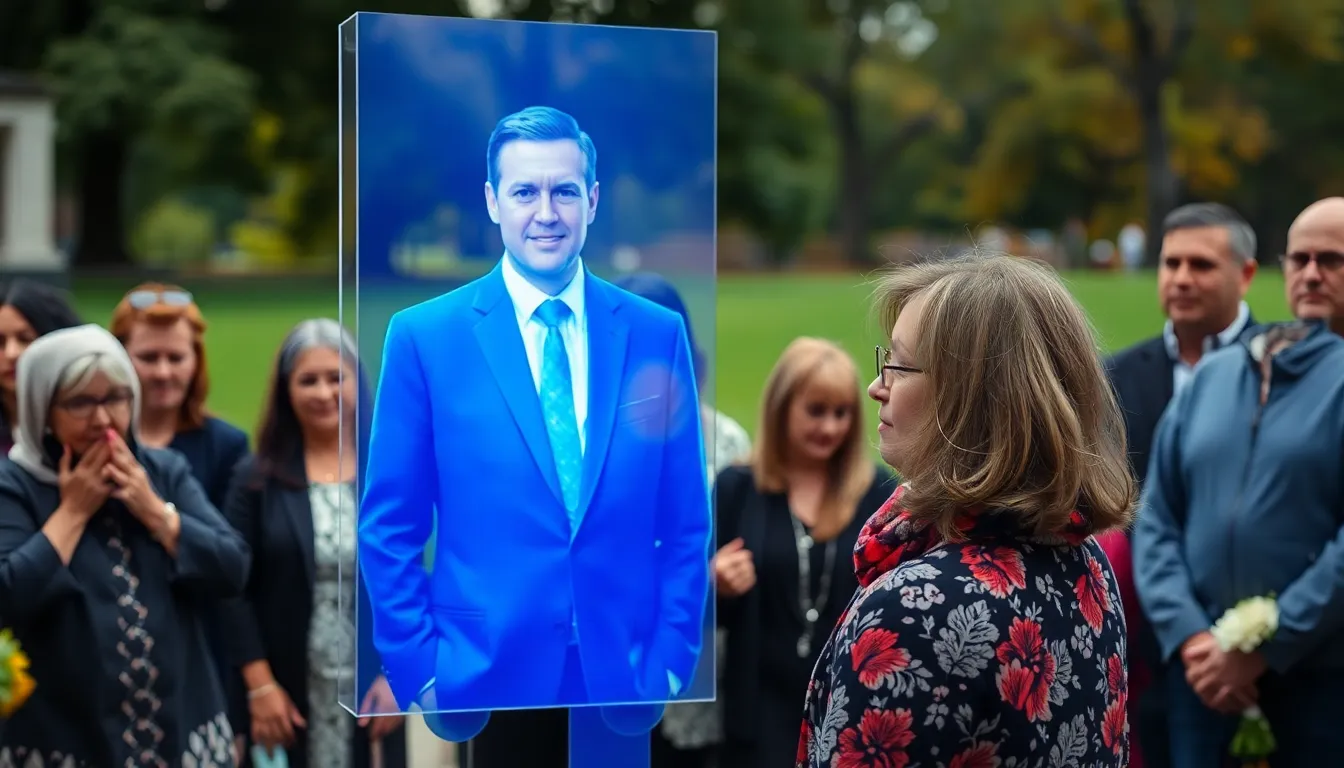
However, this shift also presents risks. The emotional weight of grief could be complicated by the use of technology, as some families may find holograms unsettling or inappropriate. There is also the risk of commercialization of mourning, where the focus shifts from honoring the deceased to creating a spectacle.
In the mid-term, the integration of holograms into funerals may influence policy regulations within the funeral industry. Standards may need to be established to ensure ethical practices and to protect the emotional well-being of families. Additionally, there could be implications for insurance policies covering funeral costs, as new technologies may alter pricing structures.
- Increased demand for personalized funeral services
- Potential emotional risks for grieving families
- Need for regulatory standards in the funeral industry
- Opportunities for funeral homes to innovate
- Changes in insurance policies related to funeral costs
A: Holographic technology captures images and creates a three-dimensional representation of a person. This allows loved ones to experience a lifelike presence during memorial services. A: While holographic technology is still emerging, several companies are beginning to offer services for funerals, though it may not be accessible in all regions. A: Many families find comfort in seeing their loved ones represented in a familiar way, which can aid in the grieving process and provide closure. A: Yes, some people raise concerns about consent and the potential for misrepresentation, emphasizing the need for respectful use of such technology. A: Costs can vary widely depending on the technology used and the service provider, ranging from a few thousand to tens of thousands of dollars.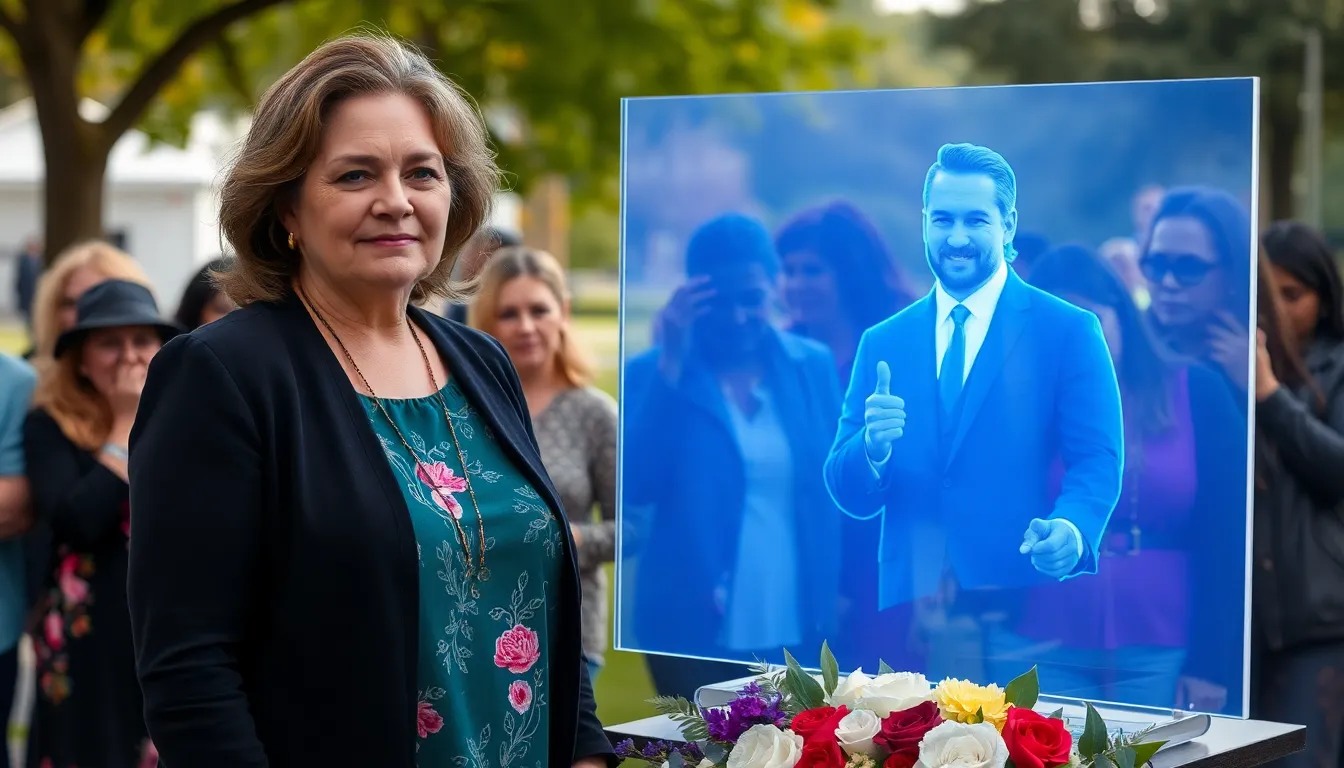
Frequently asked questions about holographic funerals
Insights on the future of holographic memorials
The emergence of holographic technology in memorial services represents a significant shift in how we commemorate and remember our loved ones. As families seek new ways to cope with loss, the integration of holograms offers a deeply personal and immersive experience that traditional memorials may lack. This innovation not only allows for a more interactive remembrance but also raises questions about the ethical implications and emotional impact of such representations.
As this technology continues to evolve, it is essential to consider the various dimensions it introduces to the grieving process. The ability to create lifelike holograms can enhance the sense of presence and connection, but it also necessitates discussions around consent, the authenticity of memories, and the potential for commercialization in the grieving industry.
- Emotional engagement: Holographic memorials may provide a unique avenue for emotional closure, allowing individuals to interact with a representation of their loved ones in a meaningful way.
- Ethical considerations: The use of holograms raises important questions about consent and the representation of deceased individuals, necessitating clear guidelines and ethical standards.
- Market potential: As technology advances, there is likely to be a growing market for holographic memorial services, appealing to families seeking innovative ways to honor their loved ones.
- Impact on traditional practices: The rise of holographic memorials may challenge conventional funeral practices, prompting a reevaluation of how we approach death and remembrance.
- Future developments: Continued advancements in holographic technology could lead to even more immersive experiences, potentially integrating virtual reality to further enhance the memorial experience.